The Lost Cause
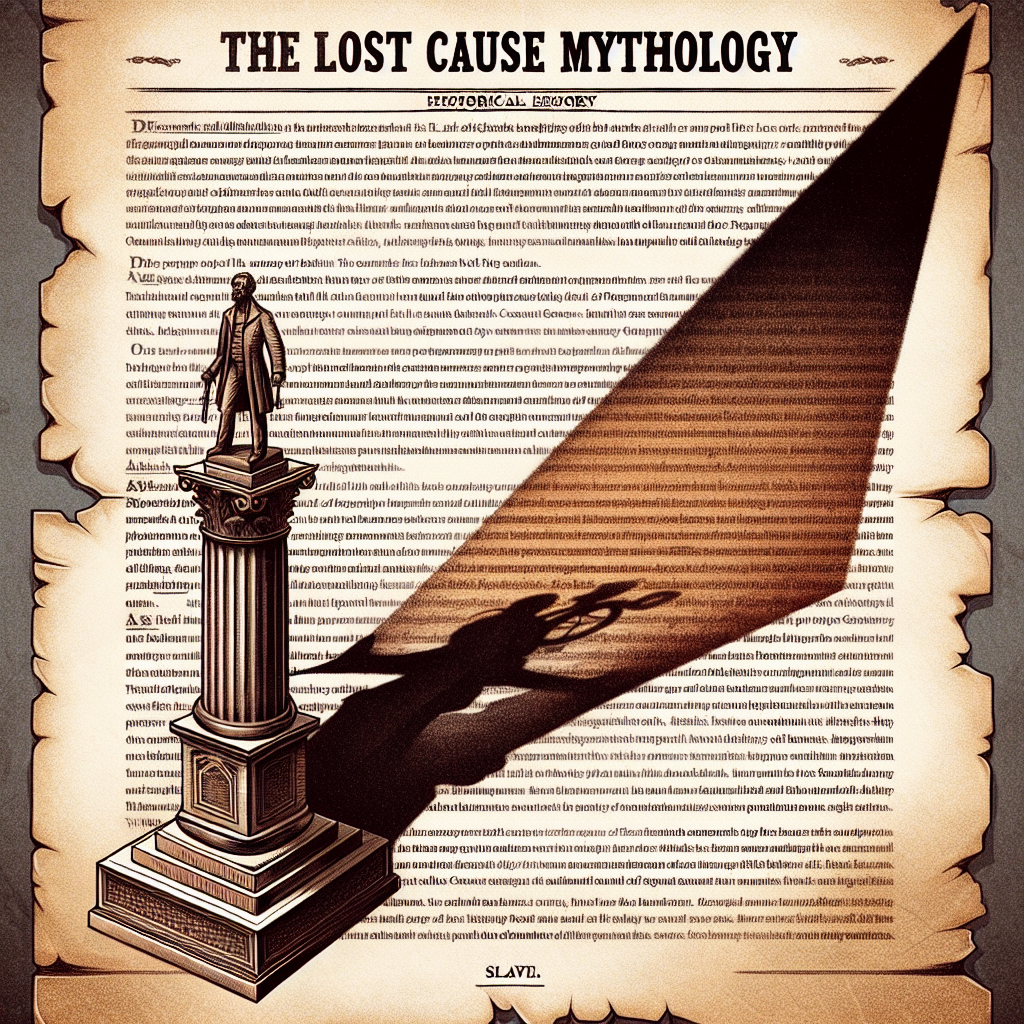
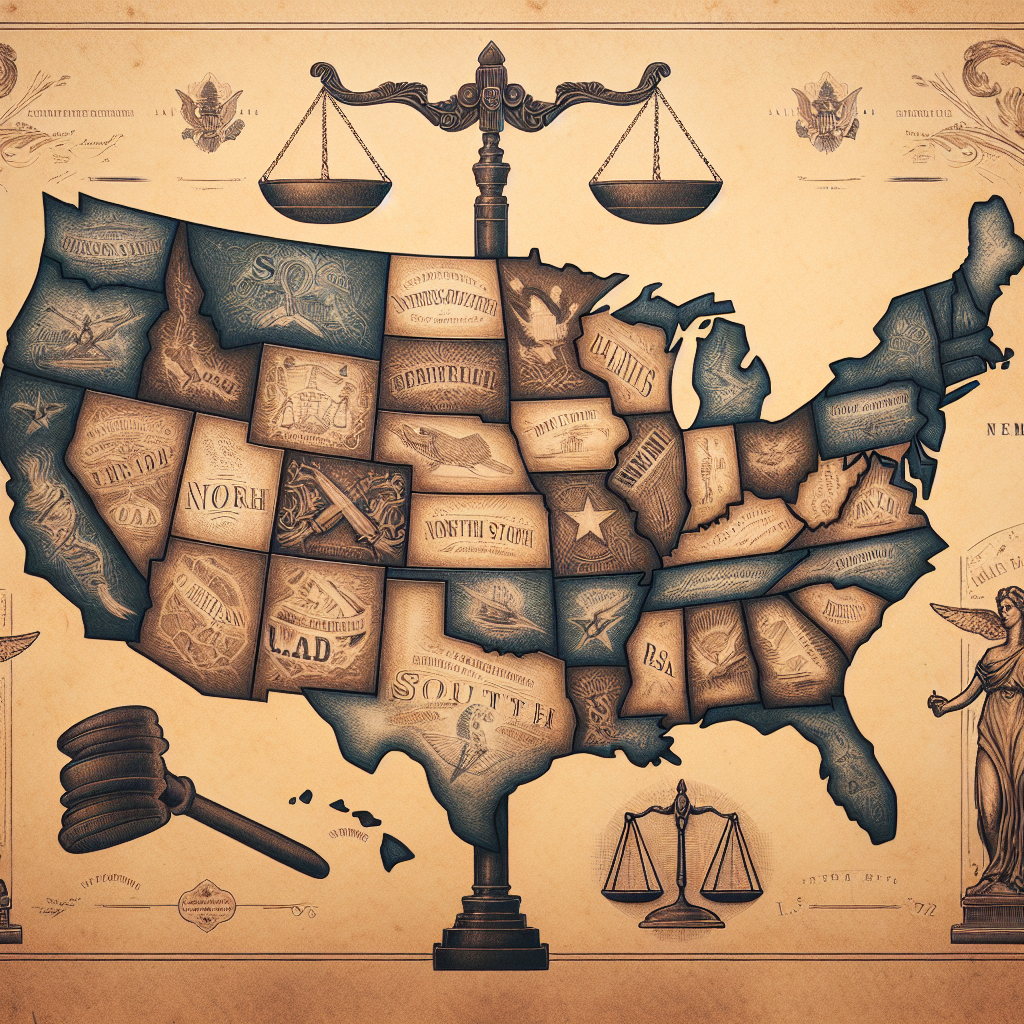
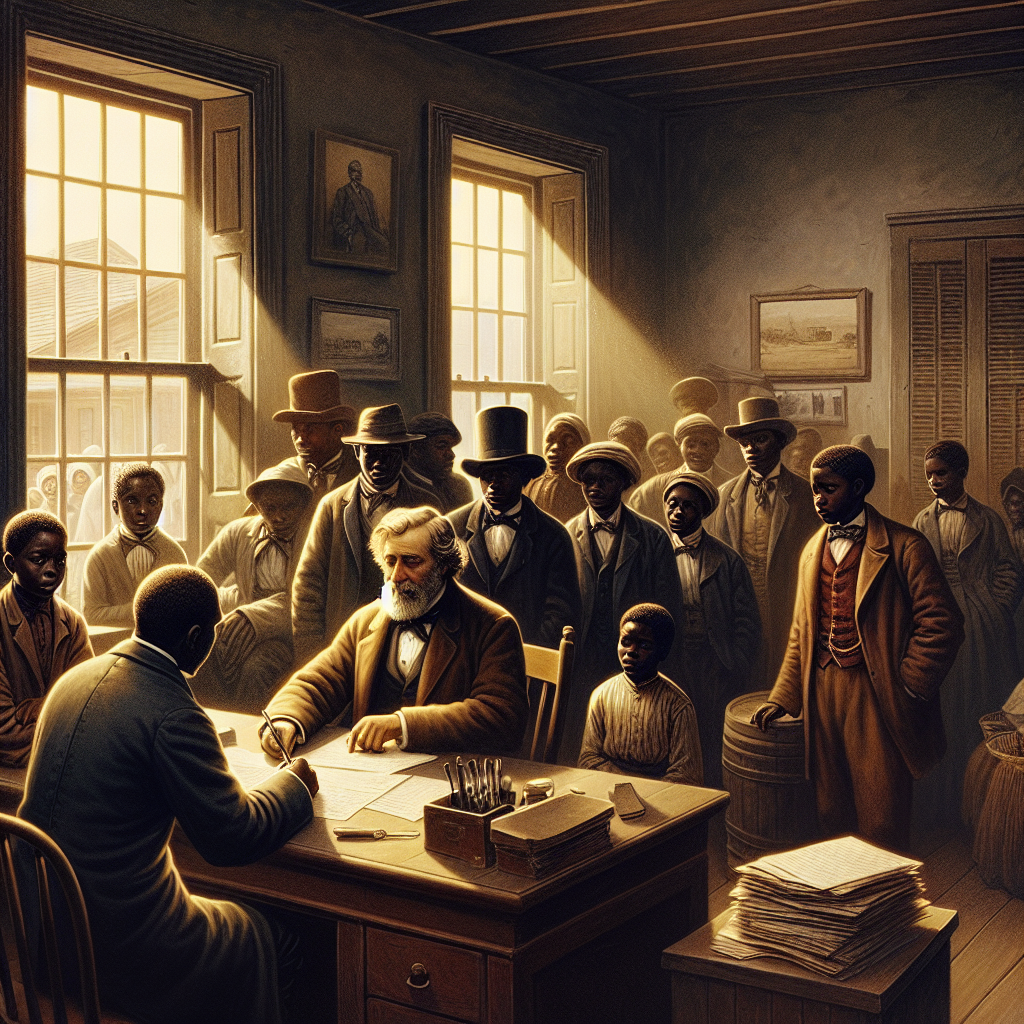
The Lost Cause is the name given to a constellation of myths about the Confederacy that emerged in the years immediately following the Civil War and became, over the following decades, one of the most successful acts of historical revision in the modern era. Its core claims were few and mutually reinforcing: that the South had not seceded to preserve slavery but to defend states' rights and constitutional principle; that Confederate soldiers had been outgunned but never outfought; that enslaved people had been generally contented with their condition; and that Reconstruction was a corrupt imposition on a defeated people who deserved better. Every one of these claims was false. Each one took root nonetheless.
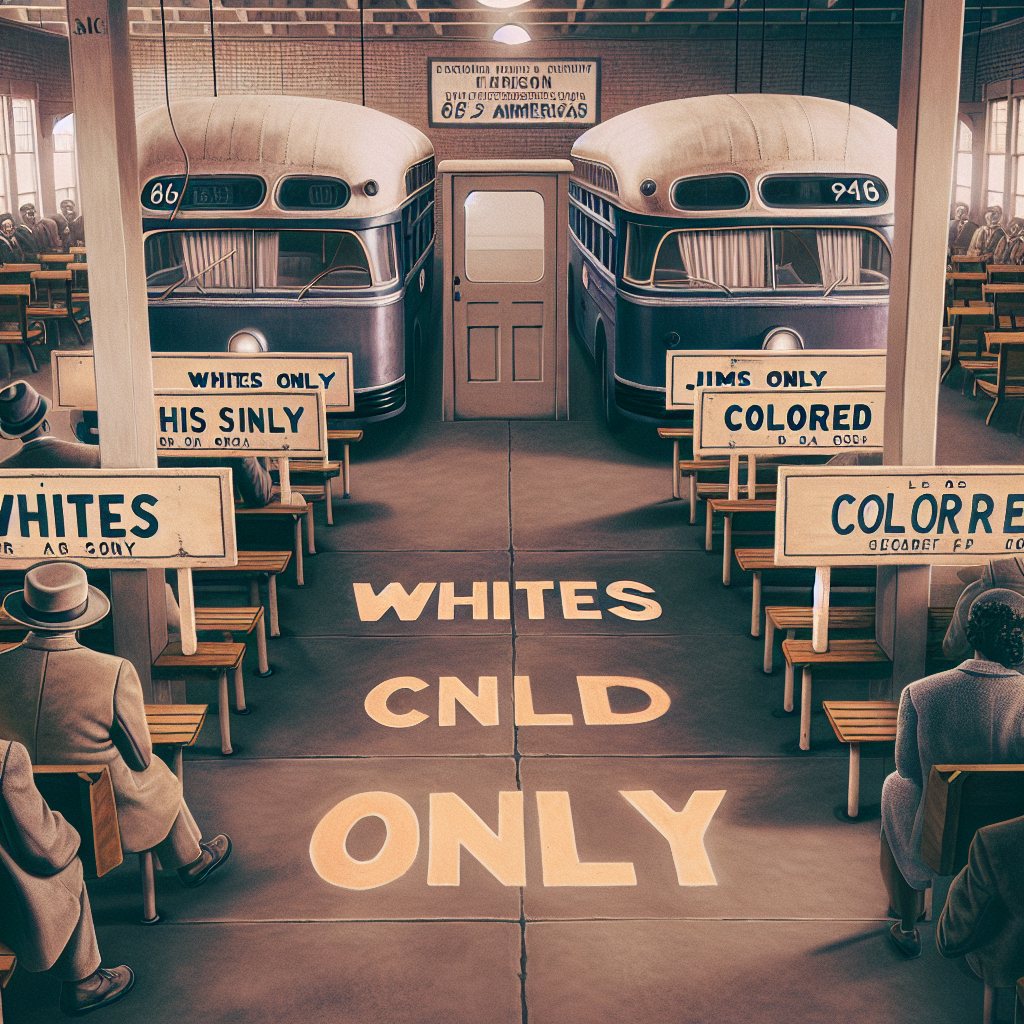
The Lost Cause was not passive nostalgia — it was an organized cultural and political project. Confederate veterans' organizations, the United Daughters of the Confederacy, and Southern state governments worked systematically to shape how the war was taught in schools, commemorated in public spaces, and represented in popular culture. Between the 1890s and the 1960s, hundreds of Confederate monuments were erected across the South — and notably, the largest and most prominent ones were built not in the 1870s, when veterans were burying their dead, but in the 1890s through 1920s, during the peak years of Jim Crow disenfranchisement, and again in the 1950s and 1960s, during the Civil Rights Movement. The timing was not coincidental.
The Lost Cause achieved its most visible cultural triumphs with the 1915 film Birth of a Nation — which depicted Reconstruction as catastrophe and the Ku Klux Klan as heroic — and with Margaret Mitchell's 1936 novel Gone with the Wind, which romanticized plantation life with a thoroughness that required the mythology for its emotional coherence. The argument about Confederate monuments that intensified after the 2015 Charleston church massacre and the 2017 Charlottesville violence made clear what scholars had long maintained: the Lost Cause was never a historical dispute. It was a political one, conducted with historical materials, and it has never been fully resolved.
| Origin | Late 1860s–1870s — Confederate veterans' writings and organizations |
| Key Institutions | United Daughters of the Confederacy; Sons of Confederate Veterans |
| Core Claims | Secession was about states' rights, not slavery; Confederate soldiers were noble; Reconstruction was corrupt |
| Key Cultural Works | Birth of a Nation (film, 1915); Gone with the Wind (novel, 1936) |
| Monument Peaks | 1890s–1920s (Jim Crow era) and 1950s–1960s (Civil Rights era) |
| Academic Status | Confederate secession documents explicitly cite slavery as the cause |
| Years | 1865 |
| Location | United States (primarily former Confederate states) |