Civil Rights Act of 1875
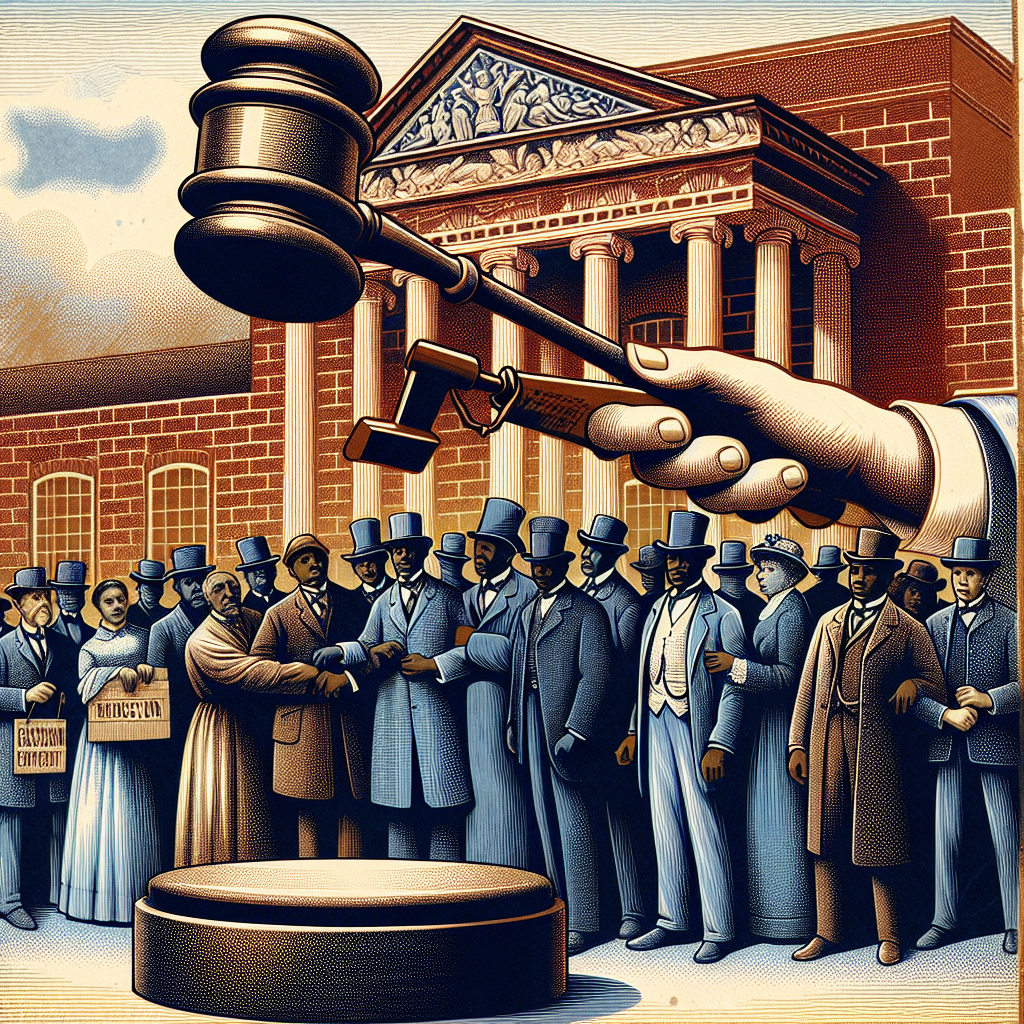
The Civil Rights Act of 1875 was the last act of a dying political will. Massachusetts Senator Charles Sumner had introduced the bill in 1870, and it had been stalled, weakened, and argued over for five years before passing in March 1875 — three months after Sumner's death, as a tribute to him. The law guaranteed all persons, regardless of race, equal access to public accommodations: inns, railroads, theaters, and places of public amusement. It was the most ambitious assertion of Black civil equality enacted during Reconstruction, and it lasted eight years.
The Supreme Court struck it down in the Civil Rights Cases of 1883, ruling 8-1 that the 14th Amendment's equal protection clause prohibited discrimination by state governments but not by private individuals or businesses. The lone dissenter was Justice John Marshall Harlan — a former slaveholder from Kentucky — who argued that the ruling effectively nullified the 13th and 14th Amendments' promise of genuine freedom. His dissent would anchor the legal arguments of civil rights advocates for the next 80 years. The majority's logic became the constitutional scaffolding for Jim Crow.
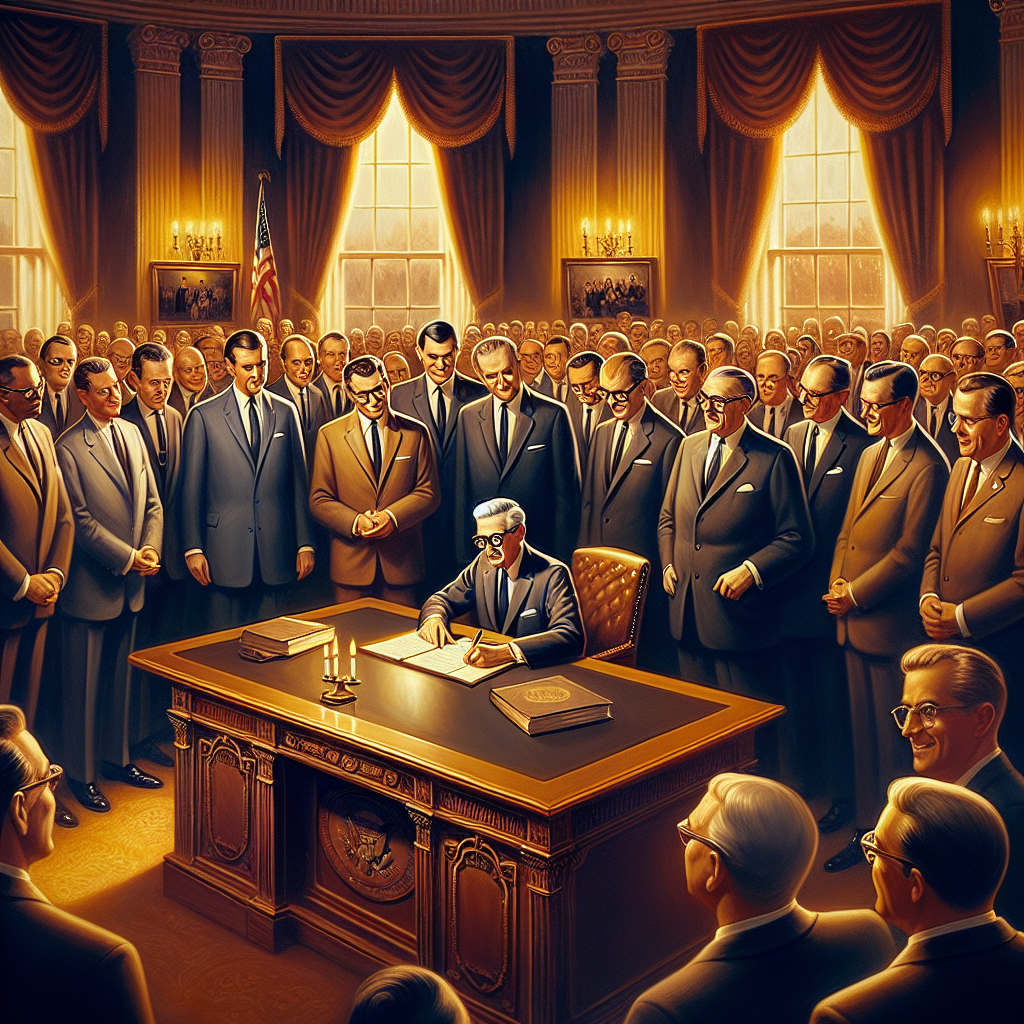
The 89 years between the Civil Rights Cases and the Civil Rights Act of 1964 were filled with the consequences of that 8-1 ruling. Separate railroad cars, separate waiting rooms, separate lunch counters, separate schools — all of it constitutionally protected as private choice rather than state-mandated inequality. The Freedom Riders were testing what the 1875 Act had promised and the 1883 ruling had taken away. When Lyndon Johnson signed the Civil Rights Act of 1964, he was finally replacing a law that had been dead for longer than most living Americans had been alive.



| Enacted | March 1, 1875 |
| Champion | Senator Charles Sumner (died March 11, 1874 — before passage) |
| Provisions | Equal access to public accommodations regardless of race |
| Struck down | Civil Rights Cases, 1883 (8-1 Supreme Court ruling) |
| Lone dissenter | Justice John Marshall Harlan |
| Replaced by | Civil Rights Act of 1964 — 89 years later |
| Date | Enacted March 1, 1875 |
| Location | Washington, D.C. |