Freedmen's Bureau
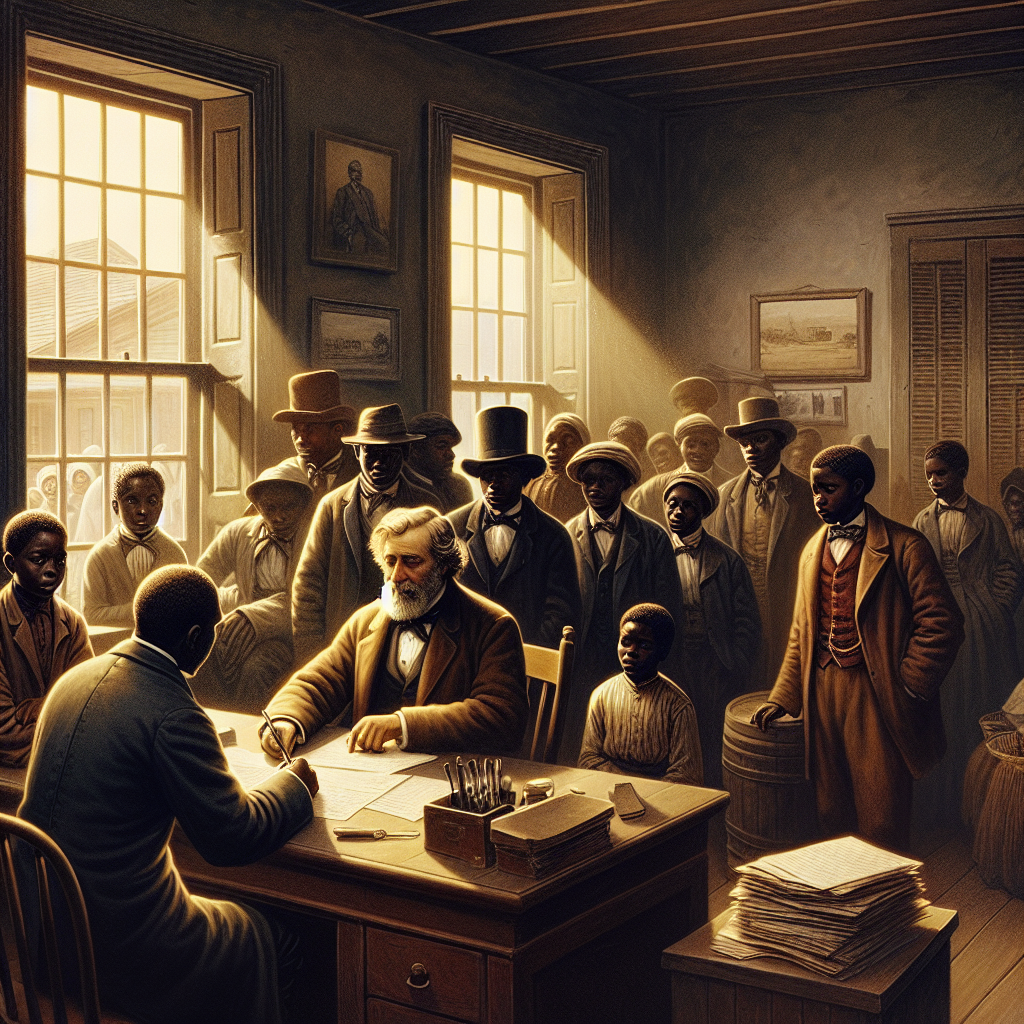
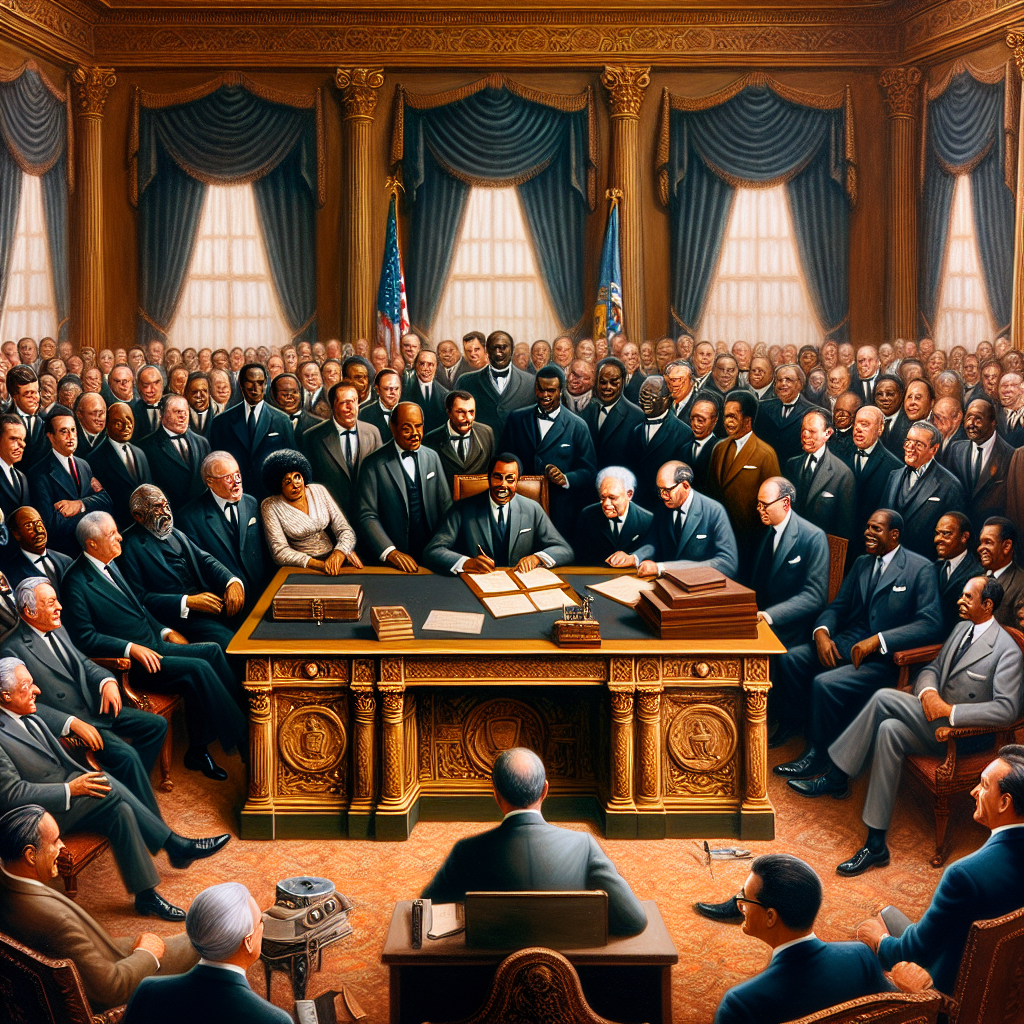
When Congress established the Bureau of Refugees, Freedmen, and Abandoned Lands in March 1865, it created something the United States had never before attempted: a federal agency charged with managing the transition of four million people from slavery to freedom. Placed within the War Department and headed by General Oliver O. Howard — a devout man who ran it with genuine conviction and chronically insufficient resources — the Bureau was given authority over labor contracts, legal disputes, land redistribution, and education across the former Confederate states. It was, in conception, a social welfare agency with military backing. In practice, it was underfunded from birth and opposed at every turn.
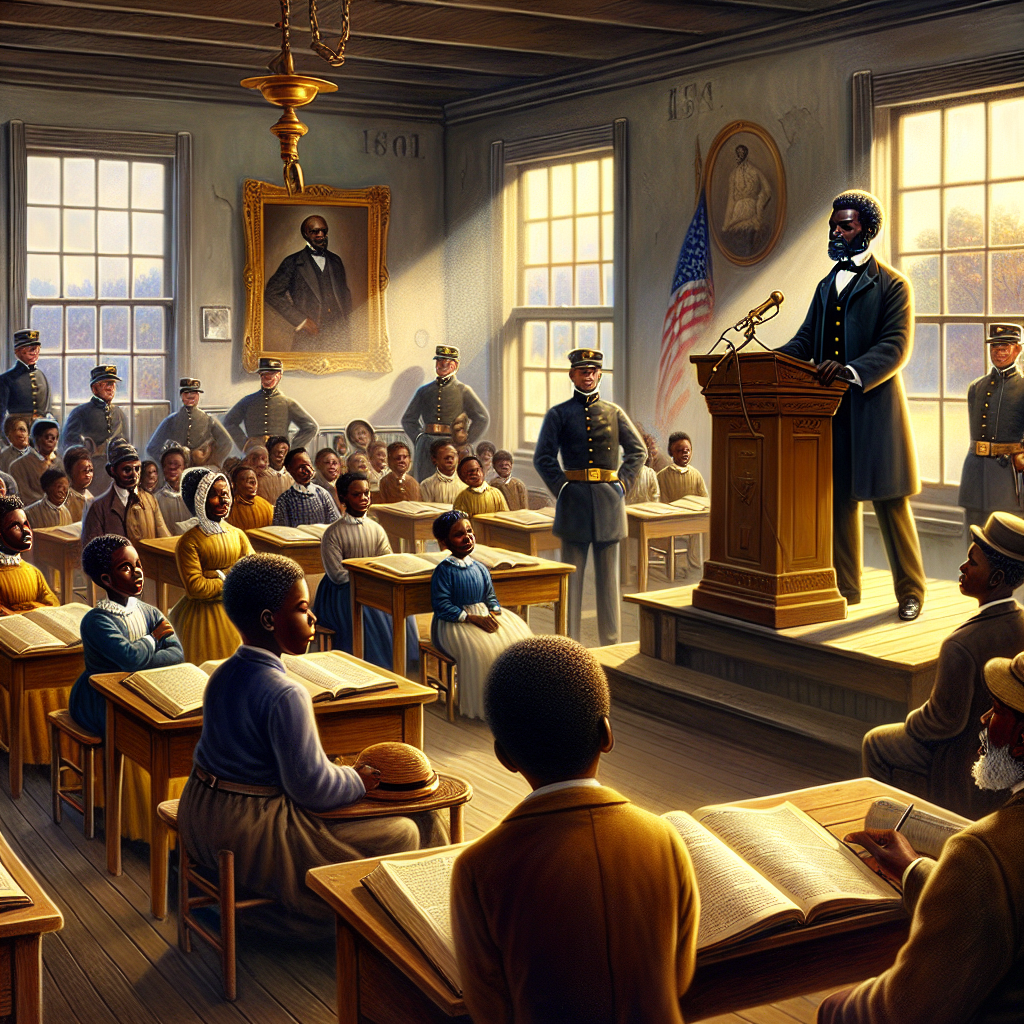
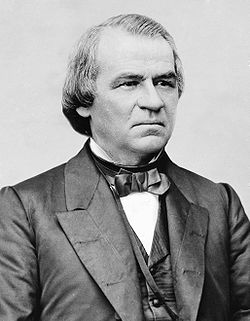
The Bureau's achievements were real. It established or assisted more than 1,000 schools for freedpeople across the South, founded Howard University, and negotiated labor contracts that gave formerly enslaved people at least nominal legal standing. Its agents intervened in thousands of cases where freedpeople were being cheated, coerced, or violently abused by former enslavers who regarded emancipation as a technicality to be managed. But Andrew Johnson's hostility gutted its authority at every opportunity. He vetoed funding bills twice — Congress overrode him both times — and his lenient Reconstruction policies restored former Confederates to power before the Bureau could consolidate any gains on the ground.
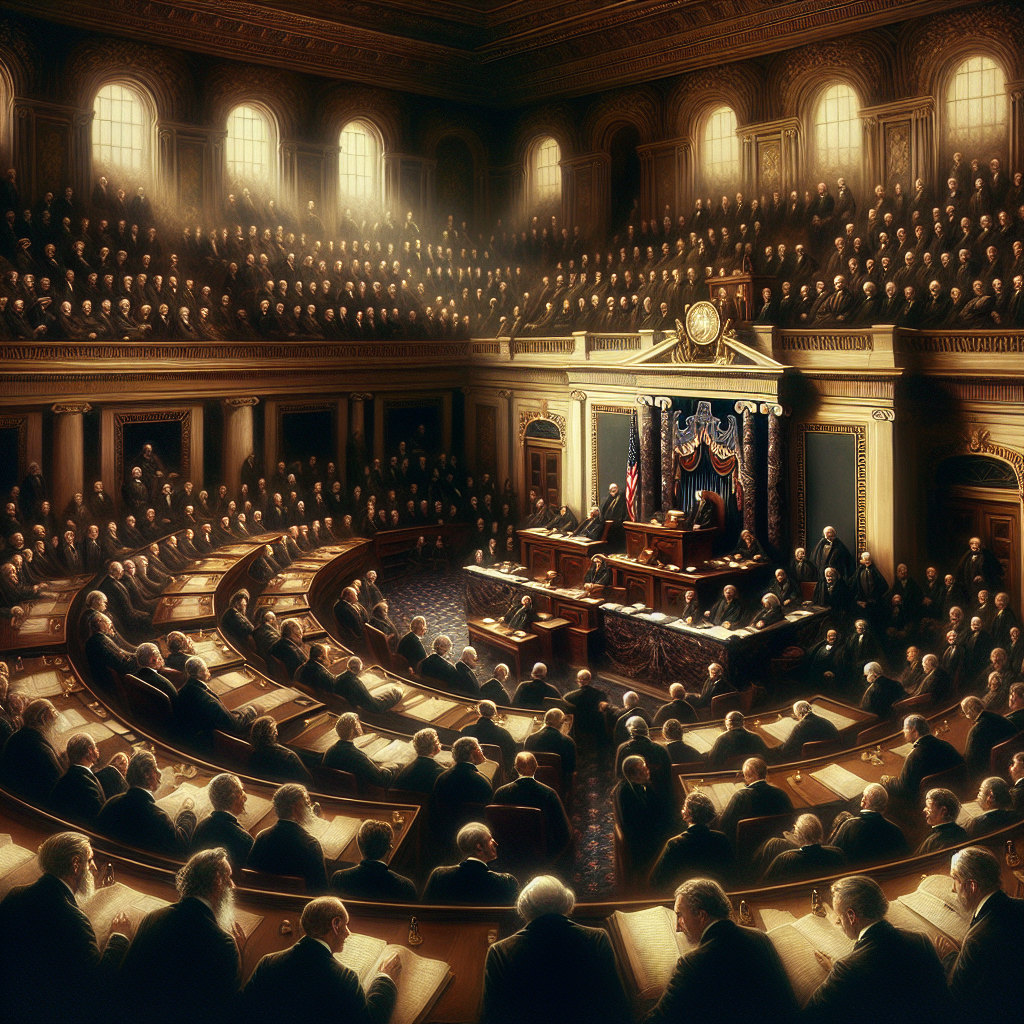
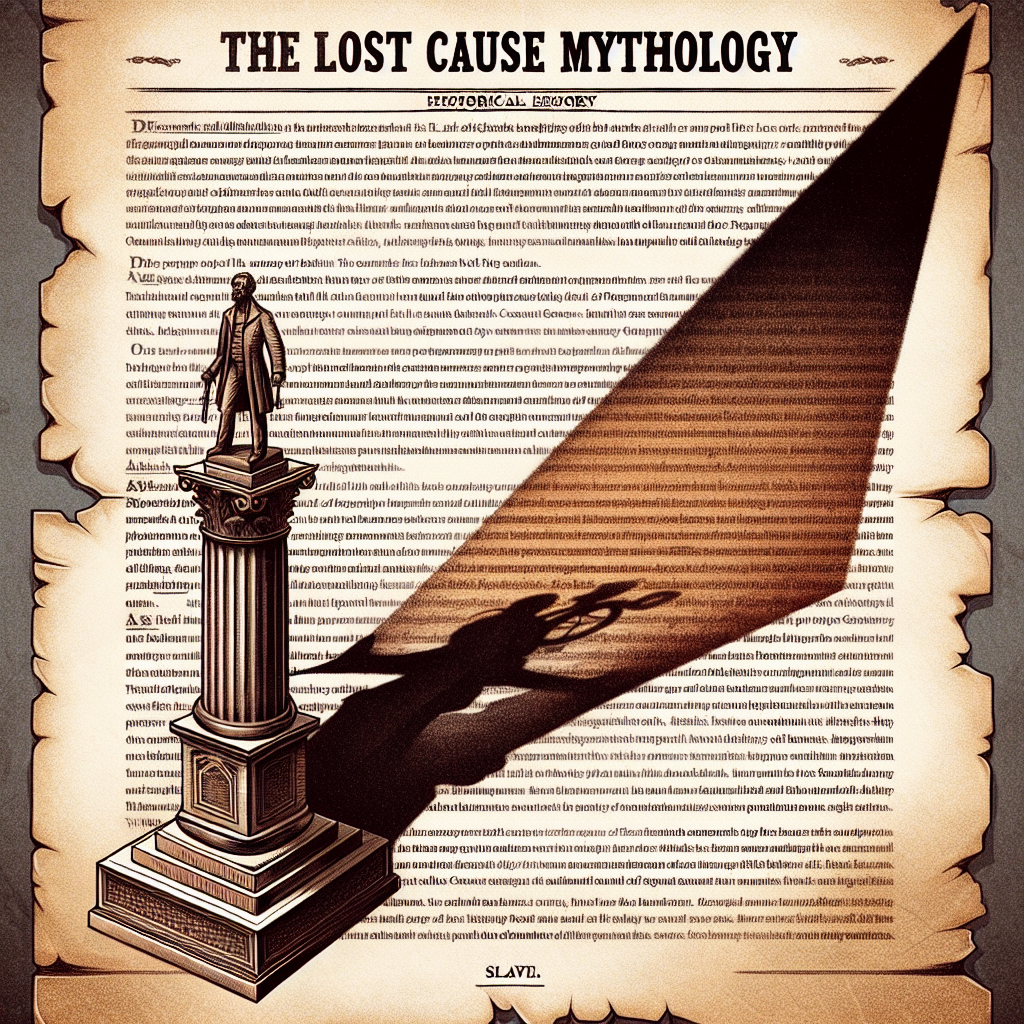
Congress defunded the Bureau in 1872, three years before Reconstruction itself collapsed. The land reform that might have given freedpeople genuine economic independence — the "forty acres" that Bureau agents had tentatively distributed in 1865 — was rescinded by Johnson, who returned confiscated Confederate land to its former owners. Historians who have studied the period closely tend to argue that the Bureau did not fail so much as it was dismantled. It was not an experiment whose results came in negative. It was an experiment the country chose to abandon before the results could come in at all.
| Established | March 3, 1865 |
| Full Name | Bureau of Refugees, Freedmen, and Abandoned Lands |
| Commissioner | General Oliver O. Howard |
| Jurisdiction | Former Confederate states |
| Schools | Over 1,000 schools founded or assisted, including Howard University |
| Land Reform | "Forty acres" distribution rescinded by President Johnson, 1865 |
| Disbanded | 1872 — defunded amid Reconstruction's collapse |
| Years | 1865–1872 |
| Location | Washington, D.C. / Former Confederate States |