Impeachment of Andrew Johnson
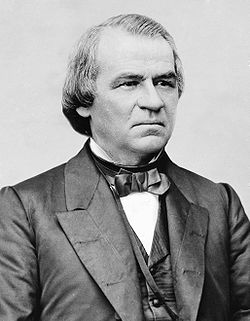
Andrew Johnson was the wrong man for the most consequential moment in American political history. A Tennessee Democrat who had remained loyal to the Union when his state seceded, he had been placed on the 1864 ticket as a gesture of national unity and found himself president six weeks into Lincoln's second term, after an assassin's bullet made the gesture permanent. Johnson had no sympathy for the freedpeople Lincoln had emancipated and no interest in the Republican-led Reconstruction program — and he spent the next three years doing everything within his executive power to obstruct it, vetoing civil rights legislation, undermining the Freedmen's Bureau, and restoring former Confederates to political power across the South.
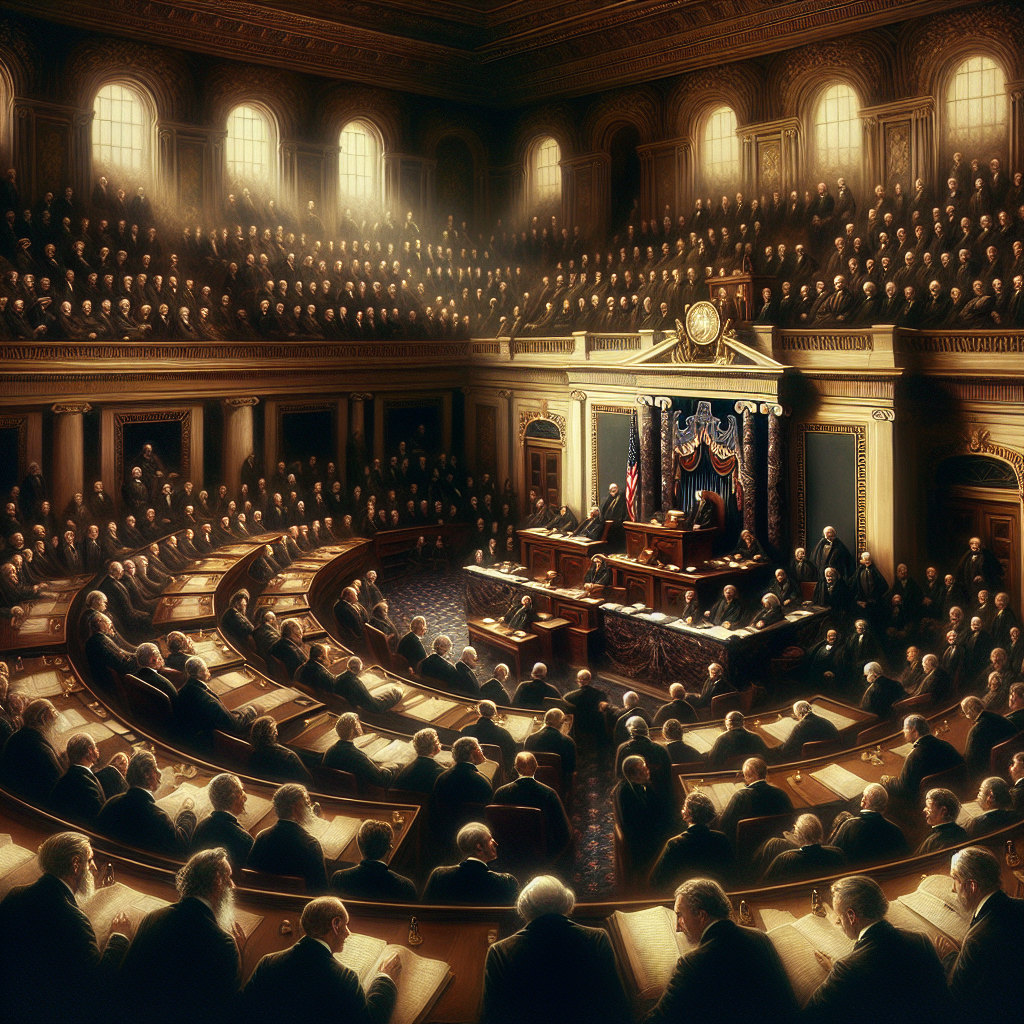
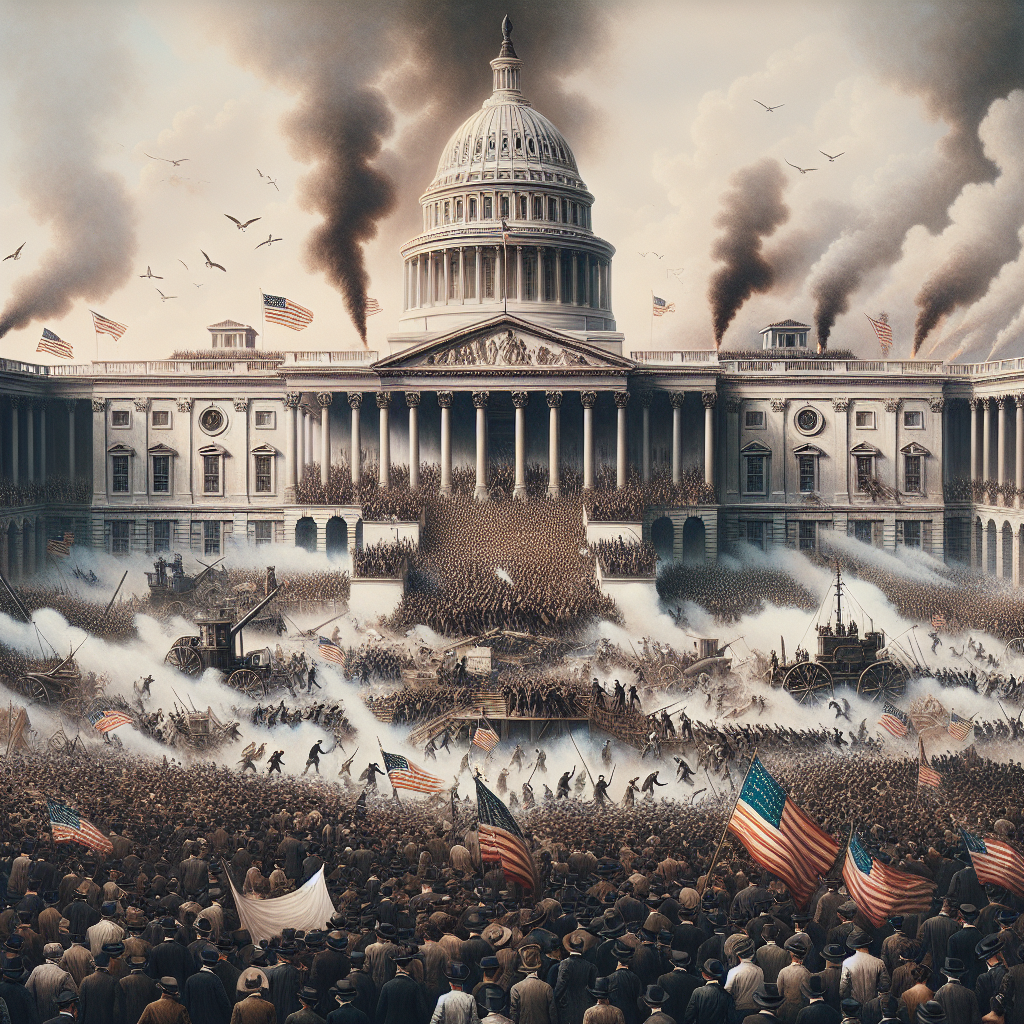
By 1867, the conflict between Johnson and the Radical Republicans had escalated beyond normal political combat. Congress passed the Tenure of Office Act — prohibiting the president from removing cabinet members without Senate approval — a law of questionable constitutionality, designed specifically as a trap. Johnson walked into it in February 1868 by dismissing Secretary of War Edwin Stanton, who had been providing Radical Republicans with inside information on the administration's plans. The House voted to impeach Johnson on 11 articles, most centered on the Stanton dismissal, and the first presidential impeachment trial in American history opened in the Senate.
Conviction required a two-thirds majority; the result was 35–19 to convict — one vote short. Seven Republican senators broke with their party to vote for acquittal, knowing it would likely end their careers, and for most of them it did. Whether they were motivated by constitutional principle, distaste for the Radical program, or deals made in the weeks before the vote is still debated. Johnson served out his term without further political power, and Reconstruction limped forward without the executive support that might have secured its gains. The impeachment weapon, used once and failed, would not be aimed at a president again for 130 years.
| Impeached | February 24, 1868 — by the House of Representatives |
| Articles | 11 — primarily violation of the Tenure of Office Act |
| Trigger | Dismissal of Secretary of War Edwin Stanton without Senate consent |
| Senate Vote | 35–19 to convict — one vote short of the two-thirds required |
| Outcome | Acquitted; Johnson completed his term |
| Dissenters | 7 Republican senators crossed party lines to acquit |
| Next Impeachment | Bill Clinton, 1998 — 130 years later |
| Date | February 24, 1868 |
| Location | Washington, D.C. |