Harriet Tubman
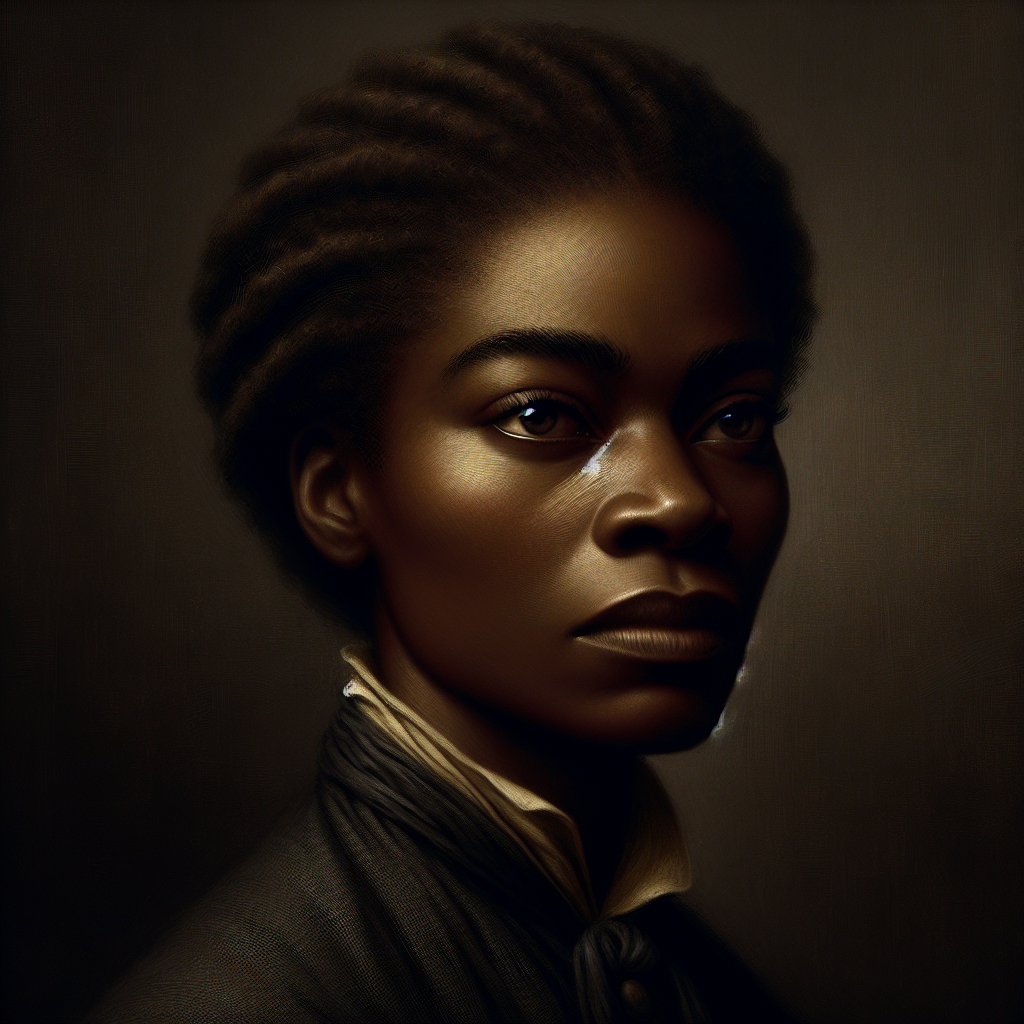
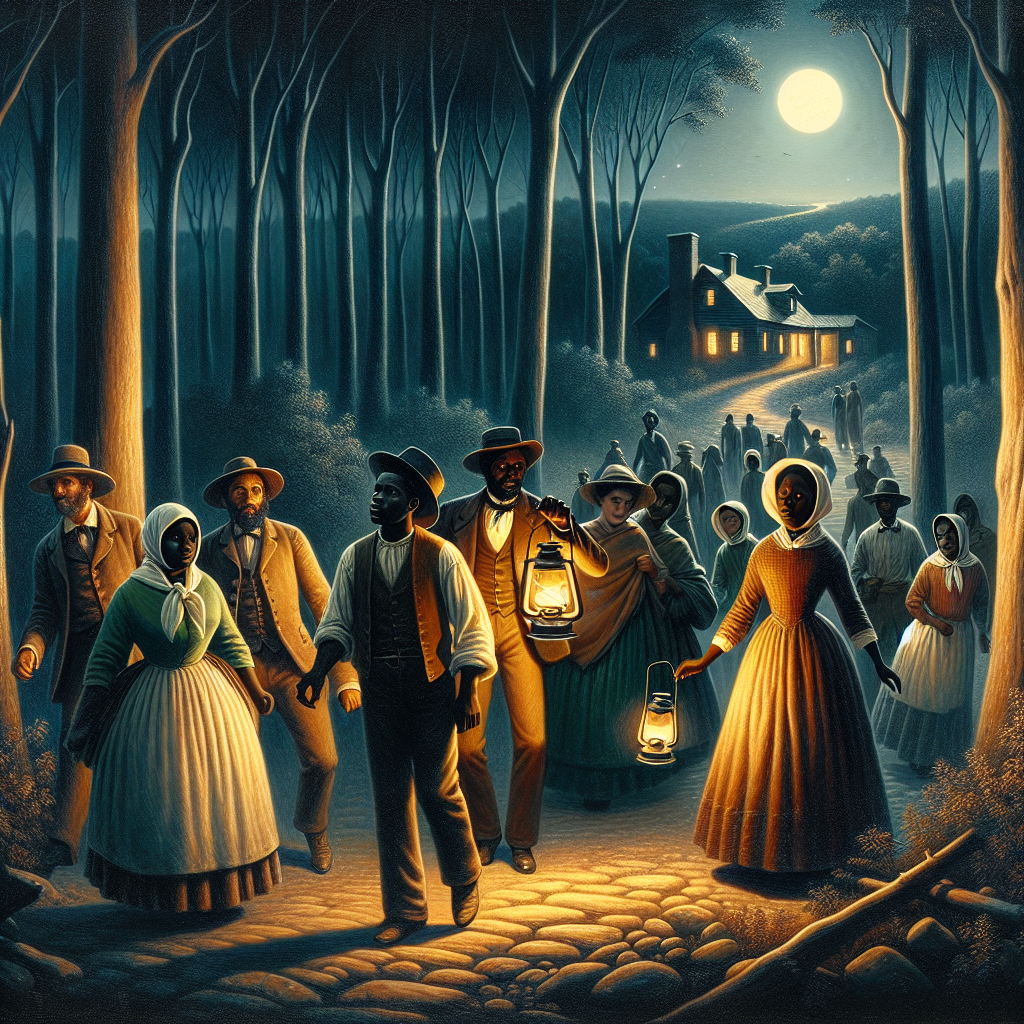
Harriet Tubman escaped slavery in 1849 by walking nearly 90 miles north through Maryland alone, at night, following the stars. Then she went back. Over the next decade she returned to the South 13 times, guiding approximately 70 enslaved people to freedom along the Underground Railroad, while a reward for her capture climbed to $40,000 — the equivalent of more than $1 million today. She never lost a passenger.
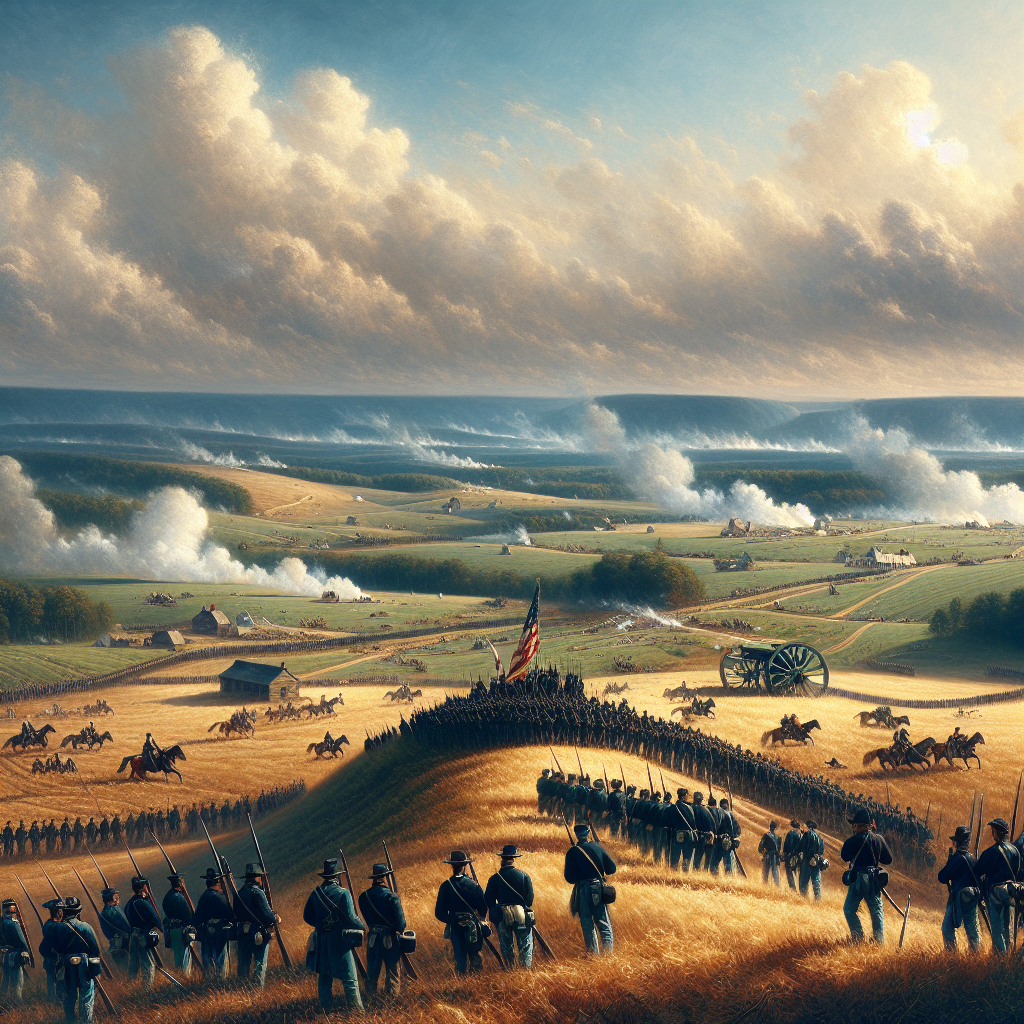
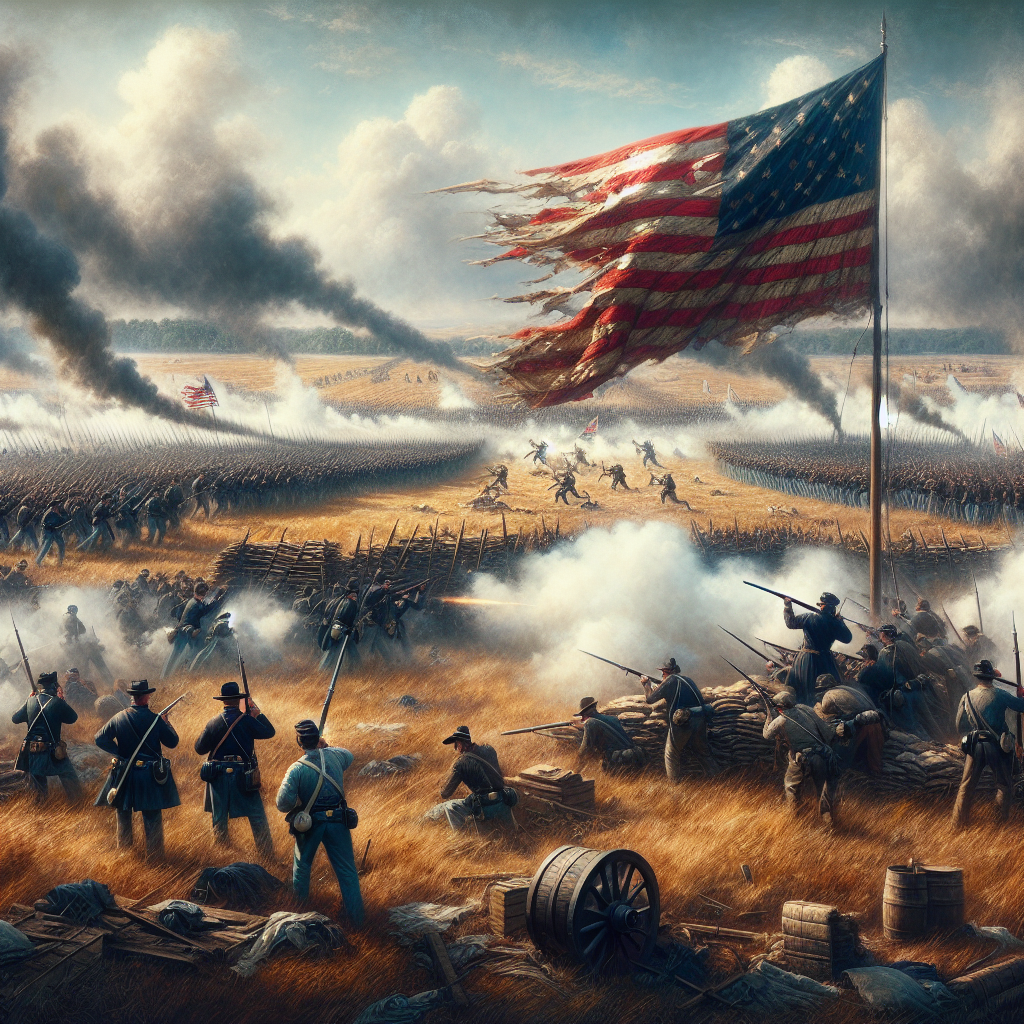
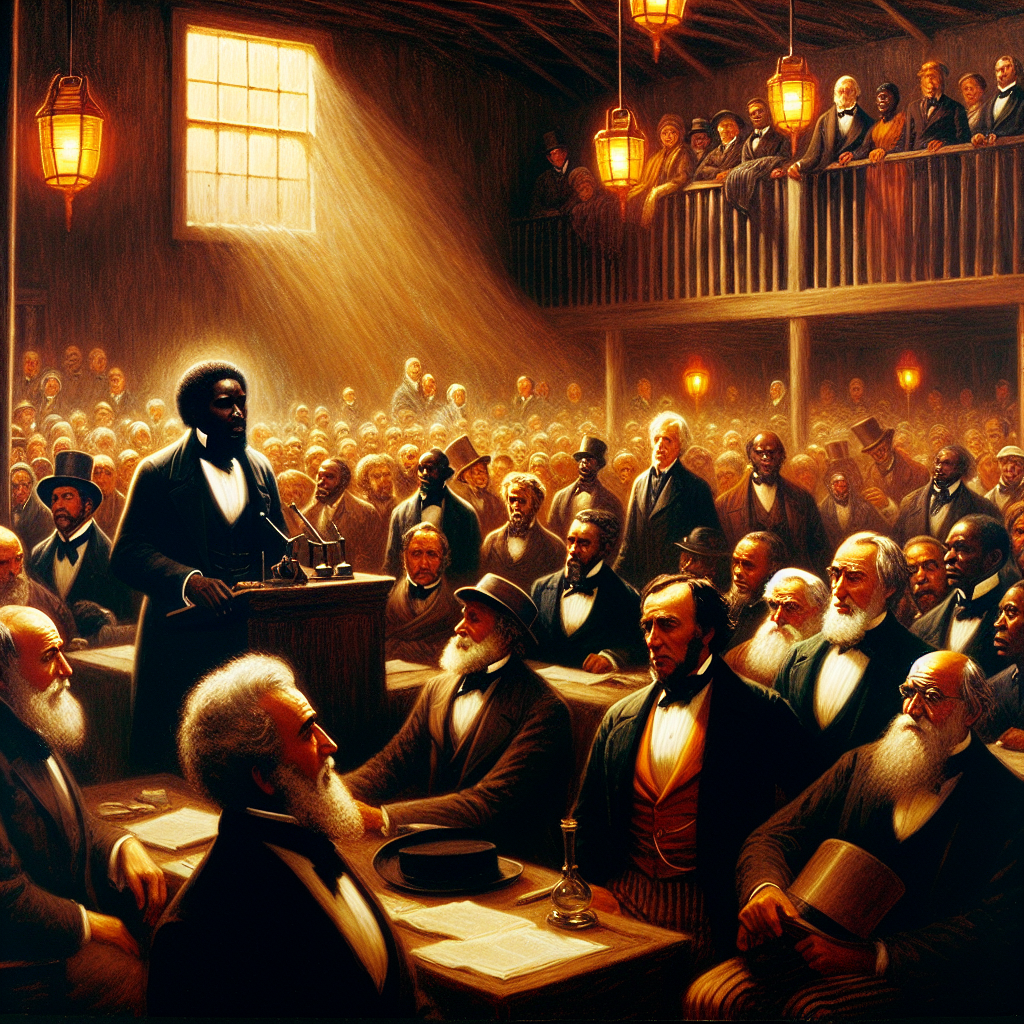
When the Civil War began, Tubman's work shifted from clandestine rescue to military intelligence. She served the Union Army in South Carolina as a spy and scout, recruiting a network of informants behind Confederate lines. In June 1863, she guided Colonel James Montgomery's raid up the Combahee River, liberating more than 700 enslaved people in a single night — making her the first woman in American history to lead an armed military assault. After the war she campaigned for women's suffrage alongside Susan B. Anthony, testifying at conventions into her eighties.
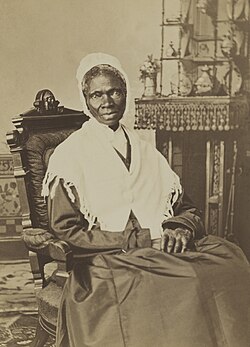
Tubman spent her final years in Auburn, New York, founding a home for elderly African Americans. She applied for a military pension for decades; Congress finally approved $20 a month in 1899. She died in 1913, telling the friends gathered around her, "I go to prepare a place for you." Her face is scheduled to appear on the $20 bill, replacing Andrew Jackson — a reversal freighted with symbolism.

| Born | c. 1822 — Dorchester County, Maryland |
| Died | March 10, 1913 — Auburn, New York |
| Birth name | Araminta Ross |
| Role | Abolitionist, Union spy, suffragist |
| Underground Railroad | ~13 missions, ~70 people freed |
| Key military action | Combahee River Raid, June 2, 1863 |
| Awards | Congressional Gold Medal (2024, posthumous) |
| Years | 1822–1913 |
| Location | Dorchester County, Maryland |