Booker T. Washington
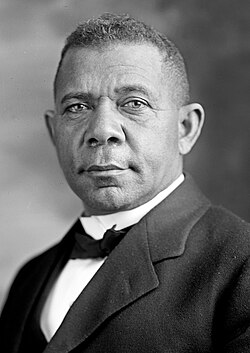
Booker T. Washington was born into slavery on a Virginia tobacco farm and died as the most influential Black American of his era — a span that included Emancipation, the violence of Jim Crow, and the founding of one of the most significant educational institutions in American history. His story of self-made achievement was so useful to the nation's preferred narrative that Washington wielded genuine political power, while the system his accommodations helped stabilize continued grinding down the people he claimed to represent.
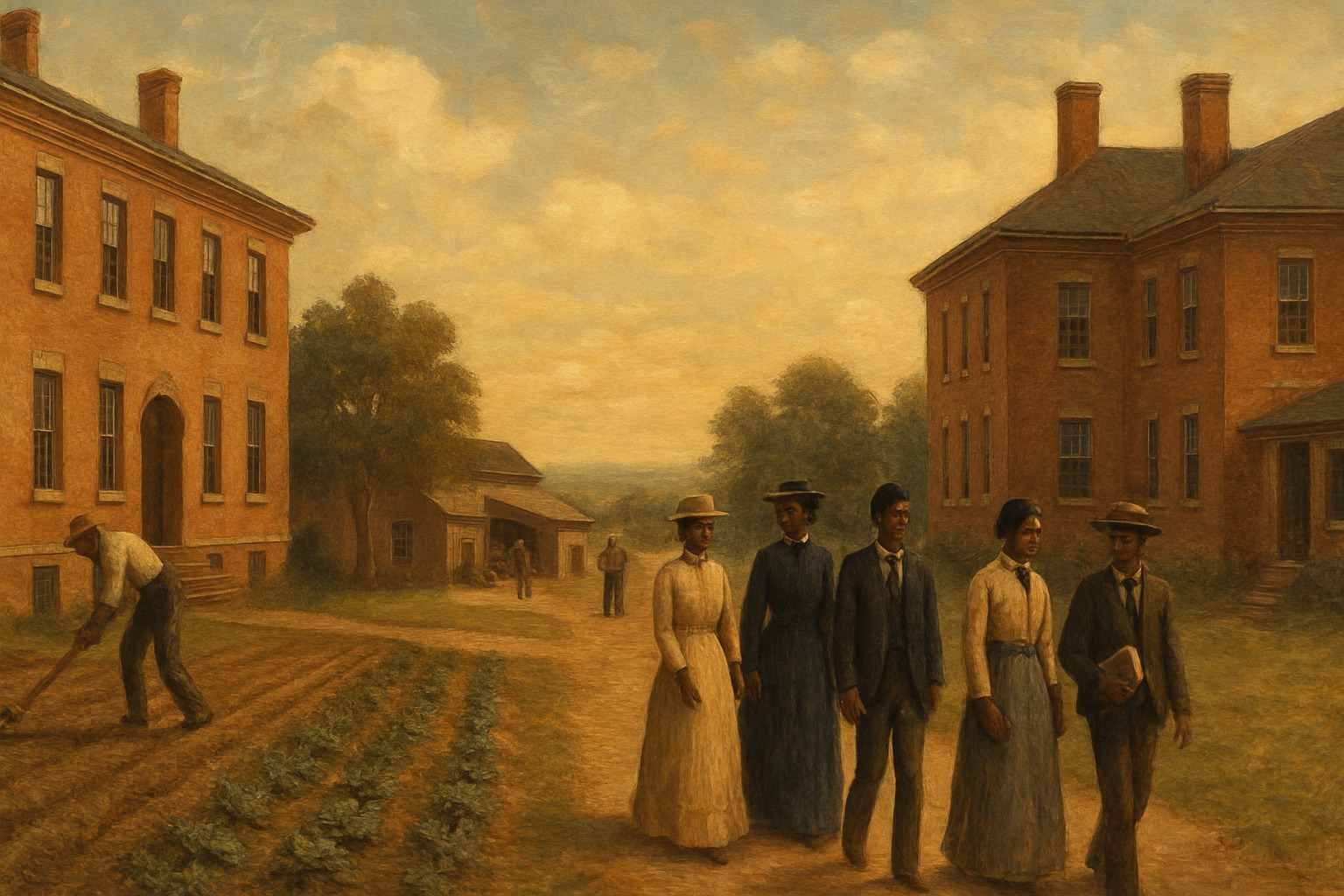
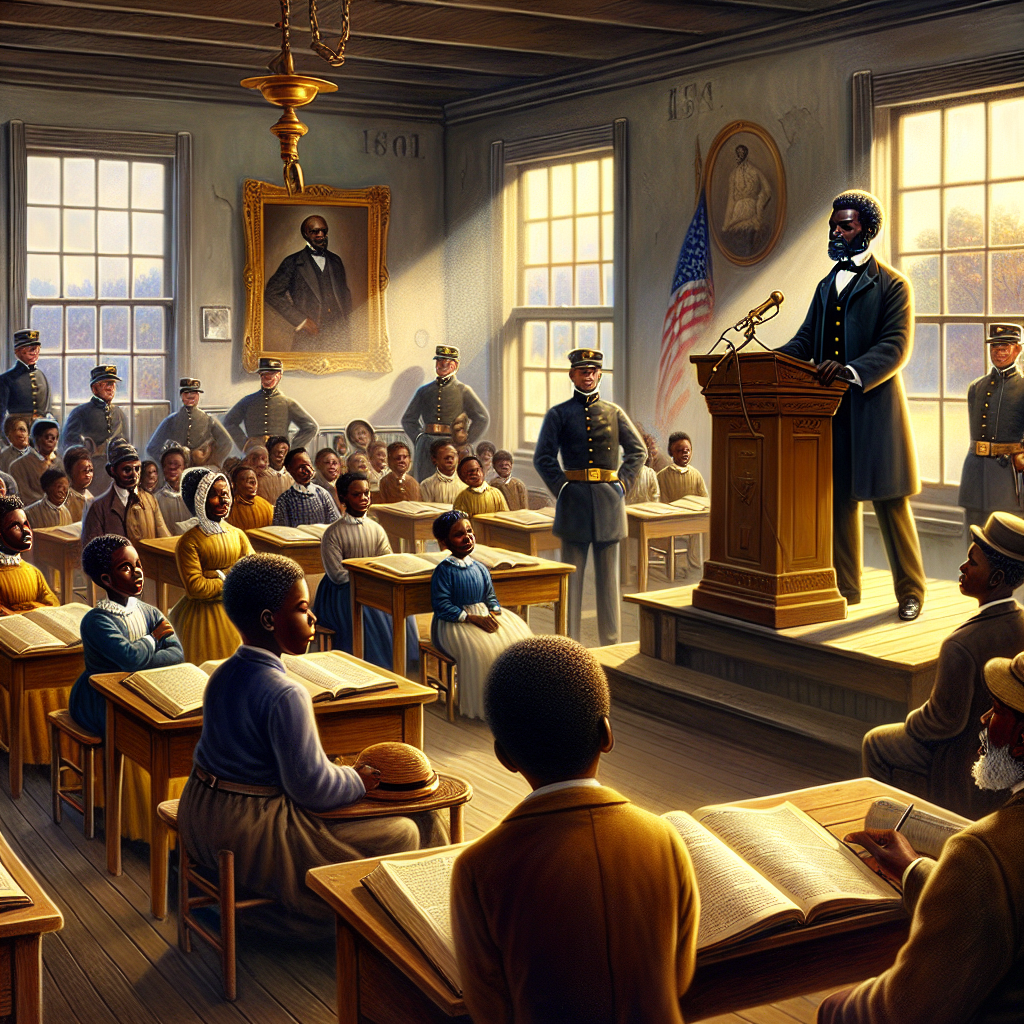
Washington founded the Tuskegee Institute in Alabama in 1881, building an institution that trained Black students in skilled trades and practical agriculture. His 1895 Atlanta Compromise speech, delivered to a predominantly white audience, urged Black Americans to accept political disenfranchisement in exchange for economic opportunity. White philanthropists and presidents embraced him. W.E.B. Du Bois called his position capitulation. Washington argued that economic self-sufficiency had to precede political equality. Du Bois argued that no economic ground could be held without political rights to defend it.
Washington's public accommodationism concealed a more complex private record. He secretly funded legal challenges to segregation and disenfranchisement laws while preaching patience from the podium. Through a patronage network known as the "Tuskegee Machine," he influenced Black newspaper appointments, political jobs, and philanthropic grants — controlling the landscape of Black public life even as he insisted he wanted no political role.

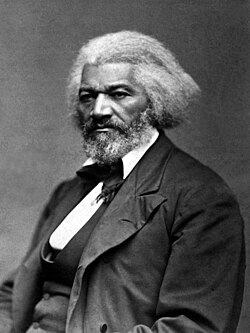
| Born | c. April 5, 1856 — Hales Ford, Virginia |
| Died | November 14, 1915 — Tuskegee, Alabama |
| Founded | Tuskegee Institute, 1881 |
| Key Speech | Atlanta Compromise, September 18, 1895 |
| Autobiography | Up from Slavery (1901) |
| White House | Dined with President Theodore Roosevelt, 1901 |
| Years | 1856–1915 |
| Location | Tuskegee, Alabama |