Charles Sumner

On May 22, 1856, South Carolina Representative Preston Brooks walked onto the floor of the U.S. Senate and beat Massachusetts Senator Charles Sumner nearly to death with a metal-tipped gutta-percha cane. Sumner had delivered a scathing antislavery speech two days earlier that insulted Brooks' uncle, Senator Andrew Butler of South Carolina. The assault kept Sumner absent from the Senate for three and a half years. Massachusetts re-elected him anyway and left his seat conspicuously empty — a vacant chair that became one of the most powerful political symbols of the antebellum crisis.
Sumner was the Senate's most uncompromising abolitionist voice — erudite, combative, and relentless. A Harvard-educated lawyer who had studied in Europe and corresponded with leading liberals abroad, he brought to the Senate floor a moral seriousness about slavery that colleagues found either inspiring or insufferable, depending almost entirely on their geography. He championed Black civil rights through Reconstruction with the same tenacity, co-authoring the Civil Rights Act of 1875, which prohibited racial discrimination in public accommodations — a law the Supreme Court would strike down in 1883.
The caning became, paradoxically, one of the most effective pieces of antislavery propaganda in American history. In the North, it was read as proof that slavery corrupted not only those it enslaved but those who defended it. In the South, Brooks was celebrated as a hero; admirers sent him commemorative canes. The incident hardened sectional positions and accelerated Republican recruitment in the months before the 1856 presidential election — transforming a physical assault on one senator into a national argument about what kind of country America intended to be.

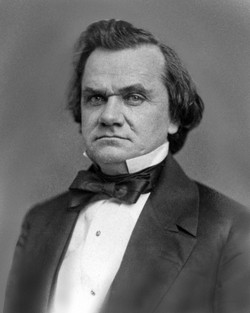

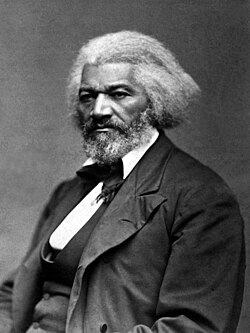
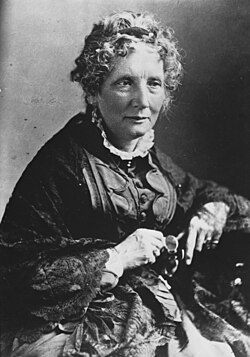

| Born | January 6, 1811 — Boston, Massachusetts |
| Died | March 11, 1874 — Washington, D.C. |
| Office | U.S. Senator from Massachusetts, 1851–1874 |
| Party | Republican (formerly Free Soil) |
| Key Event | Caned on Senate floor by Rep. Preston Brooks, May 22, 1856 |
| Recovery Period | Approx. 3.5 years; seat left vacant by Massachusetts |
| Key Legislation | Co-authored Civil Rights Act of 1875 |
| Years | 1811–1874 |
| Location | Washington, D.C. |