Richmond
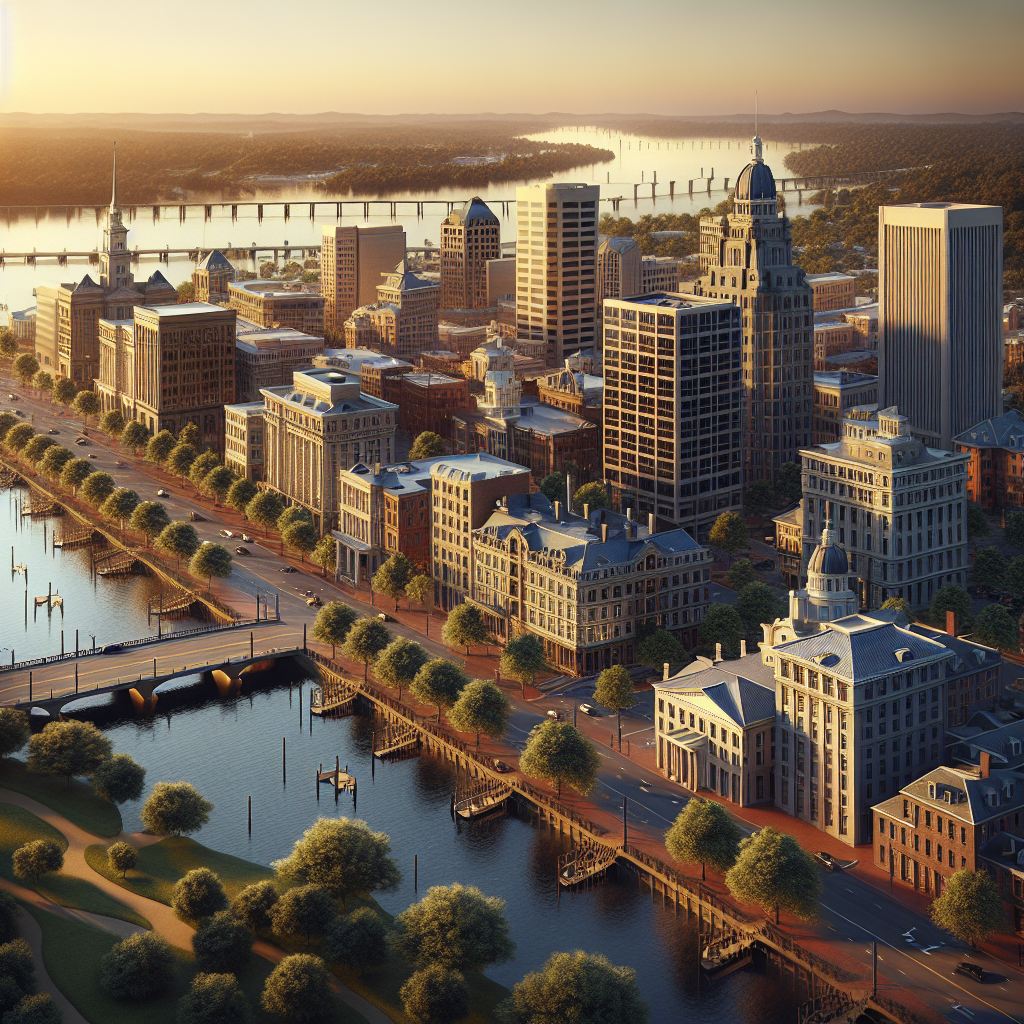
Richmond has been at the center of American history since before there was an American nation. Patrick Henry delivered his Liberty or Death speech to the Second Virginia Convention there in 1775. The city served as the capital of Virginia from 1780, when it replaced Williamsburg. But Richmond's defining historical moment came in February 1861, when it was chosen as the capital of the Confederate States of America — a distinction that placed it at the symbolic and administrative heart of the rebellion and made it the primary strategic objective of the Union army for the next four years.
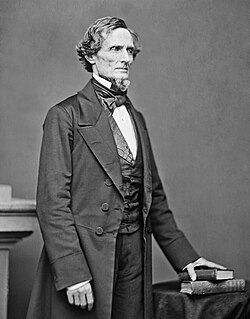
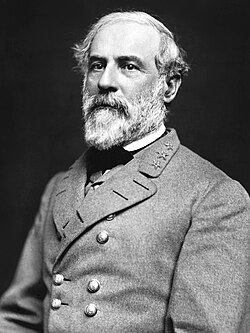
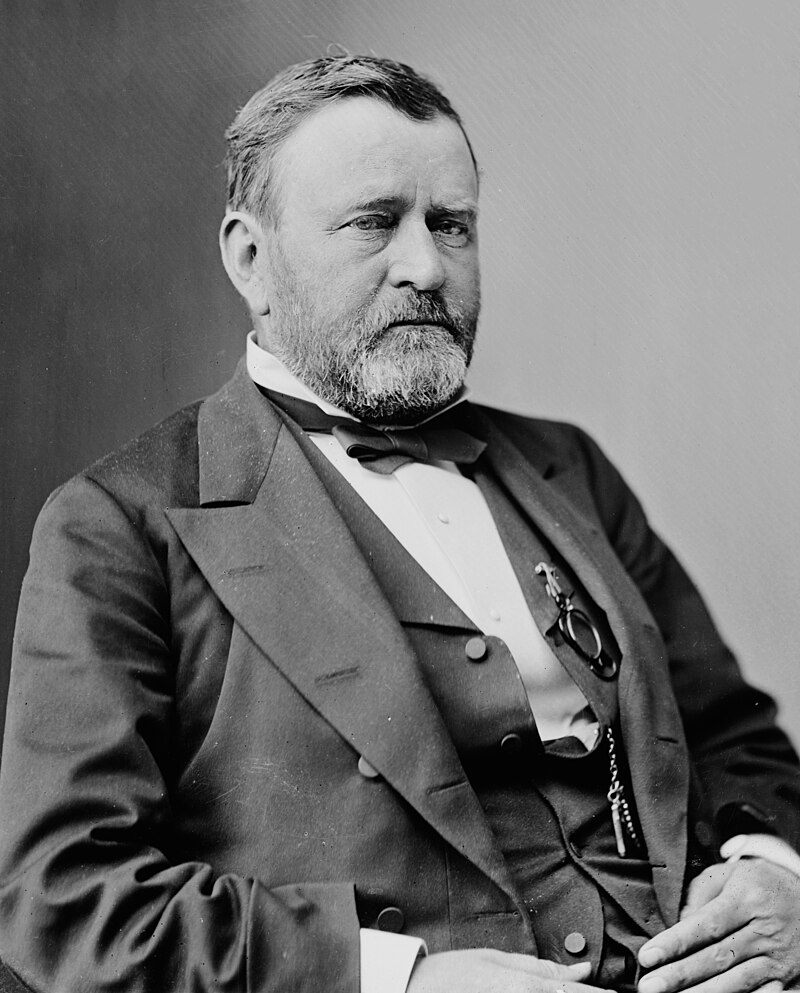
The fall of Richmond on April 2–3, 1865, effectively ended the Civil War. Confederate President Jefferson Davis fled with his cabinet as Union forces entered the city; Confederate troops set fire to warehouses, bridges, and government buildings to prevent their capture, and the fires spread. Abraham Lincoln walked through the smoldering streets of Richmond the next day, surrounded by freed Black residents who recognized him. It was one of the most extraordinary scenes of the war. Lee surrendered to Grant at Appomattox Court House six days later.
Richmond spent the century after the Civil War constructing the most elaborate monument to the Lost Cause of any American city — Monument Avenue, a grand boulevard lined with statues of Robert E. Lee, Stonewall Jackson, J.E.B. Stuart, Jefferson Davis, and Matthew Fontaine Maury. The removal of those monuments between 2020 and 2021, following the death of George Floyd, was one of the most significant acts of public historical reckoning in American history. A statue of Arthur Ashe, the Richmond-born tennis champion and civil rights advocate, was added to Monument Avenue in 1996 and remains.



| Founded | 1737 |
| State | Virginia |
| Confederate capital | February 1861 – April 2, 1865 |
| Fell to Union | April 2–3, 1865; Lincoln visited April 4 |
| Monument Avenue | Confederate statues erected 1890–1929; removed 2020–2021 |
| Notable figure | Arthur Ashe — born Richmond 1943; statue added 1996 |
| Population | Approximately 226,000 city; 1.3 million metro (2020) |
| Years | 1737 |
| Location | Richmond, Virginia |