Thaddeus Stevens
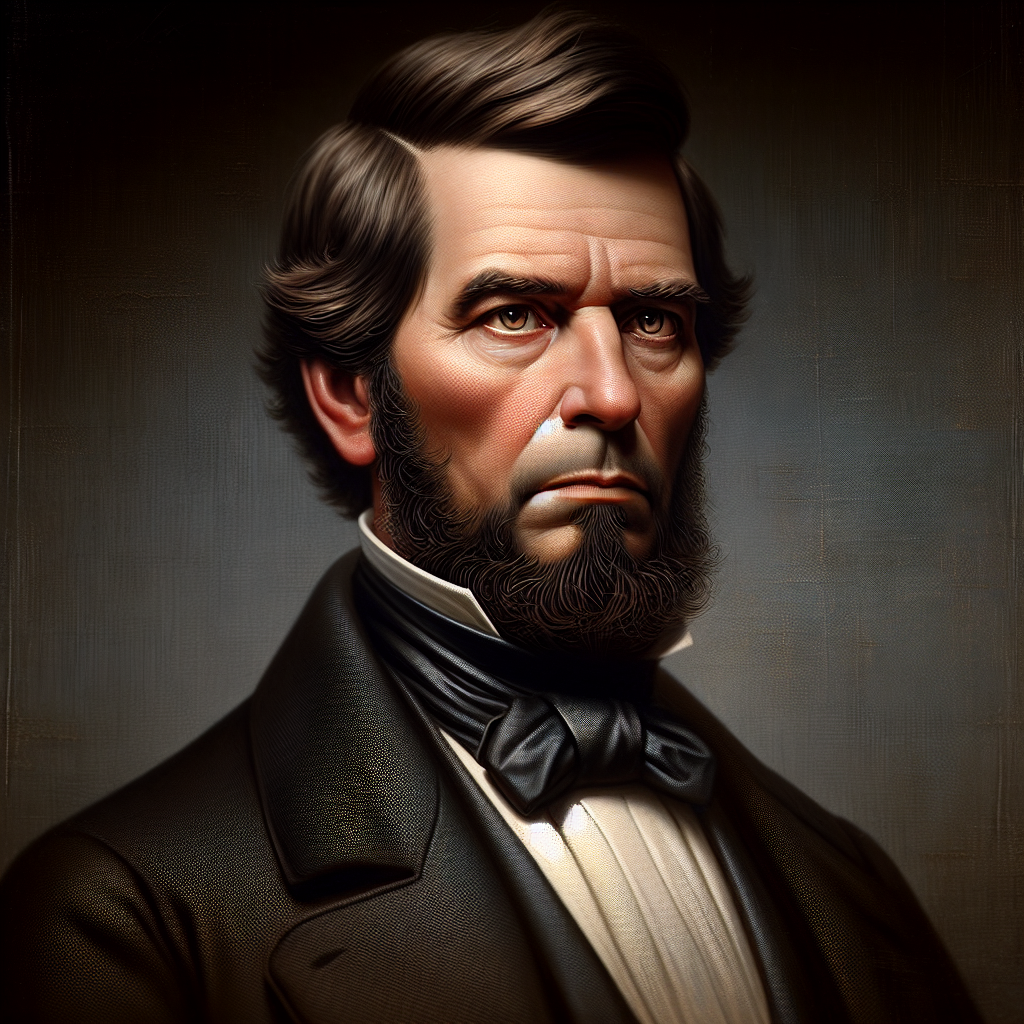
When the Civil War ended, most Northern politicians were ready to welcome the Southern states back into the Union quickly and quietly. Thaddeus Stevens was not. The Pennsylvania congressman who had spent thirty years fighting slavery with more consistency and fury than almost anyone in Washington had no interest in a soft peace. He wanted land redistribution for formerly enslaved people, Black suffrage, and military occupation of the South until genuine equality was established. He got some of it, lost some of it, and spent his final years watching the rest be dismantled.
Stevens arrived in Congress in 1849 already a veteran anti-slavery advocate who had defended escaped slaves pro bono in Pennsylvania courts. As chairman of the House Ways and Means Committee during the Civil War, he was one of the most powerful men in Washington — the chief architect of wartime finance and a relentless driver of emancipation. After the war, as leader of the Radical Republicans, he battled Andrew Johnson over Reconstruction policy at every turn, ultimately managing the House's impeachment of Johnson in 1868.
He never achieved his most ambitious goal — the confiscation of large Southern plantations and their redistribution in 40-acre parcels to freedmen. When Stevens died in August 1868, he was buried in a small integrated cemetery in Lancaster, Pennsylvania — one he had chosen specifically because it did not bar Black burials. The epitaph he wrote for himself explained his choice simply: he had found other cemeteries "limited as to Race by Charter Rules."


| Born | April 4, 1792 — Danville, Vermont |
| Died | August 11, 1868 — Washington, D.C. |
| Role | U.S. Representative (Pennsylvania), 1849–1853, 1859–1868 |
| Party | Whig; later Republican |
| Key Role | Led House impeachment of President Andrew Johnson, 1868 |
| Key Goal | Land redistribution (40 acres) for freedmen — ultimately defeated |
| Date | April 4, 1792 – August 11, 1868 |
| Location | Lancaster, Pennsylvania |