Jim Crow Laws
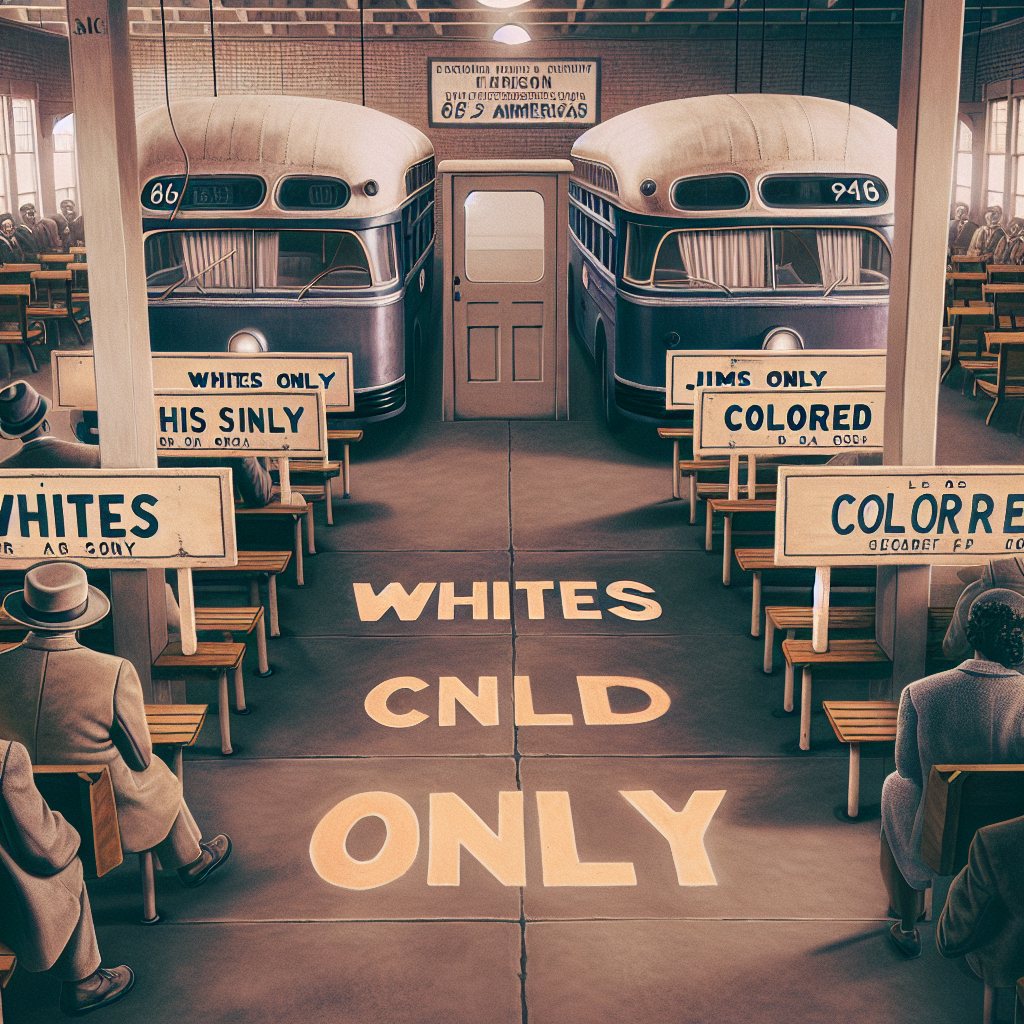
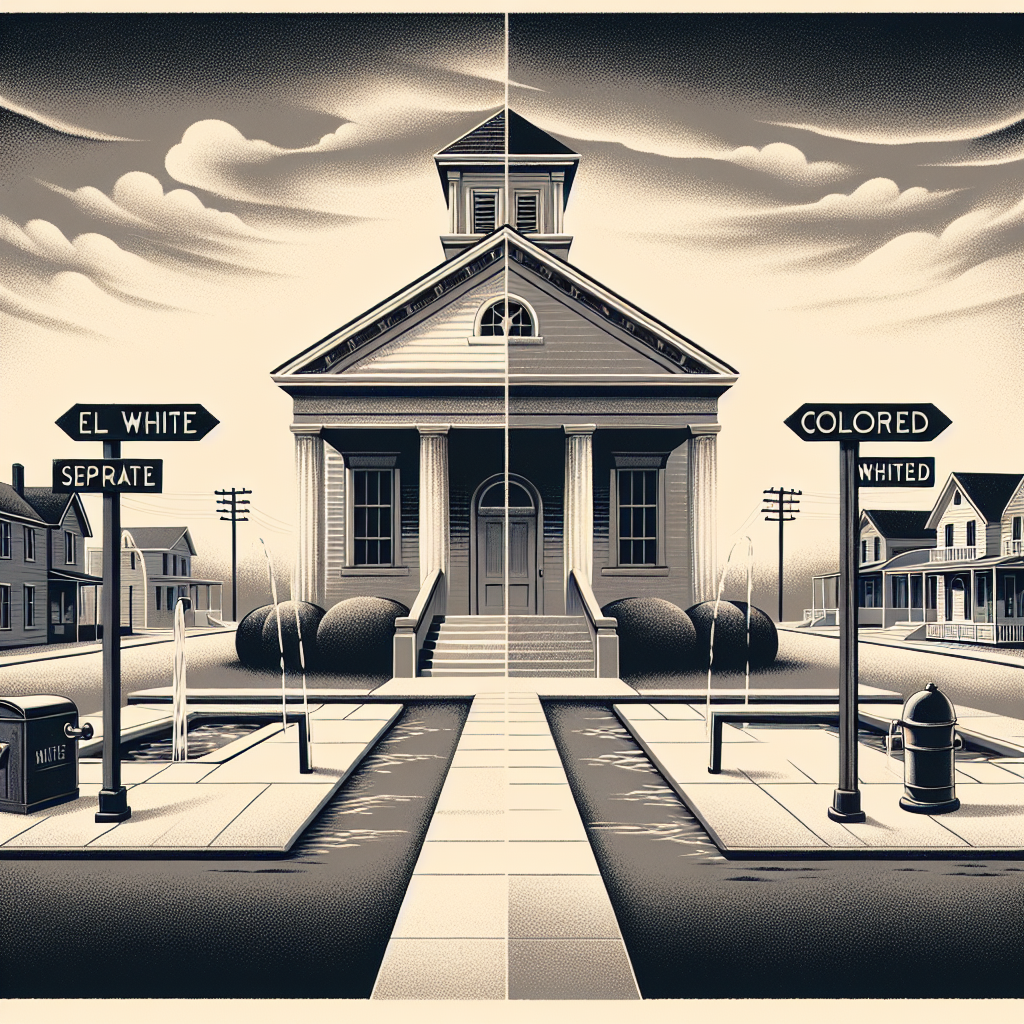
Jim Crow was not a single law but a system — a dense, interlocking web of state and local statutes, backed by violence and social custom, that enforced the racial subordination of Black Americans across the South and beyond for nearly a century. From the end of Reconstruction in 1877 through the Civil Rights Acts of the 1960s, Jim Crow determined where Black Americans could eat, sleep, work, vote, go to school, sit on a train, and be buried. It was American apartheid, and it carried the full endorsement of the United States Supreme Court.
The legal cornerstone was laid by Plessy v. Ferguson in 1896, which enshrined "separate but equal" as constitutional doctrine. What followed was a cascade: literacy tests and poll taxes stripped Black men of the vote; segregated schools and hospitals denied equal services; antimiscegenation laws criminalized interracial marriage; sundown towns expelled Black residents by nightfall. Behind the statutes stood the Ku Klux Klan and the threat of lynching — more than 4,000 documented cases between 1877 and 1950, each one a message directed at the living as much as the dead.
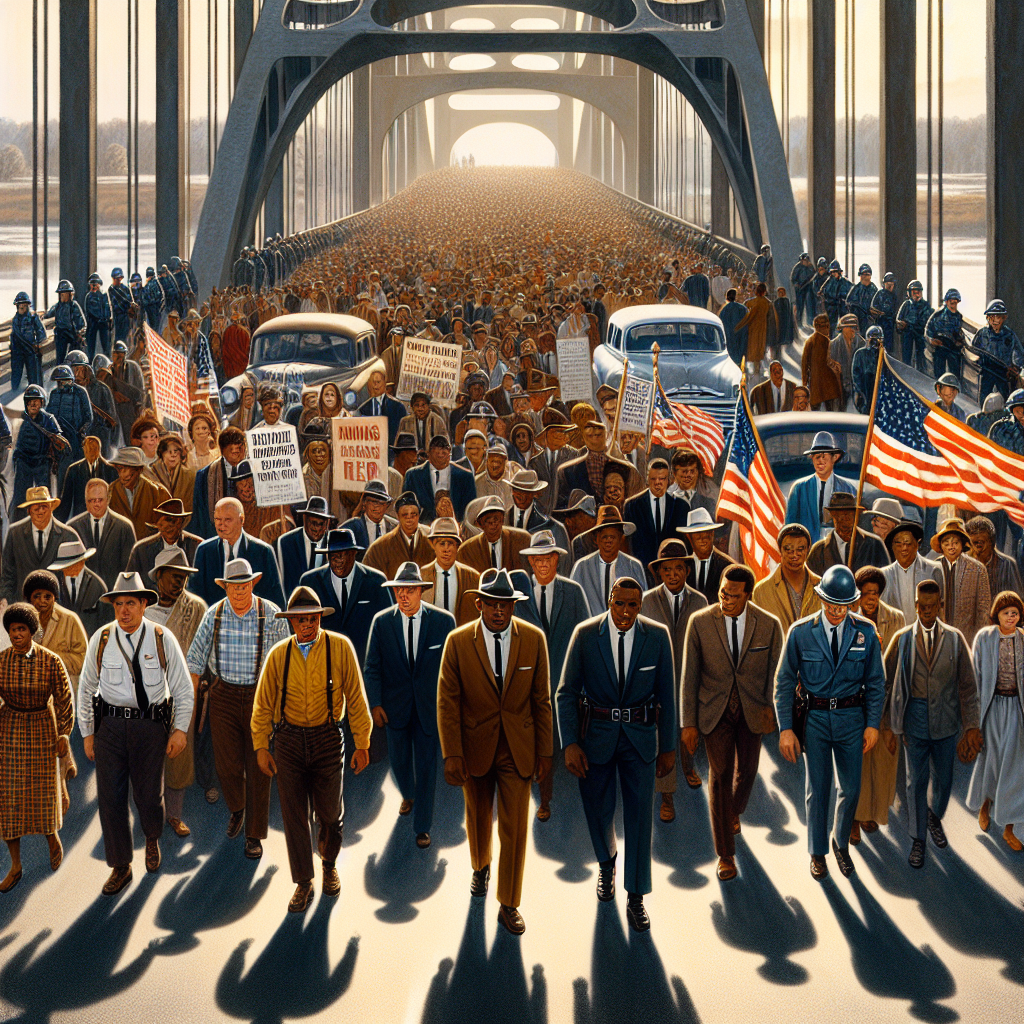
Resistance never stopped. The NAACP challenged segregation in courtrooms for decades, producing Brown v. Board of Education in 1954. Black newspapers documented atrocities. The Montgomery Bus Boycott, the sit-ins, the Freedom Rides, and the March on Washington built the political pressure that finally produced the Civil Rights Act of 1964 and the Voting Rights Act of 1965. Jim Crow fell not because America outgrew it on its own, but because Black Americans and their allies forced a reckoning that the system could no longer contain.


| Period | 1877–1965 |
| Legal Foundation | Plessy v. Ferguson (1896) |
| Enforcement | State and local laws; Ku Klux Klan; extralegal violence |
| Lynchings | 4,000+ documented cases, 1877–1950 |
| Dismantled by | Civil Rights Act of 1964; Voting Rights Act of 1965 |
| Primary Region | Former Confederate states and border states |
| Years | 1877–1965 |
| Location | Southern United States |