Reconstruction
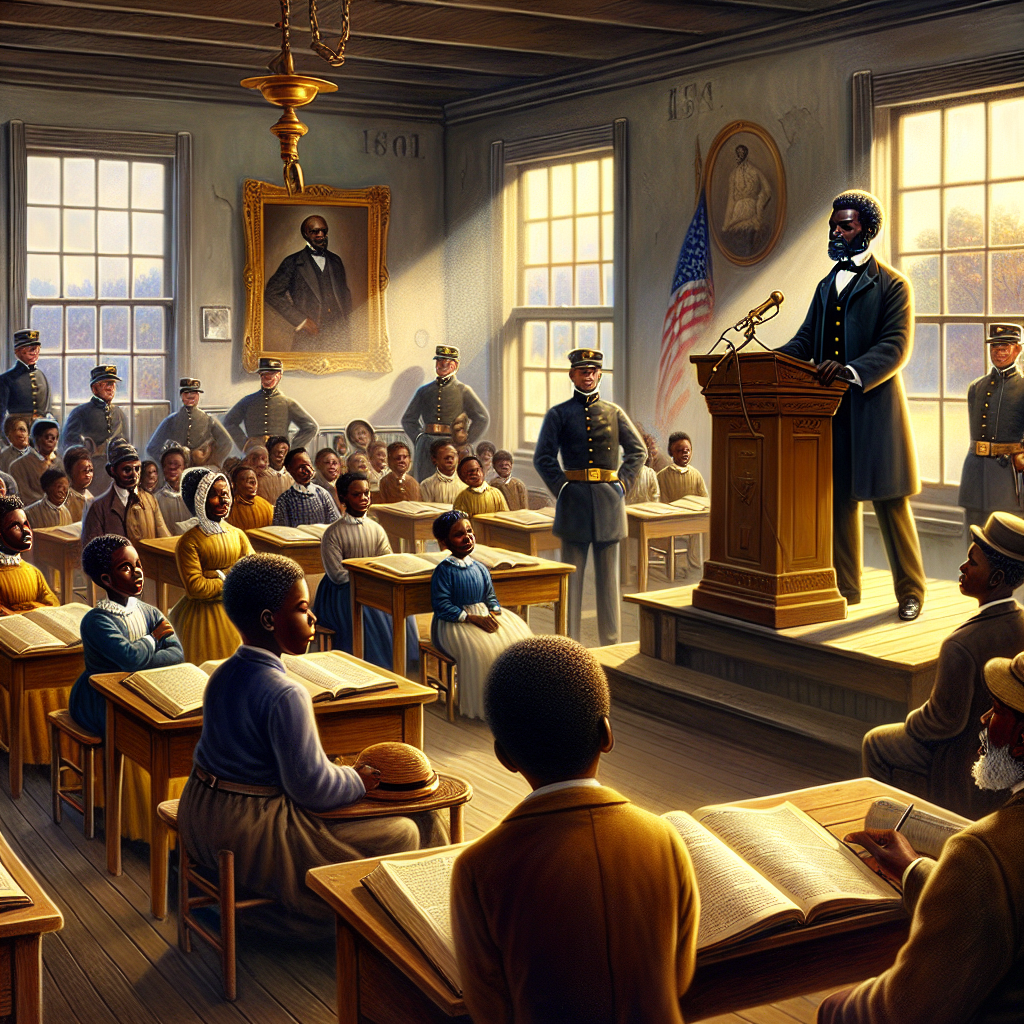
Reconstruction was the most ambitious attempt at social transformation in American history — and the most thoroughly undone. In the 12 years after the Civil War, the federal government tried to remake the former Confederate states: guaranteeing citizenship and equal protection to four million formerly enslaved people through the 14th Amendment, extending them voting rights through the 15th, establishing the Freedmen's Bureau to provide education and economic support, and sending federal troops south to enforce a legal order that white Southerners were determined to destroy. At its peak, more than 2,000 Black Americans held public office in Southern states. Hiram Revels and Blanche Bruce served in the U.S. Senate. Black men voted in numbers that would not be seen again for a century.
The resistance was violent and systematic. The Ku Klux Klan, founded in 1865 by former Confederate general Nathan Bedford Forrest, used terror — murder, arson, and mutilation — to suppress Black political participation and drive Republican officeholders from power. Grant's administration prosecuted the Klan aggressively under the Enforcement Acts of 1870 and 1871, temporarily breaking the original Klan. But the underlying white supremacist project was sustained through other means: economic coercion, the convict leasing system that effectively re-enslaved Black men through criminal charges, and the steady erosion of federal will to maintain troops in the South indefinitely.
The Compromise of 1877 ended Reconstruction through a political deal: Rutherford Hayes received the disputed presidency; federal troops were withdrawn from the South. What followed was a counter-revolution of astonishing completeness. Black voters were disenfranchised through poll taxes, literacy tests, grandfather clauses, and murder. The Supreme Court gutted the 14th Amendment in the Civil Rights Cases (1883) and blessed segregation in Plessy v. Ferguson (1896). By 1900, the political, legal, and economic gains of Reconstruction had been almost entirely reversed — a failure so comprehensive that historians now treat it as a second defeat, one whose consequences required another century and another civil rights movement to partially address.
| Period | 1865–1877 |
| Legal foundation | 13th, 14th, and 15th Amendments |
| Freedmen's Bureau | Established March 3, 1865 |
| Black officeholders | ~2,000 at peak; 2 U.S. Senators |
| Federal troops withdrawn | 1877 (Compromise of 1877) |
| Reversal completed by | Plessy v. Ferguson (1896) |
| Re-addressed by | Civil Rights Act (1964), Voting Rights Act (1965) |
| Years | 1865–1877 |
| Location | United States |