Panic of 1873
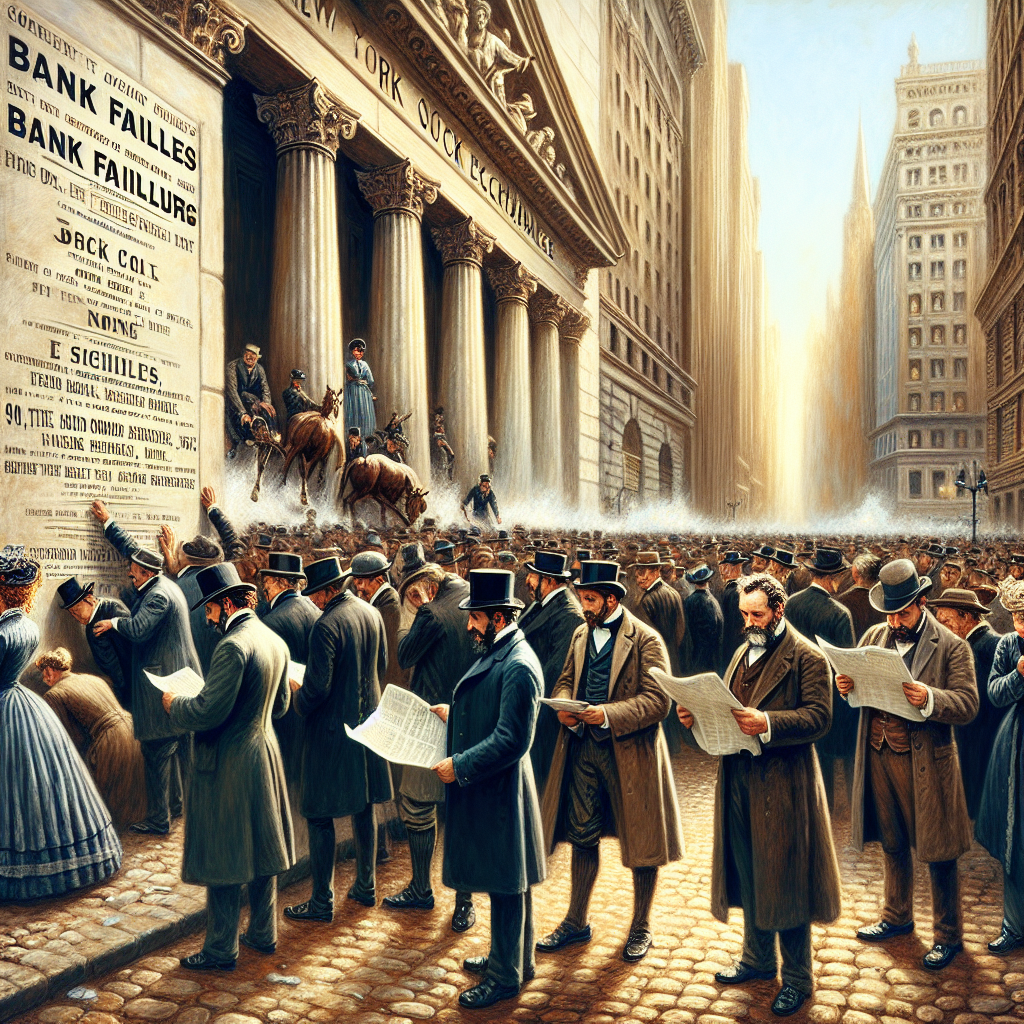
On September 18, 1873, Jay Cooke and Company — the most powerful banking house in the United States, financier of the Union war effort and primary underwriter of the Northern Pacific Railroad — declared bankruptcy. The New York Stock Exchange closed for ten days. Banks called in loans, credit contracted, and a cascade of business failures began that would last years. The cause was not mysterious: American railroads had expanded far beyond what traffic could justify, funded by borrowed money from European investors who were themselves contracting after the Vienna stock market crashed in May. When the European capital stopped flowing, the American railroad boom collapsed with it.
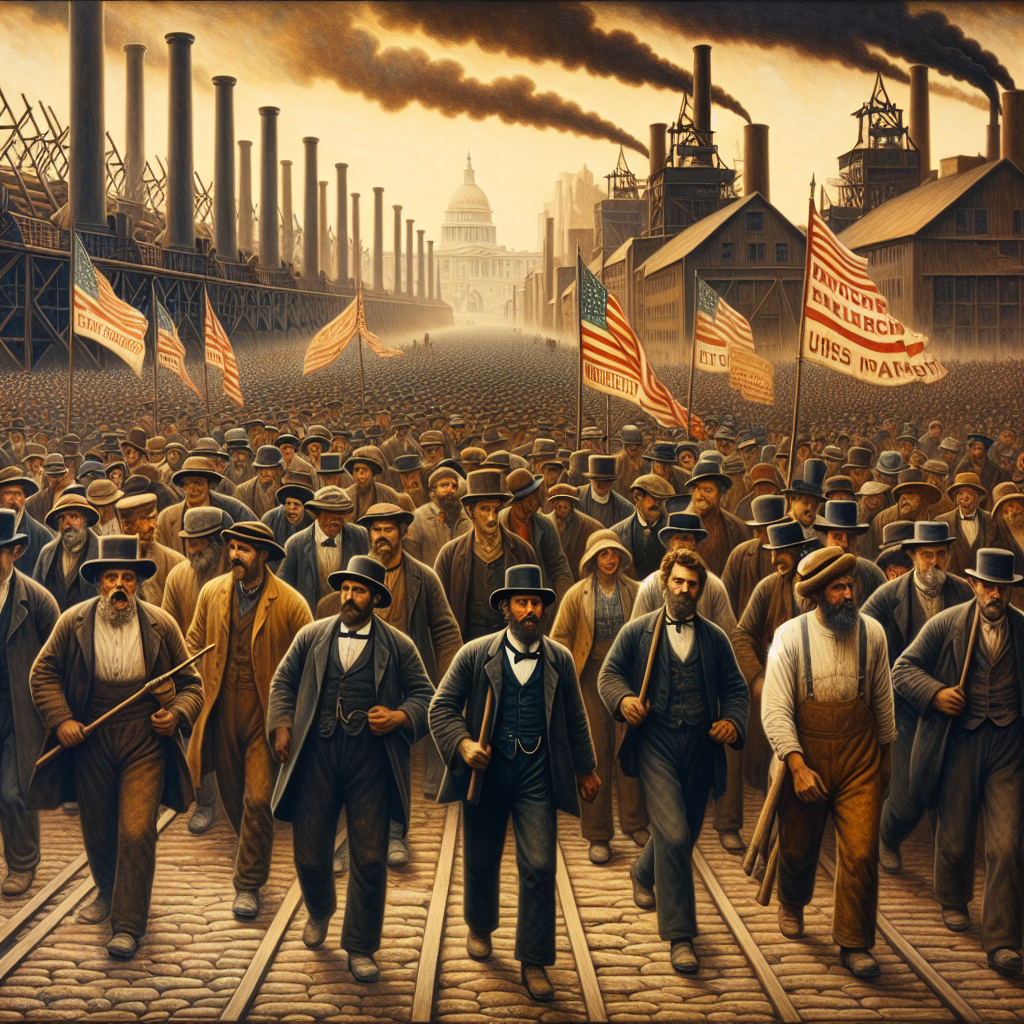
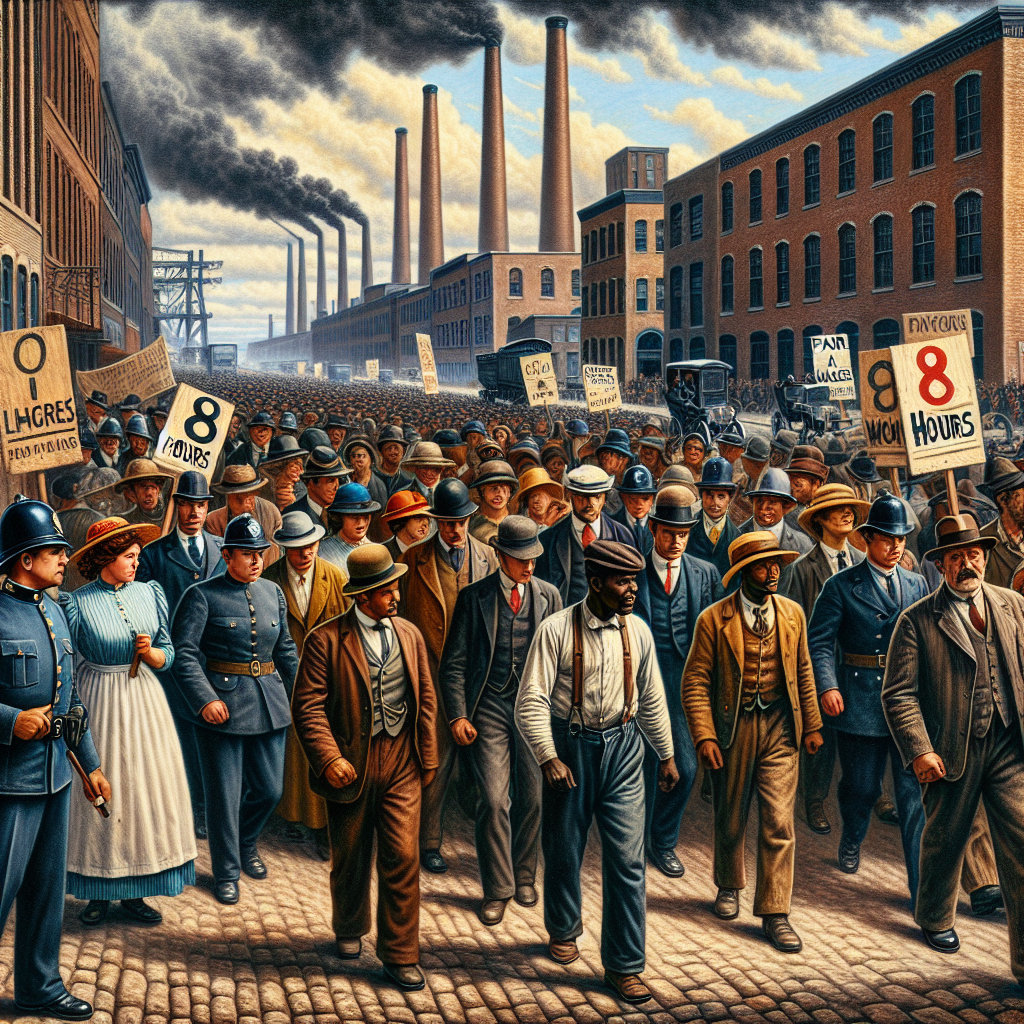
The depression that followed — known as the Long Depression — lasted until 1879 by most measures, making it the longest economic contraction in American history to that point. Unemployment reached 14 percent. Eighteen thousand businesses failed in the first two years. Wage cuts triggered some of the most significant labor unrest the country had yet seen, culminating in the Great Railroad Strike of 1877, when workers on the Baltimore and Ohio Railroad walked out and the strike spread across the country, requiring federal troops to suppress. It was the first national labor action in American history and a preview of the industrial conflicts that would define the Gilded Age.
The Panic of 1873 had a political consequence as damaging as its economic one. The financial crisis drained political will for the Reconstruction project in the South. Taxpayers in the North, battered by depression, grew less willing to fund the federal presence that was protecting Black civil and political rights in the former Confederate states. The elections of 1874 swept Democrats back into control of the House, and the withdrawal of federal troops that ended Reconstruction formally in 1877 was made possible in part by the economic exhaustion the Panic had produced. Depression and abandonment arrived together.

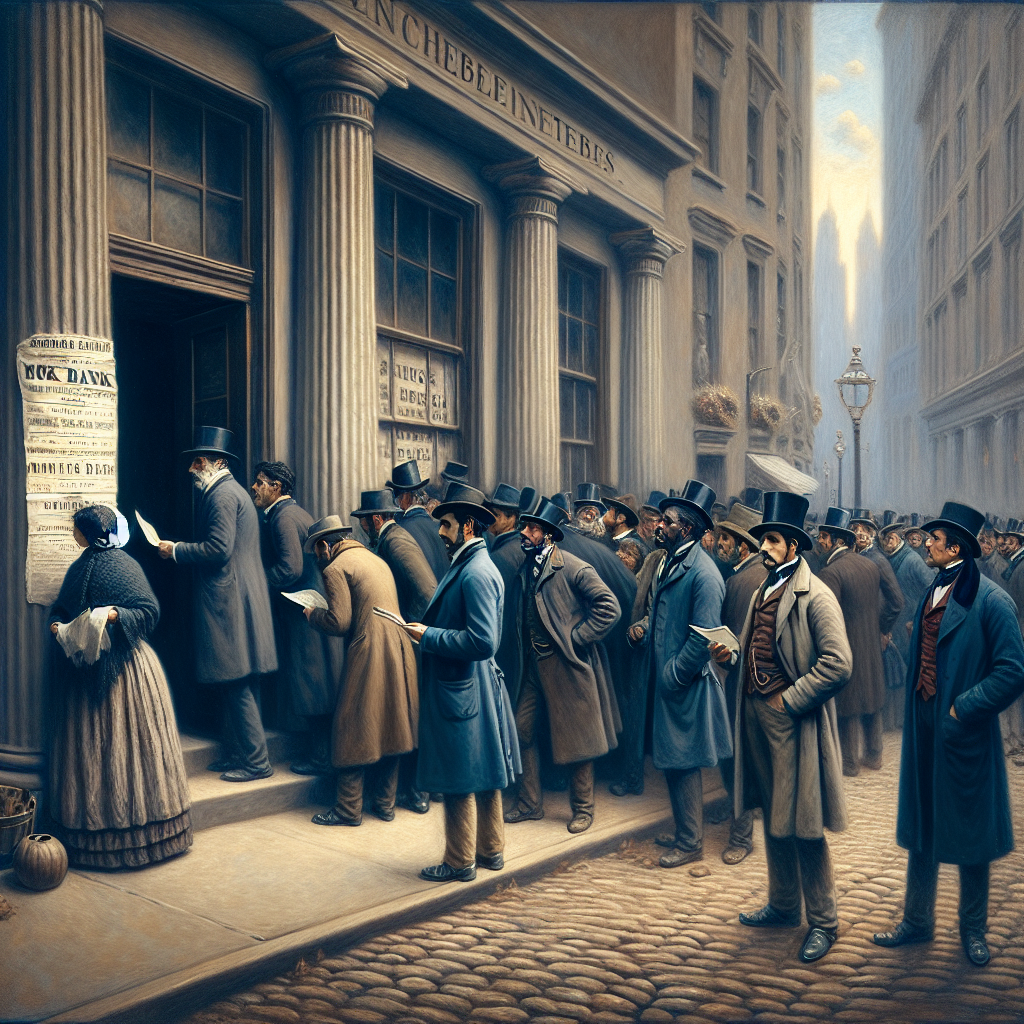
| Began | September 18, 1873 — Jay Cooke and Company collapse |
| Duration | Long Depression — approximately 1873–1879 |
| Causes | Railroad overexpansion; contraction of European capital markets |
| NYSE closed | 10 days — unprecedented at the time |
| Peak unemployment | Approximately 14 percent |
| Business failures | 18,000 in first two years |
| Political effect | Weakened Reconstruction; Democratic House gains in 1874 |
| Years | 1873–1879 |
| Location | New York City, New York |