Frederick Douglass
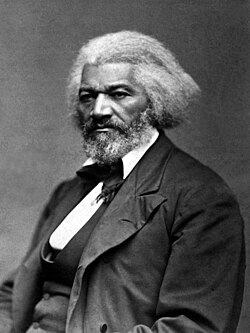
Frederick Douglass taught himself to read in secret — borrowing lessons from a Baltimore shipyard owner's wife until her husband forbade it, then bribing white neighborhood boys with bread to continue his education on the street. He was legally property. By the time he escaped north in 1838 at roughly 20 years old, he had read enough to understand exactly what had been done to him and why, and he spent the next six decades explaining it to anyone within earshot of his extraordinary voice. Few Americans have ever wielded language with more precision, fury, or effect.
His 1845 autobiography, Narrative of the Life of Frederick Douglass, an American Slave, sold 30,000 copies in five years and demolished the proslavery argument that enslaved people were content, dim, or incapable of self-governance. He founded the antislavery newspaper The North Star in Rochester, New York in 1847. During the Civil War he lobbied Lincoln directly to allow Black men to fight — and win equal pay — in the Union Army, and recruited two of his sons into the Massachusetts 54th Infantry. He met with Lincoln three times; each meeting left Douglass surprised by the president's lack of racial condescension.
Douglass lived long enough to see slavery abolished, Reconstruction gutted, and the Supreme Court eviscerate the Civil Rights Act of 1875. He kept speaking. His 1852 address "What to the Slave Is the Fourth of July?" — delivered in Rochester to a white abolitionist audience — remains the most devastating piece of oratory in American history, asking his hosts how they expected him to celebrate a freedom that was not his. Douglass died in February 1895, hours after attending a women's suffrage convention. His last public act was applause for someone else's cause.


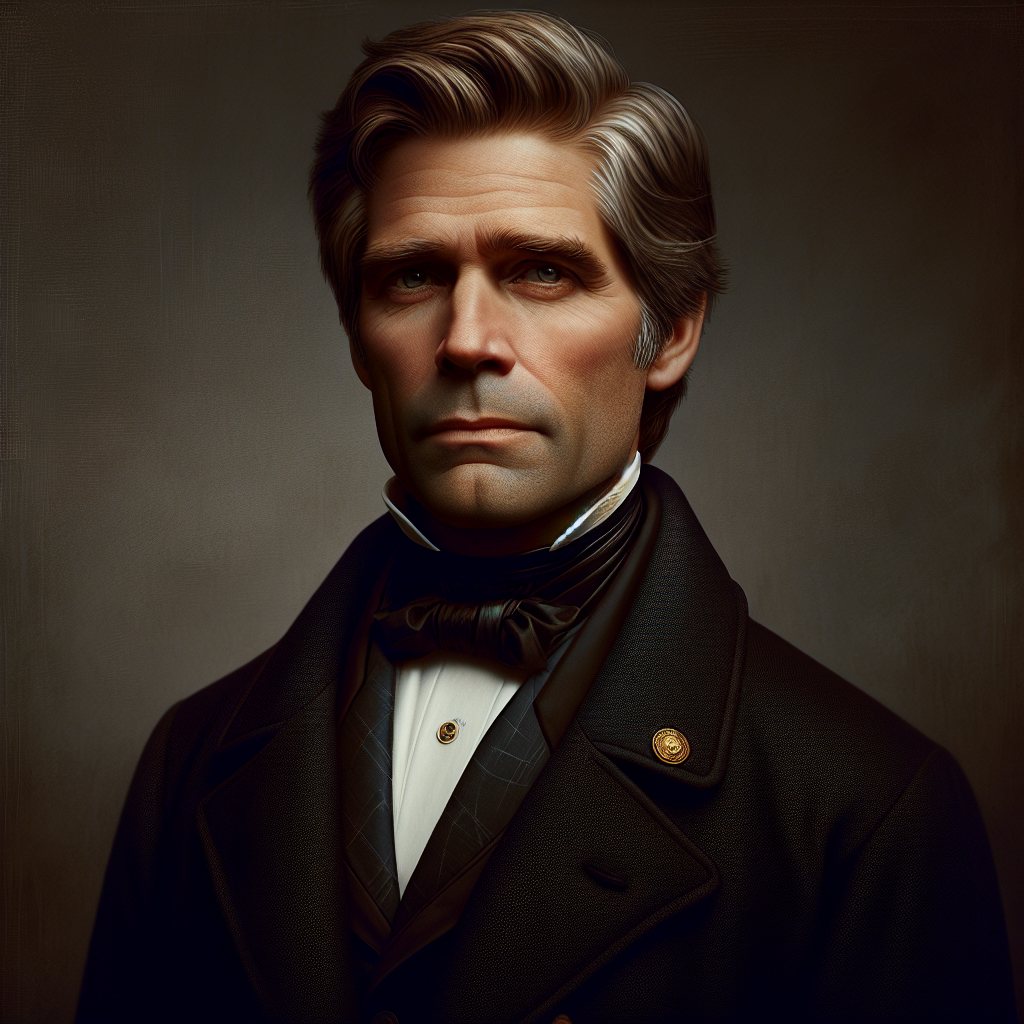
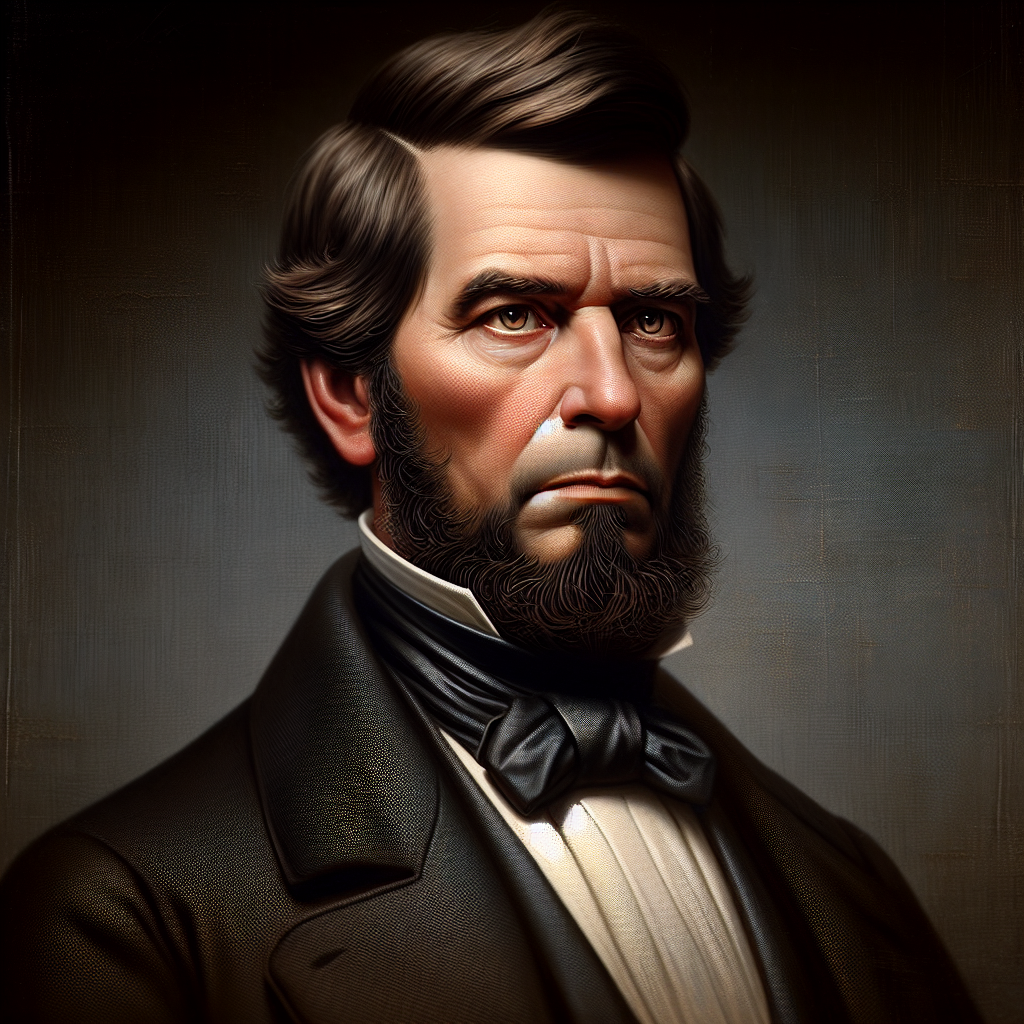

| Born | c. February 1818 — Talbot County, Maryland |
| Died | February 20, 1895 — Washington, D.C. |
| Escaped slavery | September 3, 1838 |
| Newspaper | The North Star (later Frederick Douglass' Paper), founded 1847 |
| Autobiography | Narrative of the Life of Frederick Douglass (1845) |
| Appointed | U.S. Marshal, District of Columbia (1877) |
| Key address | "What to the Slave Is the Fourth of July?" July 5, 1852 |
| Years | 1818–1895 |
| Location | Talbot County, Maryland |