Robert E. Lee
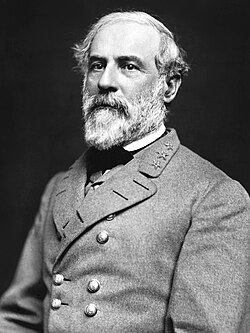
Robert E. Lee turned down command of the Union Army before accepting command of Confederate forces in Virginia — a choice that has been mythologized, debated, and reassessed ever since. A decorated veteran of the Mexican-American War and superintendent of West Point, Lee was by any measure one of the finest soldiers of his generation. He was also a Virginia slaveholder who chose his state over his nation, and whose military genius extended the Civil War by years, at a cost of hundreds of thousands of lives.
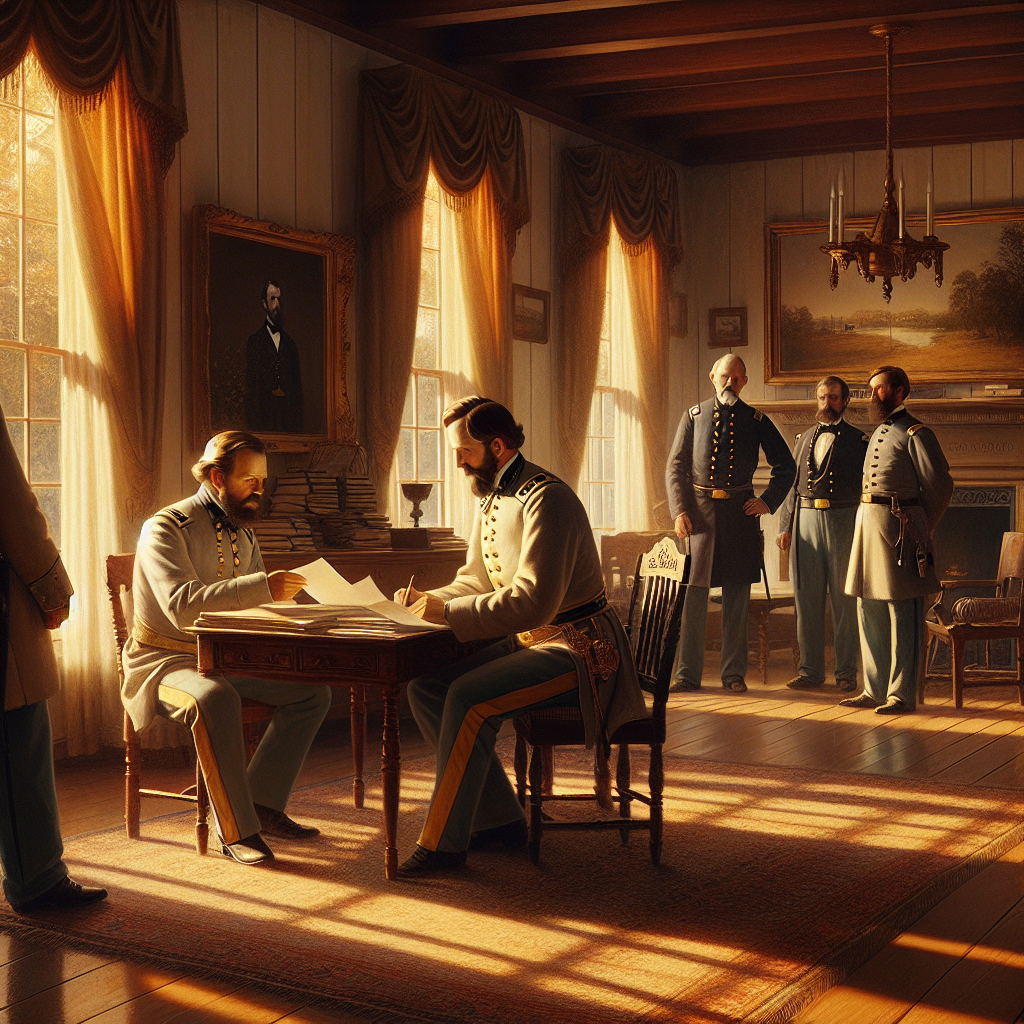
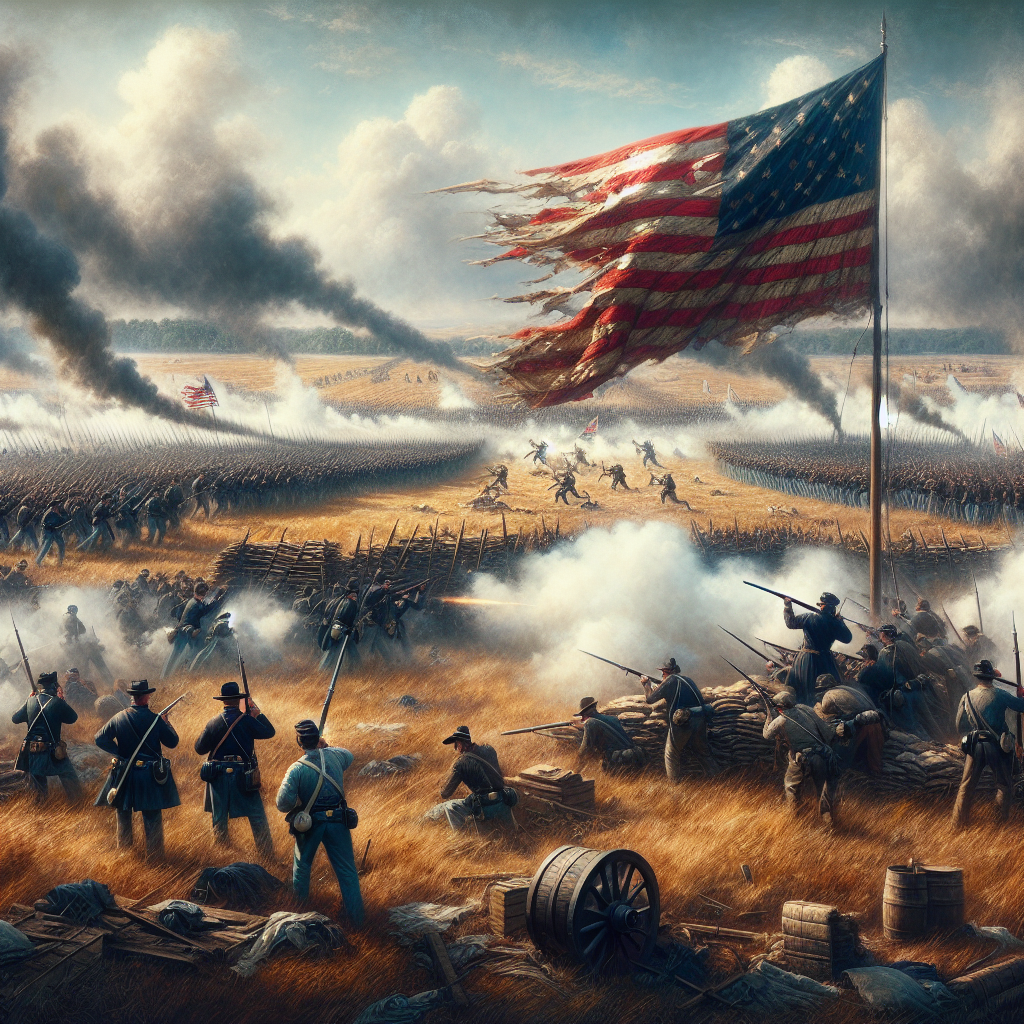
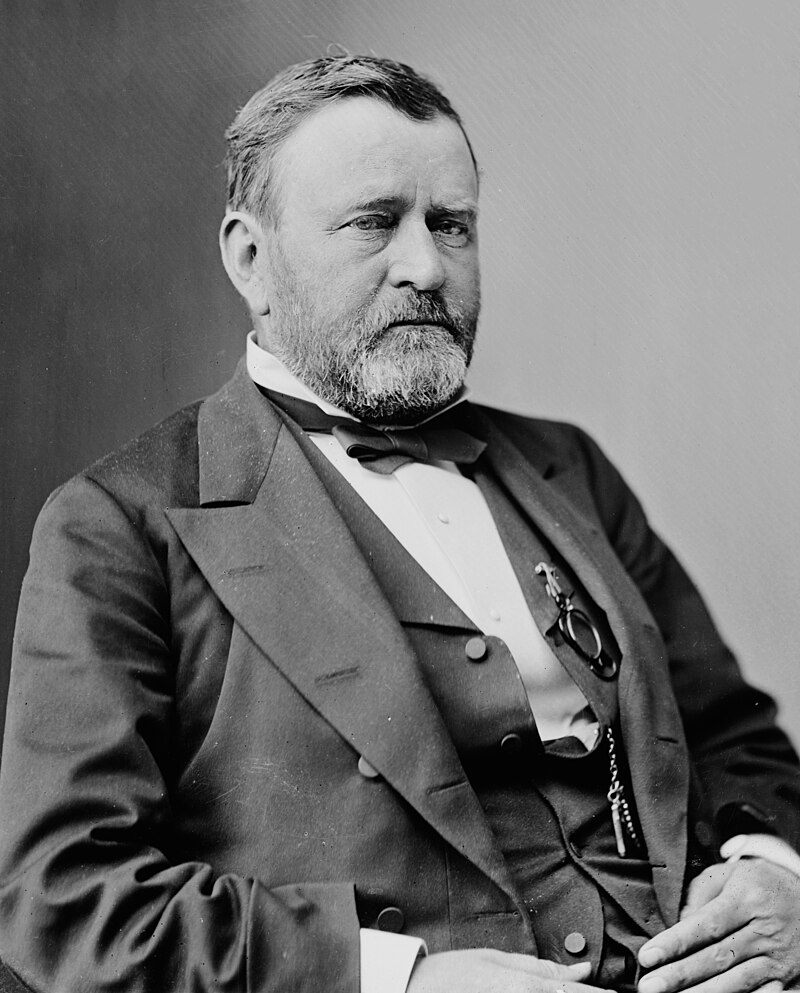
As commander of the Army of Northern Virginia, Lee won a series of engagements against larger, better-supplied Union forces that remain studied in military academies today. His partnership with Stonewall Jackson produced some of the war's most audacious maneuvers. But his two major invasions of the North — repulsed at Antietam in 1862 and decisively defeated at Gettysburg in 1863 — were strategic gambles that failed at catastrophic cost. He surrendered to Ulysses S. Grant at Appomattox Court House on April 9, 1865.
The "Lost Cause" mythology that elevated Lee to near-sainthood developed largely after his death, erasing his slaveholding and his decision to take up arms against the United States in favor of an image of noble, chivalric defeat. The removal of Lee statues from public spaces across the South beginning in the 2010s reflected a long-overdue reckoning with that mythology — and with the specific political purposes those monuments had served since their erection, most of them decades after the war ended.



| Born | January 19, 1807 — Stratford Hall, Virginia |
| Died | October 12, 1870 — Lexington, Virginia |
| Rank | General, Confederate States Army |
| Command | Army of Northern Virginia, 1862–1865 |
| Surrender | Appomattox Court House, April 9, 1865 |
| Post-war | President, Washington College (later Washington and Lee University) |
| Years | 1807–1870 |
| Location | Lexington, Virginia |