American Music: Blues, Jazz, and the Sound of a Country
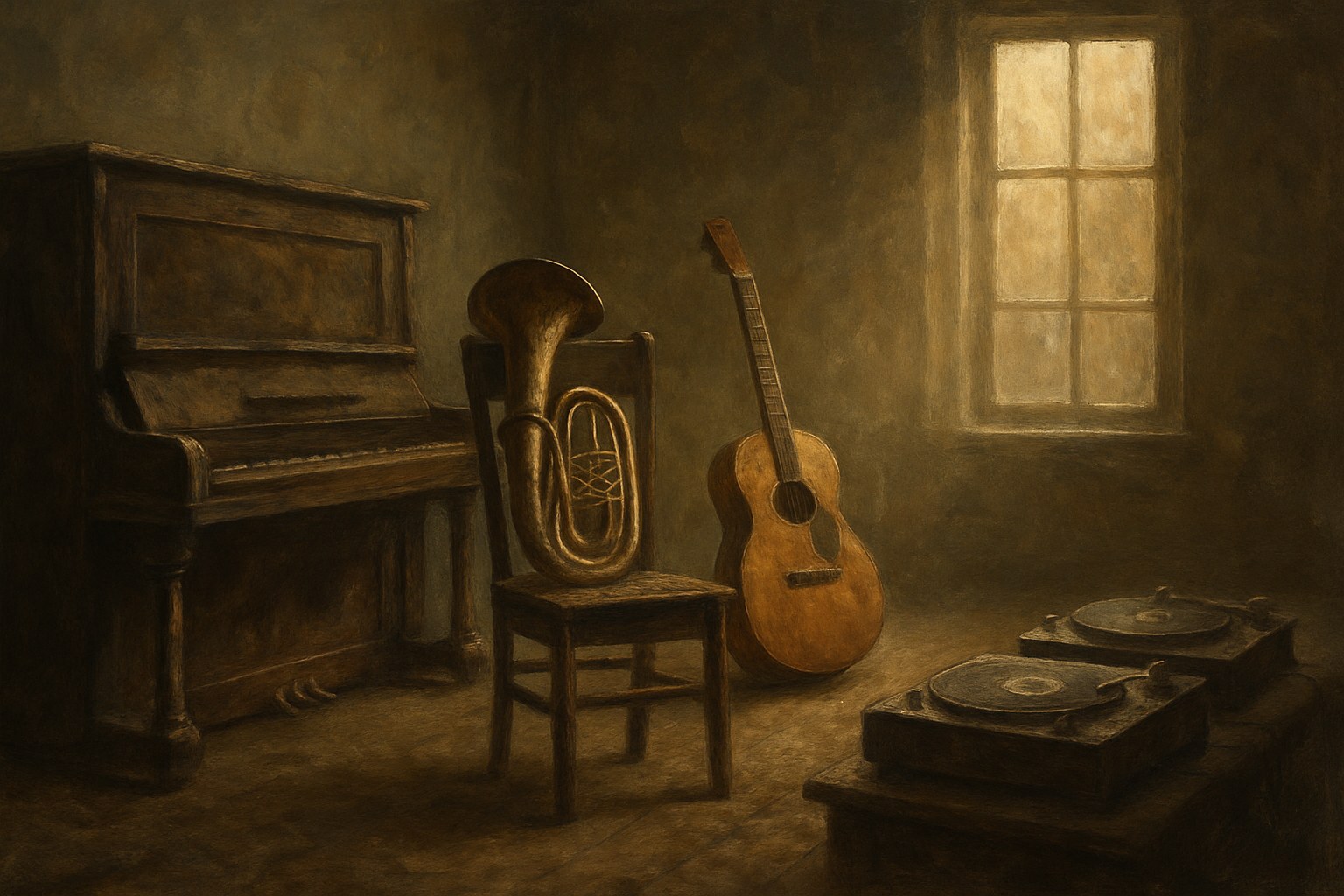
The United States did not inherit a national music. It assembled one, out of two traditions forced into contact by slavery and kept in contact by segregation. West and Central African rhythm, call and response, and bent pitch met European ballads, hymn tunes, and harmony in the fields, churches, and dance halls of the South. Every American popular form since — blues, gospel, ragtime, jazz, country, rock and roll, soul, and hip-hop — descends from some version of that meeting.
This guide follows the line from the Delta and the Black church through the jazz century, the white South's parallel commercial music, the rock and roll break of the 1950s, the soul and Motown records that ran alongside the civil rights movement, and the Bronx block party that began the last great American form. It also follows the money, which almost never traveled the same route as the music.
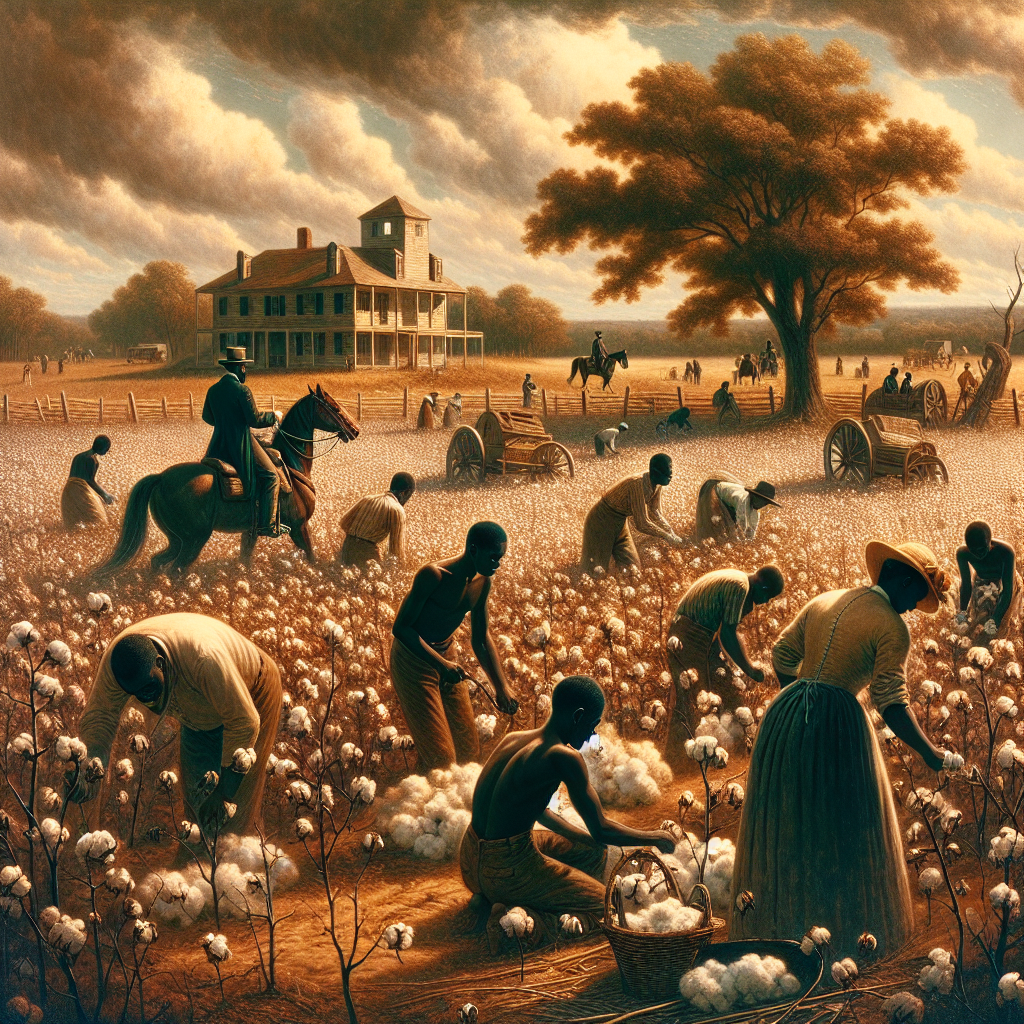
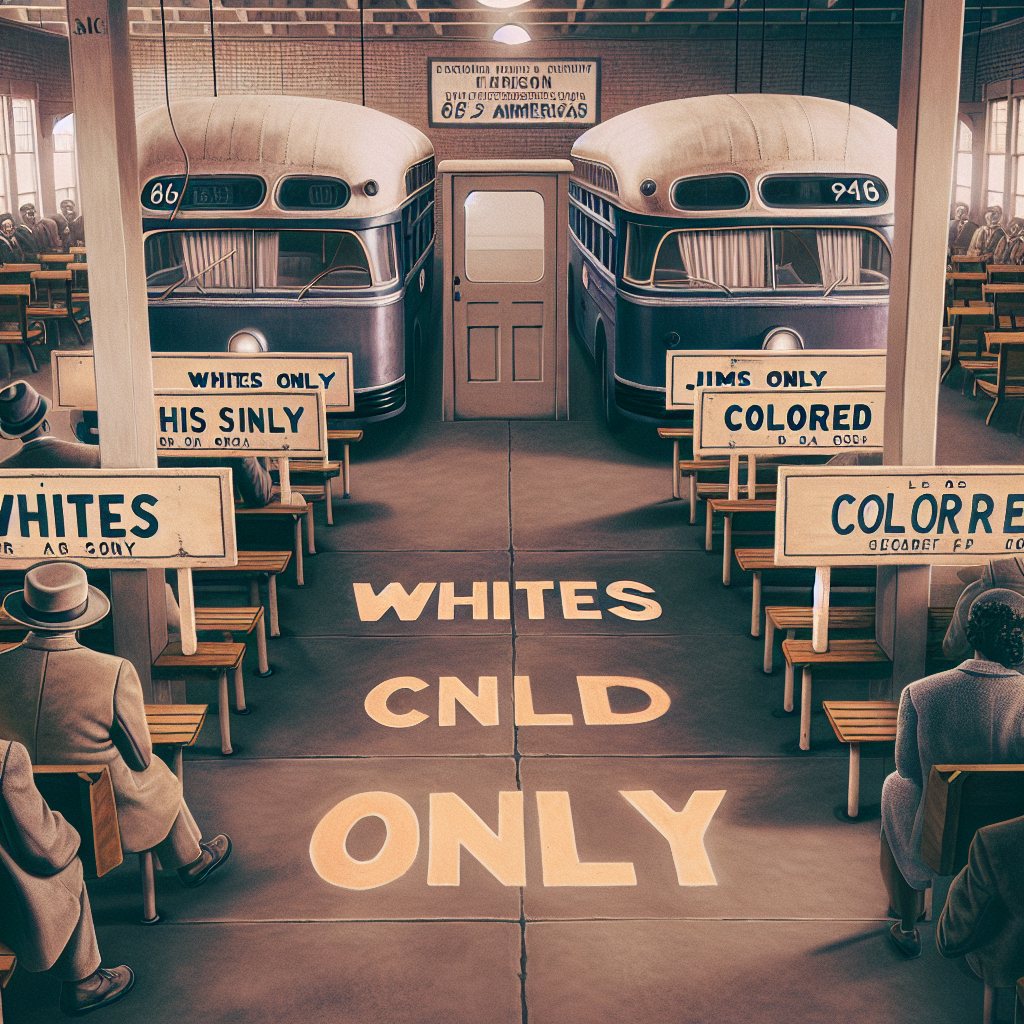
Everything begins in the South, in the gap between what Africans brought and what Europeans brought. Enslaved people made music out of work, worship, and whatever instruments were permitted, and their descendants turned it into the blues and gospel. White publishers turned the syncopation into ragtime and sold it by the sheet. The legal order that kept Black Southerners poor and disenfranchised is part of the story, not background to it.
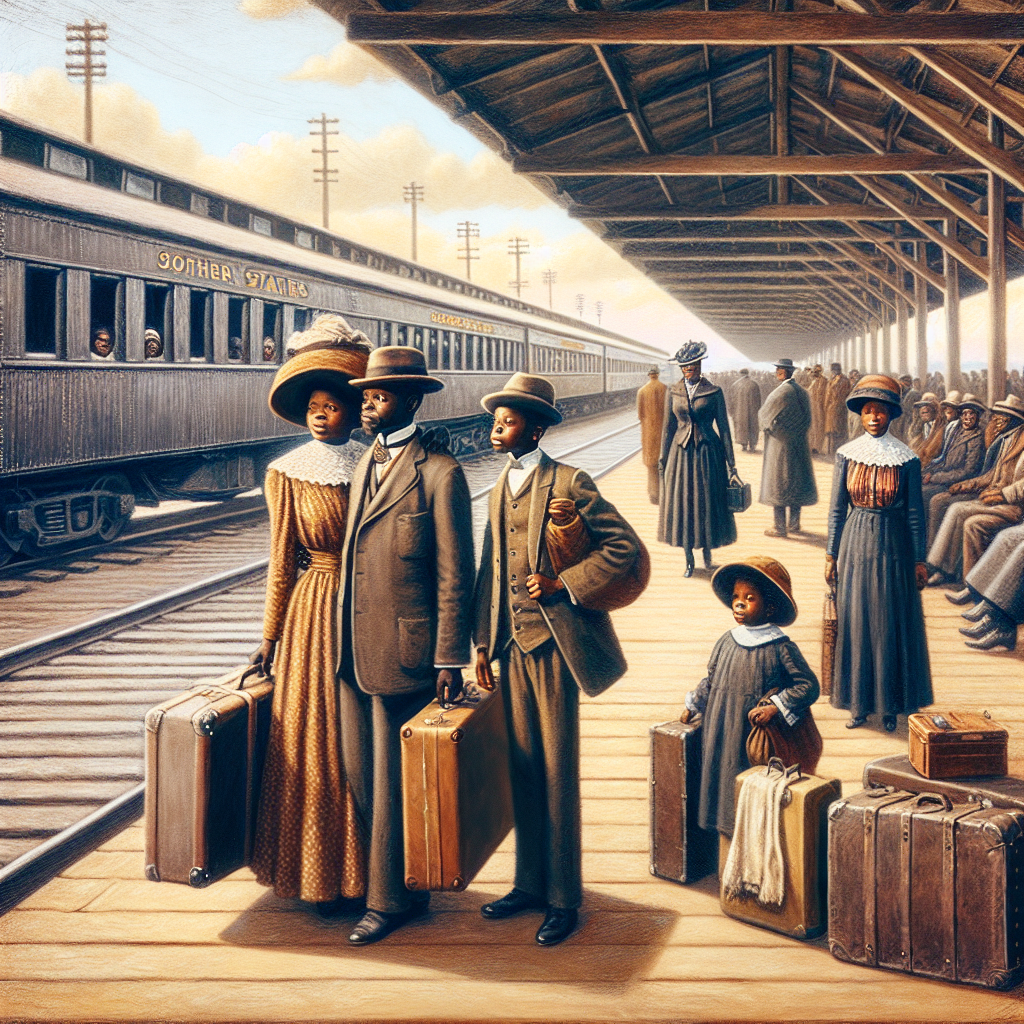
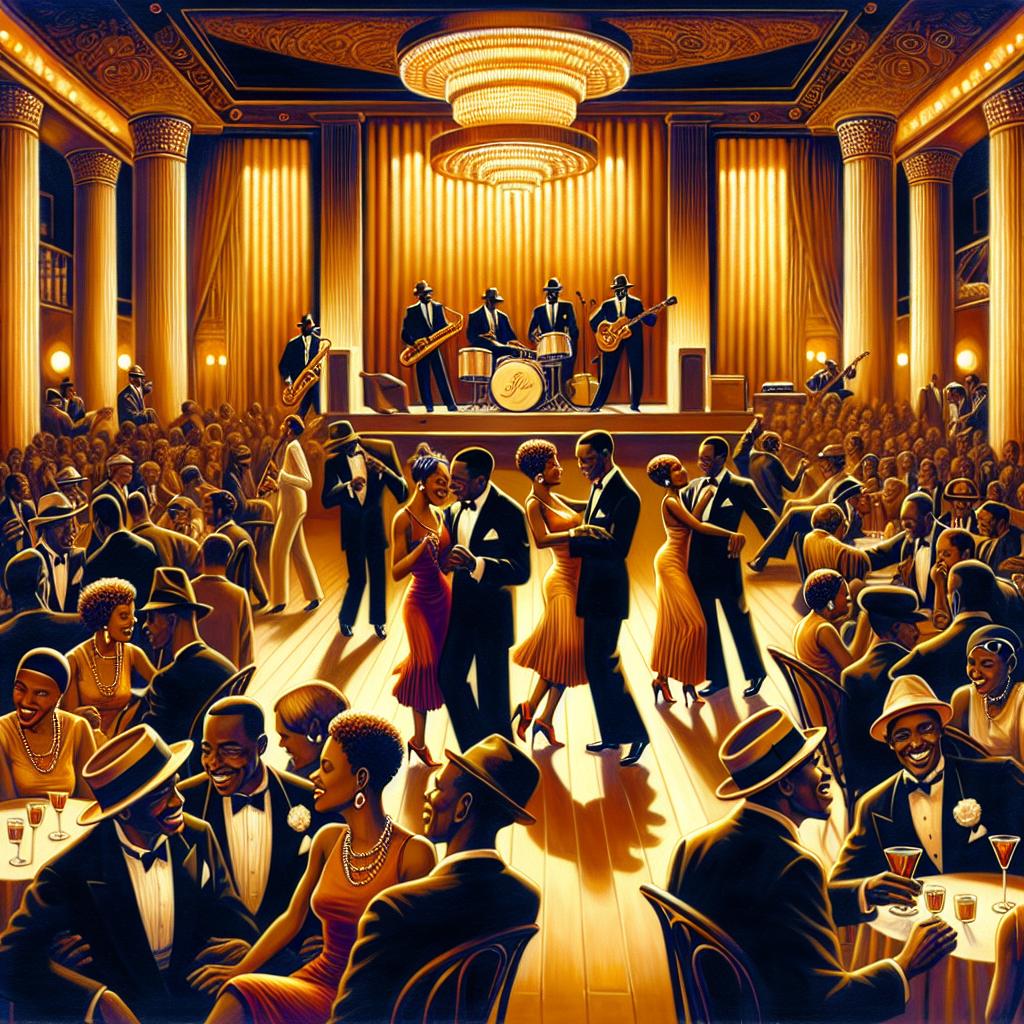
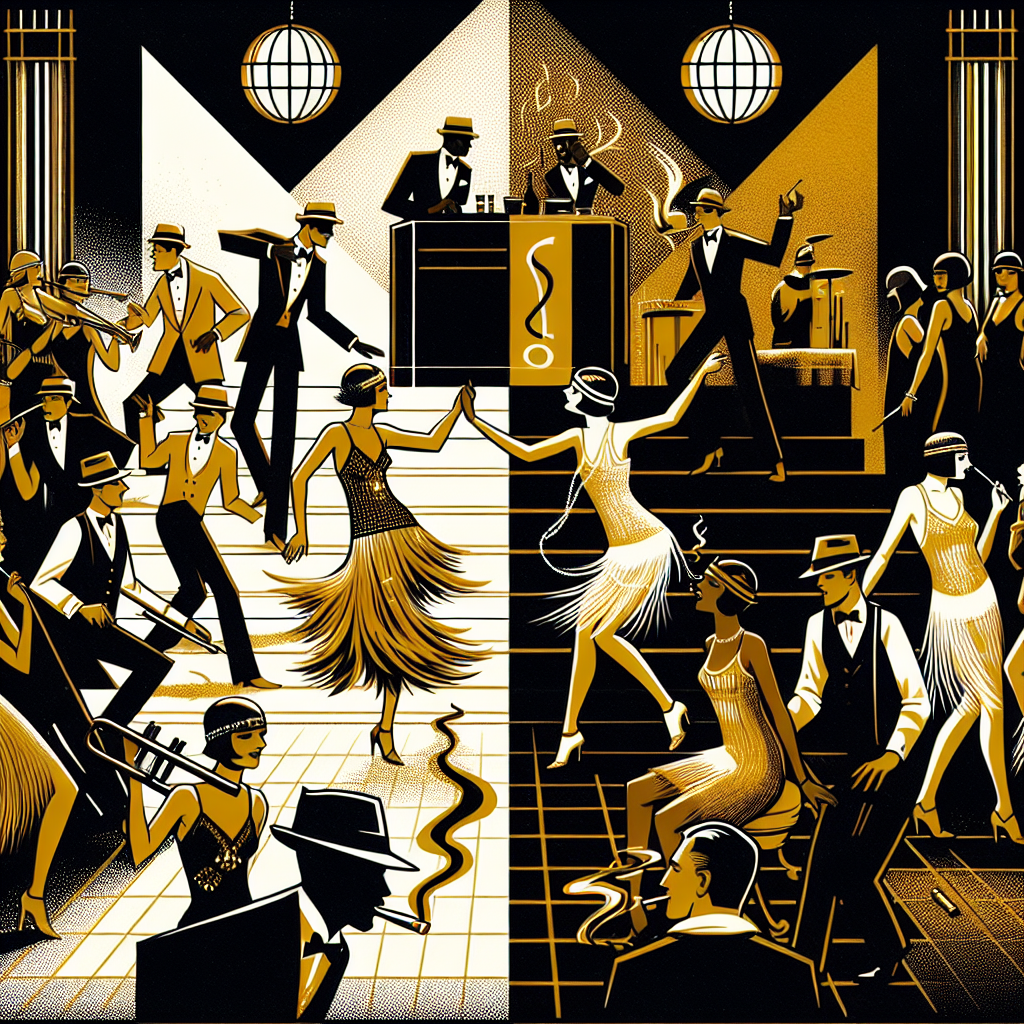
New Orleans put Creole training, brass bands, and the blues in the same rooms, and the result was a music built on improvisation rather than on a score. The Great Migration carried it north, Harlem made it fashionable, and by the 1930s it was the popular dance music of the entire country. The players in this section are the ones who decided what jazz could be.
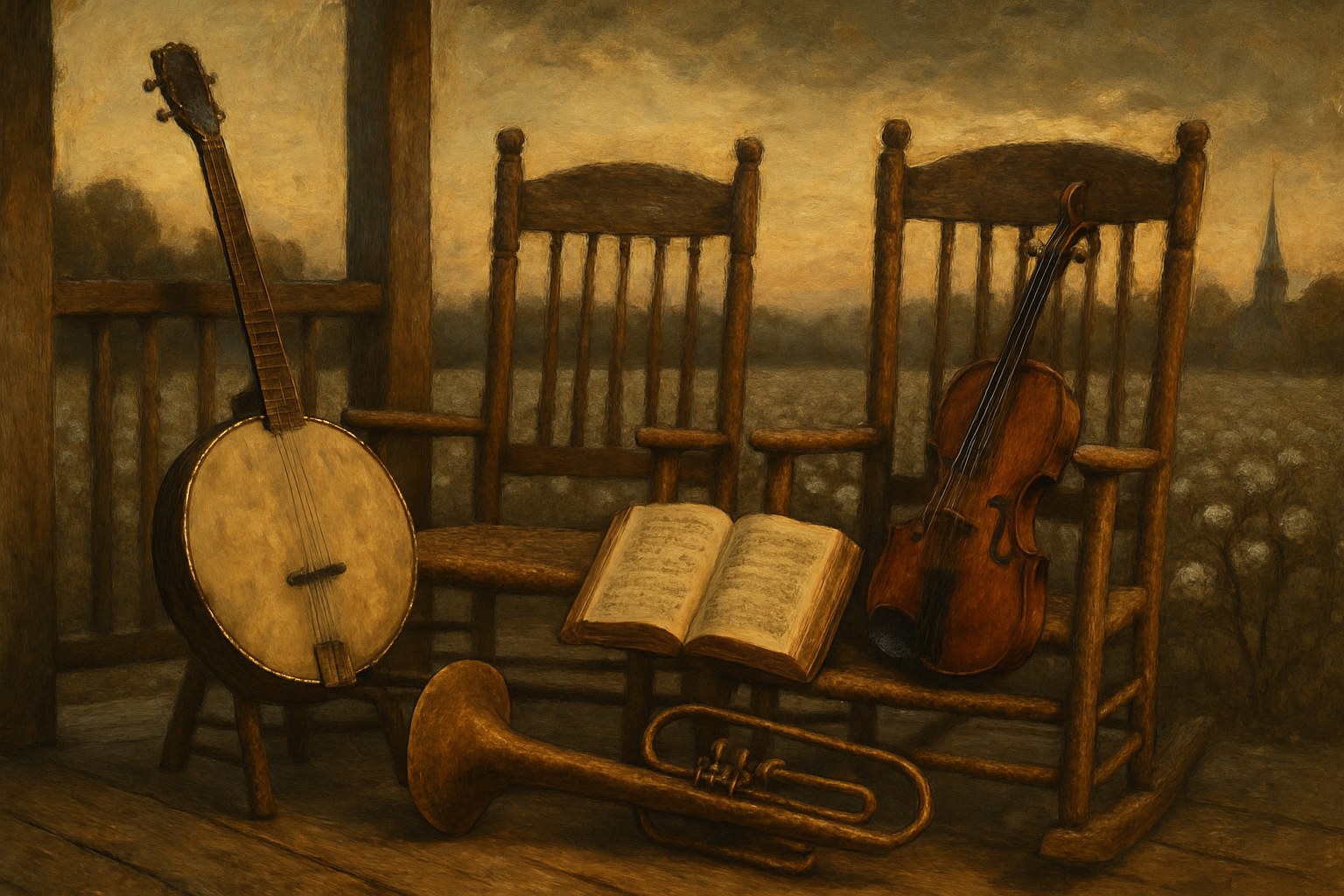
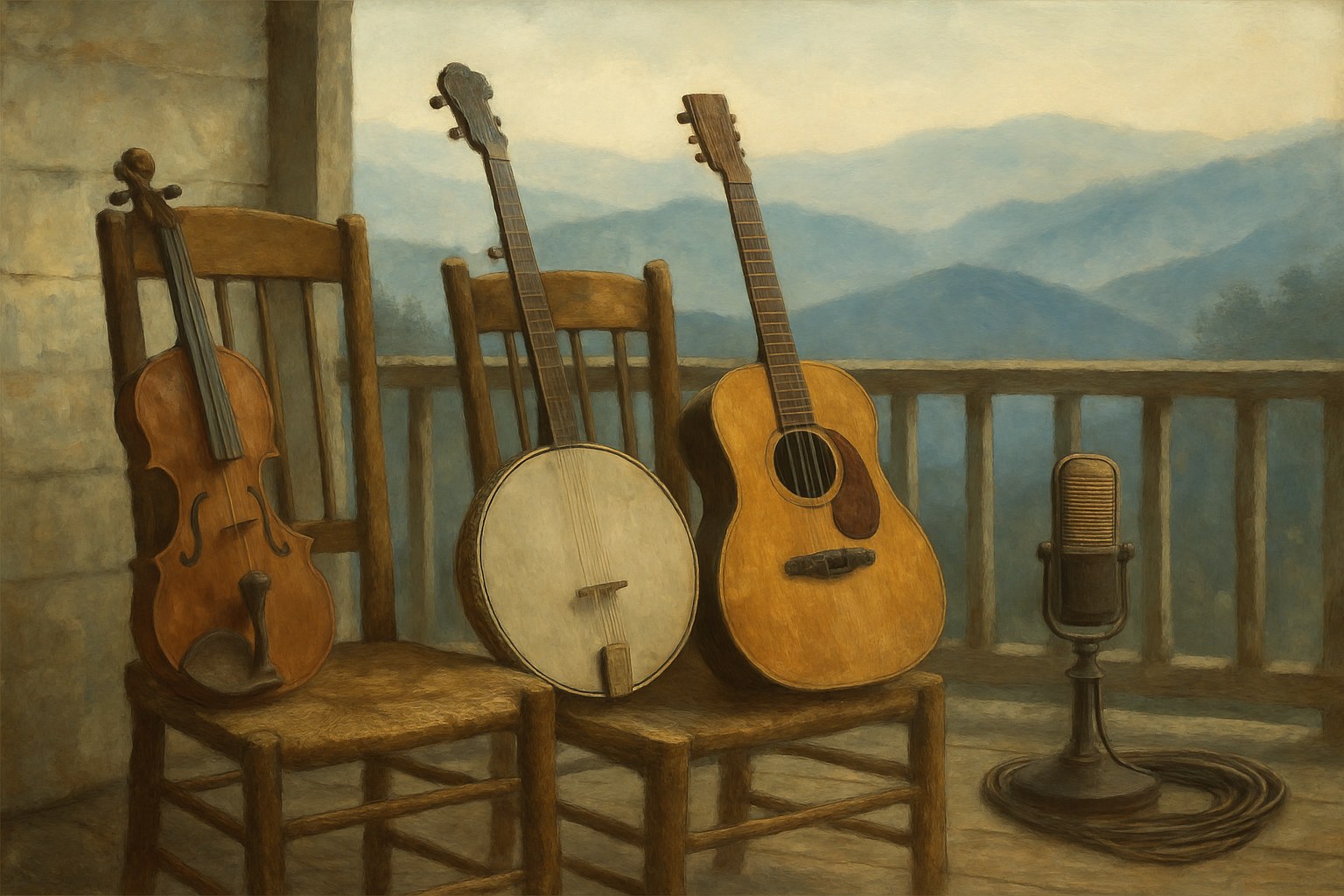
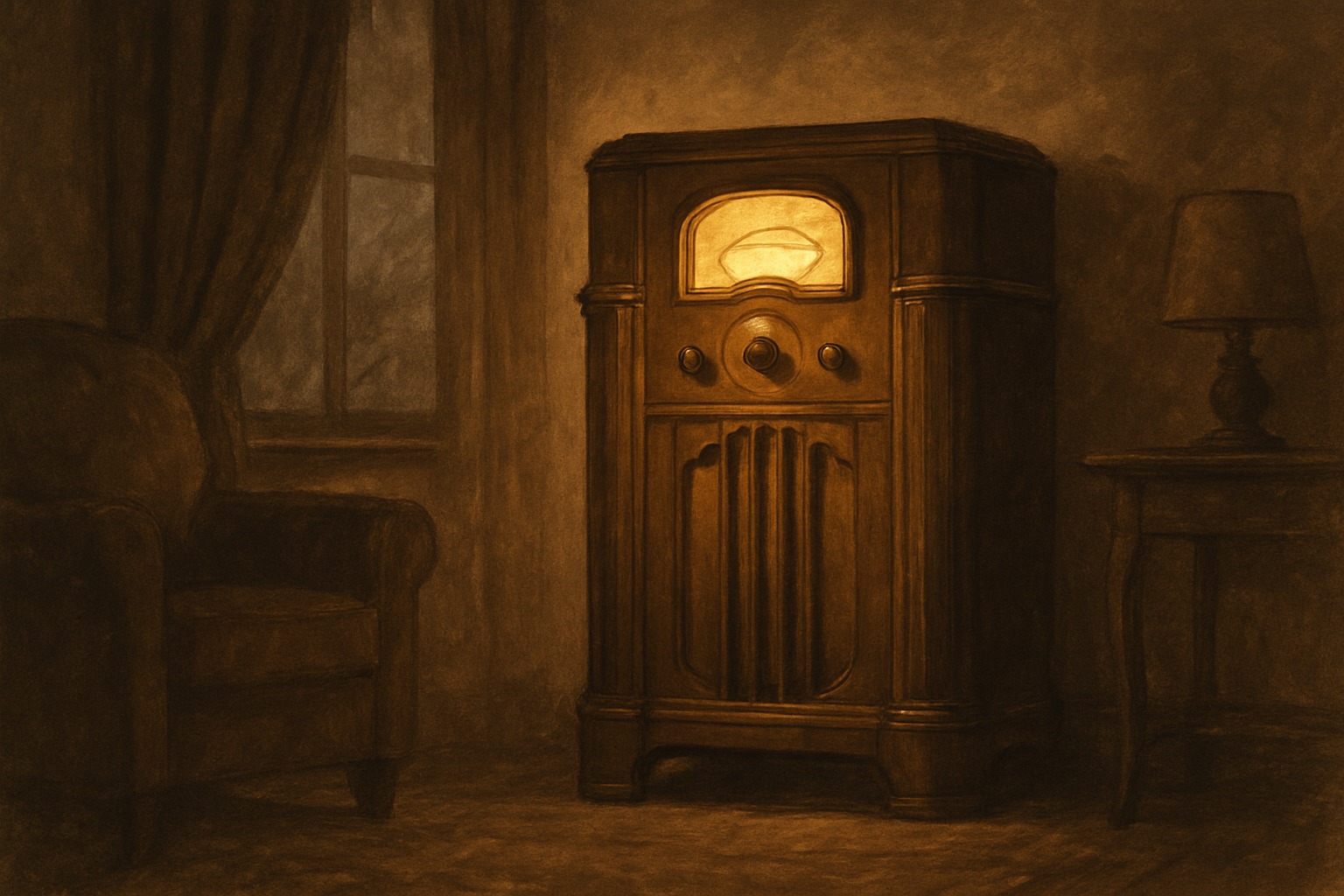
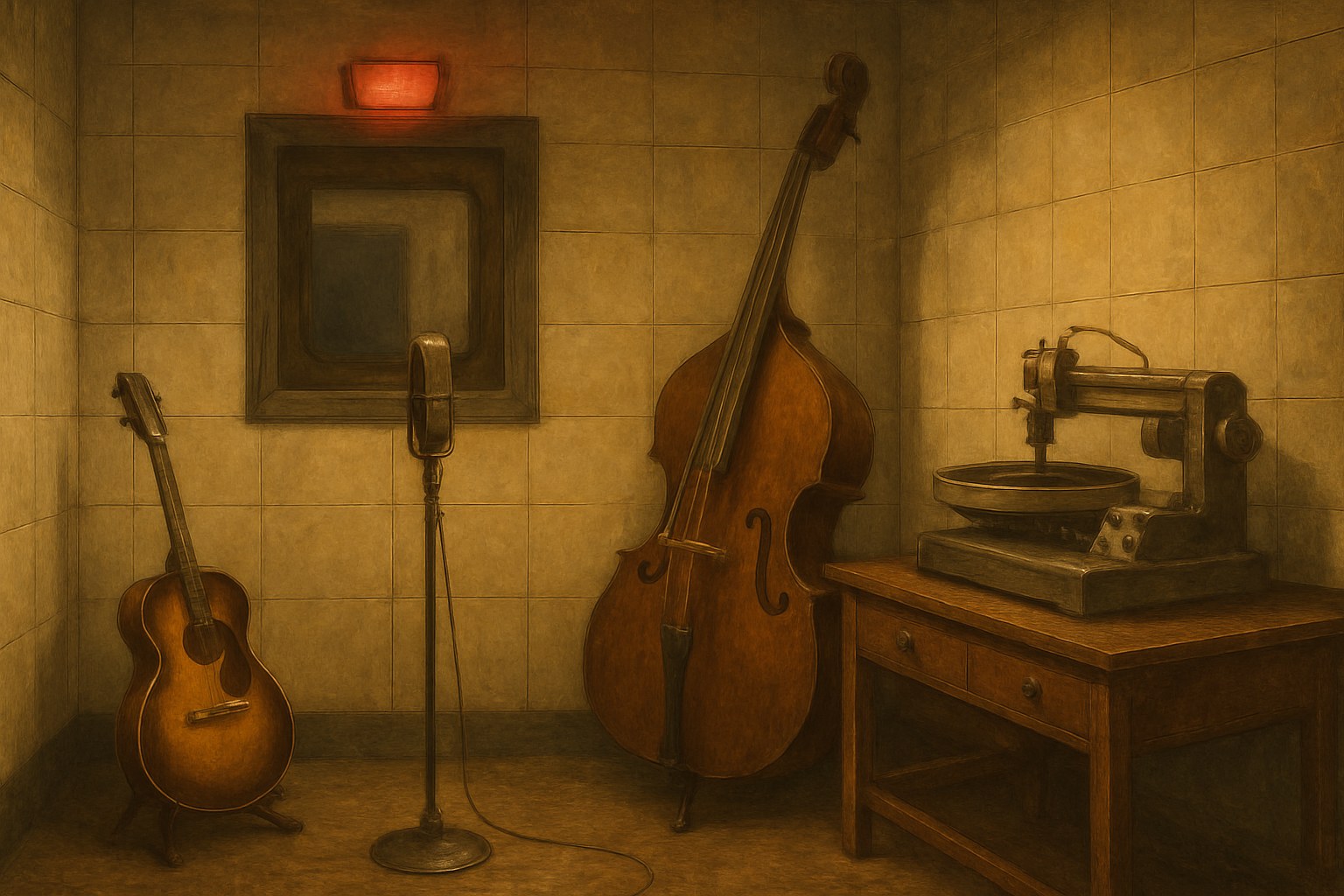
White Southerners had their own commercial music, built from Appalachian ballads, the fiddle, and the African banjo, and recorded in earnest only from 1927. It shared far more with the blues than either catalog admitted, because record companies sold the two to separate audiences on purpose. Radio, not records, made it national.
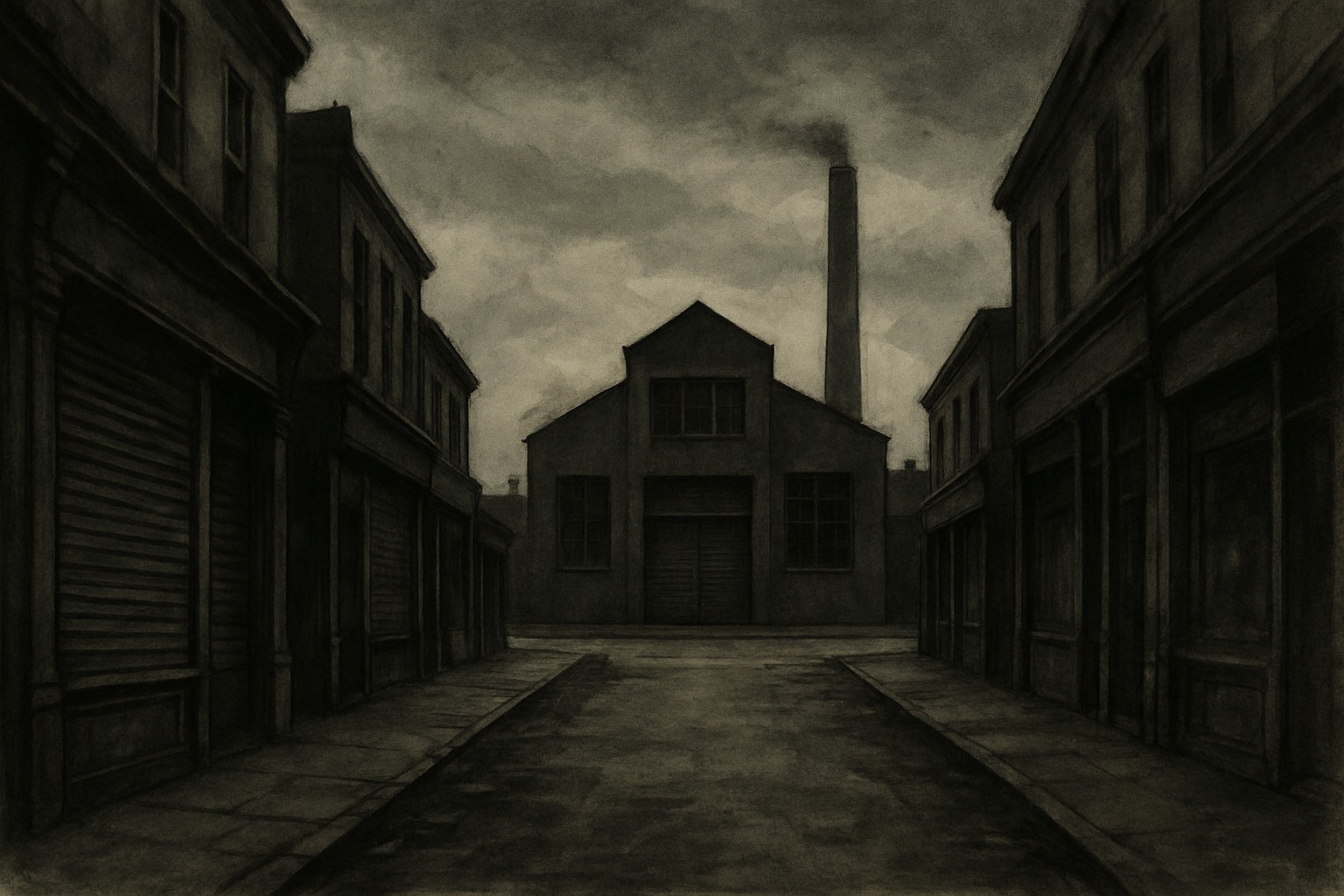
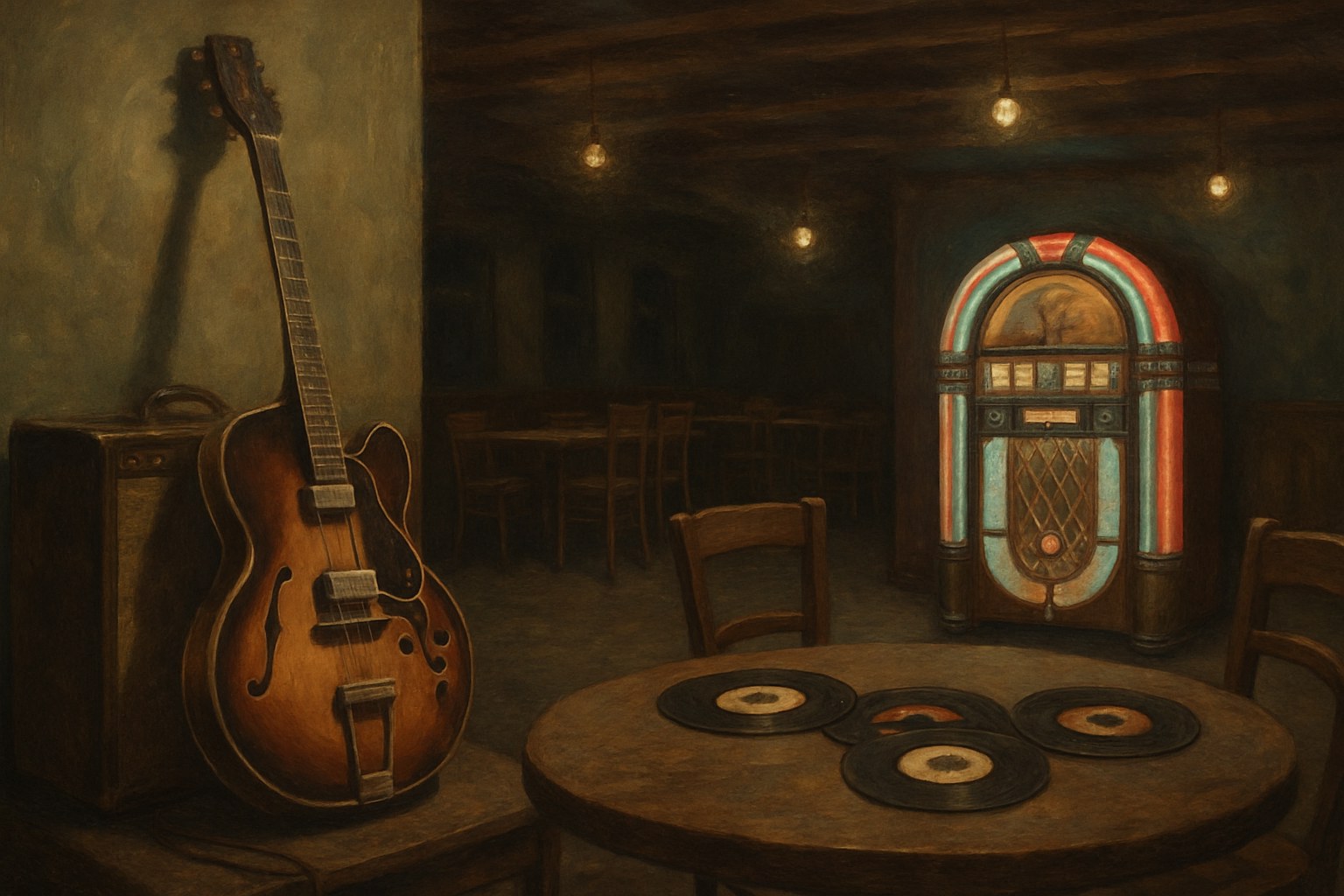
In the mid-1950s the two commercial streams collided in public. Cheap 45s, jukeboxes, and teenagers with their own money did the rest. The result terrified a good part of adult America, partly because of the music and partly because of who was in the audience, and within ten years the terms of American popular culture had been rewritten.

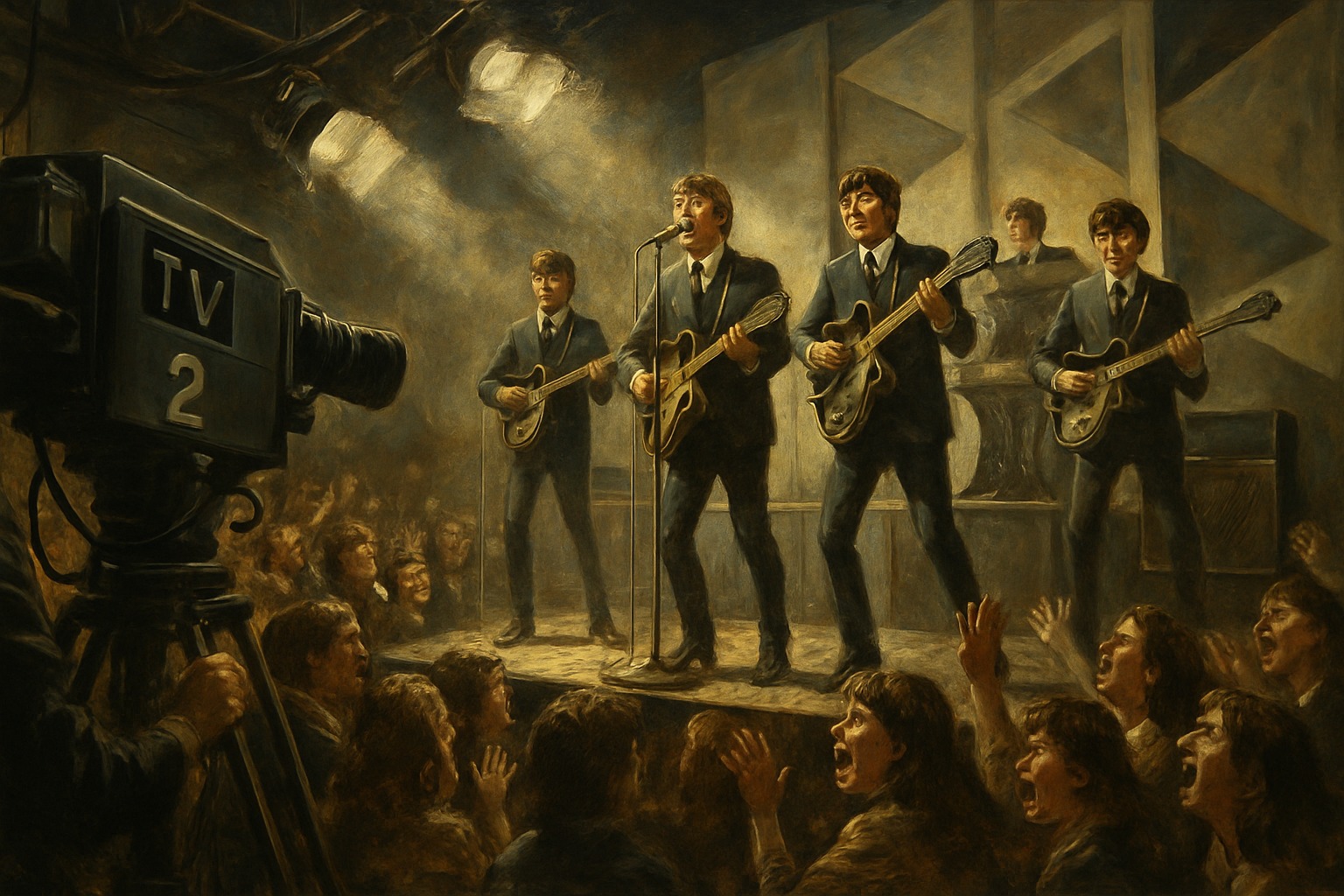
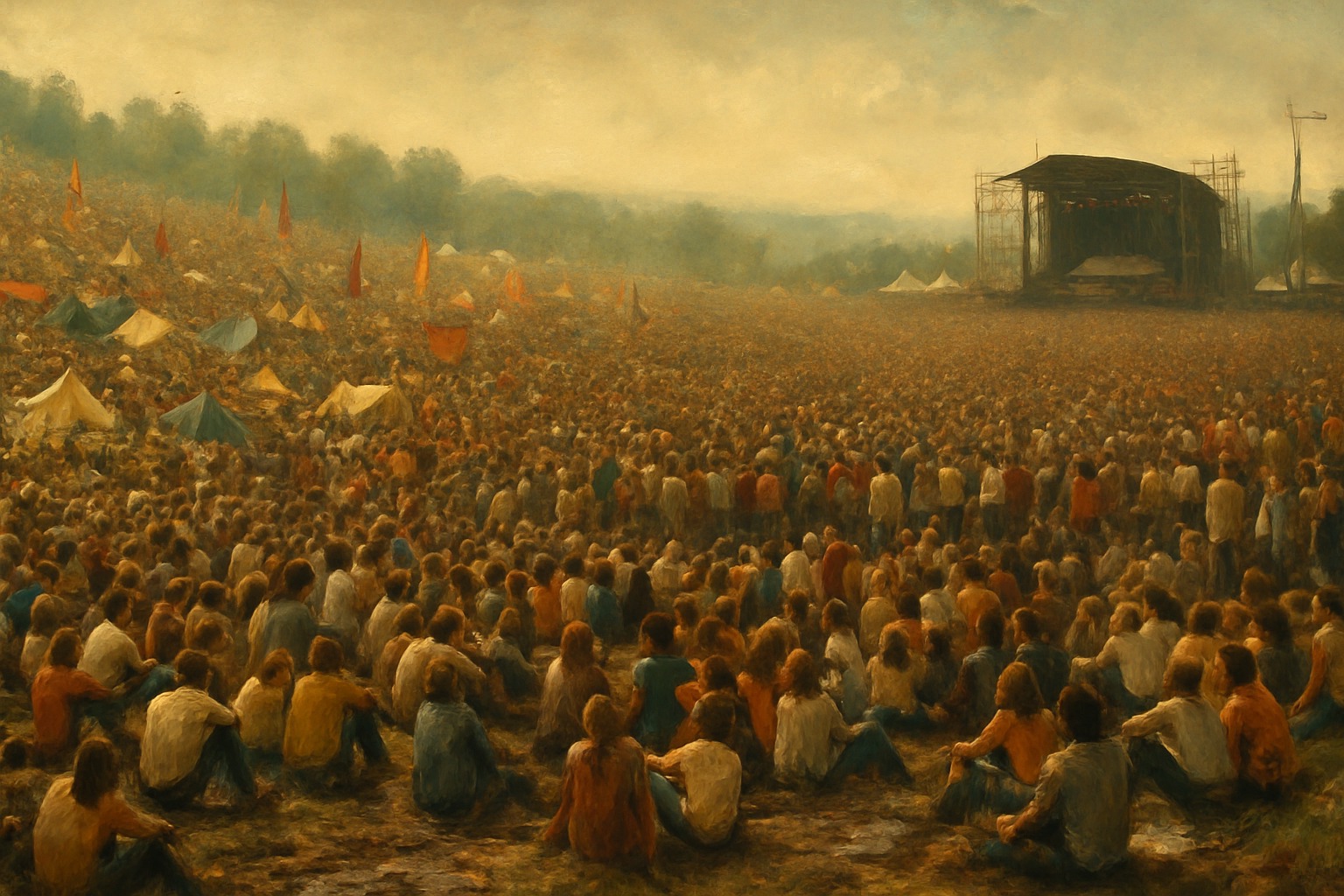
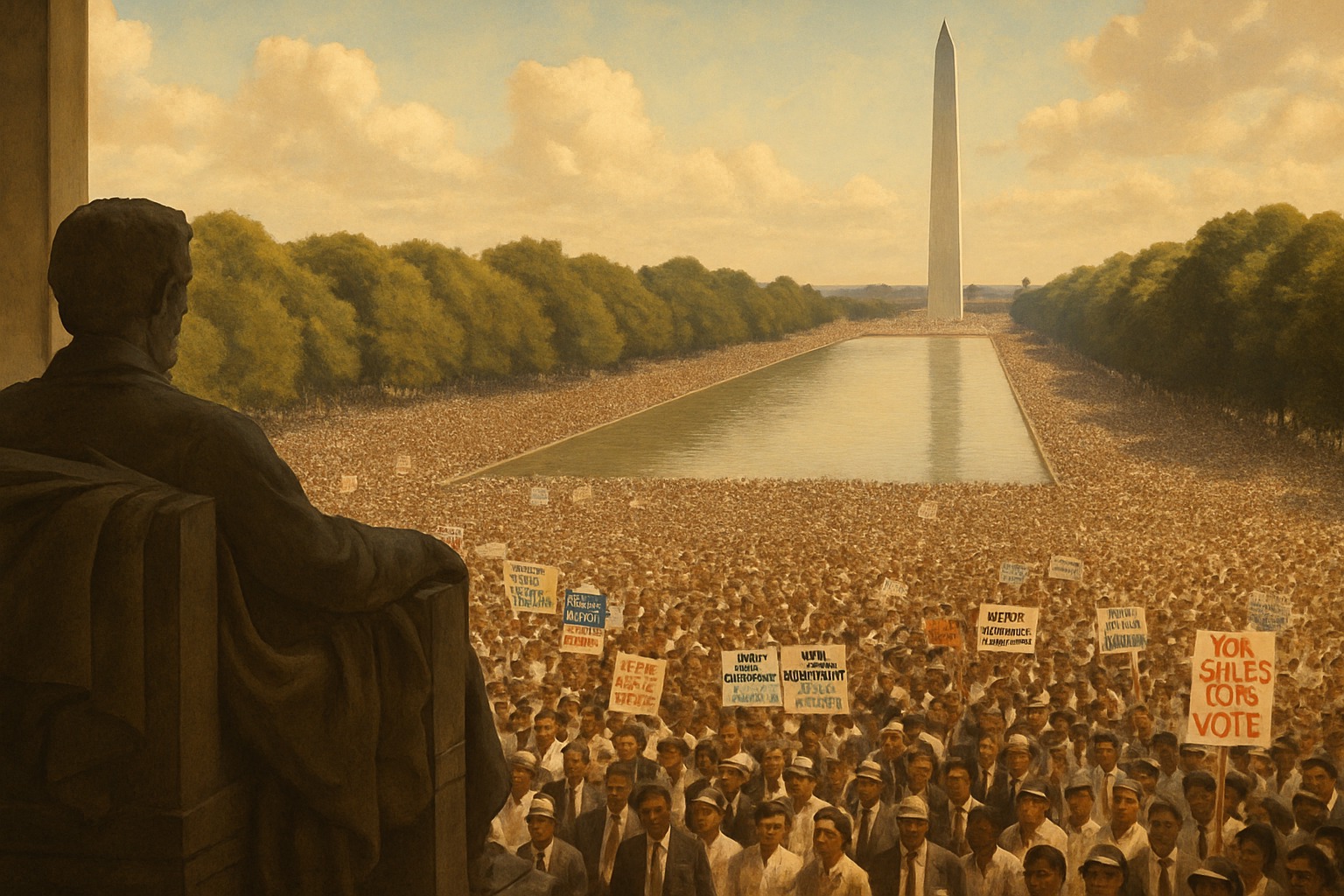
Gospel technique moved into secular songs and became soul. In Detroit, Berry Gordy built a Black-owned hit factory aimed squarely at the pop charts, and argued that crossover was itself a political act. Meanwhile the movement in the streets sang, and songwriters on both sides of the color line supplied it with material.

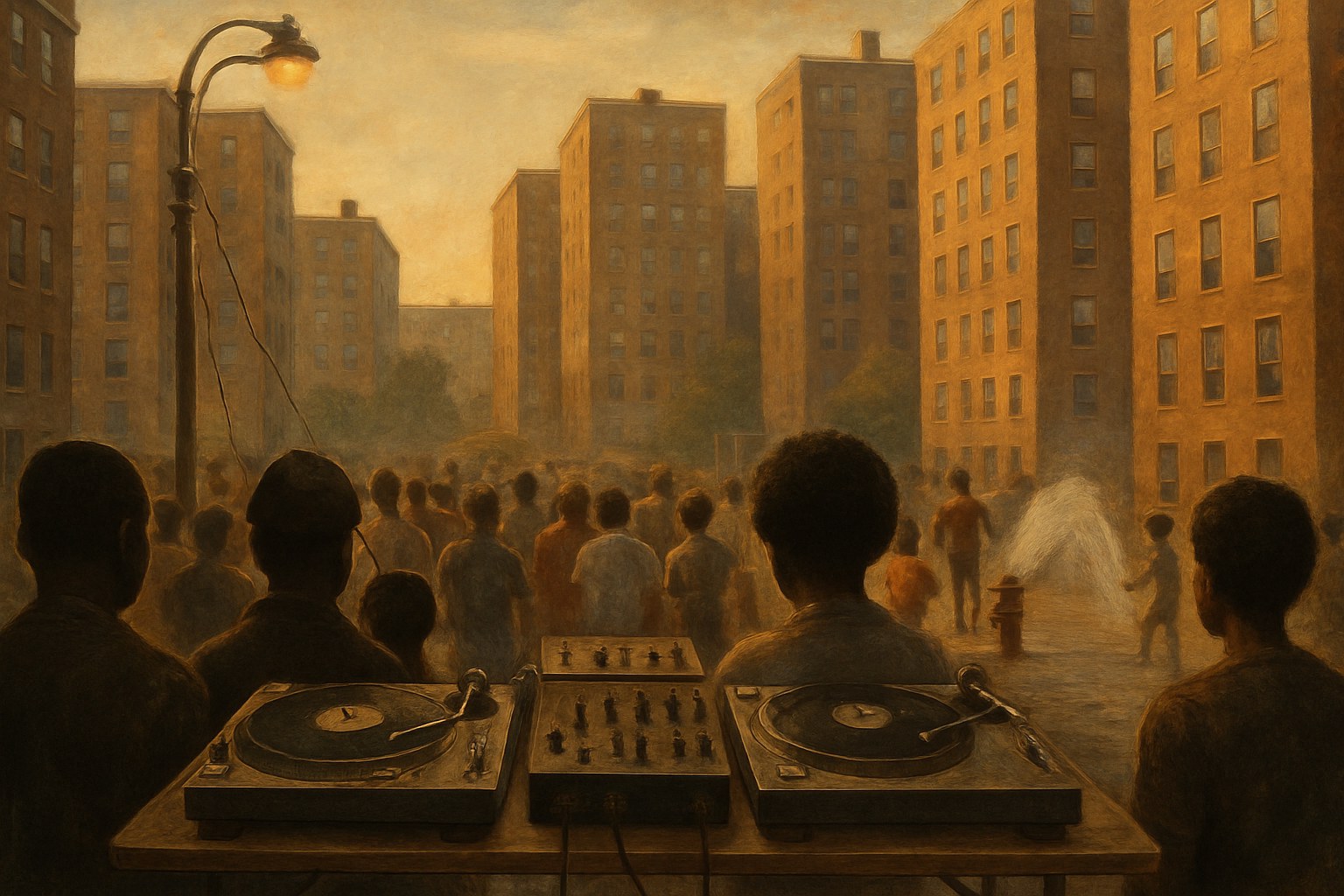
A Bronx DJ looped a drum break in 1973 and started the last great American form. Within a generation it had absorbed the recorded past through sampling and become the dominant sound of global popular music, carrying with it the same unresolved questions about credit and profit that the blues raised a century earlier.



The story runs alongside two others on this site: the Great Migration that carried Southern music into Northern cities, and the civil rights movement that its singers supplied with songs.