Detroit
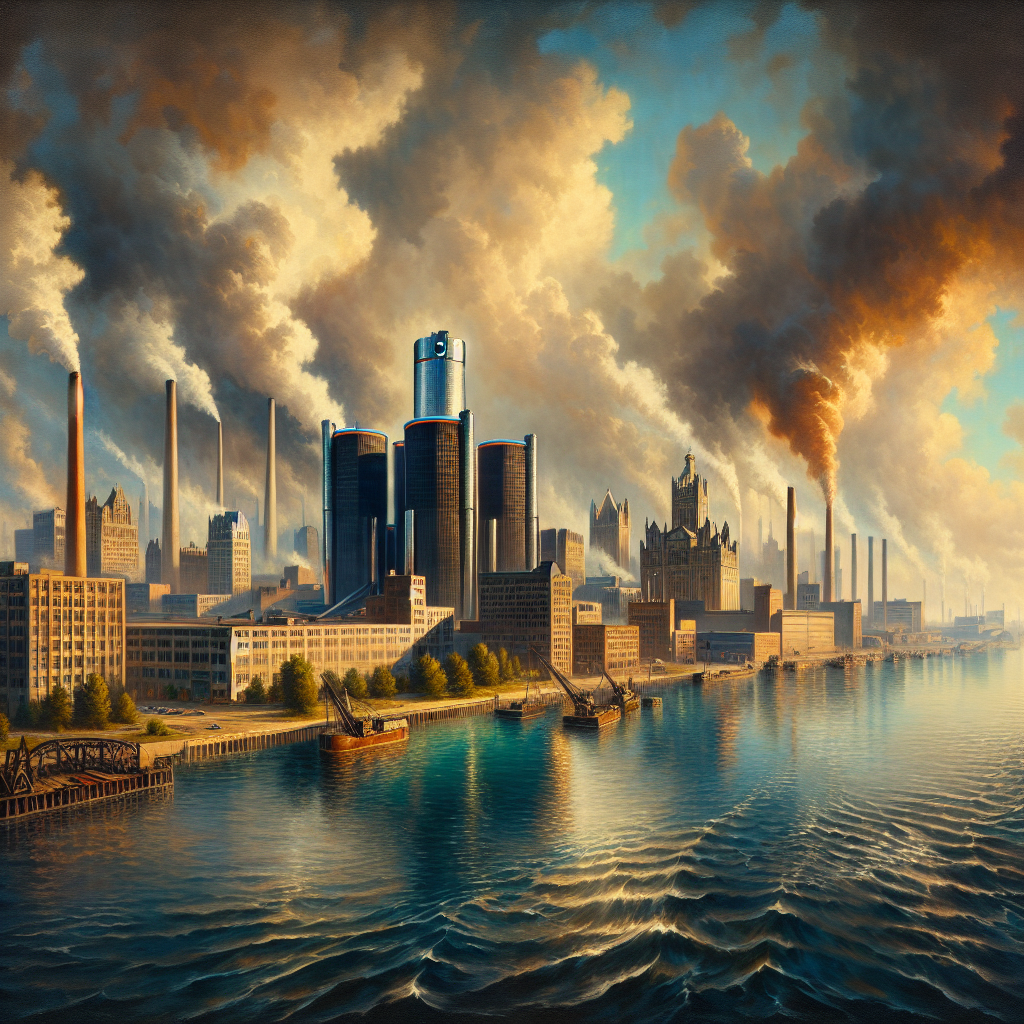
In 1908, Henry Ford introduced the Model T from a factory on Piquette Avenue in Detroit, Michigan, and set in motion an industrial transformation that would reshape not just transportation but the entire structure of American life. Detroit didn't only make cars — it invented mass production, the moving assembly line, and the $5 workday that created a viable industrial working class. By mid-century it was the fourth-largest city in the United States, its autoworkers among the best-compensated industrial workers in the world.
The UAW's 1936–37 sit-down strikes at General Motors — workers who occupied the factories rather than walking out, making replacement impossible — became one of the most consequential labor actions in American history. The contracts that followed helped establish the eight-hour workday, employer health insurance, and pension benefits that spread far beyond the auto industry. Detroit's union contracts essentially drafted the terms of the postwar American middle class and set a standard that the rest of American industry was compelled to approach.
The 1967 Detroit uprising was among the most destructive urban civil disturbances of the 20th century — 43 killed, more than 2,000 buildings burned, 7,200 arrested. Its causes were not mysterious: police brutality, residential segregation enforced by redlining, and the exclusion of Black workers from the best auto industry jobs despite decades of Great Migration arrivals from the South. The uprising accelerated white flight that was already underway, and the city that emerged was smaller, poorer, and more racially isolated.
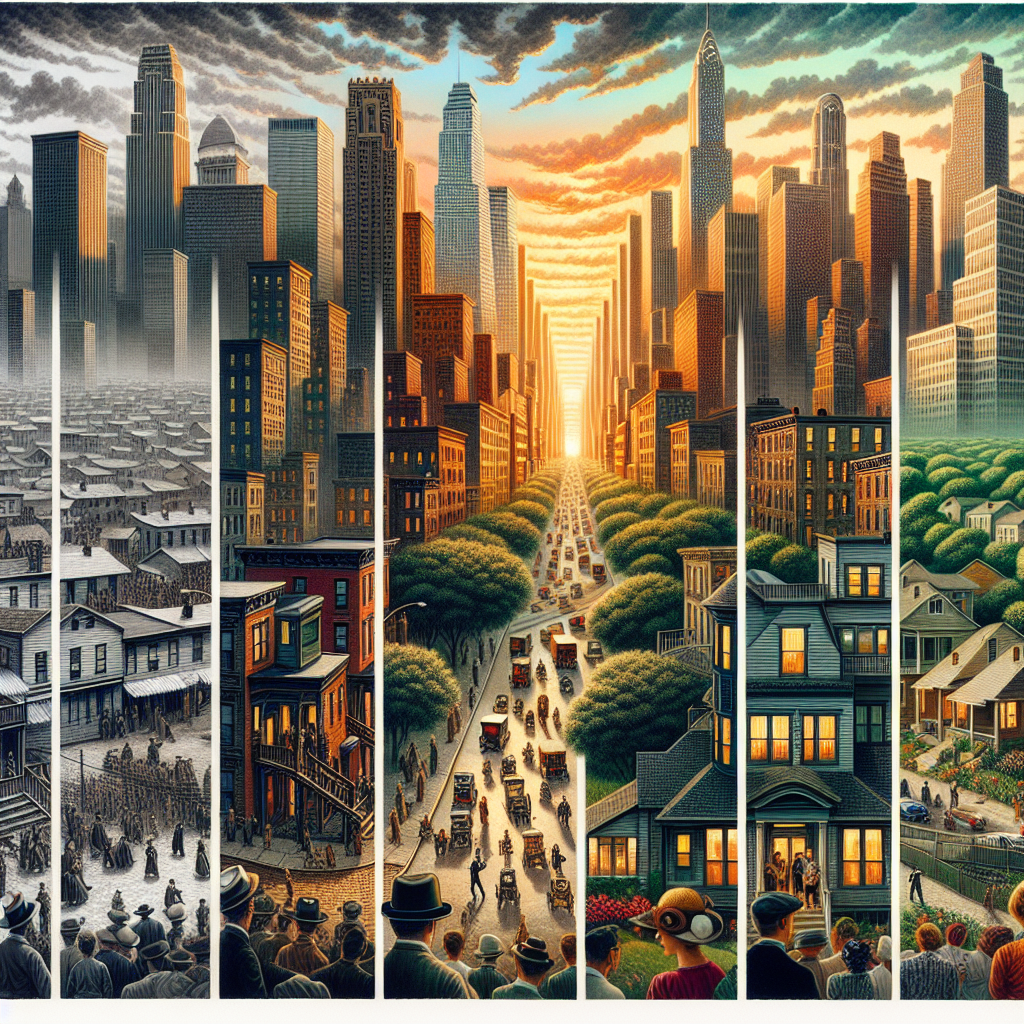
Detroit's population peaked at 1.85 million in 1950. By 2013, when the city filed the largest municipal bankruptcy in American history, fewer than 700,000 people remained. Deindustrialization, suburban flight, and fiscal collapse had stripped the tax base to bone. The bankruptcy restructured $18 billion in debt. Detroit has partially rebounded — its downtown and cultural institutions revived, its cost of living drawing new residents — but the recovery has been uneven, and the distance between the renewed core and the still-hollowed neighborhoods beyond it remains the city's defining tension.


| Founded | 1701 (Fort Pontchartrain du Détroit) |
| Ford Model T | Introduced 1908 |
| UAW sit-down strikes | 1936–1937 (General Motors) |
| Population peak | 1.85 million, 1950 |
| 1967 uprising | July 23–28; 43 killed, 2,000+ buildings burned |
| Bankruptcy filed | July 18, 2013 ($18 billion in debt) |
| Current population | ~620,000 |
| Nicknames | Motor City, Motown |
| Years | 1701 |
| Location | Detroit, Michigan |