American Music
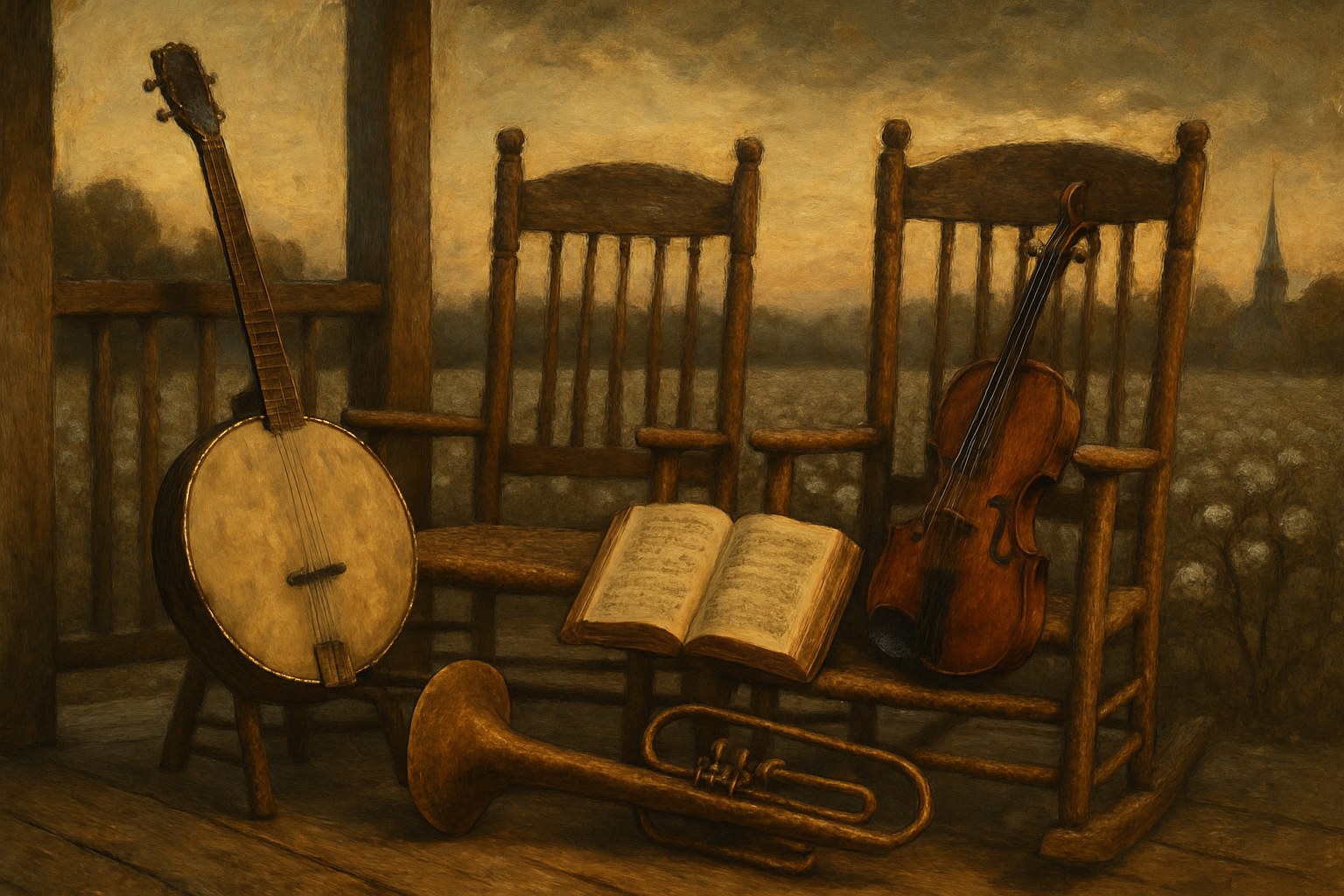
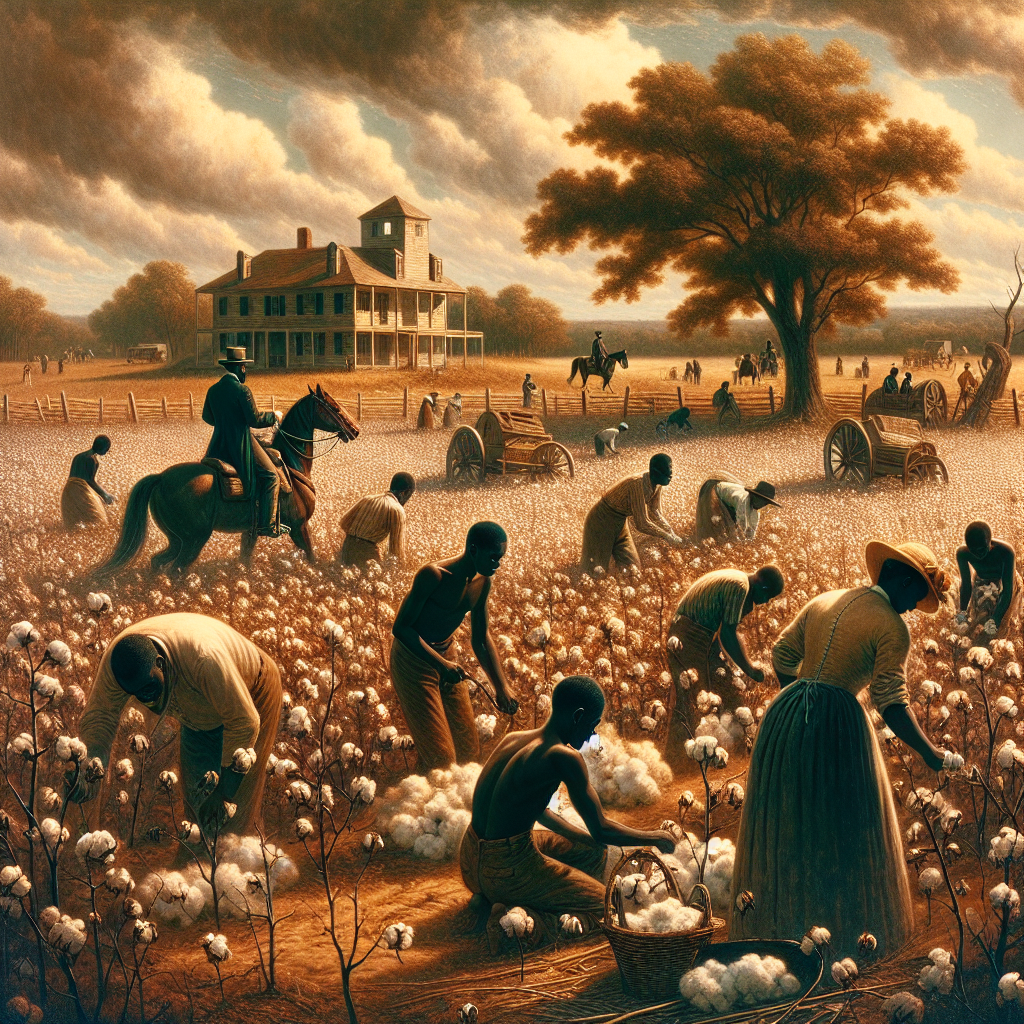
No single tradition made American music. What became the country's most successful cultural export was assembled, largely without anyone intending it, out of two musical systems that met under conditions of extreme coercion. West and Central Africans carried to the plantations of the South brought rhythmic layering, call and response, bent pitches, and a conception of music as collective participation rather than performance. Europeans brought hymn tunes, ballads, dance forms, the fiddle, and the harmonic grammar of the church. The two systems did not blend politely. They collided, over generations, in the fields and churches of the American South.
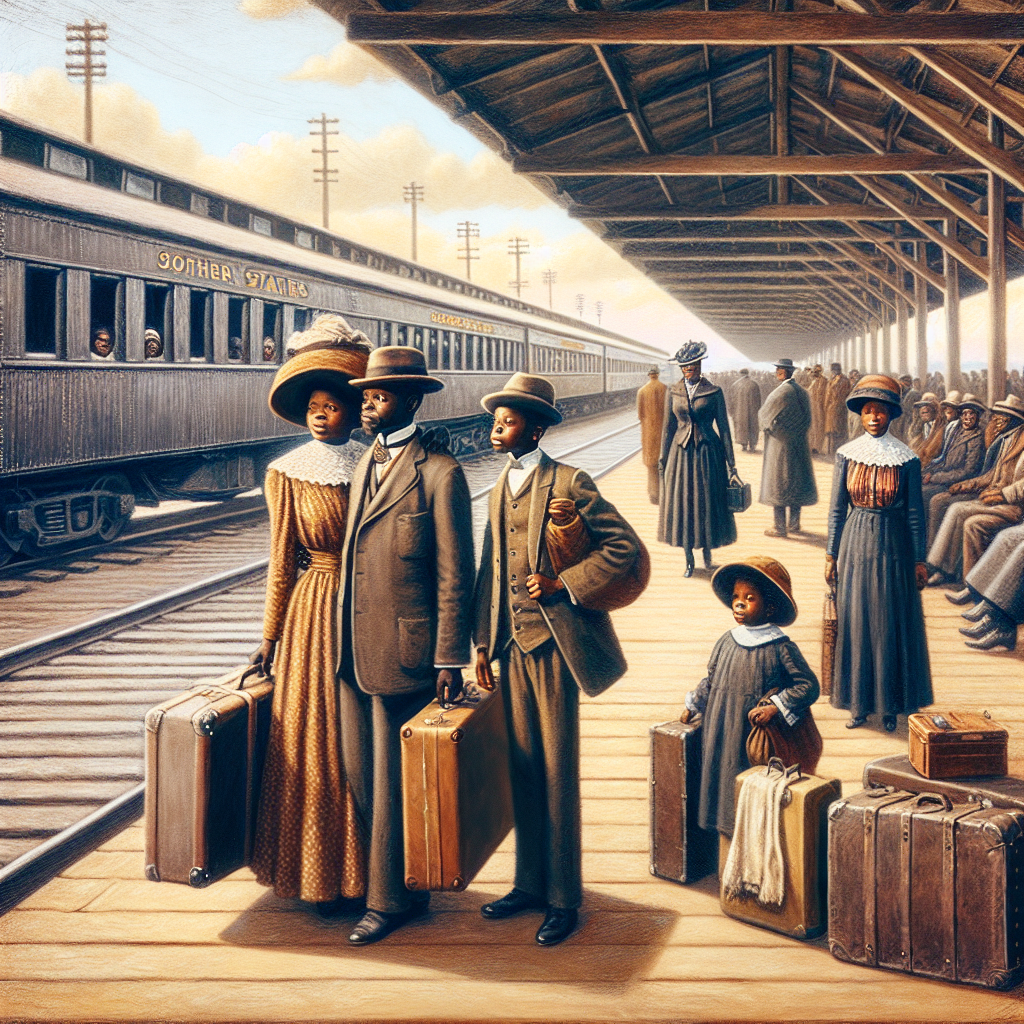
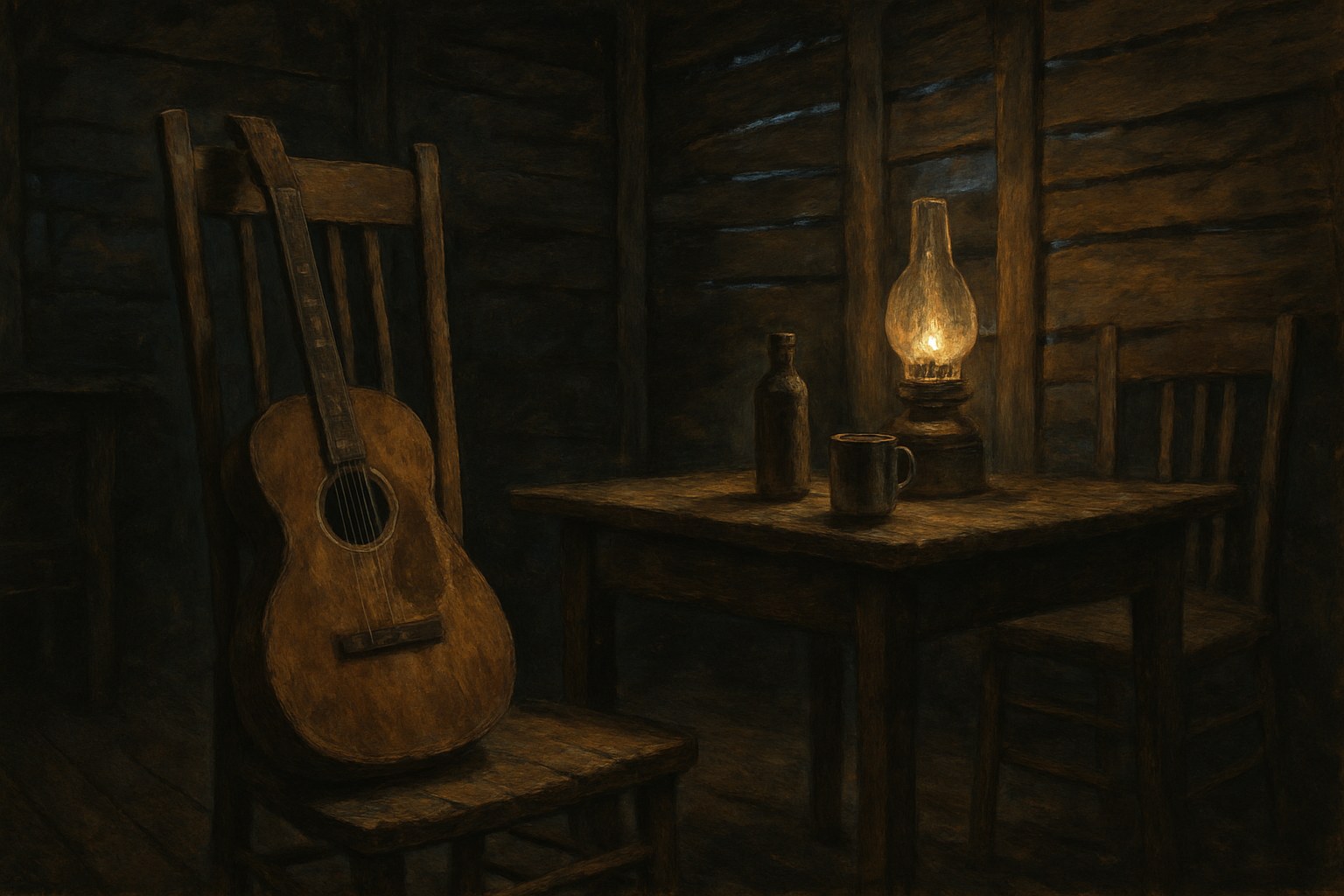
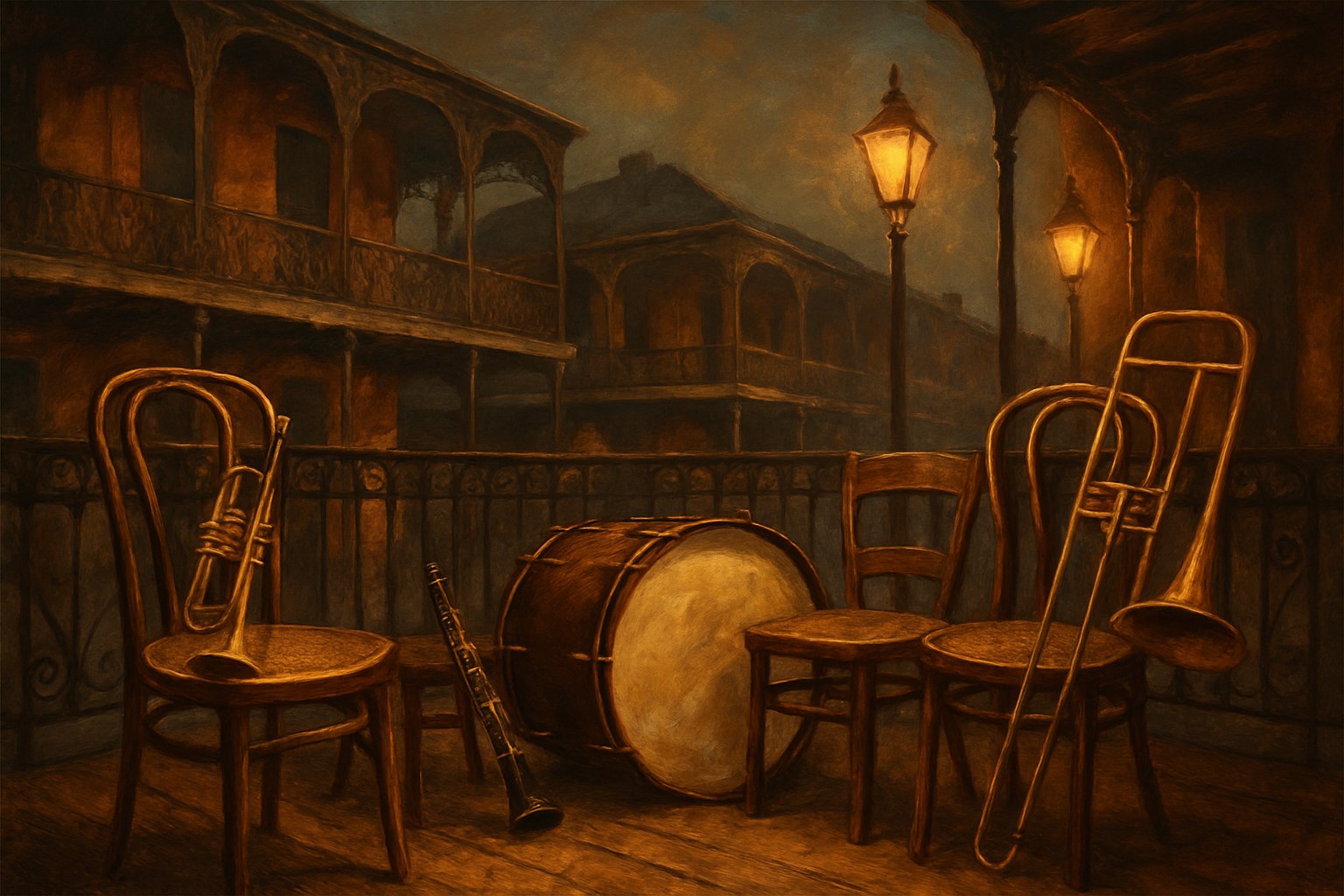
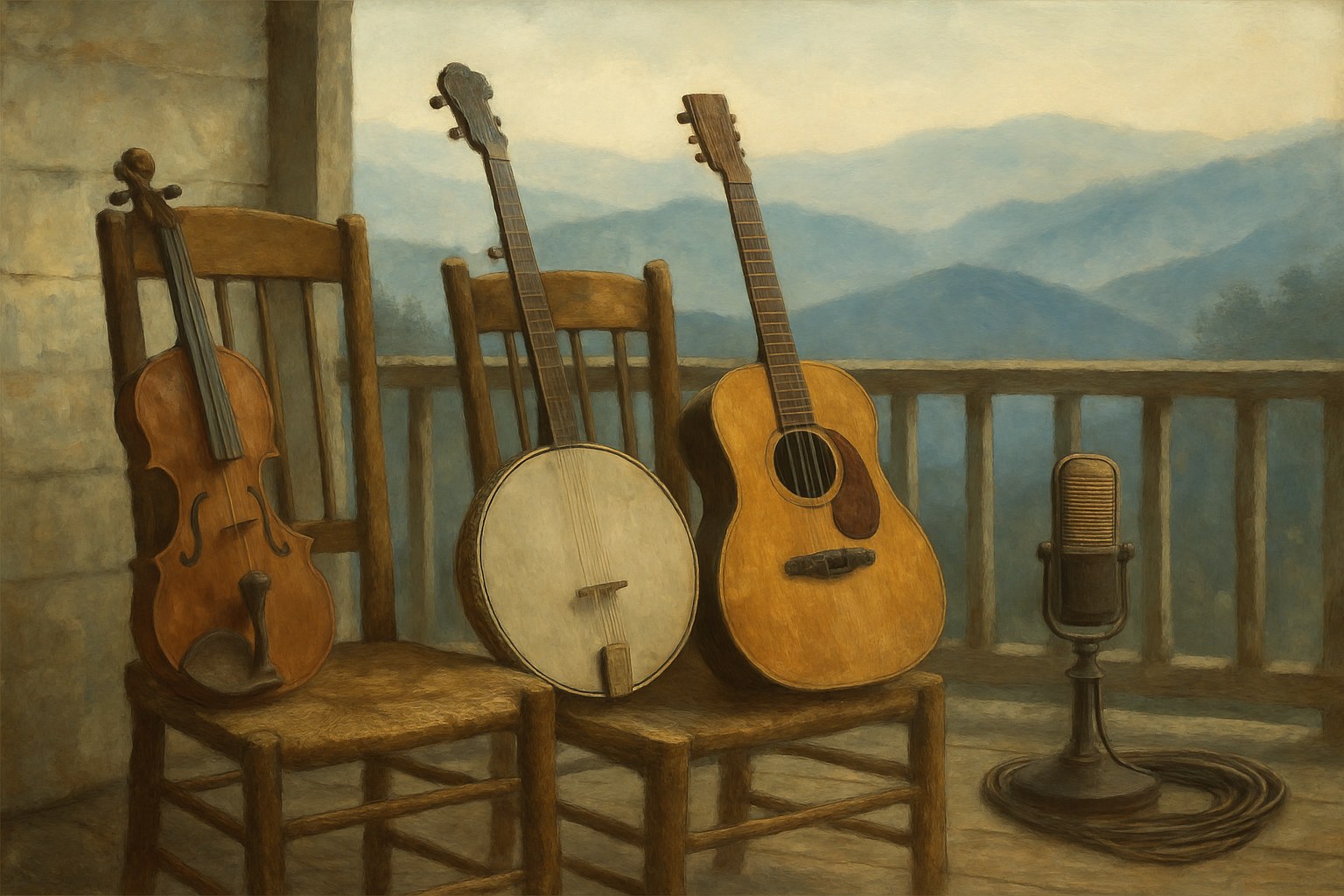
That collision produced a family of forms rather than a single style. Work songs and field hollers became the blues. The ring shouts and spirituals of the Black church became gospel. Syncopated piano built over a march bass became ragtime, and the brass bands and Creole conservatory training of New Orleans became jazz. White Southern string bands, drawing on Scots-Irish ballads and on the banjo — an instrument brought to America by enslaved Africans — became country. Each was a local music long before it was a national one, and each traveled north and west on the backs of migrants leaving the South.
Technology turned regional musics into national property. Sheet music sold ragtime in the 1890s, the phonograph carried blues and country into homes in the 1920s, radio reached listeners who could not afford records, and the 45, the LP, and the transistor radio did it all again after the war. Commerce also enforced the color line. Record companies sorted nearly identical Southern material into race records and hillbilly records, marketed them to separate audiences, and paid Black musicians less and later than the white performers who covered them. The music crossed the line constantly. The money mostly did not.
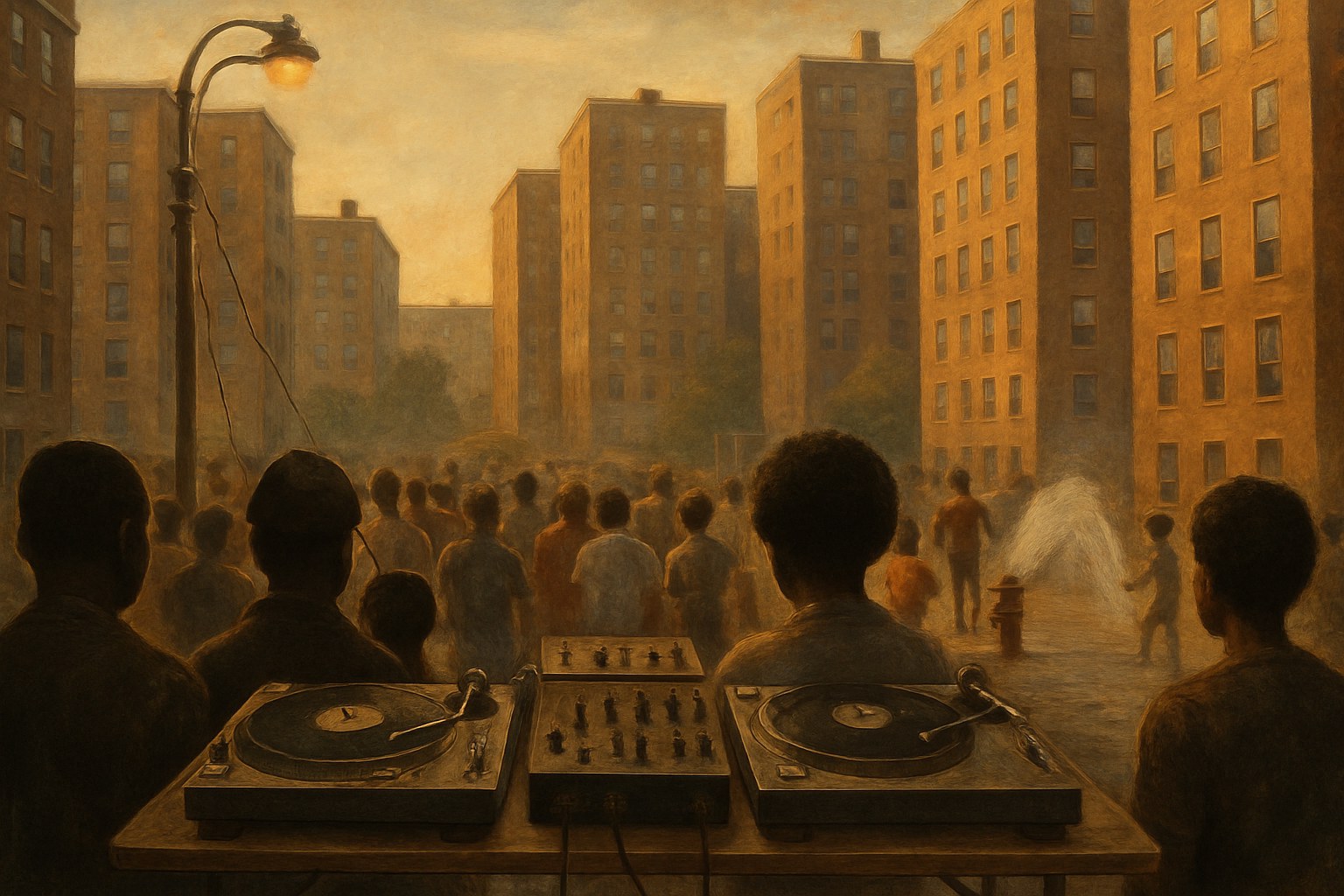
The result is the unusual case of a subjugated population's culture becoming the dominant culture of the nation that subjugated it, and then of much of the world. Blues, jazz, country, rock and roll, soul, and hip-hop all descend from the same Southern encounter, and all of them found audiences far beyond the United States. Arguments over credit, ownership, and appropriation run through the whole history and have never been settled, in part because the music was never any one group's single property to begin with. What America exported was not a style but a method of mixing.
| Roots | West African rhythm and call-and-response, European song and harmony |
| Crucible | The American South under slavery and segregation |
| Core forms | Blues, gospel, ragtime, jazz, country, rock, soul, hip-hop |
| Engine | Sheet music, the phonograph, radio, the 45, the sampler |
| Fault line | Race records and hillbilly records — separate catalogs, shared material |
| Contested | Credit, ownership, and appropriation, still unsettled |
| Date | 1700s-present |