American Slavery
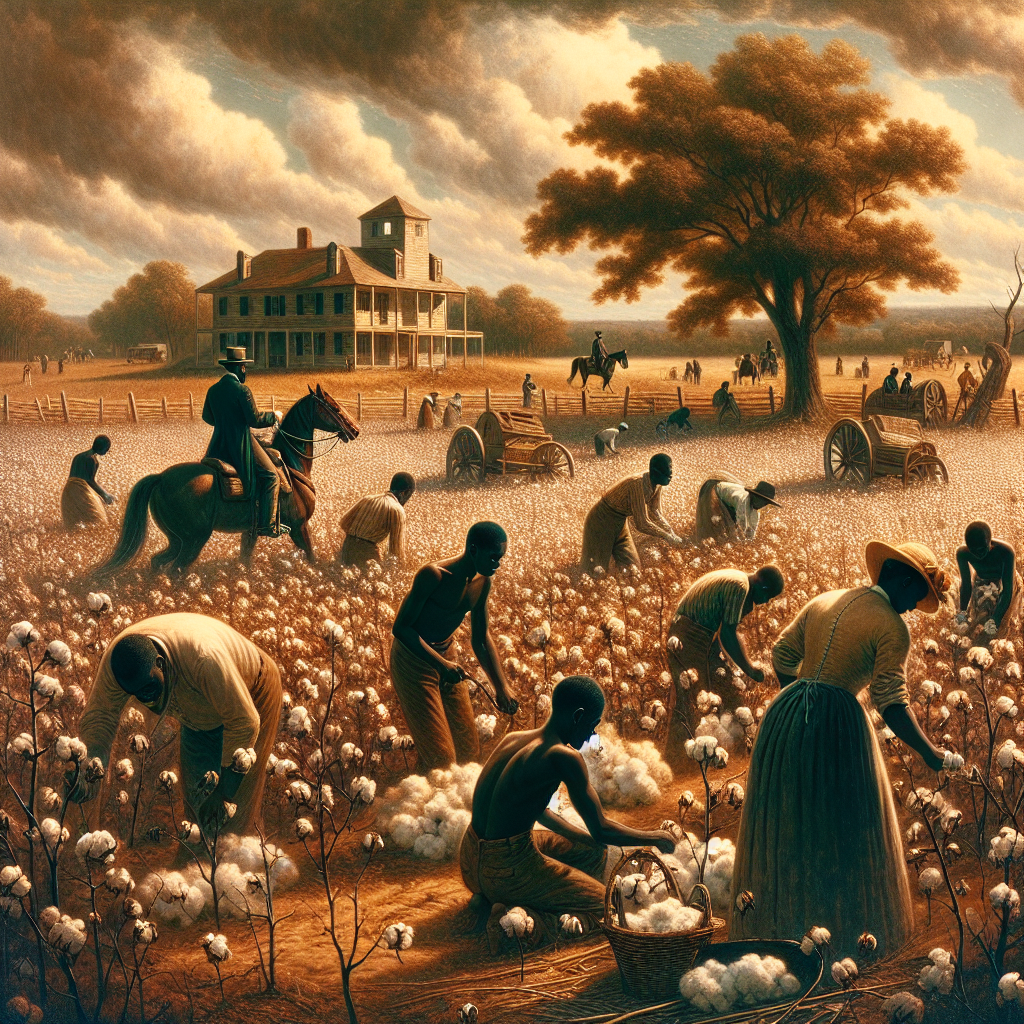
American slavery was not an aberration or a holdover from a cruder time that the Founders failed to eliminate — it was, at the moment of the republic's founding, its most productive economic institution and its most politically explosive moral contradiction. In 1790, the year of the first federal census, approximately 700,000 enslaved people were held in the United States, concentrated in the tobacco and rice economies of the South. By 1860, that number had grown to nearly four million — not through continued importation, which Congress banned in 1808, but through natural increase in a population that was held in bondage by law, denied the most basic rights, and subjected to a system of coercion, violence, and psychological domination that the historian Ned Sublette called "the most efficiently cruel system of social control ever devised."
The domestic slave trade — the buying and selling of enslaved people within the United States — was the largest forced migration in American history and one of the largest financial markets in the antebellum economy. By 1860, enslaved people represented the largest single asset class in the United States, with a total market value estimated at $3 billion — more than all the country's railroads and factories combined. Cotton, grown almost entirely by enslaved labor, accounted for roughly 60 percent of American exports. The wealth slavery generated was not merely Southern: Northern textile mills processed Southern cotton, Northern banks financed Southern plantations, and Northern insurance companies insured enslaved people as property. The national economy was built on the coerced labor of four million human beings, and the national political system was organized around protecting that arrangement.
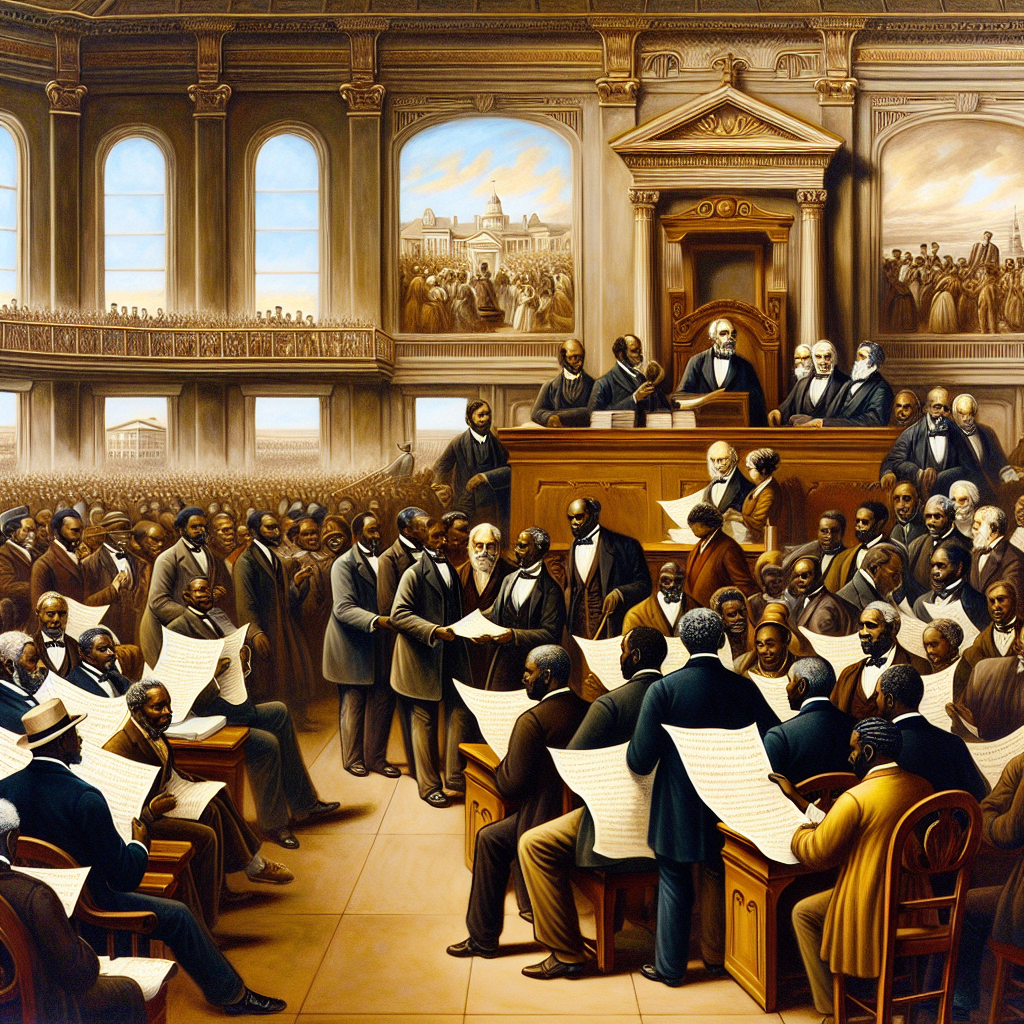
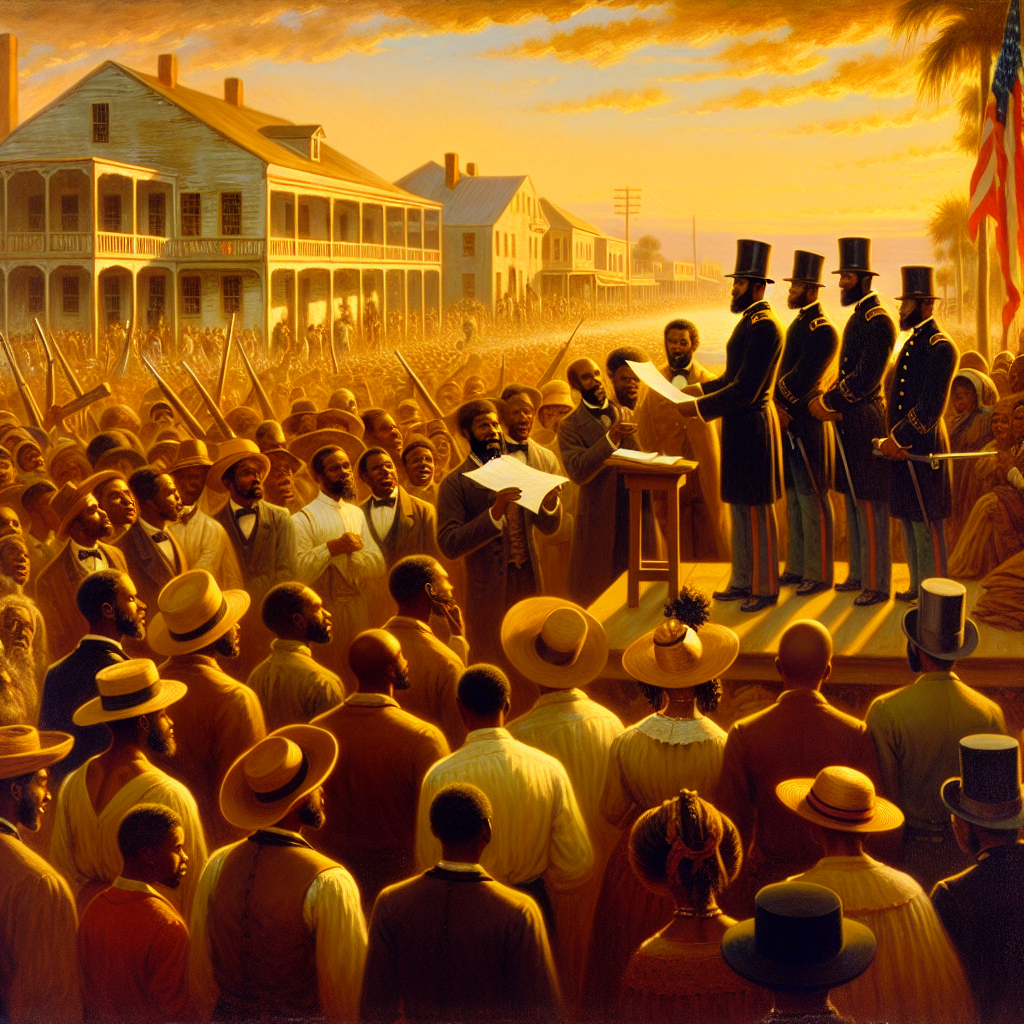
The legal architecture of American slavery was comprehensive and interlocking. The Constitution's Three-Fifths Compromise gave slaveholding states extra congressional representation for people they refused to recognize as persons. The Fugitive Slave clauses required free states to return escaped enslaved people. The Dred Scott decision ruled that Black people had no rights that white men were bound to respect. State slave codes specified the conditions of enslavement with elaborate precision — who could be held, under what circumstances violence was permitted, what evidence an enslaved person could give in court. The system was not informal brutality. It was law. The Civil War and the 13th, 14th, and 15th Amendments ended the formal institution; their enforcement was abandoned by 1877, and the system of racial domination they were meant to dismantle reconstituted itself in new legal forms that lasted another century.





| Introduced | 1619 — first enslaved Africans at Jamestown |
| Peak population | ~4 million (1860 census) |
| Domestic trade | Largest forced migration in U.S. history |
| Value 1860 | ~$3 billion — largest U.S. asset class |
| Cotton exports | ~60% of U.S. exports by 1860 |
| Import ban | 1808 |
| Abolished | 13th Amendment, December 6, 1865 |
| Years | 1619–1865 |
| Location | United States |