The Blues
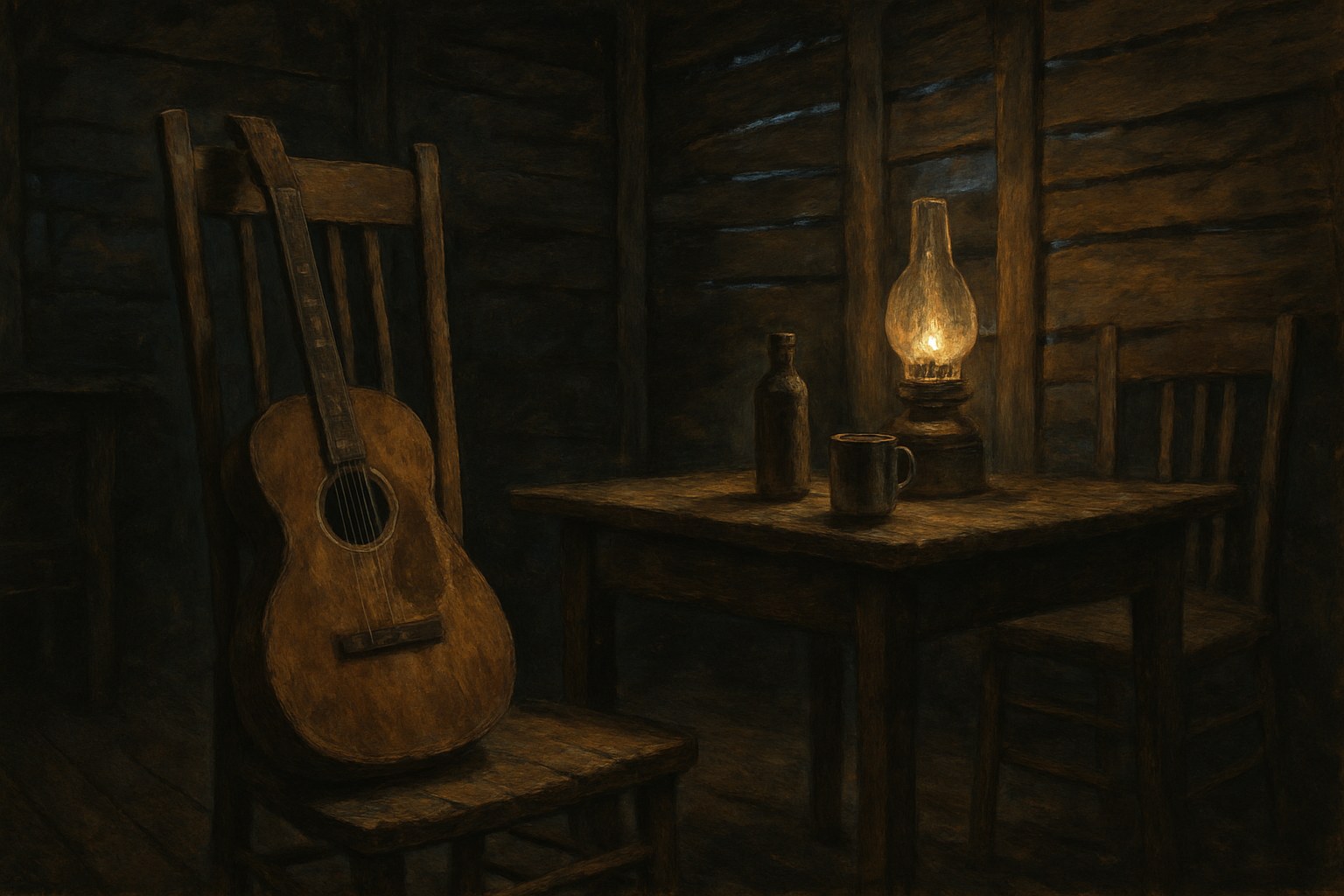
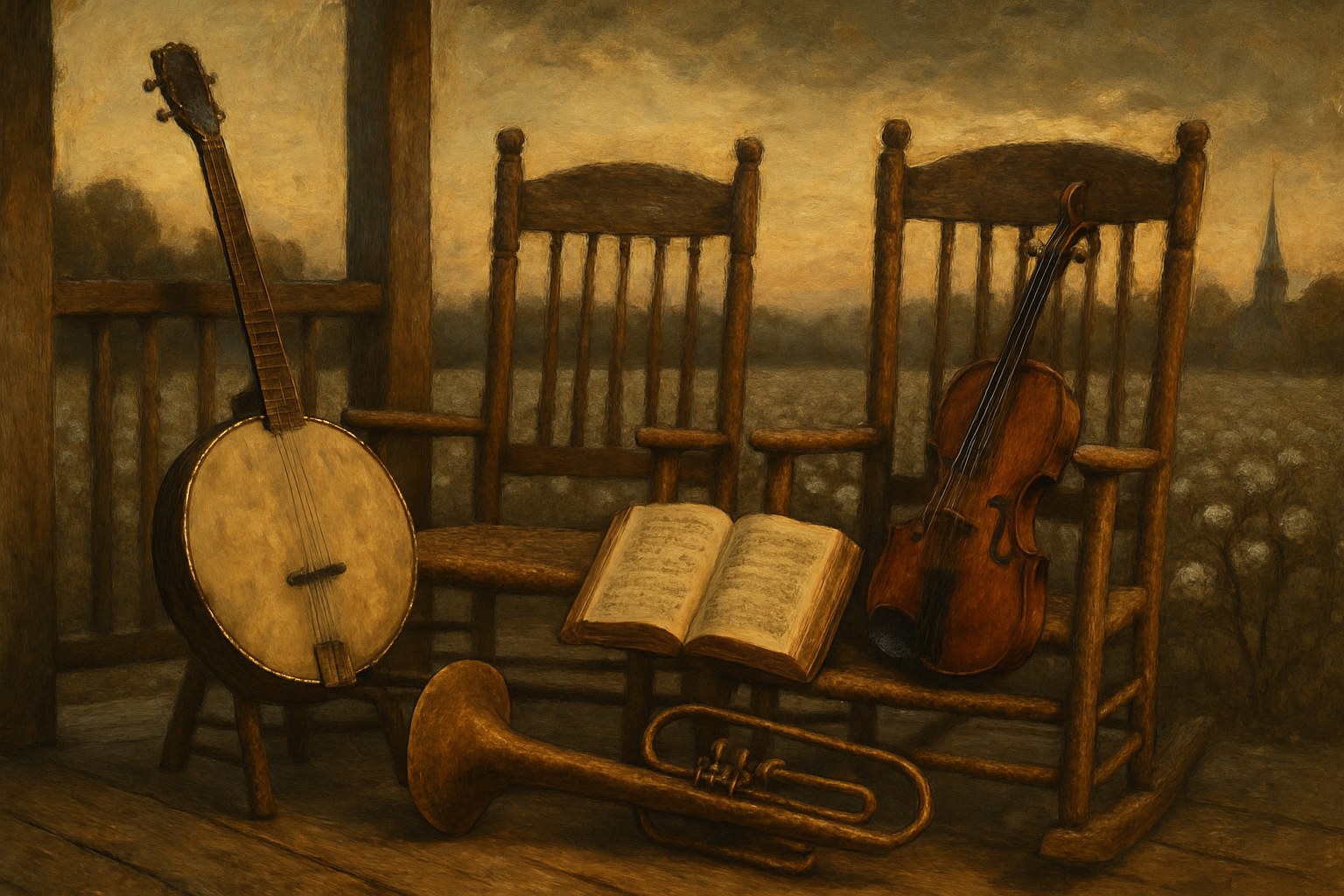
In the Mississippi Delta after Reconstruction, Black workers farmed cotton land they did not own, under a sharecropping system that kept most of them in permanent debt and a legal order that kept them from voting. The music they made at work sounded like nothing in the European repertoire — field hollers thrown across a row, work songs that set the pace of a levee gang, the moans and shouts of a Saturday night juke joint. Notes fell between the cracks of the piano keys. A voice called and an instrument answered it. Somewhere around the 1890s this material settled into the blues.
The form hardened into a twelve-bar pattern over three chords, with a lyric line stated, repeated, then answered — loose enough for improvisation and tight enough that strangers could play it together on first meeting. W. C. Handy, a trained bandleader, said he heard a slide guitarist at a Mississippi railroad station in 1903 and began publishing arrangements of what he heard, giving the music printed form and a commercial life. Handy did not invent the blues and never claimed to. He transcribed, arranged, and marketed something already old among the people who made it.
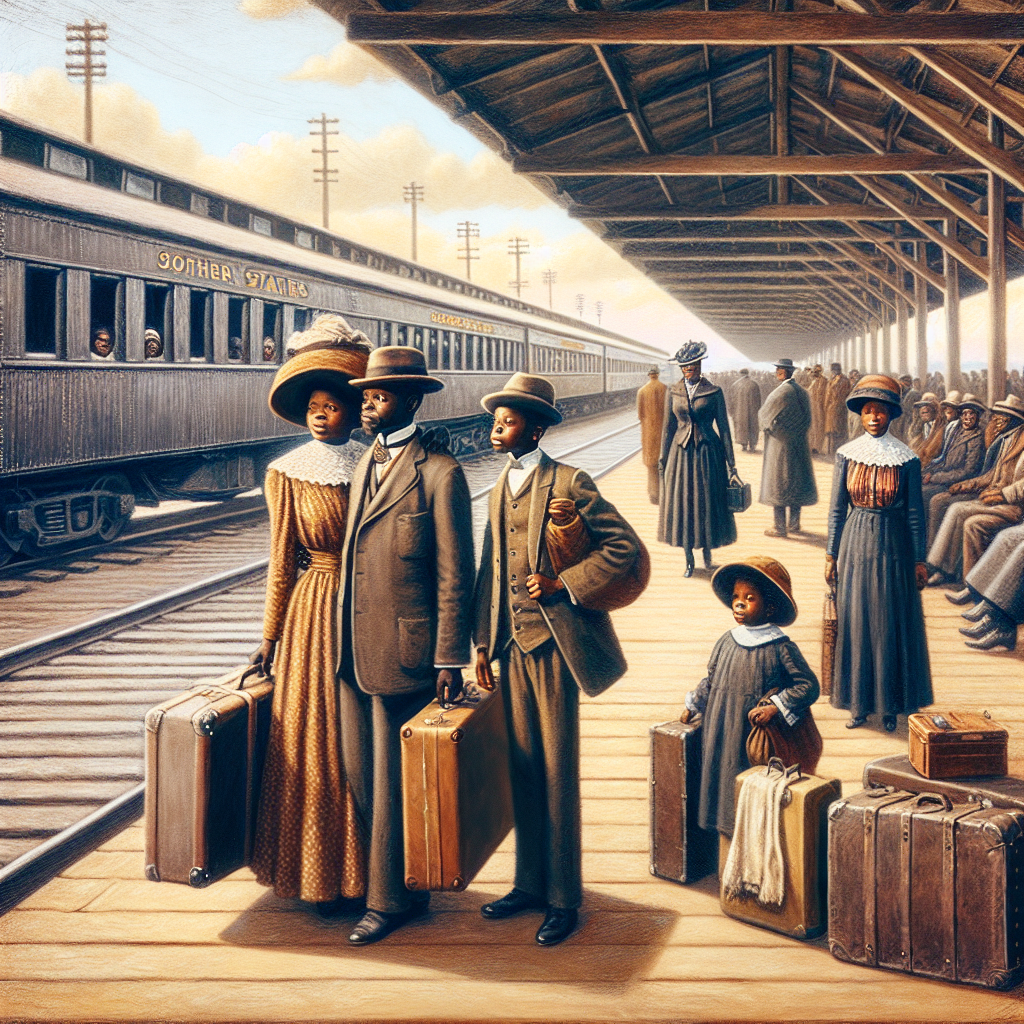
The first blues records were made by women. Mamie Smith's Crazy Blues sold enormously in 1920 and proved to the labels that Black listeners bought records in quantity. The classic blues era that followed put Bessie Smith, Ma Rainey, and Ida Cox on the Black theater circuit with jazz bands behind them. Country blues players such as Charley Patton, Son House, and Robert Johnson recorded alone with a guitar. When the Great Migration carried the Delta north, Muddy Waters and Howlin' Wolf plugged in on the South Side of Chicago, and the amplified band blues of the late 1940s took shape.
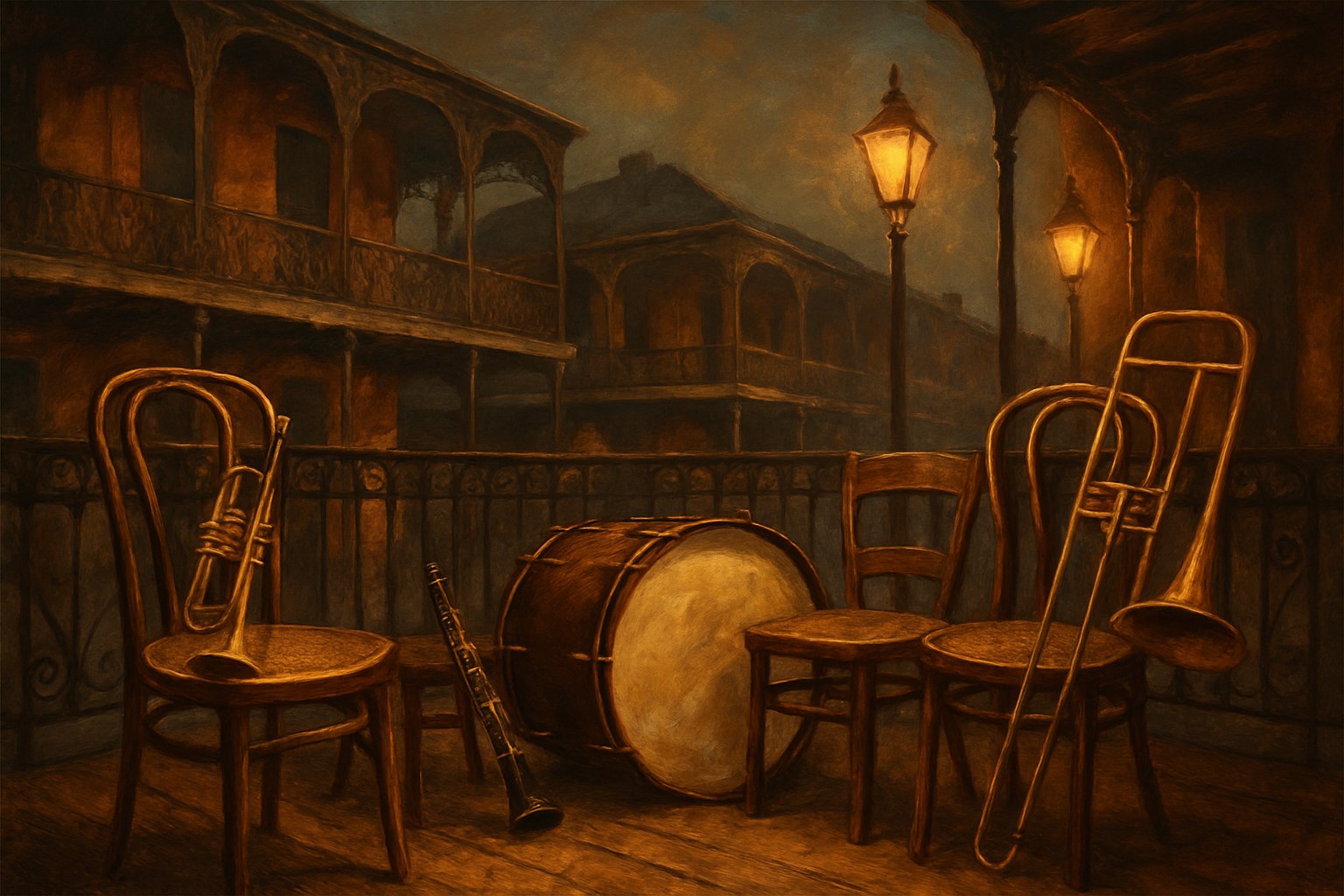
Nearly every American popular form since runs back through the blues. Jazz took its inflections, rhythm and blues took its structure, rock and roll took its twelve bars and its swagger, and soul took its vocal approach. British bands of the 1960s sold the music back to an American audience that had largely ignored the people who made it, many of whom died poor while their songs earned for others. The blues also carried a way of speaking about hardship without pleading — plain, wry, and unsentimental — that entered American language and American humor well beyond music.

| Origin | Mississippi Delta, c. 1890s |
| Sources | Work songs, field hollers, spirituals, ballads |
| Form | Twelve bars, three chords, a line stated, repeated, answered |
| First hit | Mamie Smith, Crazy Blues, 1920 |
| Electrified | Chicago, late 1940s — Muddy Waters, Howlin' Wolf |
| Descendants | Jazz, rhythm and blues, rock and roll, soul |
| Date | Emerged c. 1890s |
| Location | Clarksdale, Mississippi |