Gospel Music
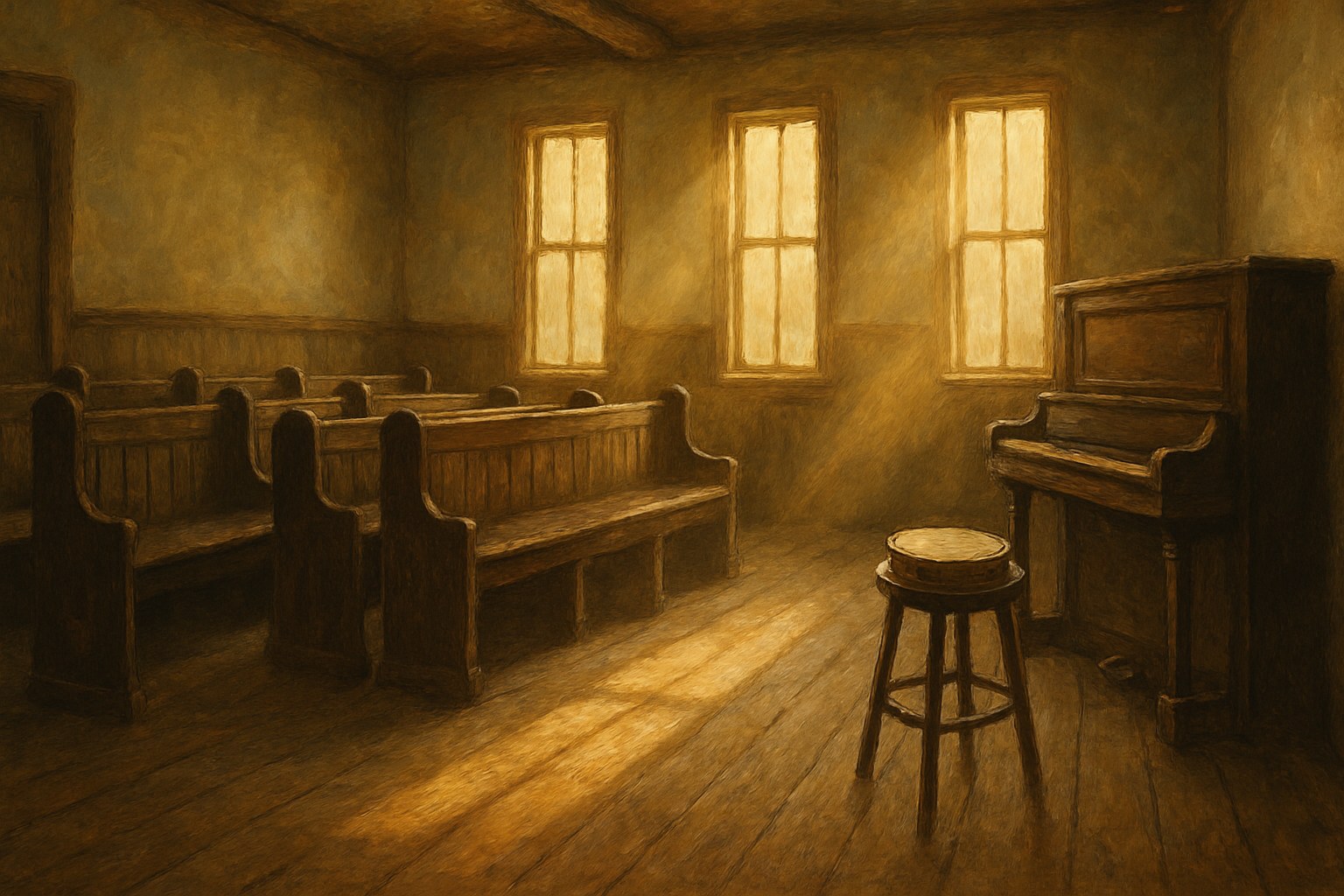
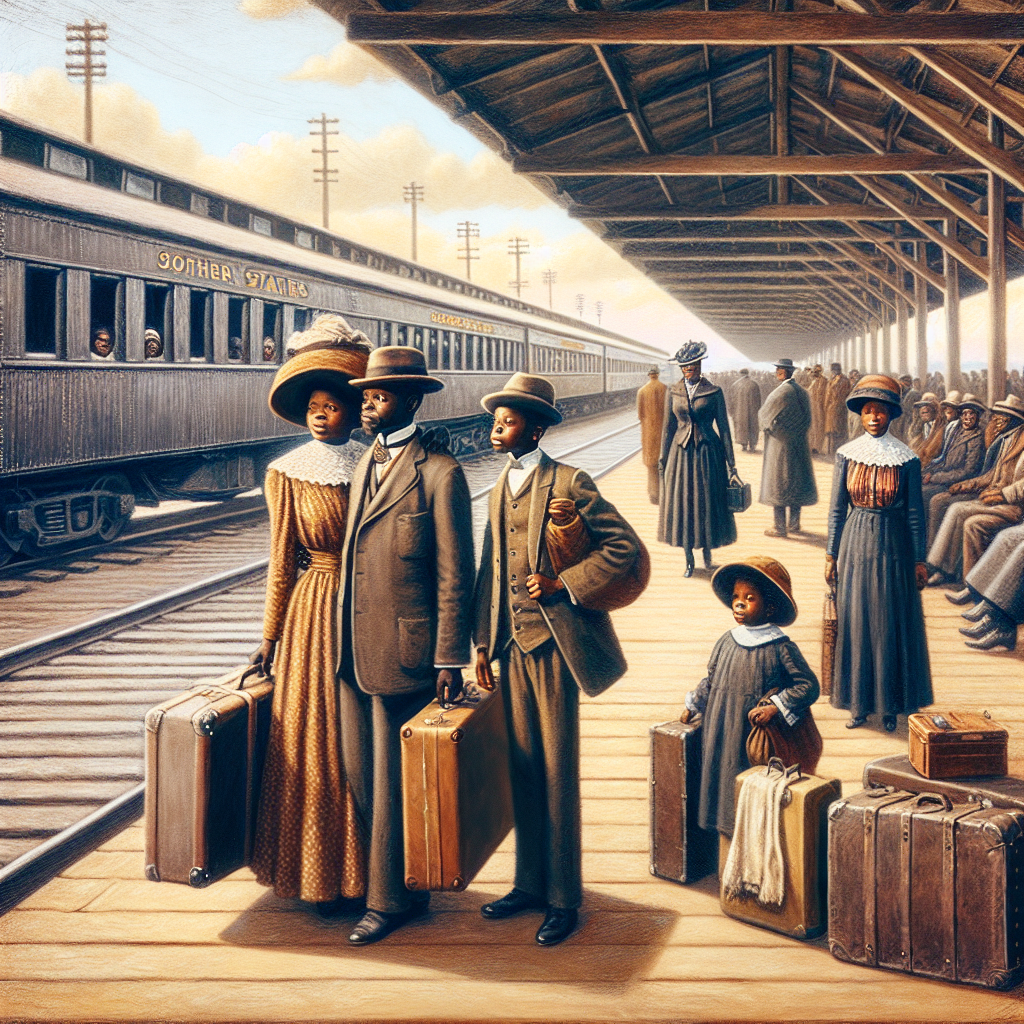
The Black church in the United States was built by people barred from nearly every other institution, and it carried a musical practice older than the country itself. Spirituals sung under slavery, the ring shout, lined-out hymns in which a leader gives a line and the congregation answers it, and improvised collective response all treated music as something done rather than something watched. In the early twentieth century, as Pentecostal and Holiness churches spread and the Great Migration filled Northern cities with Southern congregations, that practice began to take a new and deliberately modern shape.
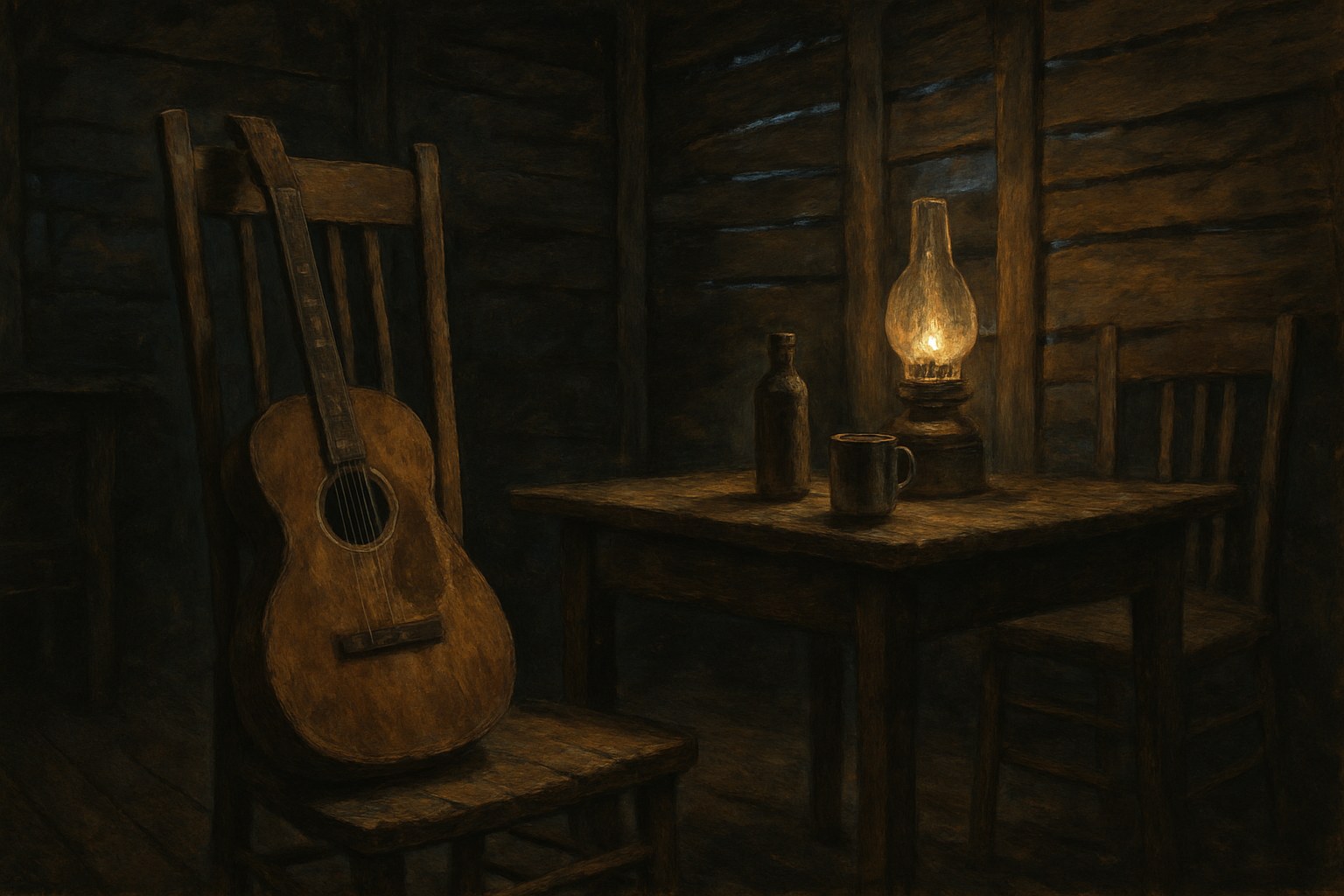
Thomas A. Dorsey had been a working blues pianist in Chicago, recording under the name Georgia Tom, before he turned to sacred music in the early 1930s. He wrote songs that used blues harmony and phrasing to carry Christian text, and many congregations rejected them outright as the devil's music dressed for Sunday. He persisted, published his own work, and organized choirs and a national gospel convention. Take My Hand, Precious Lord, written in the wake of his wife and infant son dying, became one of the most widely sung American songs of the century.
Mahalia Jackson, who refused to sing secular material for her entire career and turned down large sums to keep that vow, gave gospel a national audience through records, radio, and television. The gospel circuit also became the training ground for a generation of singers who later crossed into popular music. Sam Cooke, Aretha Franklin, Ray Charles, Wilson Pickett, and many others learned phrasing, breath control, and the art of raising a room in church long before they entered a studio. Soul music is in large part gospel technique applied to secular subjects, a move some churches never forgave.
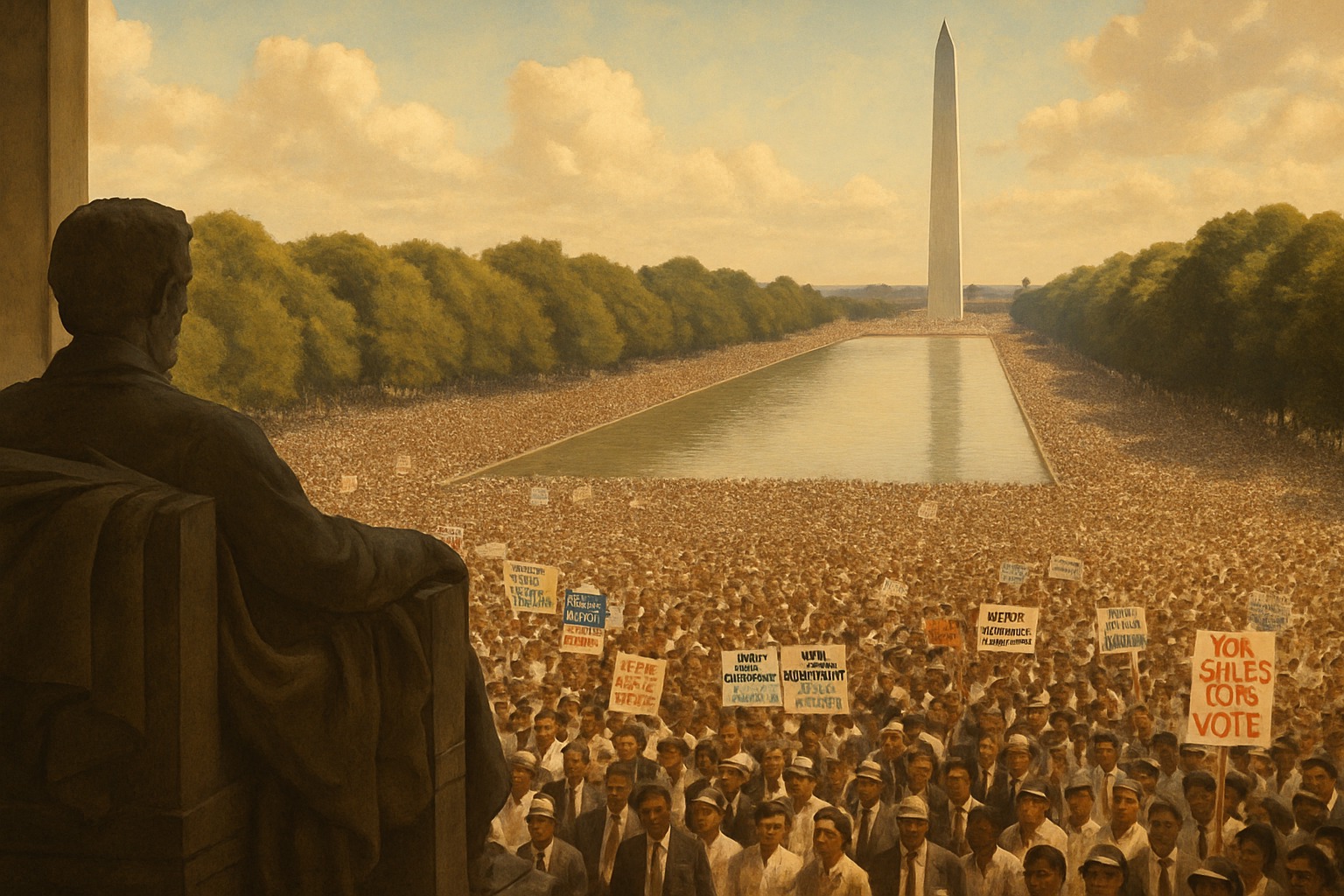
Gospel was also the working soundtrack of the civil rights movement. Mass meetings opened with hymns, marchers sang to hold ranks and steady nerve, and freedom songs adapted gospel melodies with new words to fit the campaign at hand. Jackson sang at the March on Washington shortly before Martin Luther King Jr. spoke, and by several accounts called out to him from behind the podium to tell the crowd about the dream. The tradition gave the movement a discipline of collective voice and gave American popular singing its deepest reservoir of vocal style.
| Roots | Spirituals, ring shouts, lined-out hymns, Pentecostal worship |
| Modernizer | Thomas A. Dorsey, Chicago, from about 1930 |
| Signature song | Take My Hand, Precious Lord |
| Great voice | Mahalia Jackson, who never sang secular material |
| Alumni | Sam Cooke, Ray Charles, Aretha Franklin, Wilson Pickett |
| Movement | Supplied the freedom songs of the civil rights era |
| Date | From the 1930s |
| Location | Chicago, Illinois |