Louis Armstrong
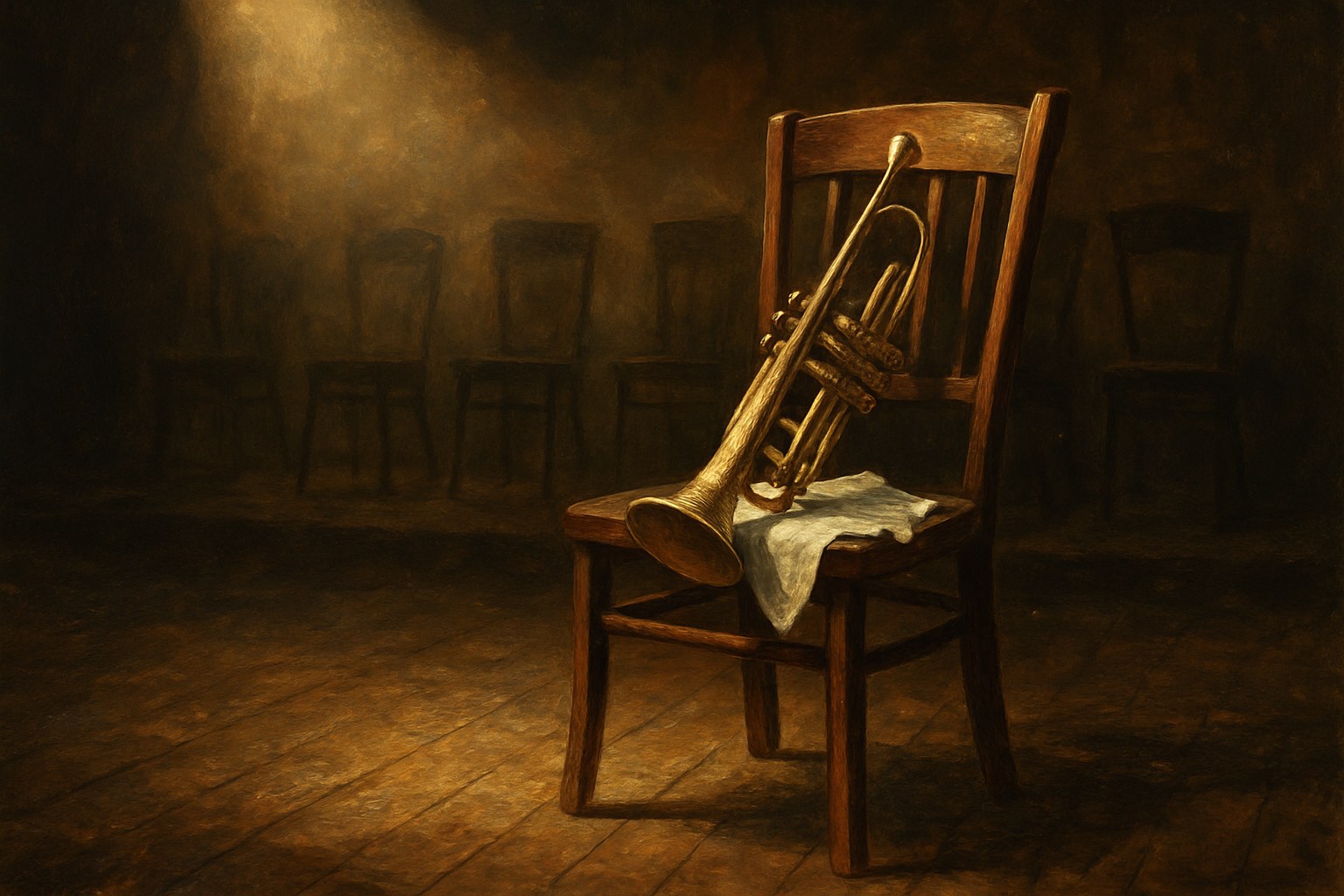
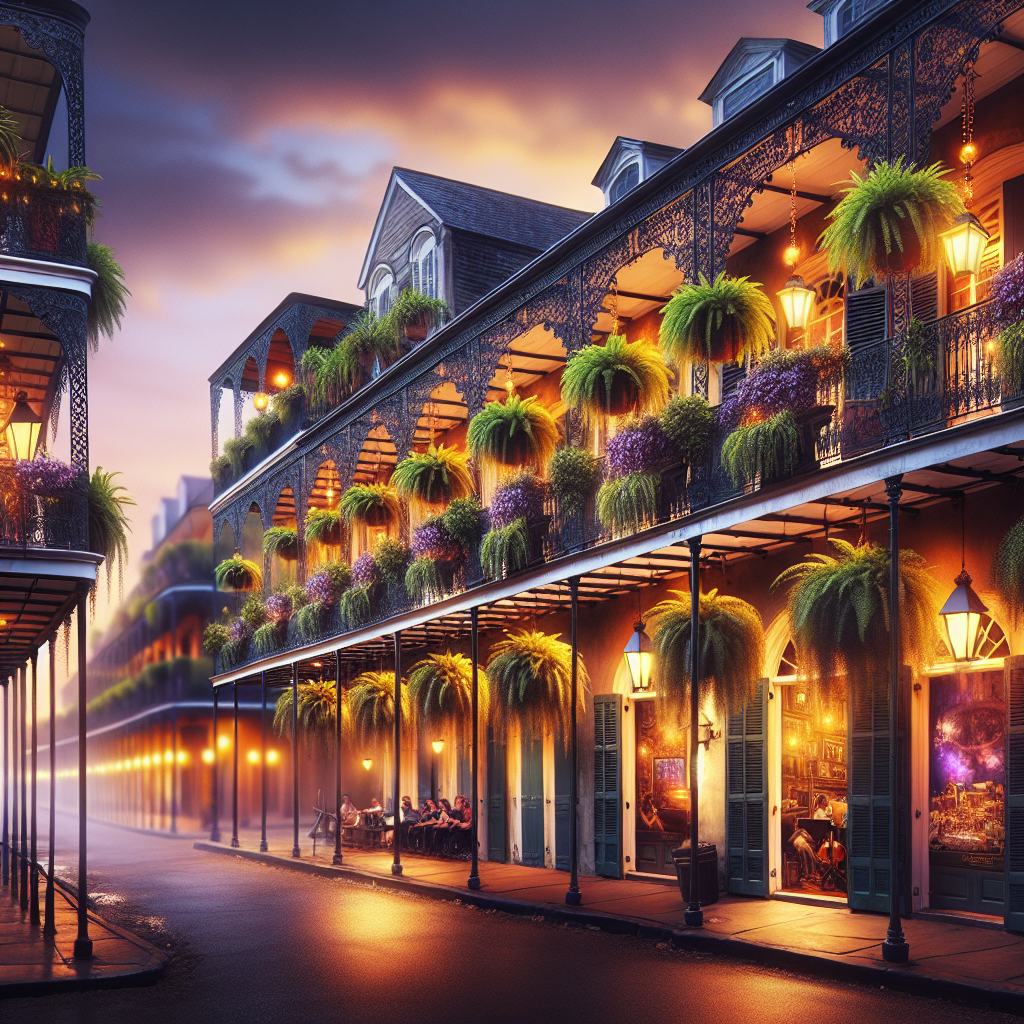
New Orleans jazz began as collective music. Cornet, clarinet, and trombone improvised together around a tune, and no single voice stood apart for long. Louis Armstrong, born into deep poverty in the city in 1901 and taught cornet at a home for delinquent boys after firing a pistol in the street on New Year's Eve, dismantled that arrangement almost single-handedly. He joined King Oliver in Chicago in 1922 and Fletcher Henderson's orchestra in New York in 1924, and wherever he played, other musicians reorganized what they were doing around what he had shown was possible.
The recordings he made with his Hot Five and Hot Seven groups between 1925 and 1928 are the hinge of the whole tradition. On sides such as West End Blues and Potato Head Blues he took extended solos of a length and invention nobody had put on record before, with a rhythmic freedom — placing notes behind and ahead of the beat — that became the basic grammar of swing. He also, whether by accident or design, sang wordless syllables on Heebie Jeebies, popularizing scat and treating the human voice as one more improvising horn.
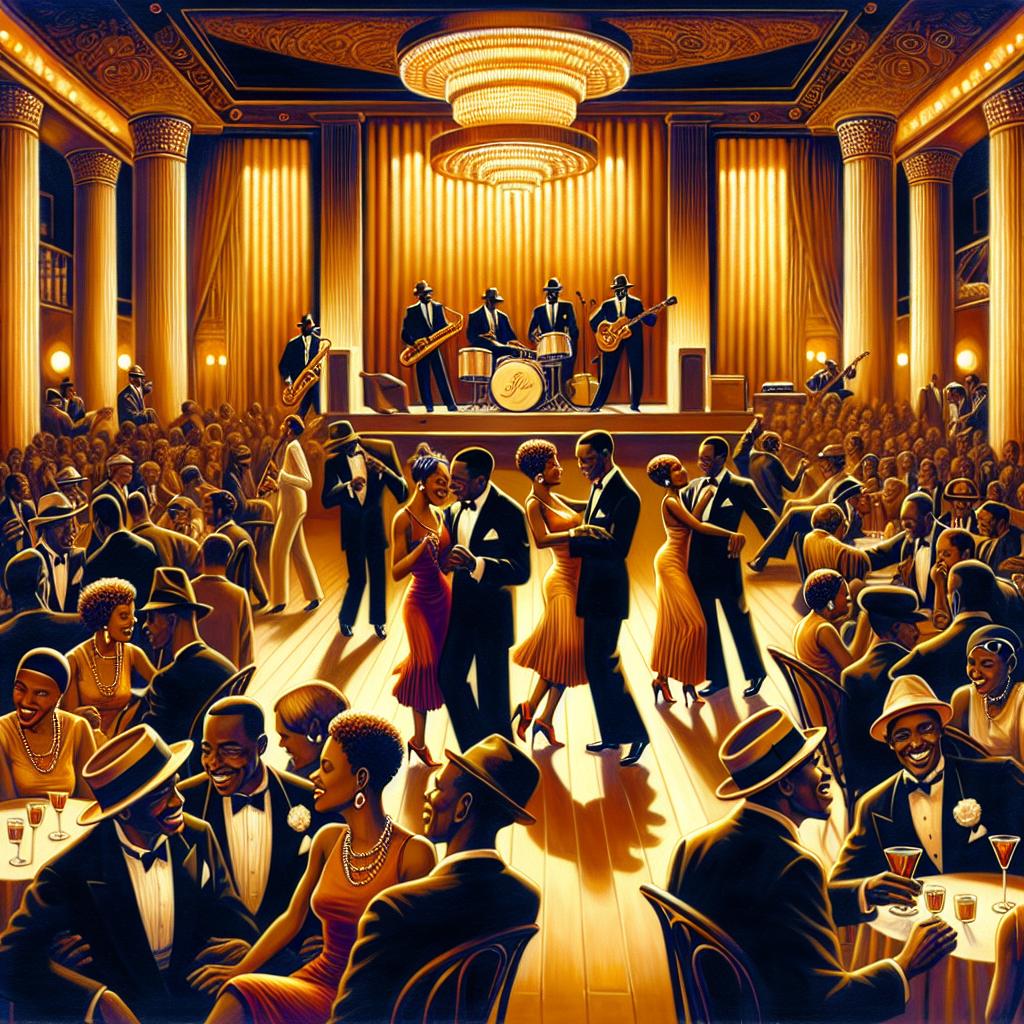
For the second half of his career he was as famous for the gravel of his singing as for the trumpet, fronting big bands and then the small All Stars, appearing in dozens of films, and putting Hello, Dolly! at number one in 1964 at the age of sixty-two, displacing the Beatles. Younger Black musicians of the bebop years criticized his mugging and his broad grin as a performance of racial deference, and some called him an Uncle Tom. He replied that he had been entertaining paying audiences since he was a boy and saw no shame in the work.
In September 1957, when Arkansas defied the desegregation of Little Rock's Central High School, Armstrong publicly cancelled a State Department tour of the Soviet Union and said the government could go to hell, that the way his people were being treated in the South left him no country to represent. The remark cost him bookings and startled a public accustomed to his affability. He later toured for the State Department after all, ambassador for a nation whose contradictions he had named out loud. The soloist's voice he invented is still the center of jazz.
| Born | August 4, 1901, New Orleans |
| Died | July 6, 1971, Queens, New York |
| Key records | The Hot Five and Hot Seven sides, 1925-1928 |
| Innovation | The extended improvised solo, and scat singing |
| Nicknames | Satchmo, Pops |
| Little Rock | Cancelled a 1957 State Department tour in protest |
| Date | 1901-1971 |
| Location | New Orleans, Louisiana |