Aretha Franklin
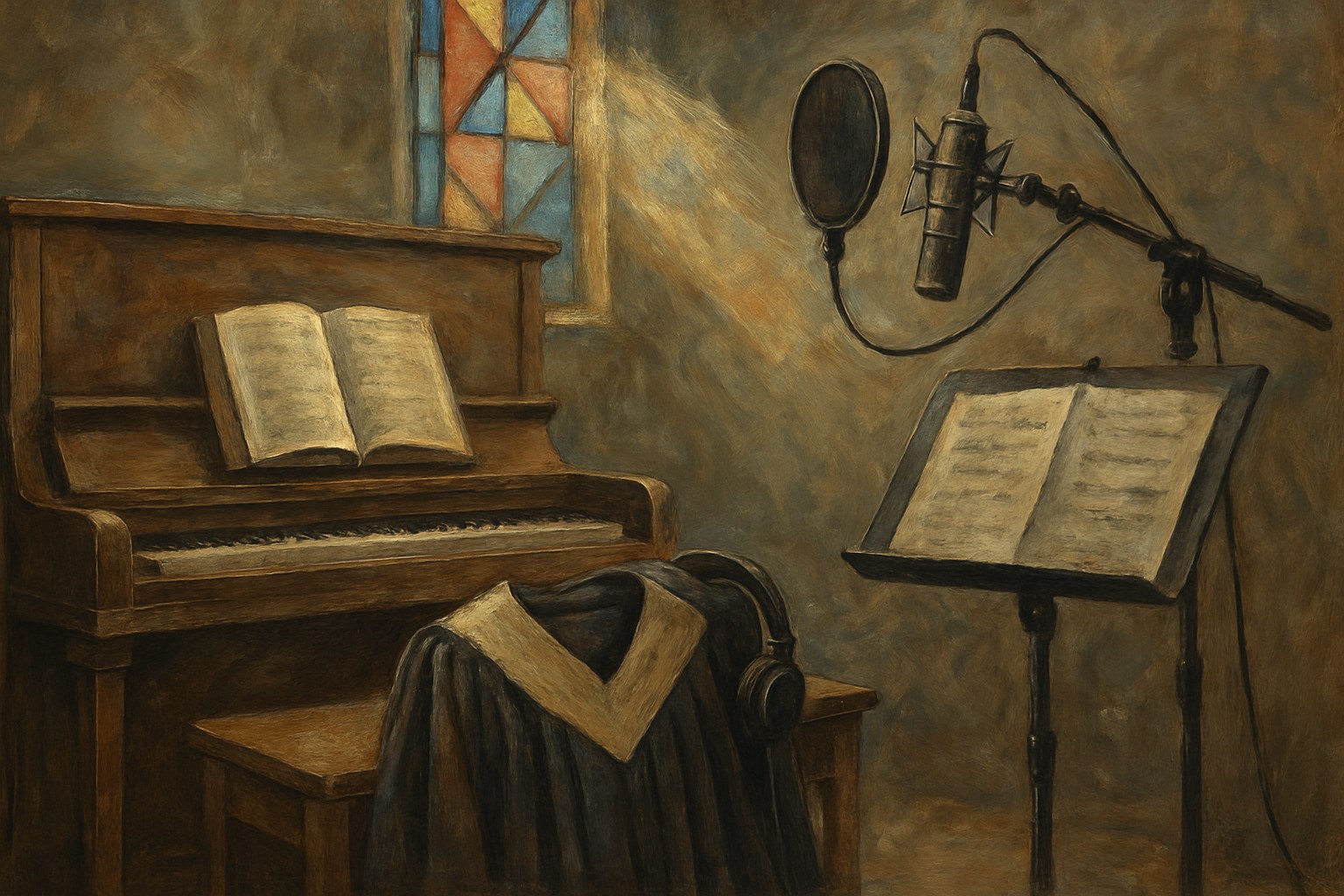
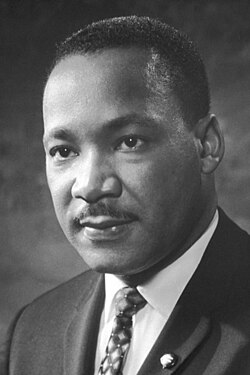
Her father, C. L. Franklin, was pastor of New Bethel Baptist Church in Detroit, a nationally known preacher whose recorded sermons sold in the tens of thousands and whose house drew Mahalia Jackson, Sam Cooke, Dinah Washington, and Martin Luther King Jr. She sang in his church as a child, cut a gospel album there at fourteen, and learned piano largely by ear rather than from lessons. Columbia Records signed her at eighteen and spent six years trying to make her a supper-club singer of standards, producing respectable sales and no clear identity.
Jerry Wexler moved her to Atlantic in 1966 and did the obvious thing Columbia had not — he put her behind a piano, hired a Southern rhythm section, and let her arrange her own vocals with her sisters singing behind her. The first session, at Muscle Shoals in Alabama in January 1967, produced I Never Loved a Man the Way I Love You and then collapsed in an argument before a second song could be finished. The record sold immediately and enormously. Everything that had made her a gospel singer now worked on secular material without translation.
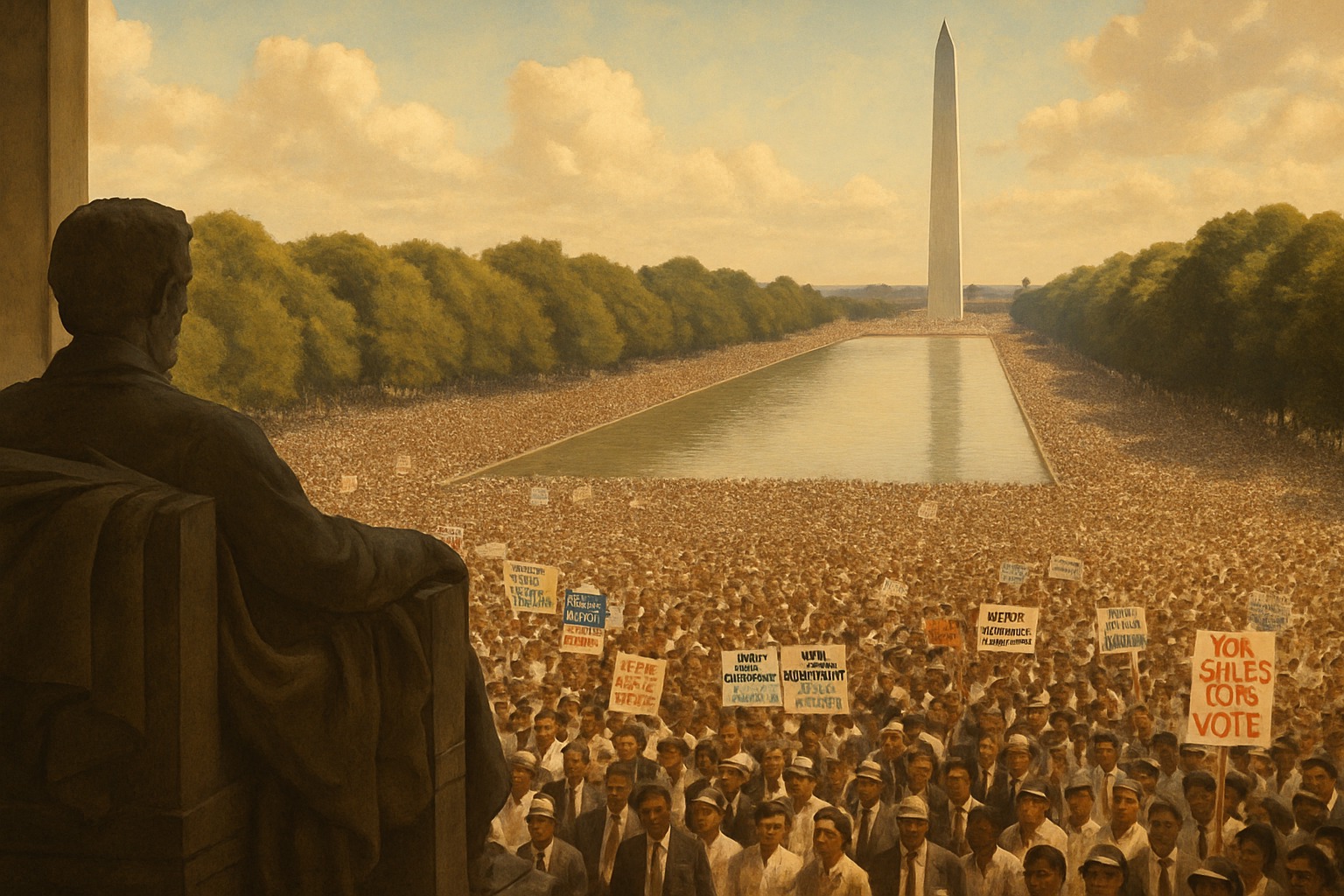
Otis Redding had written Respect in 1965 as a working man's request to his wife. Franklin rebuilt it — a new arrangement, the spelled-out demand, the sock-it-to-me answering line from her sisters, a hard stop at the end — and inverted its meaning completely. Released in the spring of 1967, it went to number one and was taken up almost at once as an anthem by the civil rights movement and by the emerging women's movement, neither of which she had written it for. Redding remarked afterward, with good humor, that she had taken his song away from him.
She sang at Martin Luther King Jr.'s funeral in 1968, at three presidential inaugurations, and at the Grammy Awards in 1998 on a few hours' notice when Luciano Pavarotti fell ill, performing Nessun dorma in his place. Amazing Grace, the live gospel album she recorded in a Los Angeles church in 1972, remains the best-selling gospel record ever made. She held the sacred and secular traditions together without conceding much to either, and the gospel technique she brought into pop — the melisma, the shout, the slow build — became the default vocabulary of American singing.

| Born | March 25, 1942, Memphis, raised in Detroit |
| Died | August 16, 2018, Detroit |
| Church | New Bethel Baptist, where her father C. L. Franklin preached |
| Turning point | Atlantic Records with Jerry Wexler, Muscle Shoals, 1967 |
| Respect | Number one in 1967, taken up by two movements at once |
| Amazing Grace | The best-selling gospel album ever recorded, 1972 |
| Date | 1942-2018 |
| Location | Detroit, Michigan |