The Roaring Twenties
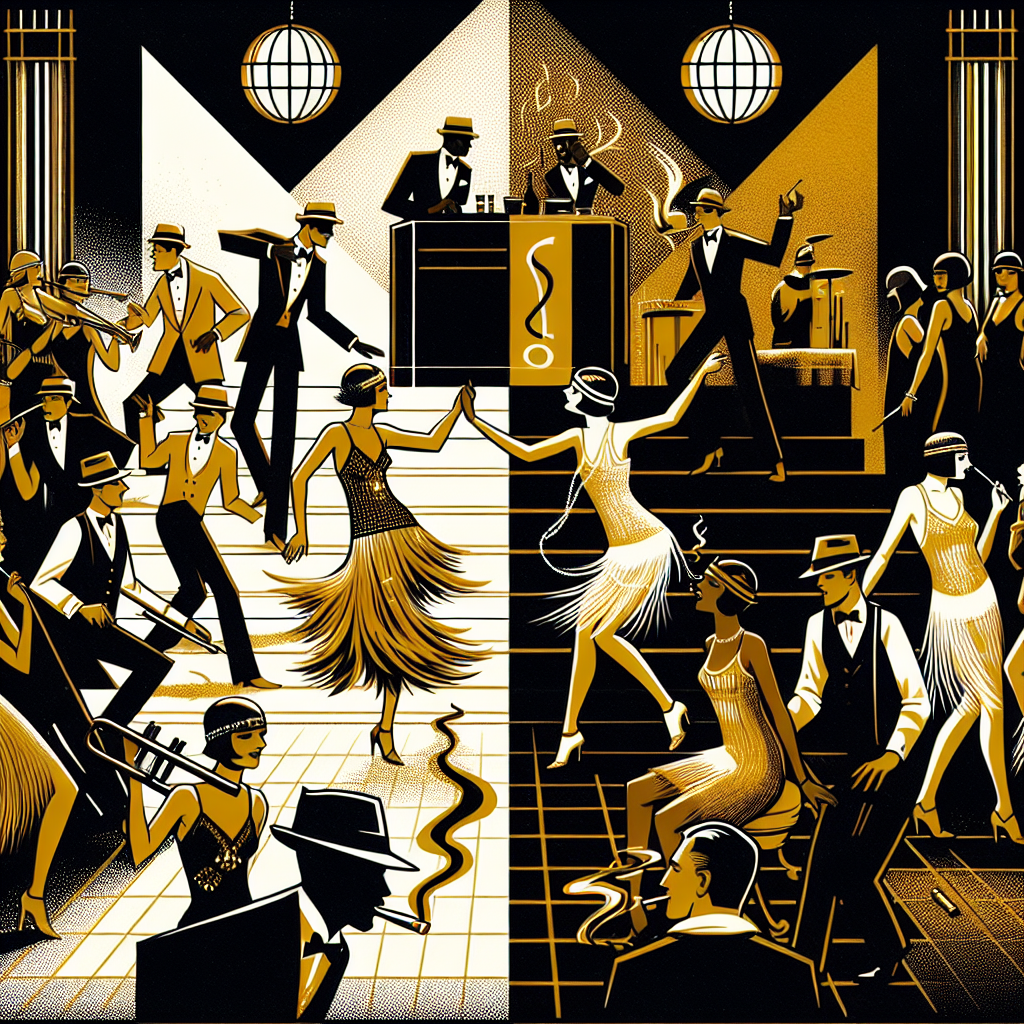
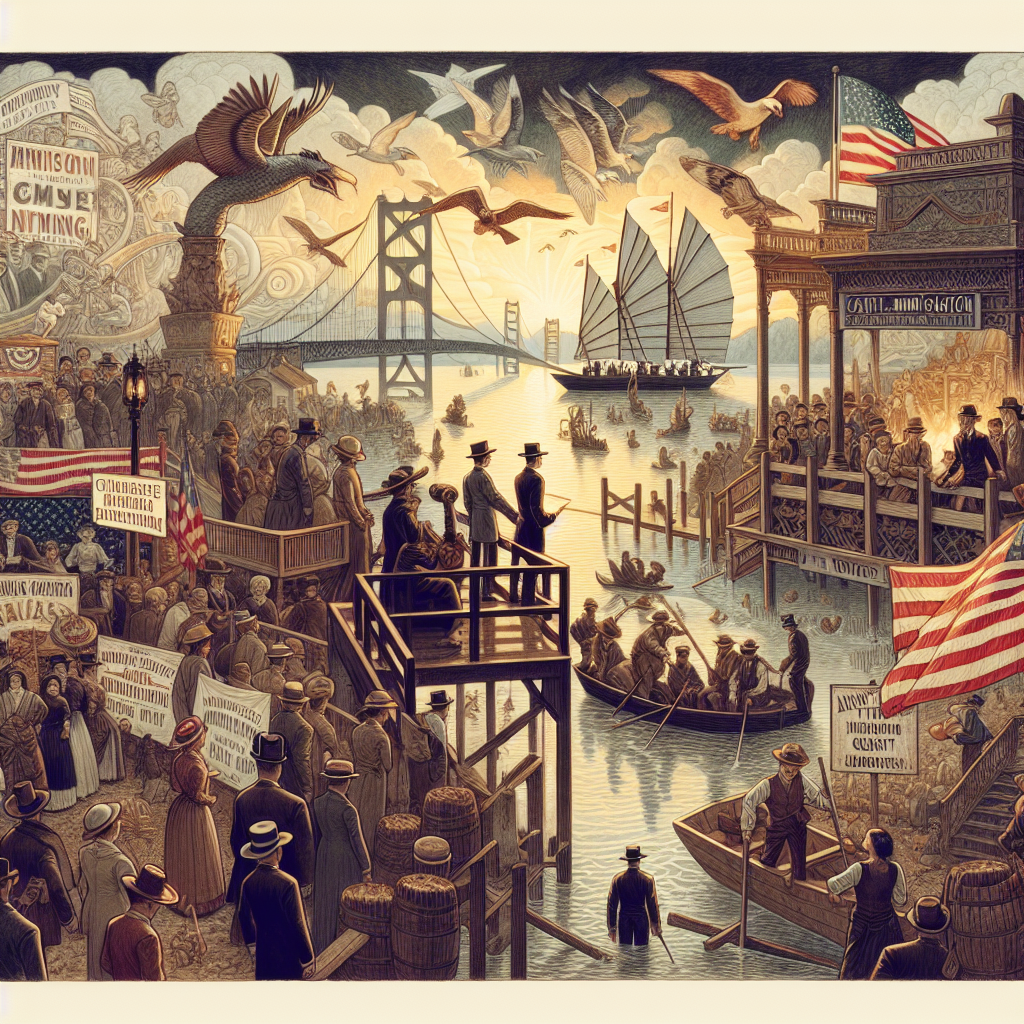
The 1920s roared for some Americans and not others, a distinction the mythology of the era tends to flatten. For white middle-class urban Americans with money and access, the decade delivered the automobile, the radio, the refrigerator, jazz clubs, speakeasies, and a relaxation of Victorian social constraints that felt, at the time, like permanent liberation. For Black Americans, it brought the Harlem Renaissance and the Great Migration's cultural flowering alongside continued terror and disenfranchisement. For farmers, the decade was an economic depression that preceded the Great Depression by years, as crop prices collapsed after the wartime demand that had inflated them. For immigrant communities, it brought the Immigration Act of 1924, which used pseudoscientific racial categories to slam the door that Ellis Island had kept open.
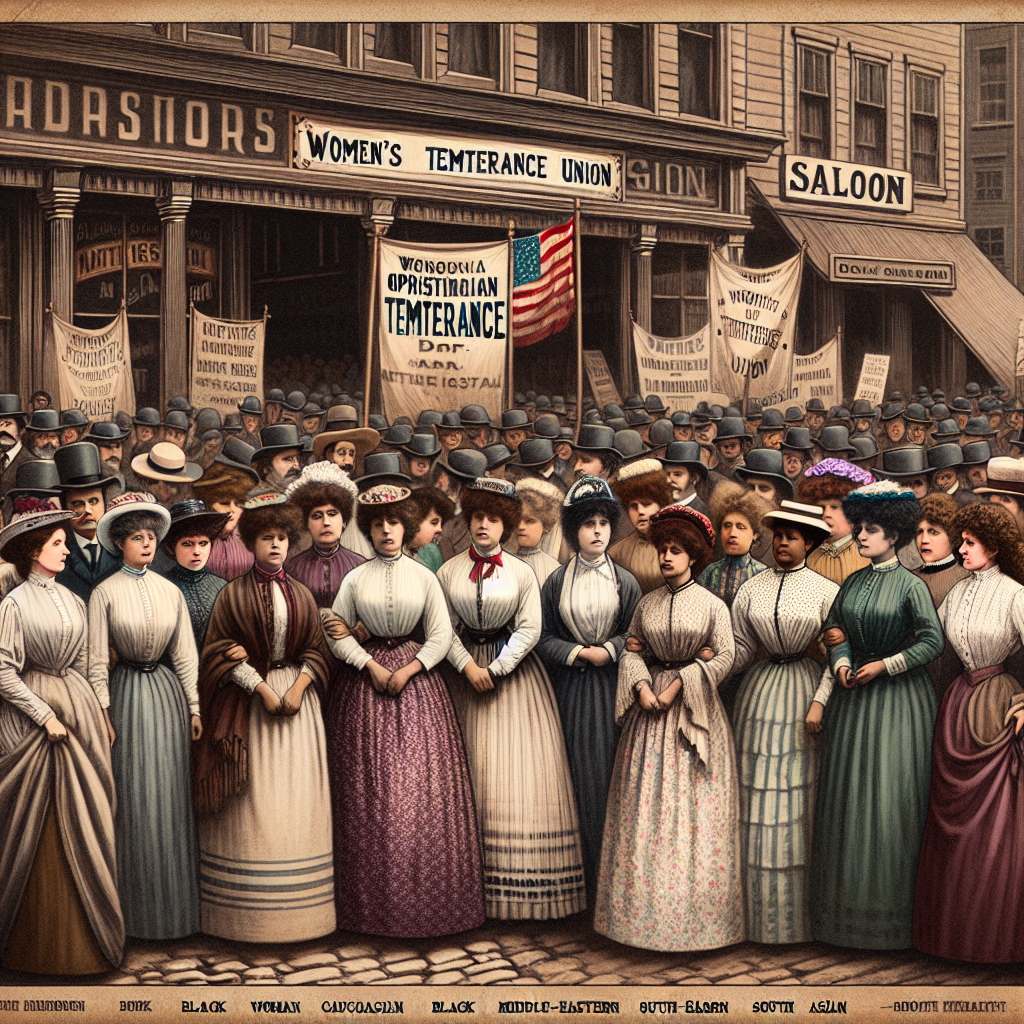
Prohibition, enacted by the 18th Amendment in 1920, was the Progressive Era's most ambitious and consequential failure. It reduced alcohol consumption significantly — by perhaps 30 percent at its peak — while simultaneously creating an enormous illegal market that organized crime moved into with systematic efficiency. Al Capone's Chicago operation alone grossed an estimated $60 million a year. The speakeasy became a social institution that cut across class lines in ways that legal bars had not, jazz moved from Black neighborhoods into white ones through the same networks that sold bootleg gin, and law enforcement corruption reached from beat cops to federal agents. The 18th Amendment was repealed by the 21st in 1933, making Prohibition the only constitutional amendment in American history to be entirely undone.
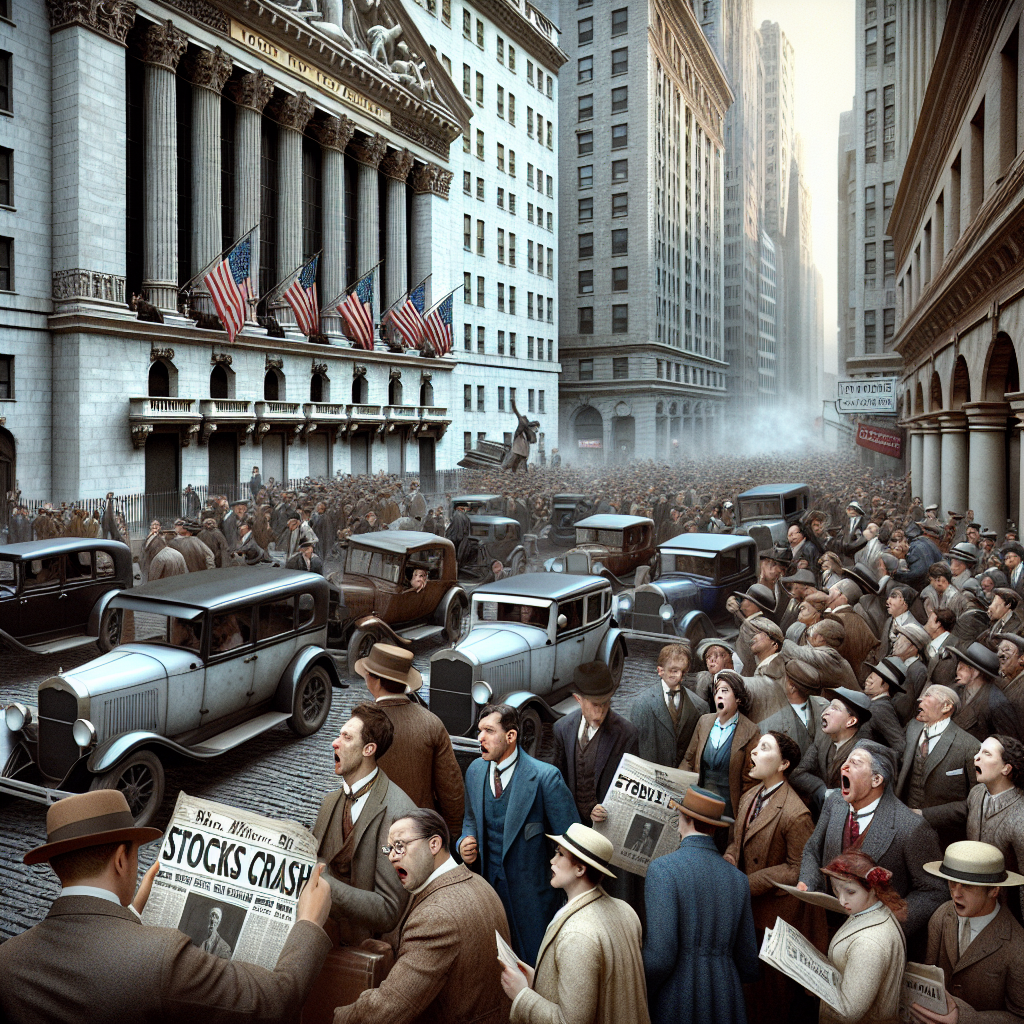
The decade's economic euphoria was built on a foundation of leveraged speculation that very few people in authority recognized as dangerous until it was too late. Stock prices rose through the 1920s in a market fueled by buying on margin — borrowing money to purchase shares in companies whose valuations had disconnected from any rational relationship to earnings. When the market broke in October 1929, the crash destroyed not only fortunes but the credit system that had financed them, triggering bank failures that spread the catastrophe from Wall Street to Main Street to farms to factories in a cascade that the Hoover administration's ideology left it unable to arrest. The decade that had promised a permanent new era of American prosperity ended with 13 million people out of work.


| Period | 1920–1929 |
| 18th Amendment | Effective January 17, 1920 |
| 19th Amendment | August 18, 1920 |
| Immigration Act | 1924 — restricted Southern and Eastern European immigration |
| Stock market peak | September 3, 1929 |
| Crash | October 24–29, 1929 ("Black Tuesday") |
| Cultural markers | Jazz age, flappers, speakeasies, radio, automobile culture |
| Years | 1920–1929 |
| Location | United States |