Woodstock
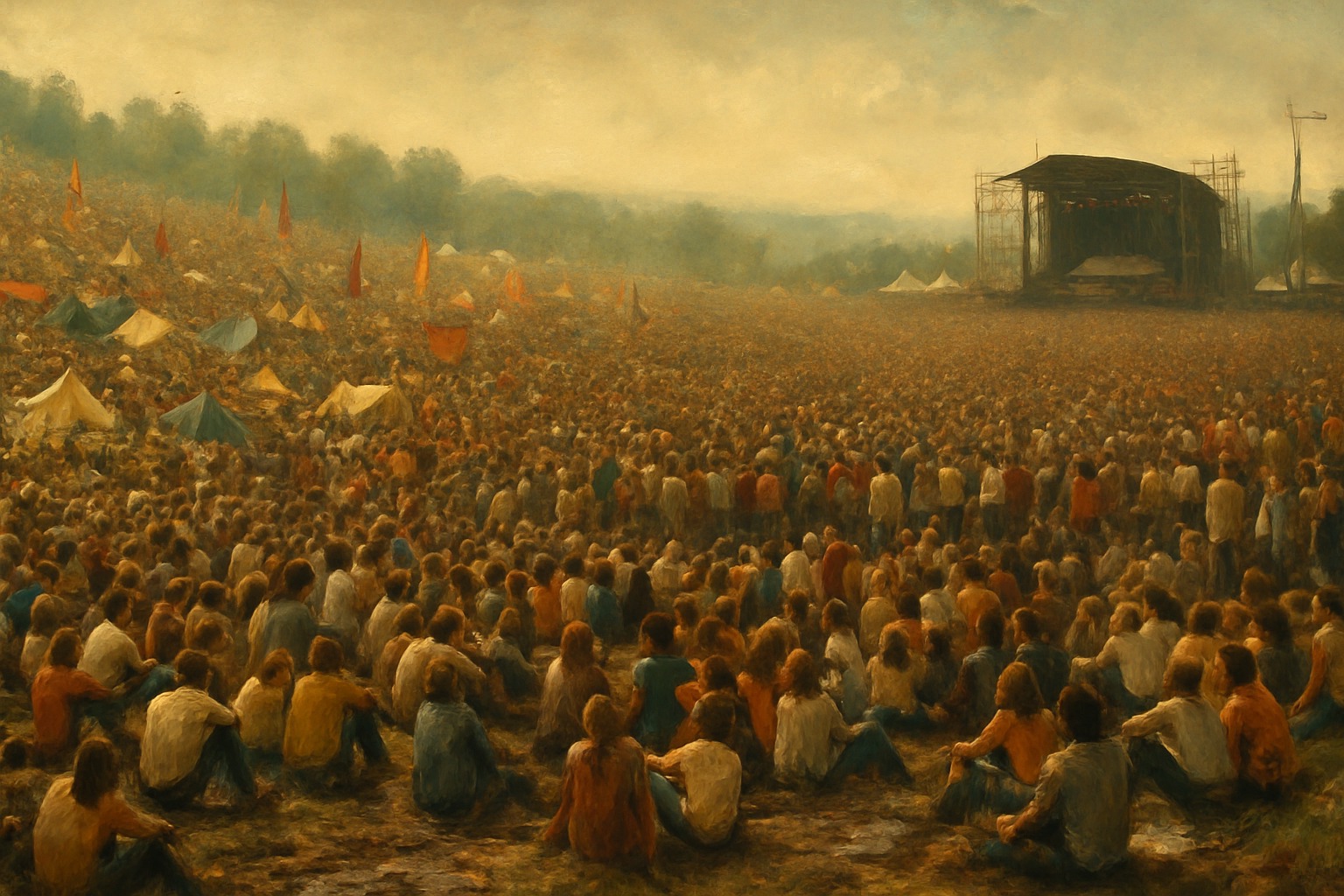
Over three rainy days in August 1969, an estimated 400,000 people gathered on a dairy farm in Bethel, New York, for the Woodstock Music and Art Fair. The organizers had planned for perhaps 50,000 ticket buyers; when many times that number arrived, the fences came down and the event became, in effect, a free festival. Despite shortages of food, water, and sanitation, the enormous crowd passed the weekend with almost no violence.
The music matched the moment. Performers including Jimi Hendrix, Janis Joplin, the Who, and Santana played sets that became legendary, with Hendrix's distorted rendition of "The Star-Spangled Banner" at dawn on the final morning entering the canon of American cultural memory. The festival captured the idealism, music, and communal spirit of the 1960s counterculture at what many later saw as its peak.
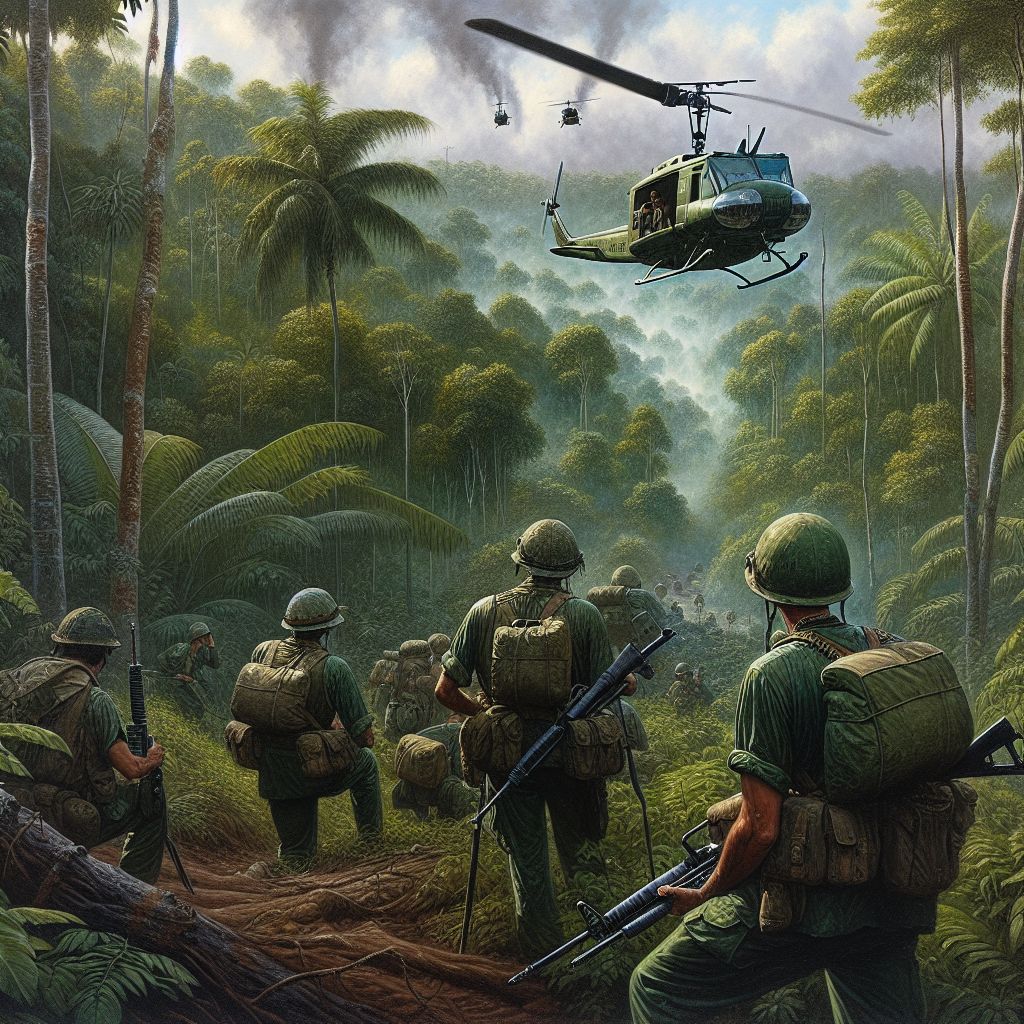
Woodstock unfolded against a turbulent backdrop — the Vietnam War, the draft, and the upheavals of the late 1960s — and was quickly cast as a symbol of a generation's yearning for peace and an alternative to mainstream society. The 1970 documentary film carried that image to a far wider audience and helped fix the festival's mythic status.
The reality was messier than the legend: organizers lost money, conditions were often miserable, and a darker counterpoint came months later at the violent Altamont concert in California. Still, Woodstock endured as shorthand for the hopes of the counterculture, an enduring reference point in debates about the meaning and legacy of the 1960s.
| Dates | August 15–18, 1969 |
| Place | Bethel, New York (a dairy farm) |
| Crowd | Estimated 400,000 |
| Headliners | Hendrix, Joplin, the Who, Santana, and others |
| Character | Peaceful despite shortages |
| Legacy | Emblem of the 1960s counterculture |
| Date | August 15–18, 1969 |
| Location | Bethel, New York |