The Beatles on The Ed Sullivan Show
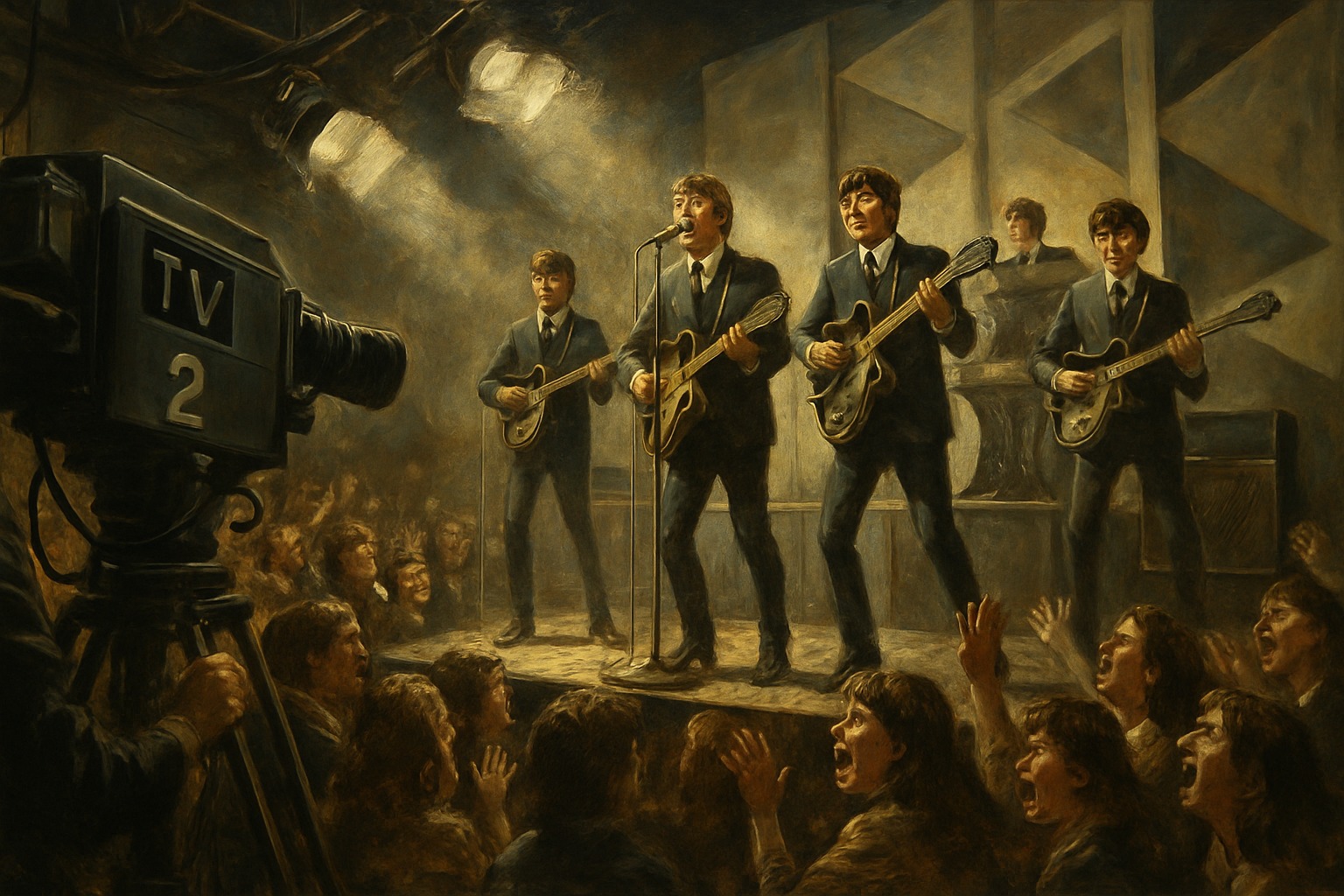
On February 9, 1964, the Beatles appeared live on The Ed Sullivan Show, and an estimated 73 million Americans — then a record television audience — tuned in to watch. The British band had topped the U.S. charts only weeks earlier with "I Want to Hold Your Hand," but the broadcast turned chart success into a cultural phenomenon, introducing the four young Liverpudlians to a nation in a single evening.
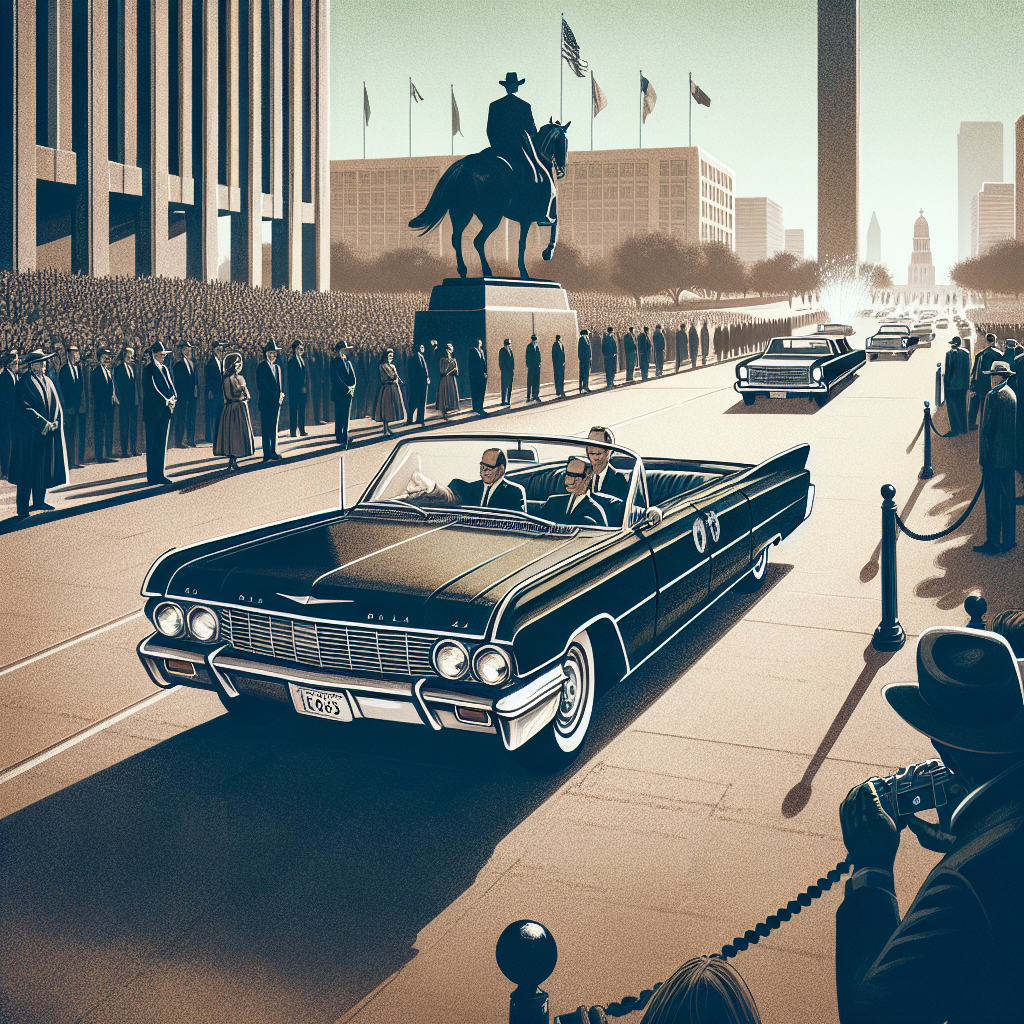
The timing carried emotional weight. The country was still in mourning less than three months after the assassination of President John F. Kennedy, and the Beatles' exuberance offered a jolt of joy and youthful energy. Teenage fans screamed and wept; older commentators were baffled or dismissive. The performance crystallized a generational divide that would widen through the decade.
The appearance set off the "British Invasion," as American radio and television filled with English bands in the Beatles' wake. It also accelerated changes already stirring in American music and youth culture, helping shift the center of pop music toward self-contained bands that wrote and played their own songs.
The broadcast is remembered as a hinge point in American popular culture — the moment the 1960s, in their music and their sensibility, truly began. The Beatles would return to the Sullivan stage in the weeks that followed and reshape popular music over the rest of the decade, but it was that first February night that fixed them in American memory.
| Date | February 9, 1964 |
| Program | The Ed Sullivan Show |
| Audience | Estimated 73 million (a record) |
| Context | Months after the JFK assassination |
| Result | Launched the "British Invasion" |
| Legacy | A hinge point in 1960s pop culture |
| Date | February 9, 1964 |
| Location | New York, New York |