Motown

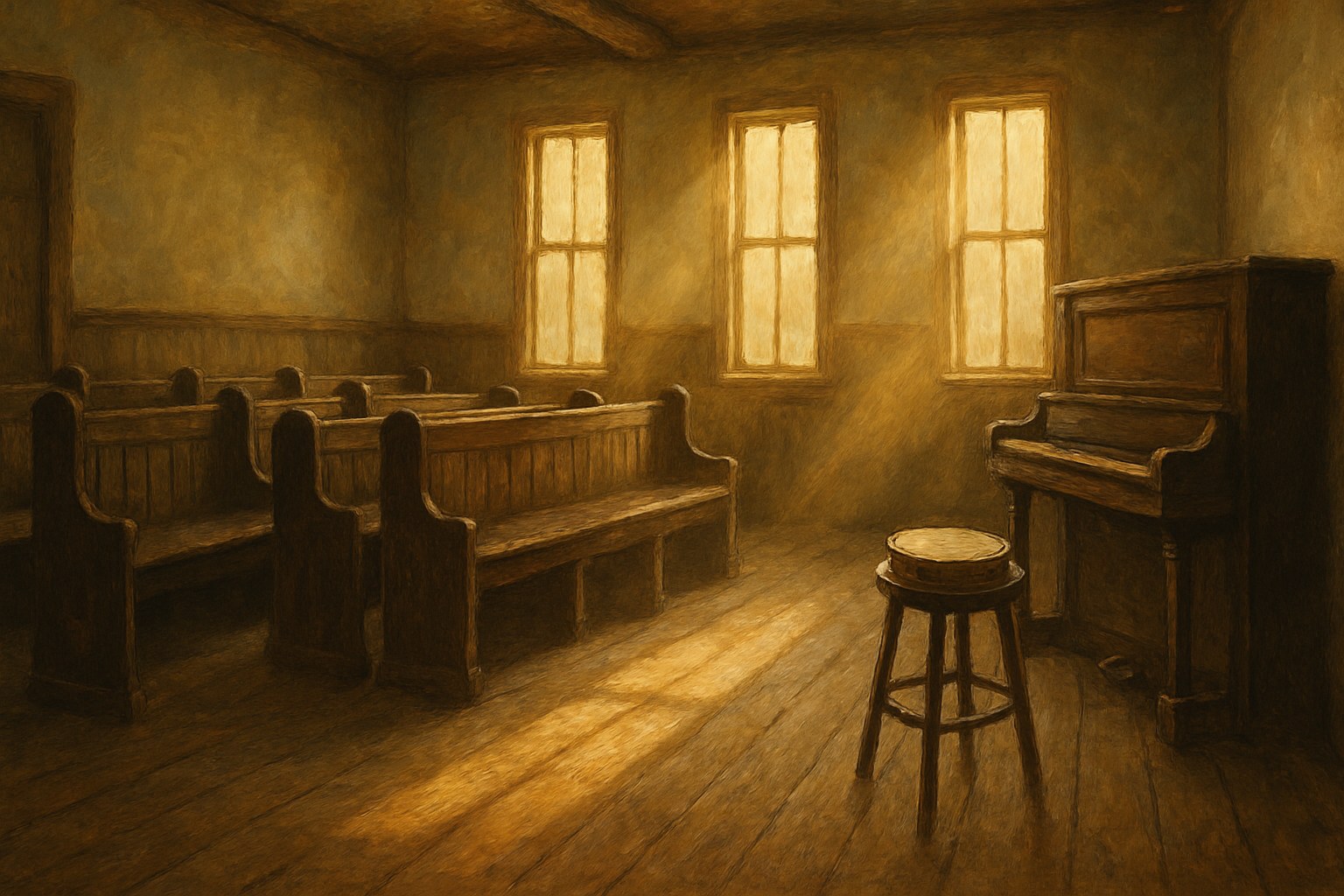
Berry Gordy had worked a Ford assembly line in Detroit and written songs on the side, with modest success and considerably less money, most of which stayed with the people who published and distributed his work. In 1959 he borrowed eight hundred dollars from a family savings fund and started his own record company in a small house on West Grand Boulevard, with a garage converted into a studio and a sign over the door reading Hitsville U.S.A. The aim was not simply to make Black records for Black buyers. Others already did that.
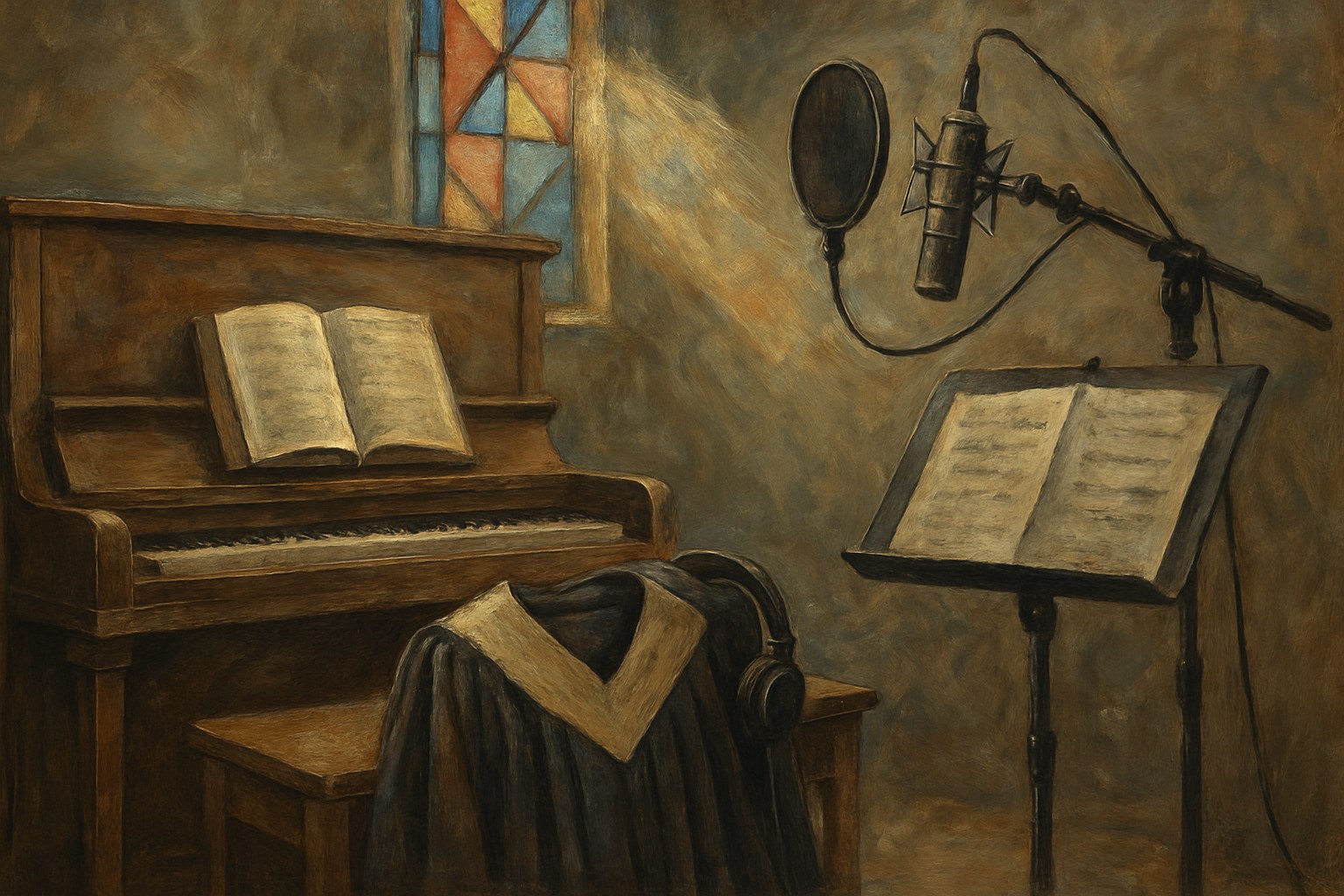
Gordy ran the operation the way the plant had run. Raw talent went in one end and finished records came out the other, passing through fixed stations along the way — a staff of writers competing for slots, a house band of jazz-trained players later known as the Funk Brothers, a Friday quality-control meeting that voted records up or down without regard for whose feelings were involved, and an artist development department that taught choreography, diction, table manners, and how to handle a hostile interview. The studio ran close to around the clock.
The output was the Supremes, the Temptations, the Four Tops, Smokey Robinson and the Miracles, Martha and the Vandellas, Marvin Gaye, and a very young Stevie Wonder. Gordy billed it as the sound of young America, and the claim largely held. Motown records topped the pop charts rather than a segregated rhythm and blues chart, played on white radio stations, and reached listeners who had never knowingly bought a Black record. Gordy also insisted his acts be booked into integrated venues, a demand that carried genuine physical risk on Southern tours in the early 1960s.
Motown's politics were deliberately implicit. Gordy kept the label's public output away from protest for years, on the judgment that crossover success was itself the argument, and he initially opposed the release of Marvin Gaye's What's Going On in 1971. Critics then and since have called the strategy cautious, and some called it worse. It also made Motown the most successful Black-owned business in the United States and put Black faces and voices at the center of mainstream American culture during precisely the years the civil rights movement was in the streets demanding exactly that.

| Founded | 1959, Detroit, by Berry Gordy |
| Startup capital | An 800-dollar loan from a family savings fund |
| Studio | Hitsville U.S.A., West Grand Boulevard |
| Method | Staff writers, house band, quality-control votes, charm school |
| Acts | The Supremes, Temptations, Four Tops, Marvin Gaye, Stevie Wonder |
| Slogan | The sound of young America |
| Date | Founded 1959 |
| Location | Detroit, Michigan |