Duke Ellington
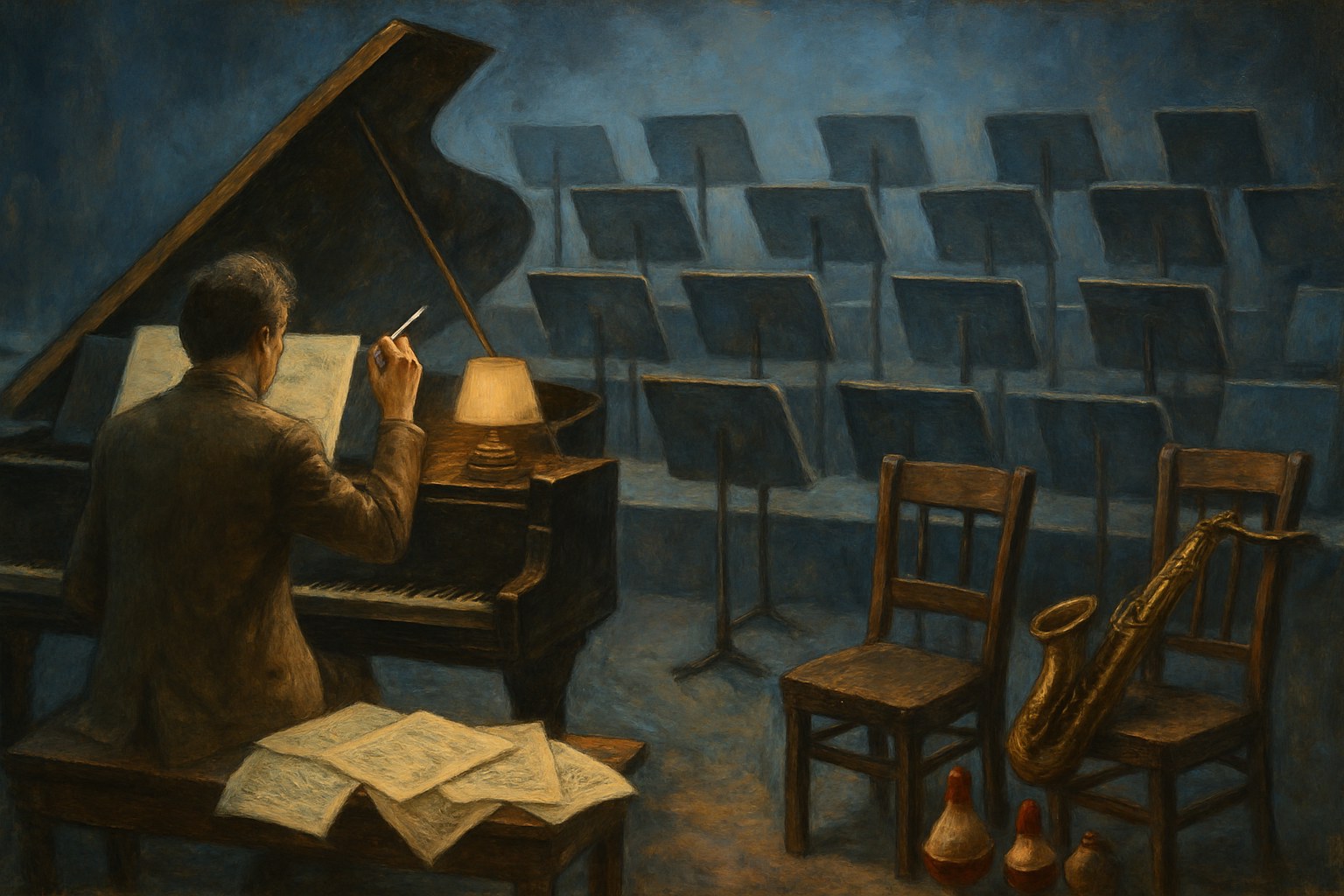
Most bandleaders wrote parts for instruments. Edward Kennedy Ellington, raised in a comfortable Black household in Washington and nicknamed Duke as a boy for his manners and his clothes, wrote parts for people. He composed for the particular growl one trumpeter got from a plunger mute, for the particular vibrato of one alto saxophonist, and for the exact range and temperament of a clarinetist he had known for decades. The orchestra was his instrument rather than his employer's payroll, and many of its members stayed with him thirty and forty years.
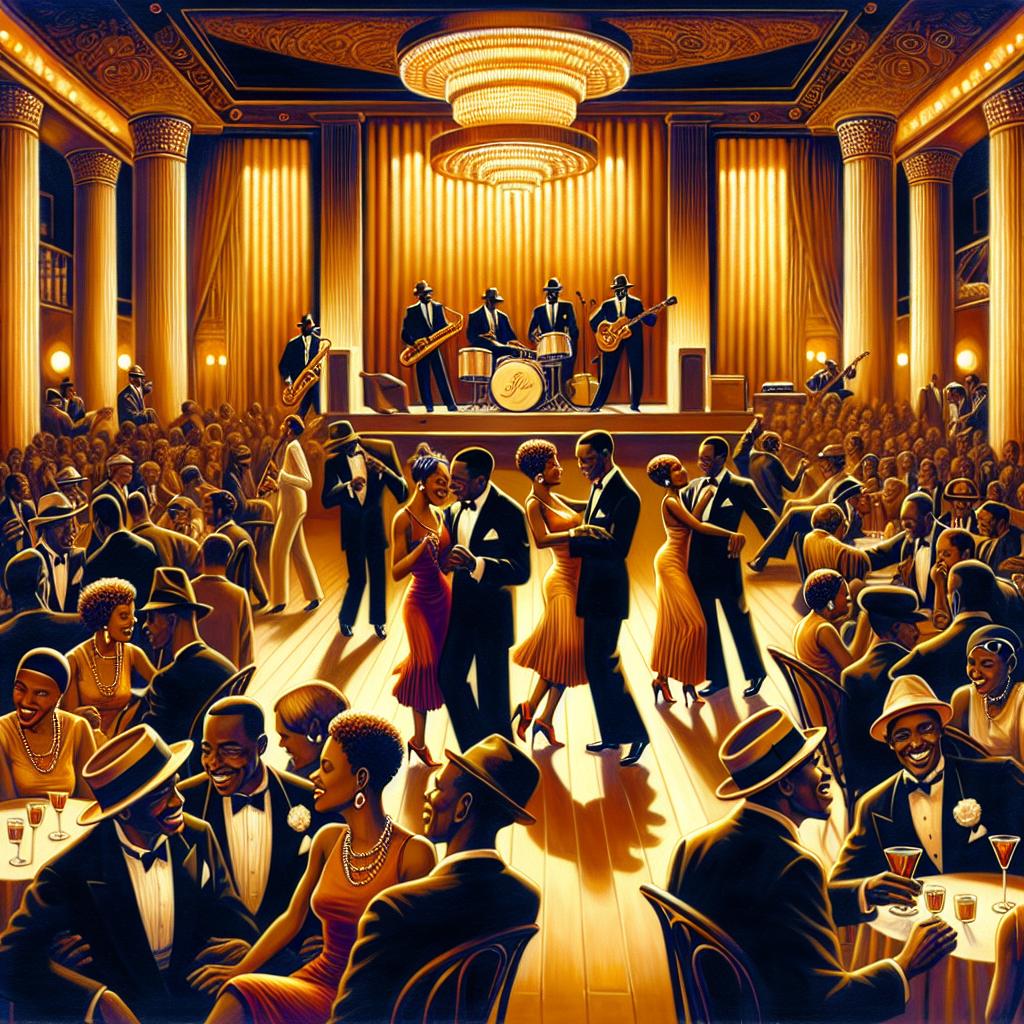
The band's residency at Harlem's Cotton Club from 1927 gave it a nightly radio wire and a national audience, and gave Ellington a laboratory. The club was a whites-only room that sold Black performance to white patrons under a plantation decor, and the management demanded exotic jungle numbers to suit it. Ellington used the assignment to build a distinctive orchestral palette — muted brass, unorthodox voicings, a wordless human voice used as an instrument — and the broadcasts turned pieces such as Mood Indigo and Black and Tan Fantasy into national property within months.
He wrote something near two thousand pieces, from three-minute records to concert works, film scores, and sacred concerts, and he disliked the word jazz, preferring American music or the phrase beyond category. In January 1943 he presented Black, Brown and Beige at Carnegie Hall, a work of nearly an hour tracing Black American history, which critics received coolly and which he never again performed complete. His long collaboration with the composer and arranger Billy Strayhorn, who wrote the band's theme Take the A Train, produced a body of work neither man could have made alone.
The Pulitzer board declined a recommendation to give him a special prize in 1965, and Ellington, then sixty-six, remarked drily that fate was being kind in not wanting him to become too famous too young. President Nixon gave him the Presidential Medal of Freedom on his seventieth birthday in 1969. He widened what an American composer could attempt without ever leaving the vernacular, and his practice of writing for named individual players rather than abstract instrumental parts has little precedent anywhere in Western music.

| Born | April 29, 1899, Washington, D.C. |
| Died | May 24, 1974, New York City |
| Breakthrough | The Cotton Club residency and radio wire, from 1927 |
| Method | Composing for the sound of individual band members |
| Long-form | Black, Brown and Beige, Carnegie Hall, 1943 |
| Partner | Billy Strayhorn, co-composer and arranger |
| Date | 1899-1974 |
| Location | Washington, D.C. |