New York City

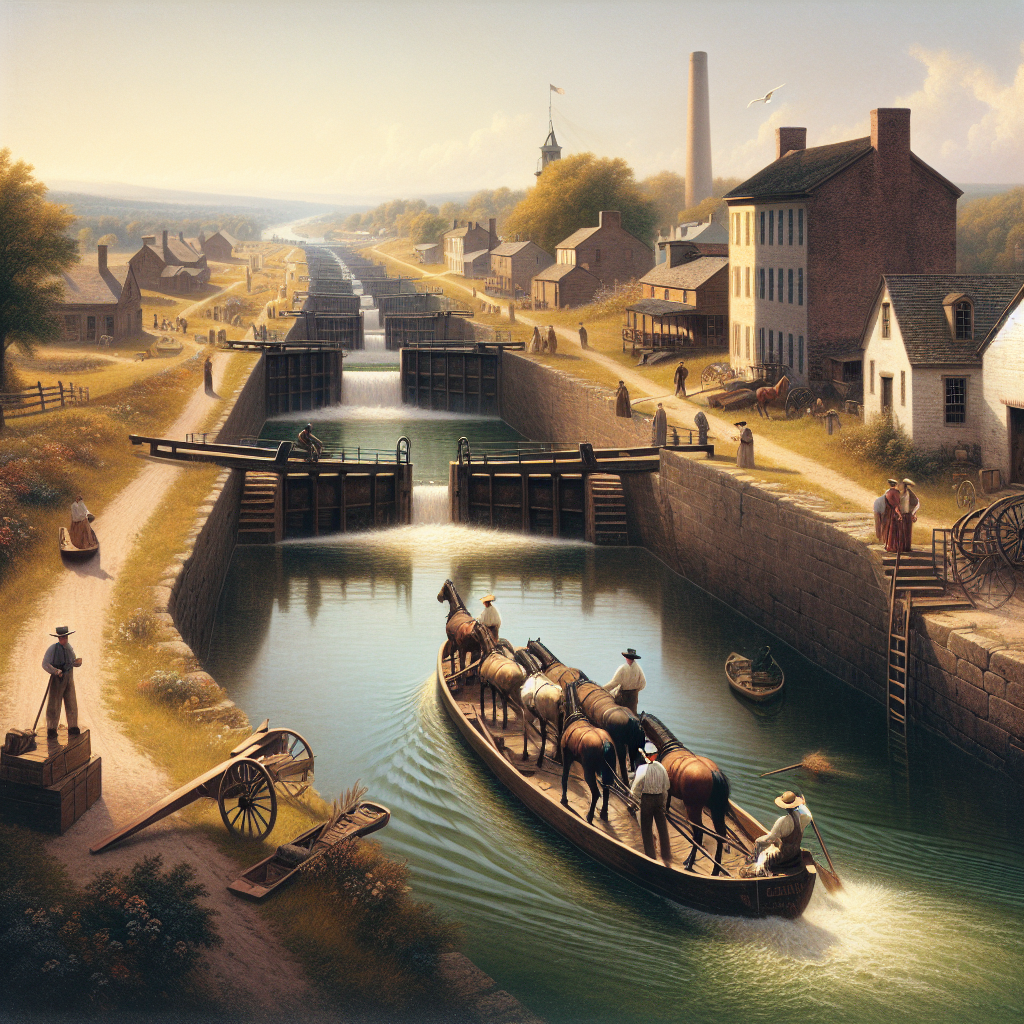
New York has been the largest city in the United States since 1790, when the first census found 33,000 people living on the southern tip of Manhattan, and it has not relinquished that position since. The Dutch called it New Amsterdam when they settled it in 1626, buying the island from the Lenape for trade goods worth approximately 60 guilders — a transaction whose actual terms remain debated, but whose consequences have never been in doubt. The English renamed it New York in 1664, built it into the most important port in the colonies, and watched it grow into something no one had quite planned: a city that seemed to manufacture itself through sheer human density and appetite.
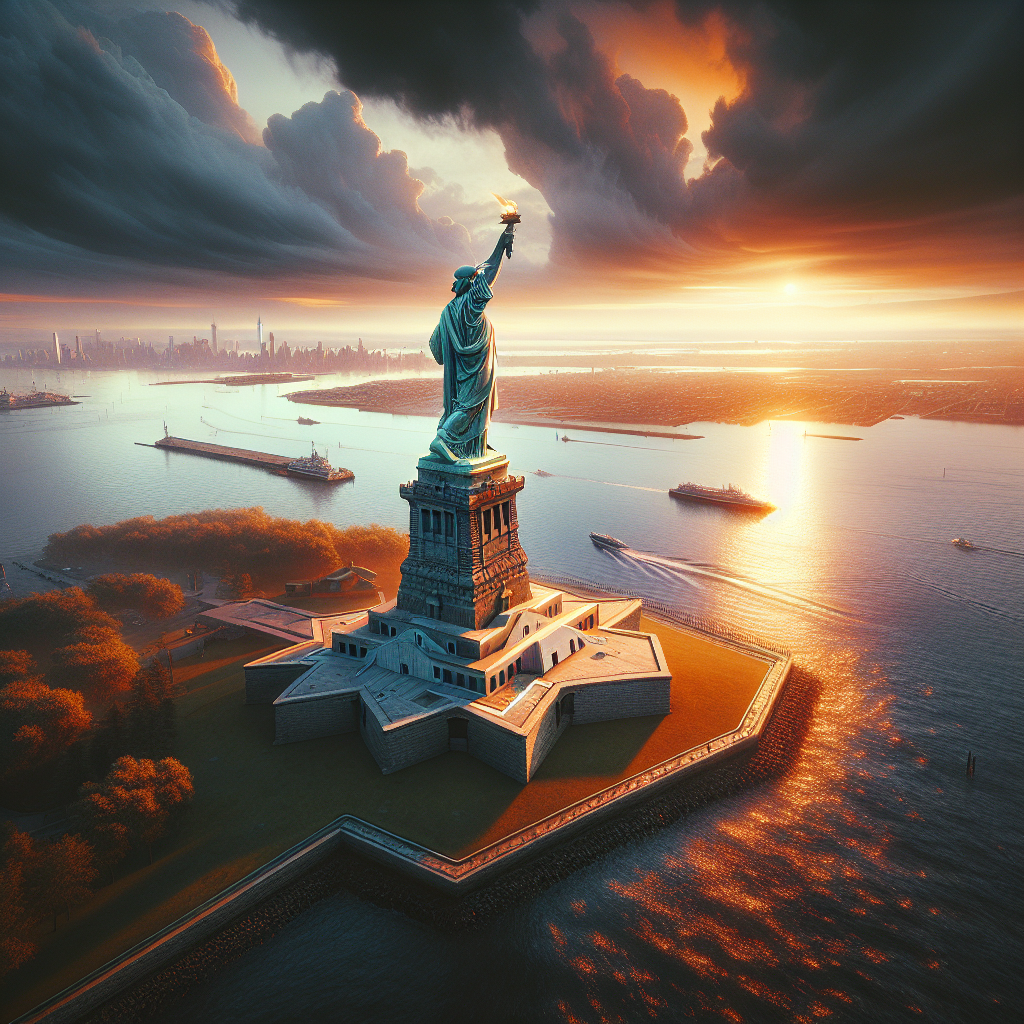
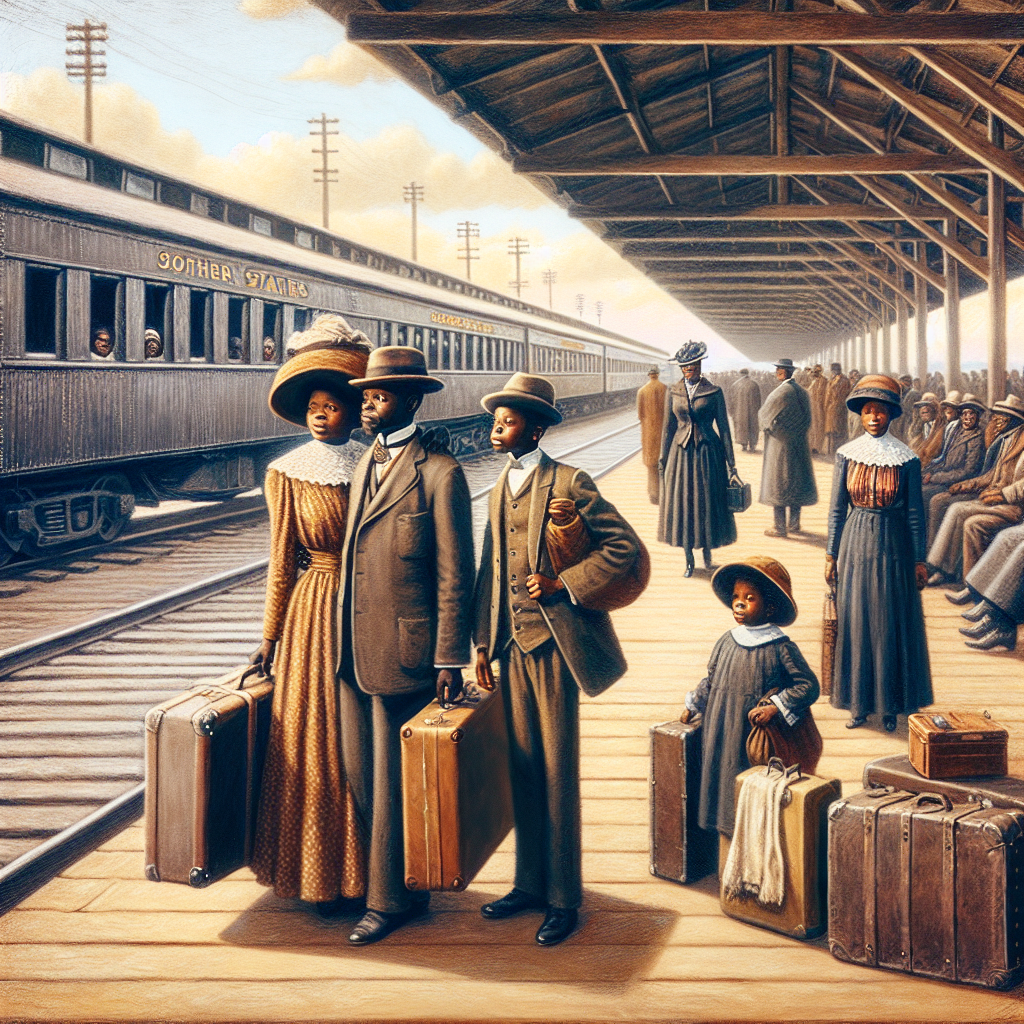
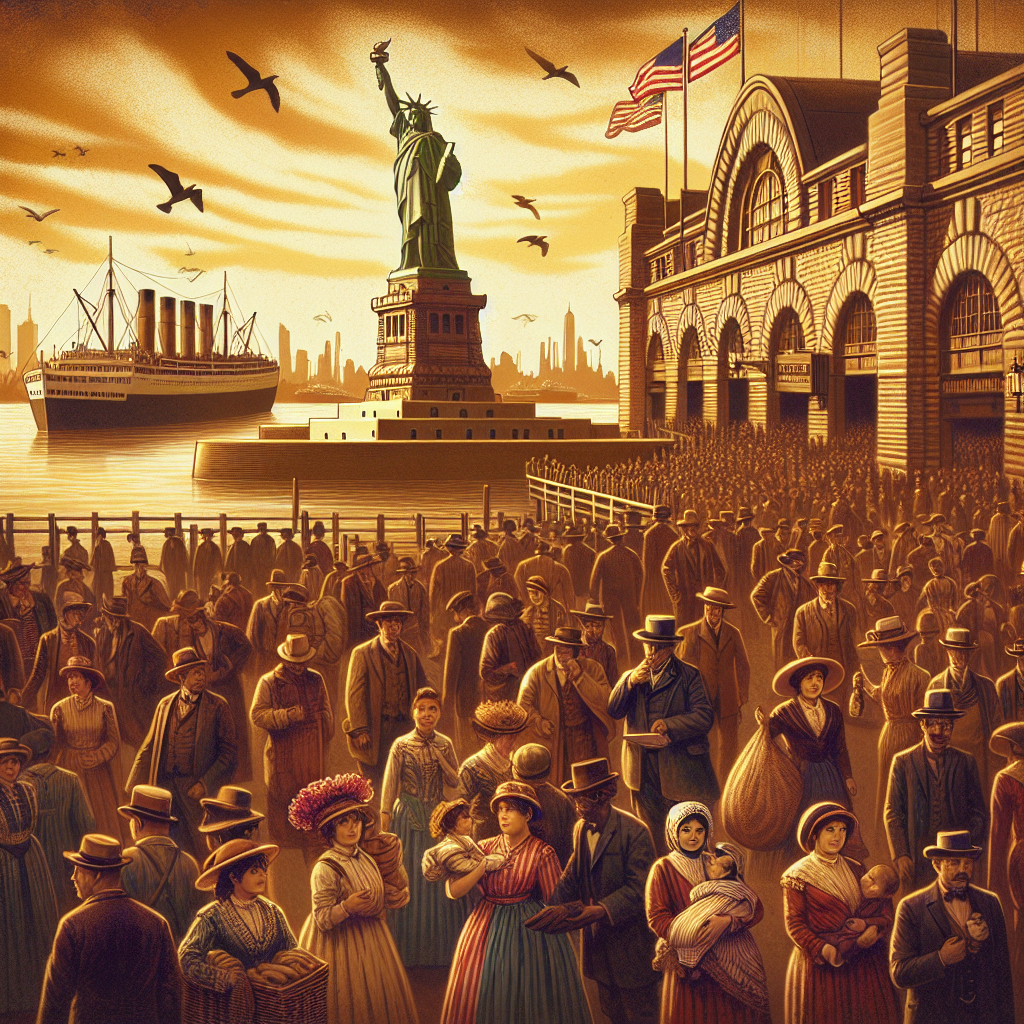
New York's role in American history is inseparable from immigration. More than 12 million people passed through Ellis Island between 1892 and 1954; millions more arrived through other ports, and later by plane. By 1900 the Lower East Side was the most densely populated place on earth, its tenement blocks housing Italian, Jewish, Irish, and Chinese immigrants in conditions that reformers like Jacob Riis photographed and muckrakers documented. That pressure produced the Triangle Shirtwaist Factory fire of 1911, which killed 146 garment workers and generated the labor legislation that defined the American workplace for the next century.
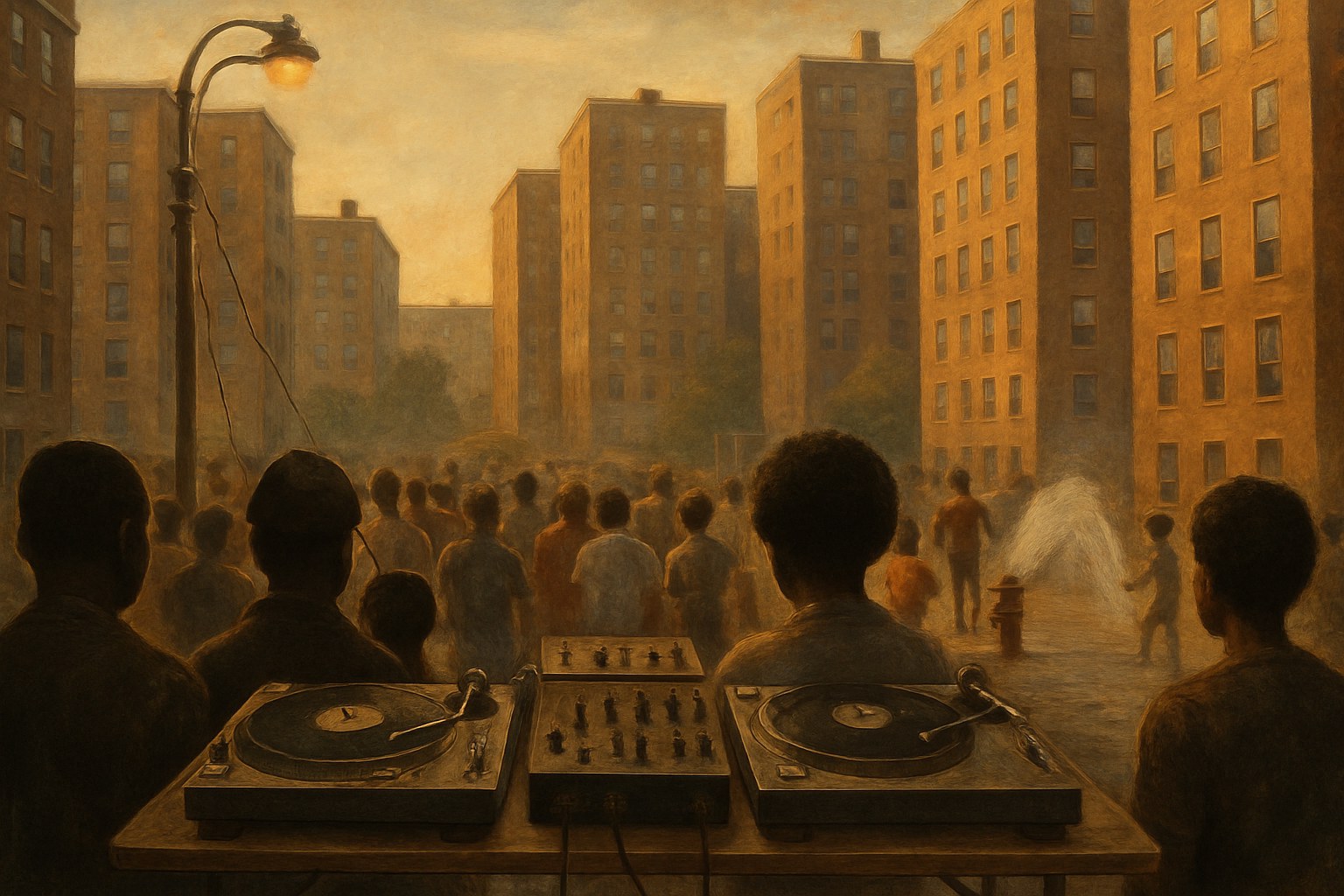
The city's cultural output has been disproportionate to even its size. Jazz migrated from New Orleans and found its modern form in Harlem in the 1920s. Abstract Expressionism was born in Manhattan lofts in the 1940s. Hip-hop emerged from the South Bronx in the 1970s. Broadway, Madison Avenue, Wall Street, and the United Nations headquarters have all made New York the place where American culture, commerce, and diplomacy conducted themselves most visibly to the rest of the world. The September 11, 2001 attacks destroyed the World Trade Center, killed nearly 3,000 people, and launched a global war — an event so total in its impact that the city it struck became, in some ways, permanently defined by it.
| Founded | 1626 (as New Amsterdam, by Dutch) |
| Renamed | New York, 1664 |
| Population | ~8.3 million (city); ~20 million (metro) |
| Boroughs | Manhattan, Brooklyn, Queens, The Bronx, Staten Island |
| First U.S. capital | 1785–1790 |
| Ellis Island | 1892–1954 (immigration gateway) |
| September 11 | 2001 — nearly 3,000 killed |
| Years | 1626 |
| Location | New York, New York |