The Great Depression
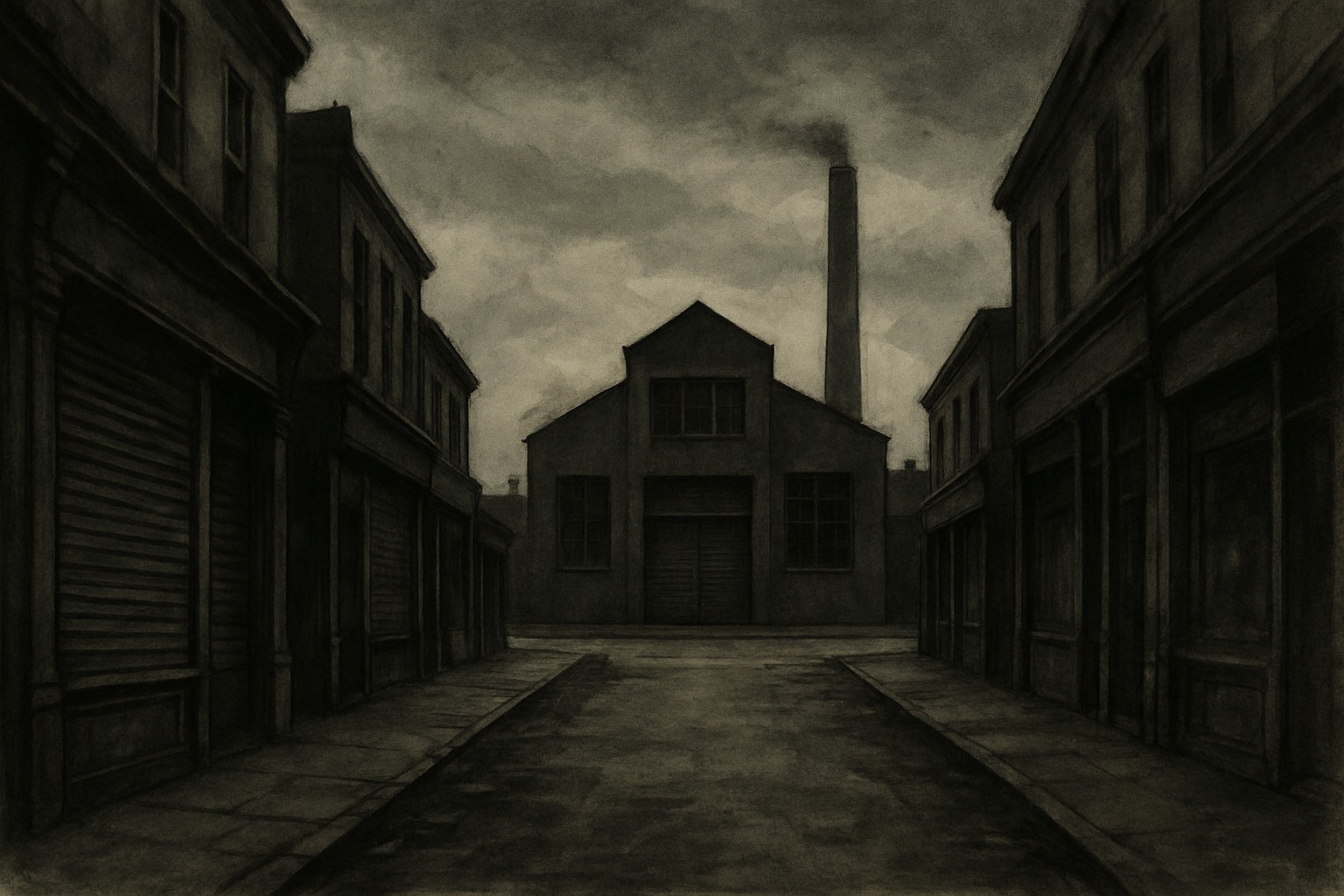
The Great Depression was the deepest and longest economic crisis in American history, stretching through the 1930s. Touched off by the 1929 stock market crash, it spiraled into a collapse that, at its worst, left roughly a quarter of American workers unemployed and wiped out the savings of millions as thousands of banks failed.
The human toll was staggering. Families lost homes and farms; breadlines and shantytowns appeared in every city; and on the Great Plains, drought and dust storms drove ruined farmers west in search of work. For many Americans the Depression was not a statistic but years of hunger, fear, and lost hope.
Its causes were many and are still debated — speculation and the crash, bank failures, a collapse in spending, mistakes by the Federal Reserve, and a global financial breakdown all played a part. What was clear was that the existing order had failed, and that the government would have to respond on a scale never before attempted.
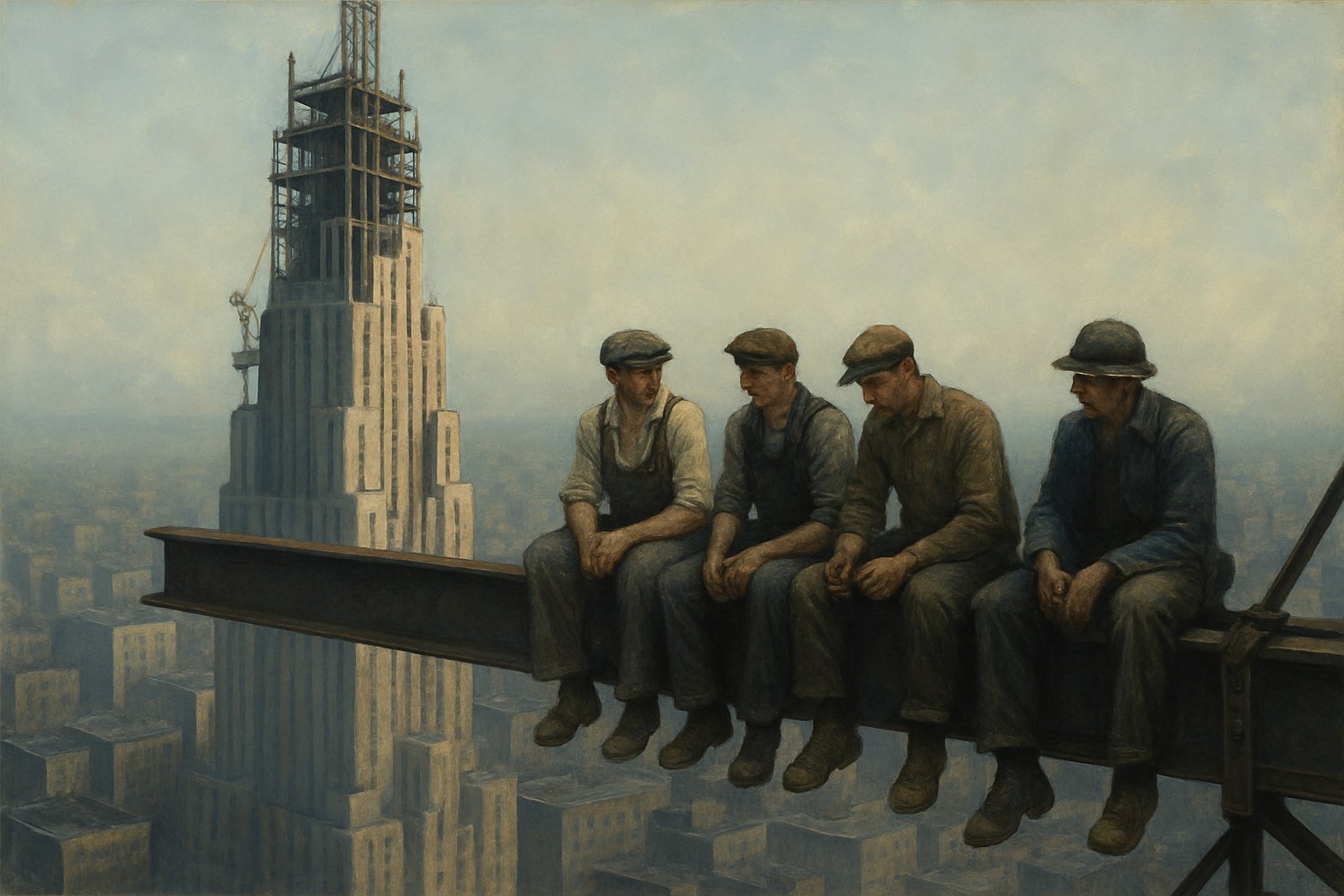
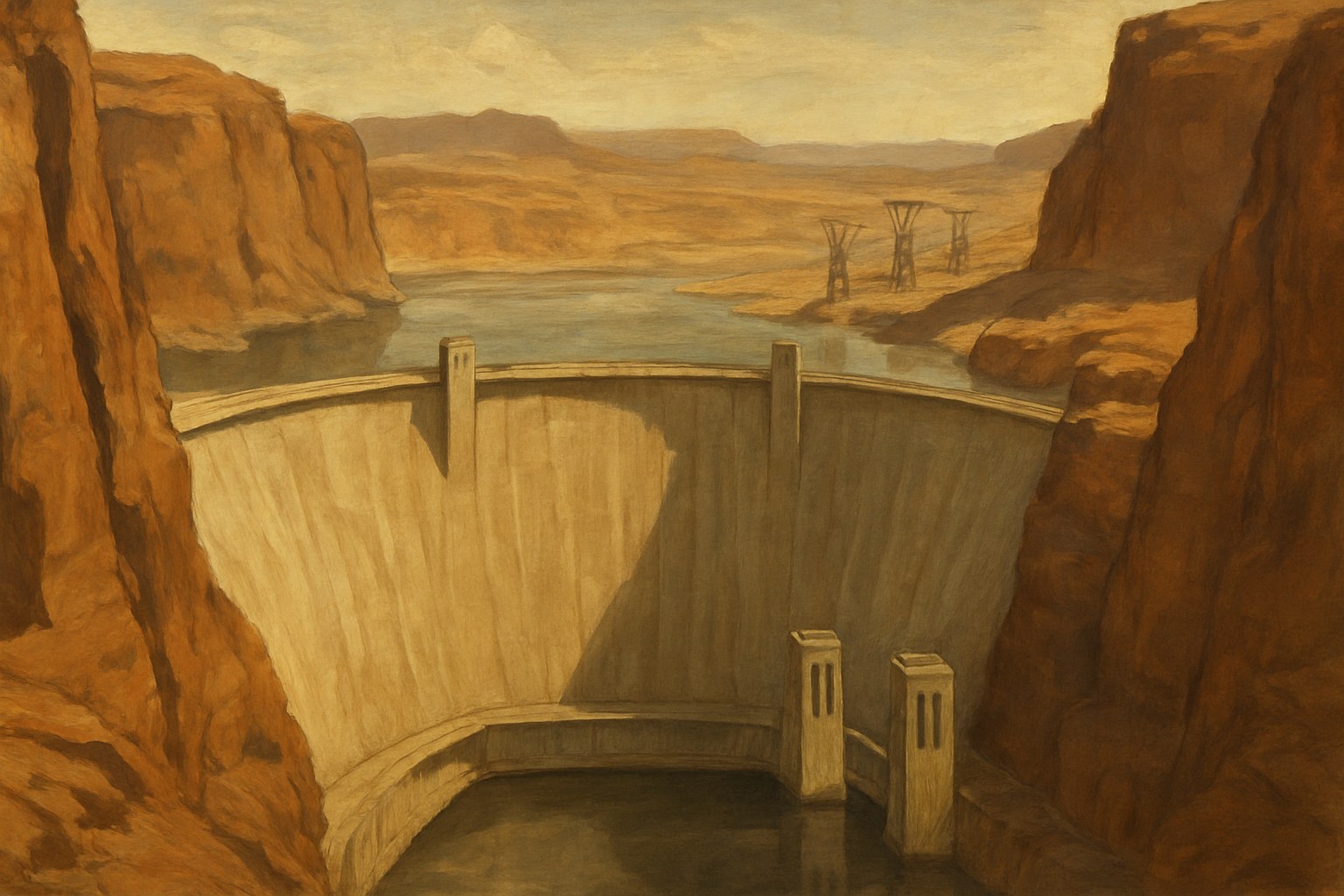
That response was the New Deal, which built much of the modern American safety net and permanently expanded the role of government in the economy. The Depression only truly ended with the massive spending of World War II — but it reshaped American politics, economics, and expectations for generations.
| Span | The 1930s (c. 1929–1939) |
| Trigger | The 1929 stock market crash |
| Unemployment | About 25% at its worst |
| Toll | Bank failures, breadlines, the Dust Bowl |
| Response | The New Deal; ended fully with World War II |
| Date | 1929–1939 |