Bessie Smith
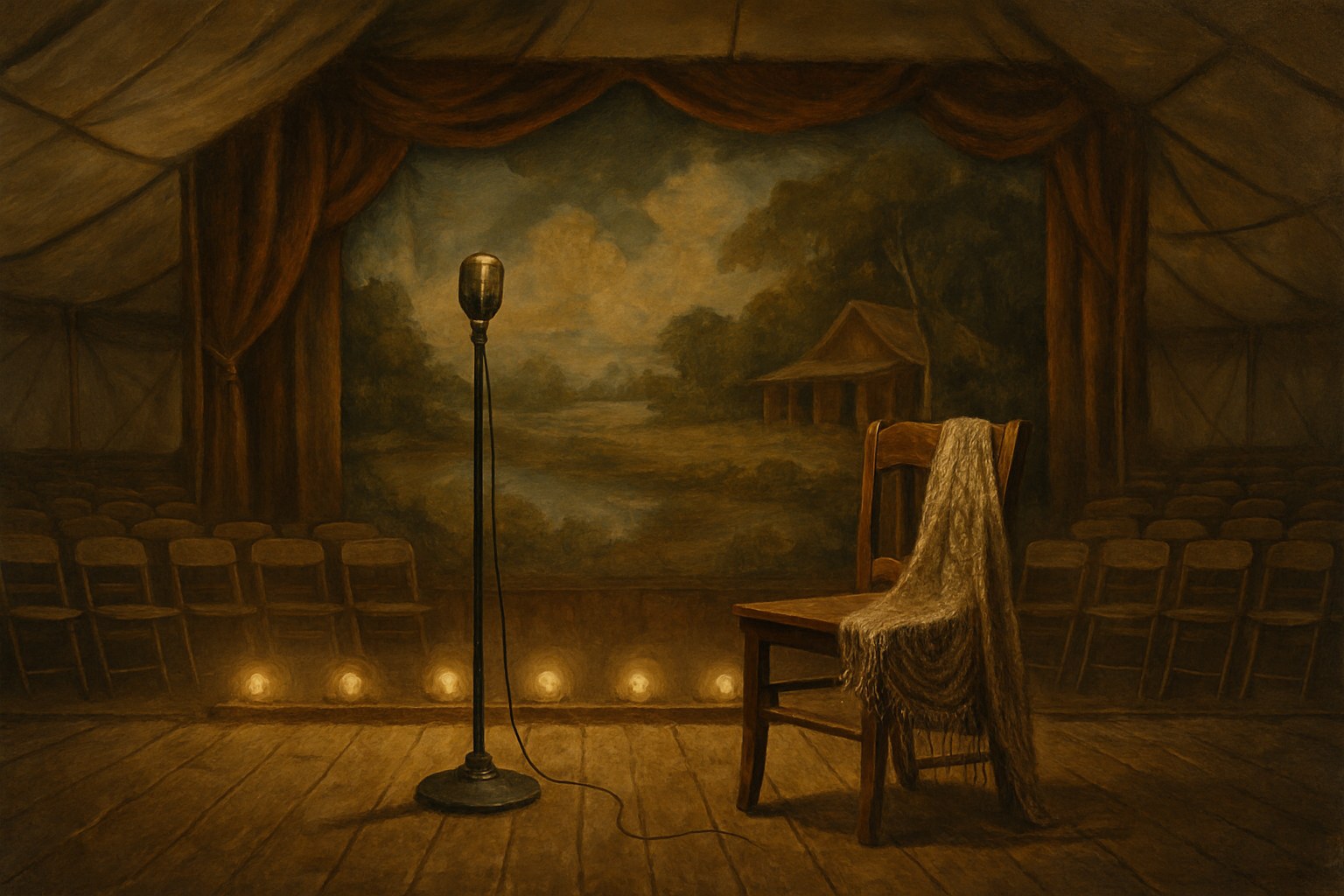
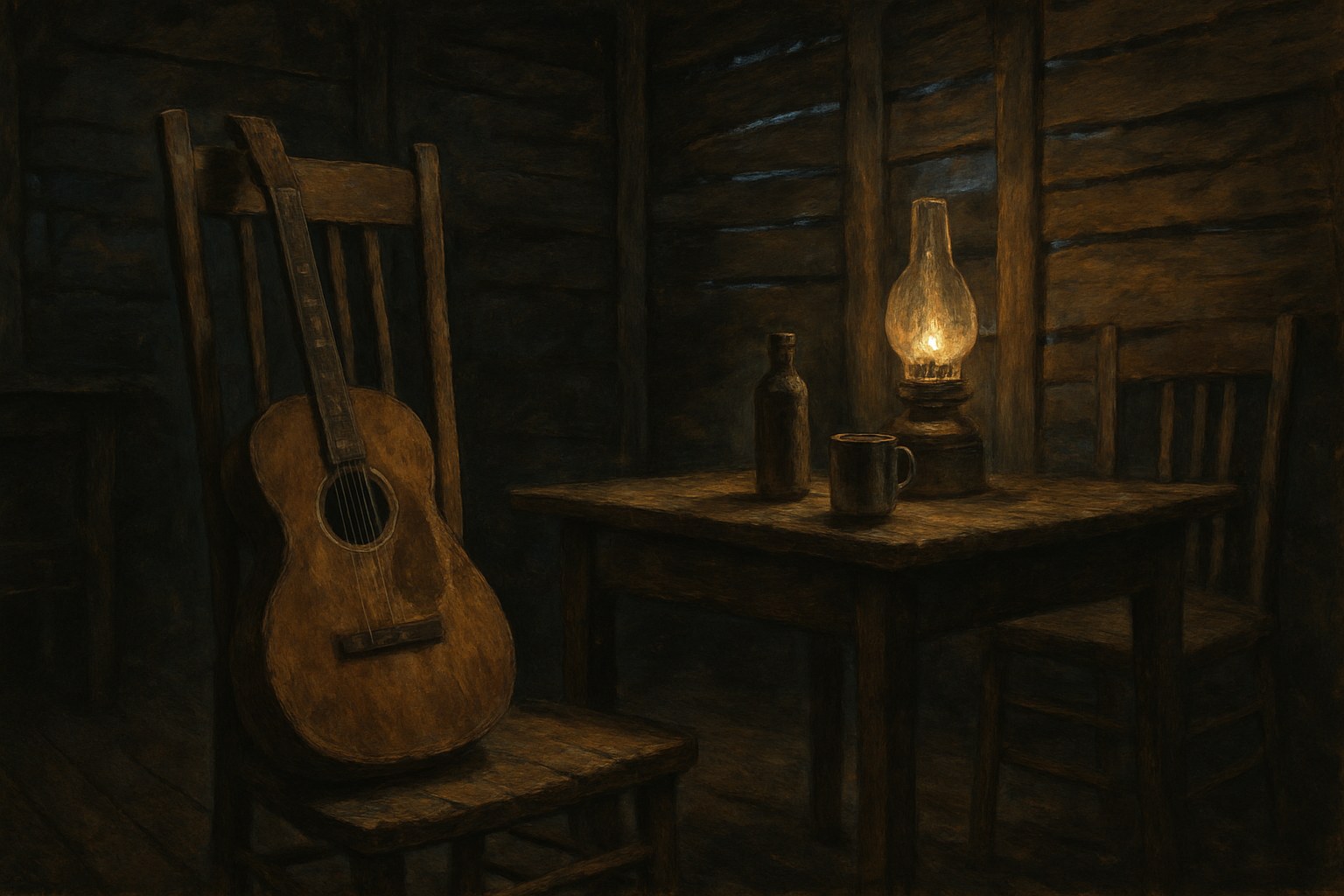
The blues reached a mass audience through women, and Bessie Smith commanded it more completely than anyone else. Orphaned young in Chattanooga, she sang on street corners for coins as a child with her brother playing guitar beside her, and learned the trade in Black vaudeville, touring tent shows across the South alongside Ma Rainey. She worked without a microphone for most of her career and did not need one. Accounts from the tents describe a voice that carried to the last row of a canvas theater over a full band, with unusual control of pitch and time.
Columbia signed her in 1923, after Mamie Smith's 1920 record had shown the labels that Black audiences bought records in quantity. Downhearted Blues sold hundreds of thousands of copies within months and made the company's race records line profitable. Over the next decade she recorded roughly one hundred sixty sides, among them St. Louis Blues with Louis Armstrong on cornet in 1925, and became the highest-paid Black entertainer in the United States. She traveled in a private railroad car, in part for comfort and in large part because Southern hotels would not take her.
She worked the Theater Owners Booking Association circuit, the network of Black-audience theaters that supplied nearly all the steady stage work available to Black performers under segregation, and whose initials artists said stood for something considerably less polite than the official name. Her material was frank about sex, drink, poverty, domestic violence, and independence in ways white popular song of the period was not permitted to be, and she delivered it without apology or wink. Her audiences were largely Black and largely Southern, and they made her rich.
The Depression and shifting taste cut the recording career short, and she was killed in a car crash on a Mississippi highway in September 1937. A widely repeated story that she bled to death after a whites-only hospital turned her away was contradicted by the surgeon who attended her, though the tale persisted for decades because nothing about it was implausible. She lay in an unmarked grave until 1970. Her phrasing runs directly into Billie Holiday, Mahalia Jackson, Aretha Franklin, and Janis Joplin, who helped pay for the headstone.
| Born | c. April 1894, Chattanooga, Tennessee |
| Died | September 26, 1937, near Clarksdale, Mississippi |
| Signed | Columbia Records, 1923 |
| Breakout | Downhearted Blues, 1923 |
| Output | About 160 recorded sides |
| Circuit | The Theater Owners Booking Association |
| Date | 1894-1937 |
| Location | Chattanooga, Tennessee |