The Great Migration
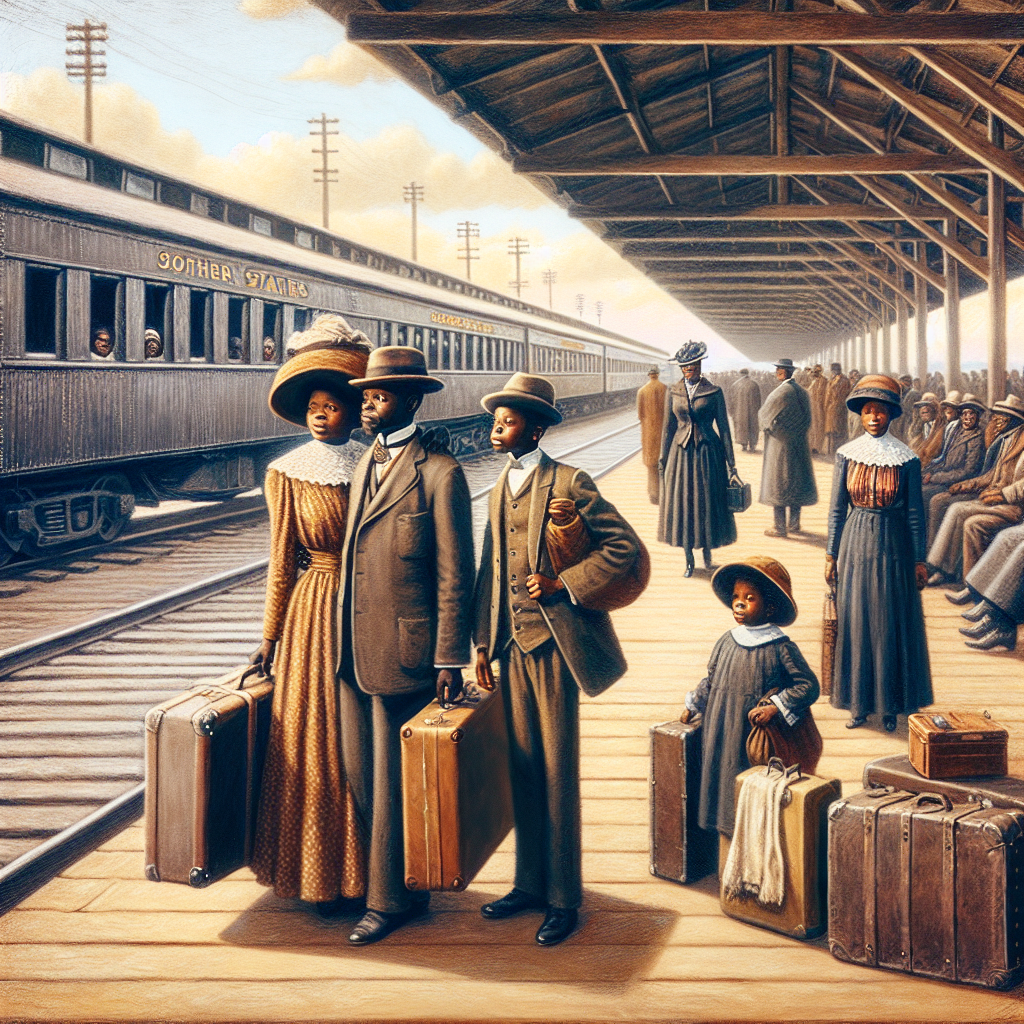
Between 1910 and 1970, approximately six million Black Americans left the states of the former Confederacy and moved north and west — to Chicago, Detroit, New York, Los Angeles, Philadelphia, and dozens of smaller industrial cities. They were leaving sharecropping and debt peonage, the convict leasing system, the constant threat of lynching, and the suffocating legal apparatus of Jim Crow. They were moving toward factory wages, the vote, and a version of citizenship that, while still profoundly unequal, was at least not enforced by organized terror. The Great Migration was the largest internal population movement in American history, and it remade the political and cultural geography of the United States as thoroughly as any war.
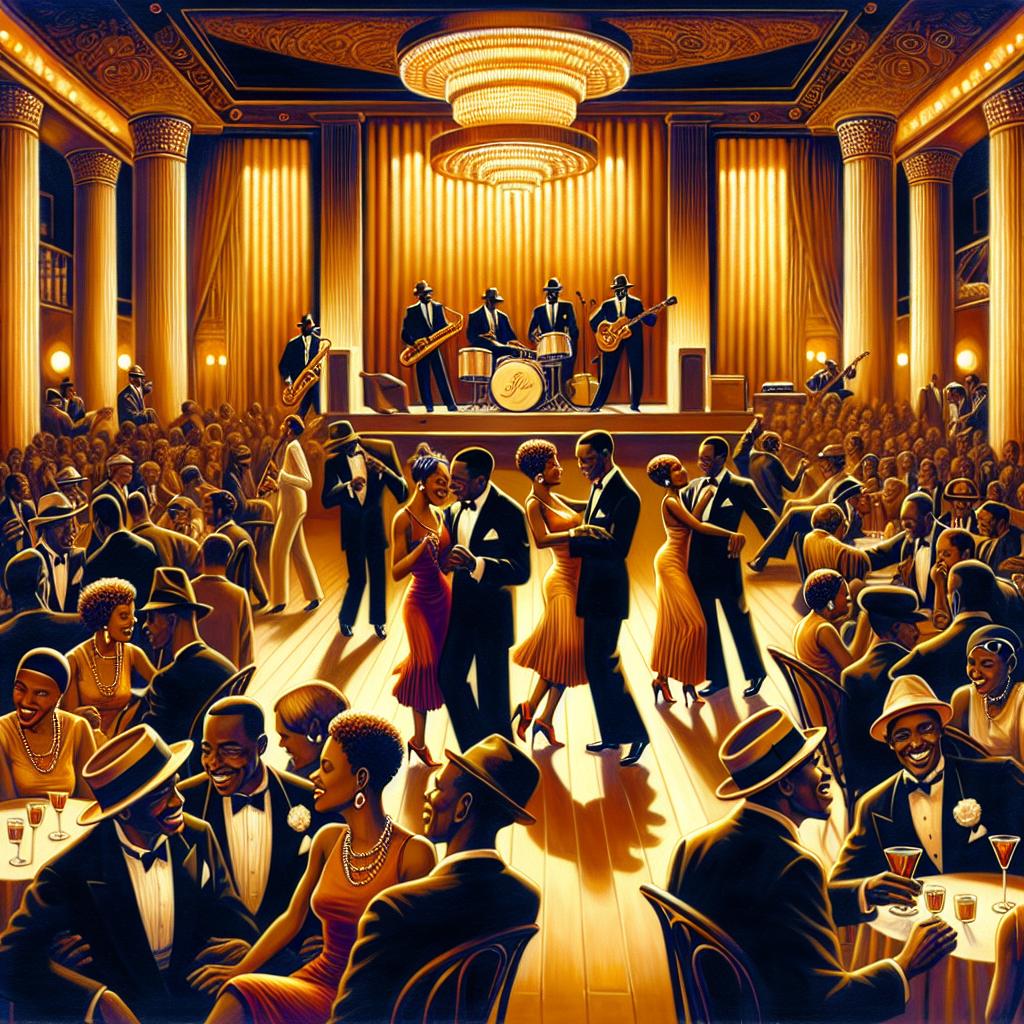
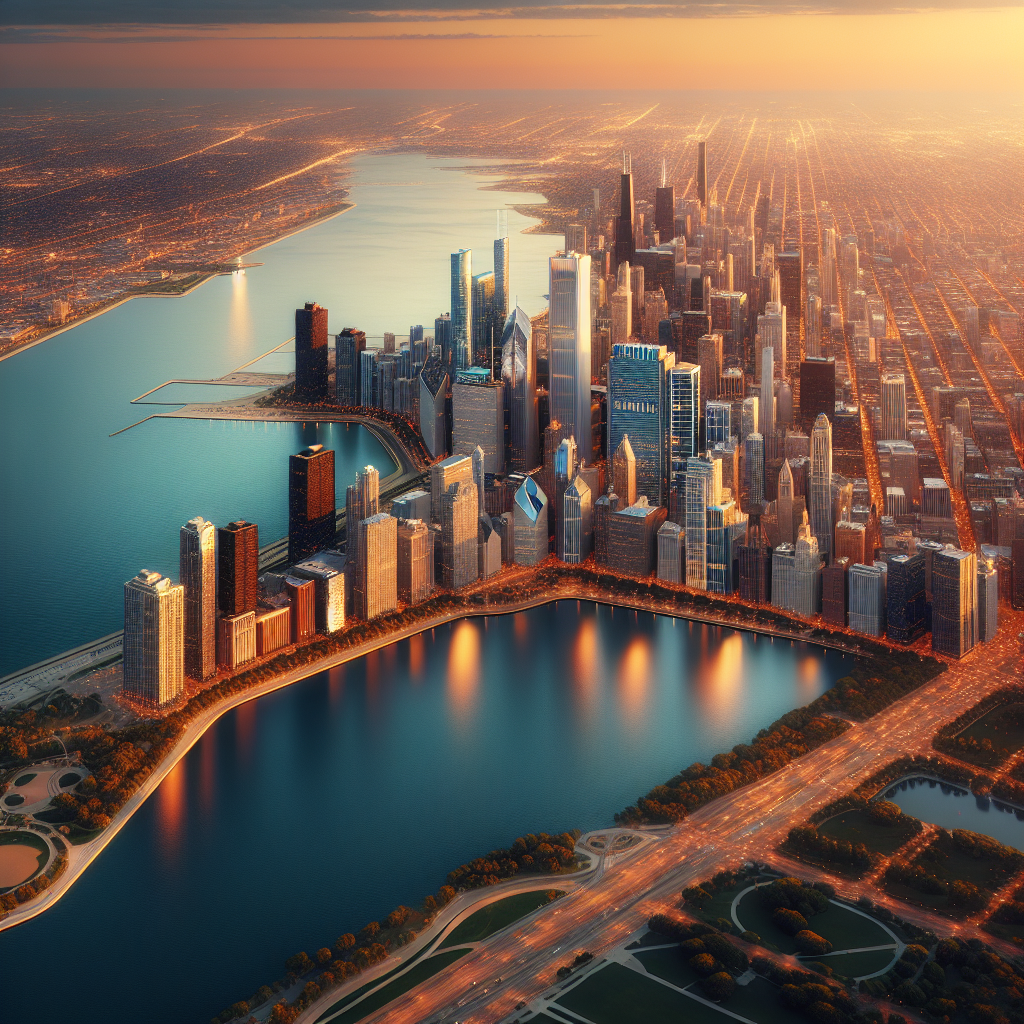
The first wave, from roughly 1910 to 1940, was driven by the pull of wartime industrial labor shortages and the push of racial violence that peaked in the Red Summer of 1919, when anti-Black riots broke out in more than 30 American cities. The second wave, from 1940 to 1970, brought millions more north and west as World War II created massive demand for industrial labor. Chicago's South Side, Harlem in New York, and Detroit's Paradise Valley became centers of Black cultural, political, and economic life whose influence extended far beyond their geography. The Chicago Blues, Motown, jazz's second flowering in New York, and the organizational infrastructure of the Civil Rights movement all emerged from communities the Great Migration built.
The migration's political consequences proved as transformative as its cultural ones. Black voters, concentrated in northern cities, became a decisive constituency in Democratic politics, shifting the party toward civil rights positions that Southern Democrats opposed — a tension that built for decades and finally broke the New Deal coalition in the 1960s. In the cities themselves, the Great Migration encountered the full range of Northern racism: restrictive housing covenants confined Black families to specific neighborhoods, redlining denied them mortgages, and white ethnic working-class communities defended neighborhood boundaries with violence. The urban ghettos that resulted were not the product of poverty alone but of deliberate policy — a reality that the Supreme Court began addressing only in 1968 with the Fair Housing Act, the year Martin Luther King Jr. was murdered.
| Period | 1910–1970 (two waves: 1910–1940, 1940–1970) |
| People relocated | ~6 million |
| Origin | Southern states (Alabama, Mississippi, Georgia, etc.) |
| Destinations | Chicago, New York, Detroit, Los Angeles, Philadelphia |
| First wave | WWI labor demand; Red Summer race riots (1919) |
| Second wave | WWII industrial demand, 1940–1970 |
| Cultural products | Chicago Blues, Motown, Harlem Renaissance expansion |
| Years | 1910–1970 |
| Location | United States |