Country Music
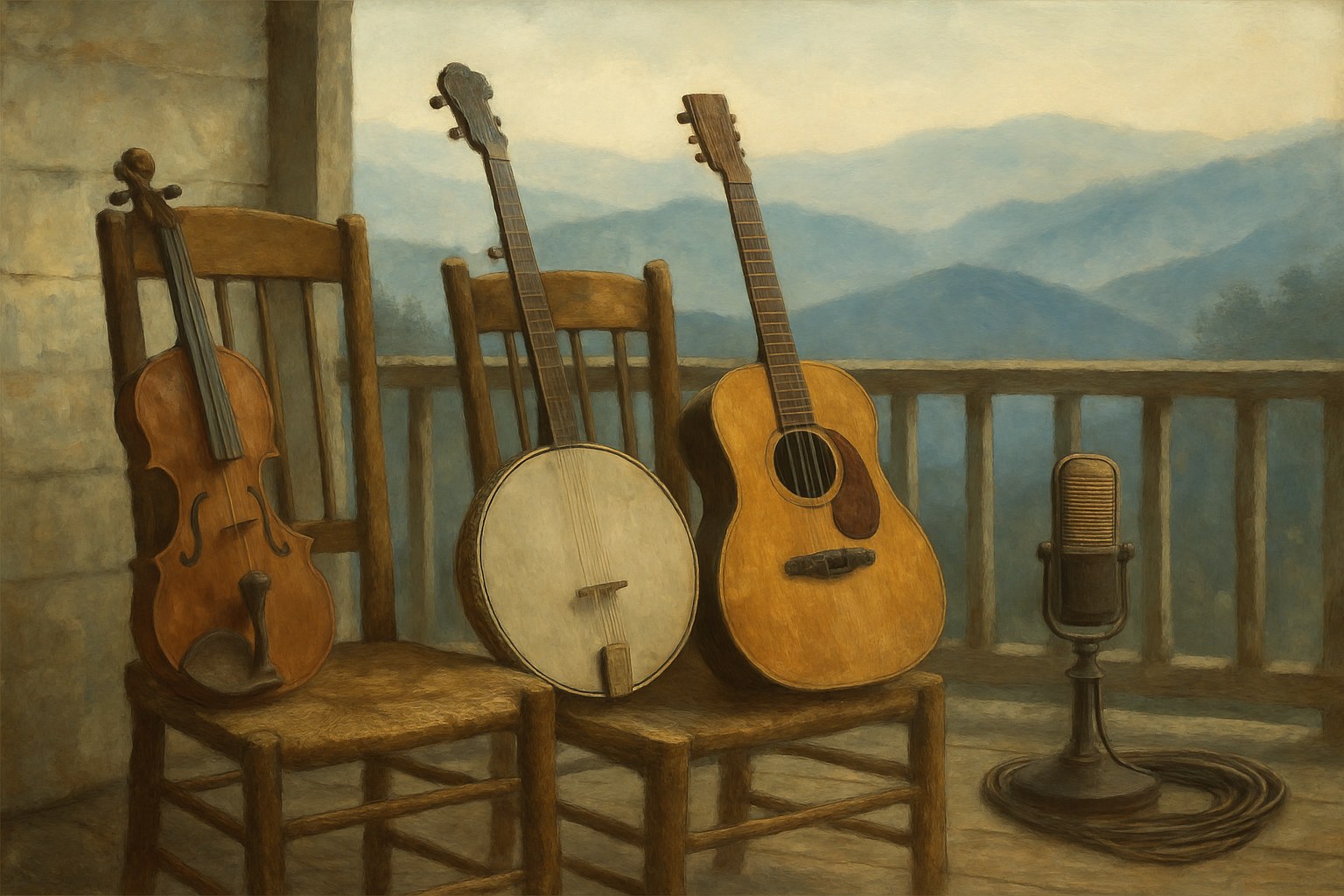
The mountain South was poor, isolated, and musically rich. Scots-Irish and English settlers had carried ballads across the Atlantic and into the Appalachians, where some survived in versions older than any still sung in Britain. To those they added the fiddle, the dulcimer, and the banjo, an instrument brought to America by enslaved Africans and adopted wholesale by white Southern players. String bands played dances, church socials, and fiddling contests, and the repertoire moved by ear across counties. Until the 1920s almost none of it had been recorded, and nobody called it country.
The record companies found the market by accident. In the summer of 1927 Ralph Peer of the Victor Talking Machine Company set up a portable studio in a hat warehouse in Bristol, on the Tennessee-Virginia line, and advertised in the local paper for performers. Over two weeks he recorded the Carter Family, whose guitar-and-harmony settings of traditional songs shaped the genre's permanent repertoire, and Jimmie Rodgers, a former railroad brakeman whose blue yodel and blues-inflected singing made him its first star. The Bristol sessions are often called country's big bang — a phrase that compresses a longer process but marks a real turn.
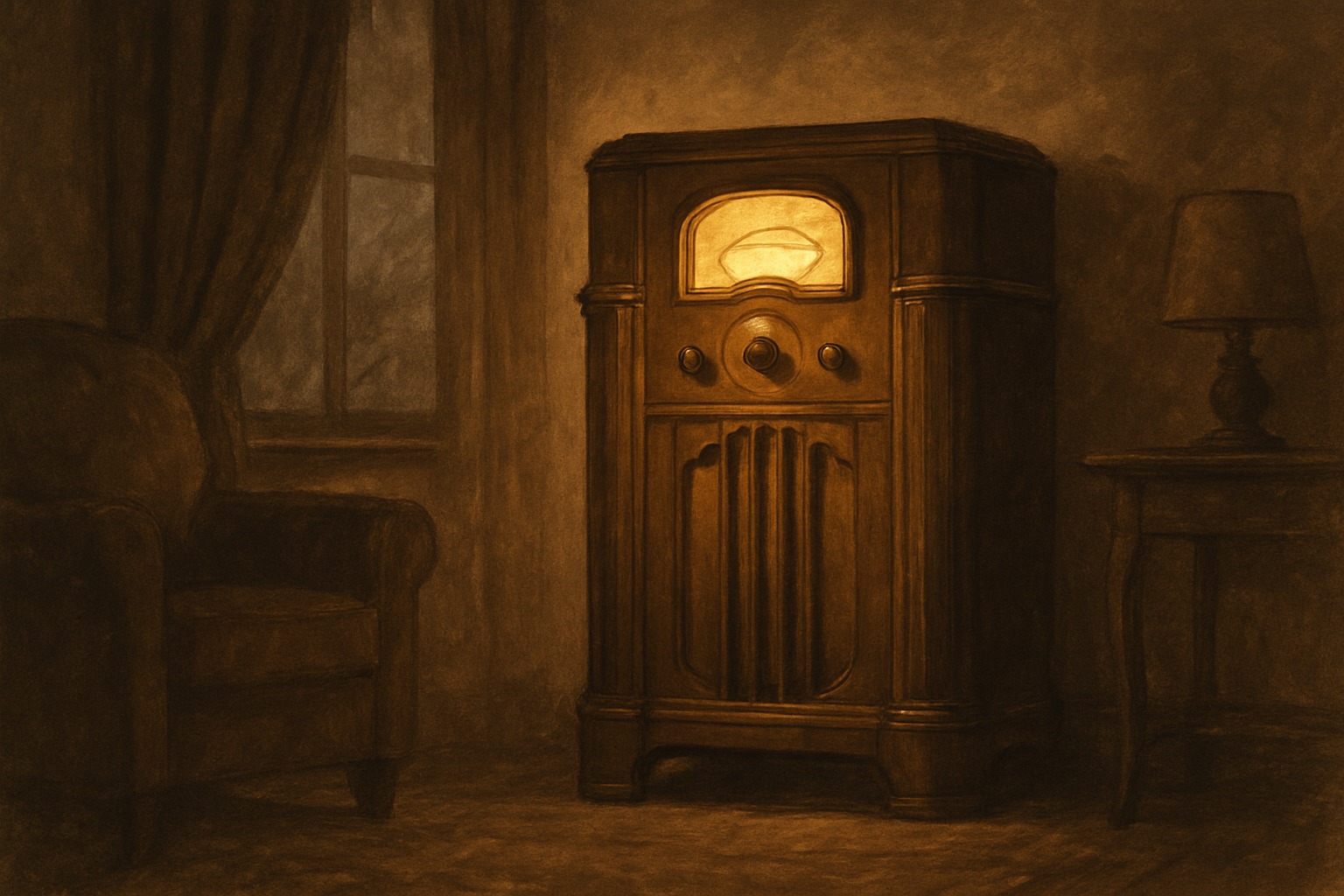
Radio built the audience that records alone could not. Barn dance programs on high-powered stations reached across whole regions, and the WSM Barn Dance in Nashville, renamed the Grand Ole Opry in 1927, became the genre's central institution and a Saturday night ritual in millions of houses. The Depression and the wartime migration of Southerners to defense plants in Detroit and California spread the music nationwide. By the 1950s Nashville had a recording industry of its own, and its producers smoothed the sound with strings and background choruses to reach a broader market.
Country was marketed from the beginning as white music, listed in catalogs kept carefully separate from the race records that carried the blues, though the two shared instruments, songs, and sometimes the same players when no microphone was running. That commercial segregation shaped how Americans heard both, and its assumptions took decades to loosen. Country became the music through which a large part of the country talked about work, family, faith, drink, and loss. It remains the most commercially durable American genre, still arguing with itself over tradition and the mainstream as it did in Nashville in 1958.
| Roots | Scots-Irish and English ballads, fiddle, and the African banjo |
| Bristol sessions | Bristol, Tennessee-Virginia, summer 1927 |
| Discovered there | The Carter Family and Jimmie Rodgers |
| Producer | Ralph Peer, Victor Talking Machine Company |
| Institution | The Grand Ole Opry, Nashville, from 1927 |
| Marketing | Sold as hillbilly records, kept apart from race records |
| Date | From the 1927 Bristol sessions |
| Location | Bristol, Tennessee |