The Internet
The network that gave everyone a printing press — and remade media

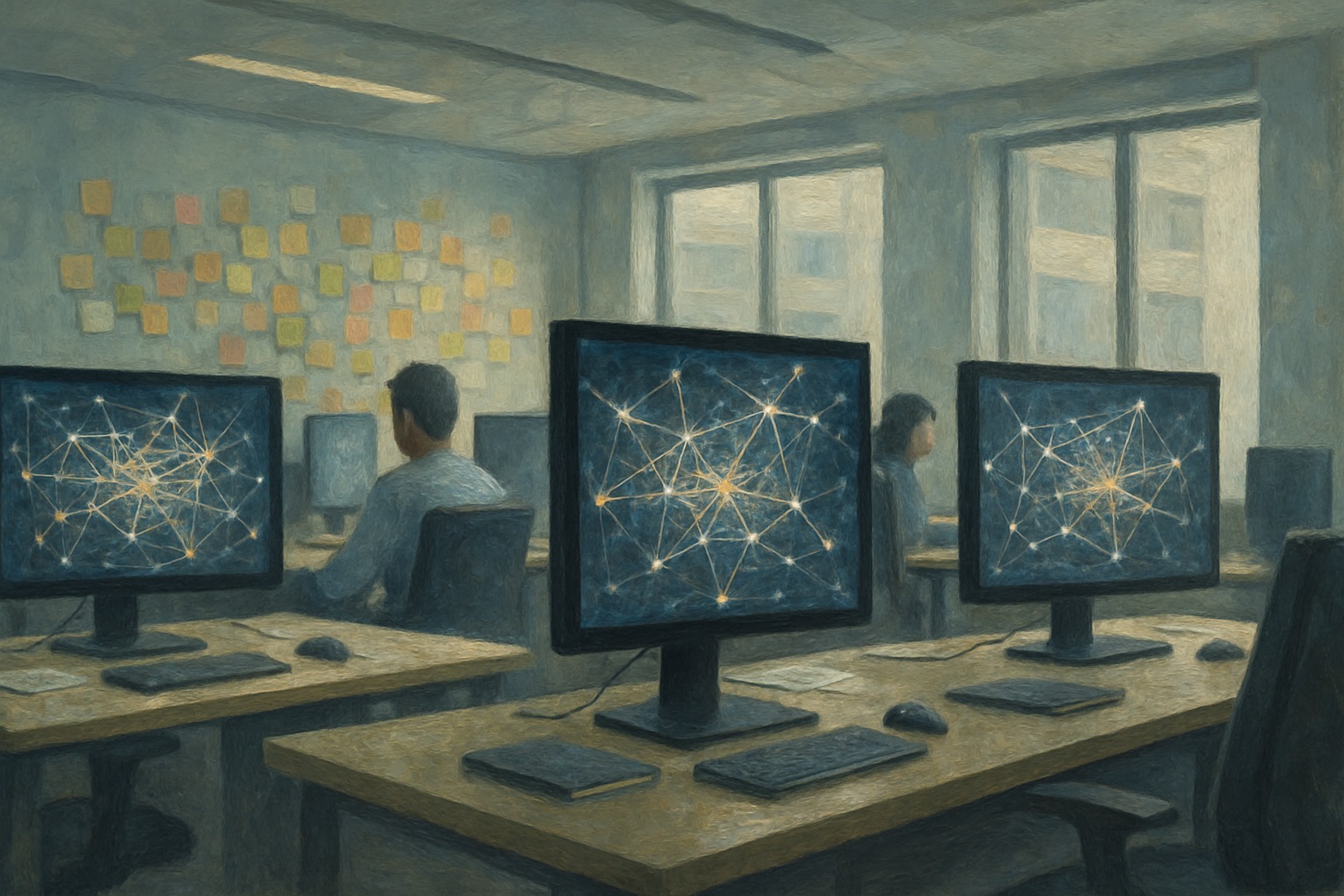
The internet grew from a small Cold War research network, ARPANET, into the global system that now connects much of humanity. With the invention of the World Wide Web in 1989 and its spread through the 1990s, it became a mass medium — and then the medium that absorbed all the others.
It overturned the old media order. Where a handful of newspapers, networks, and studios had once controlled what the public saw, the internet let anyone publish to the world. News, music, film, and conversation all moved online, and the gatekeepers of the broadcast age lost their monopoly.
Social media completed the transformation. Platforms turned billions of users into broadcasters and connected them into a single, churning global conversation — accelerating news to the speed of the feed, empowering movements, and also spreading misinformation, deepening division, and concentrating enormous power in a few technology companies.
The internet democratized expression on a scale never seen before, while unsettling the business of journalism and the shared facts democracy depends on. It is the defining medium of the present, and the questions it raises about truth, privacy, and power remain unresolved.


Related entries
Featured in these guides
- American Media: From the Penny Press to the FeedHow the nation learned to talk to itself — the press, the broadcast age, and the digital revolution that upended them all.
- American Music: Blues, Jazz, and the Sound of a CountryHow African rhythm, European song, and the segregated South produced the world's popular music.
- How America Got ElectricityFrom gaslight to the grid — the inventors, the currents, the wires, and the country they rebuilt.