Bob Dylan
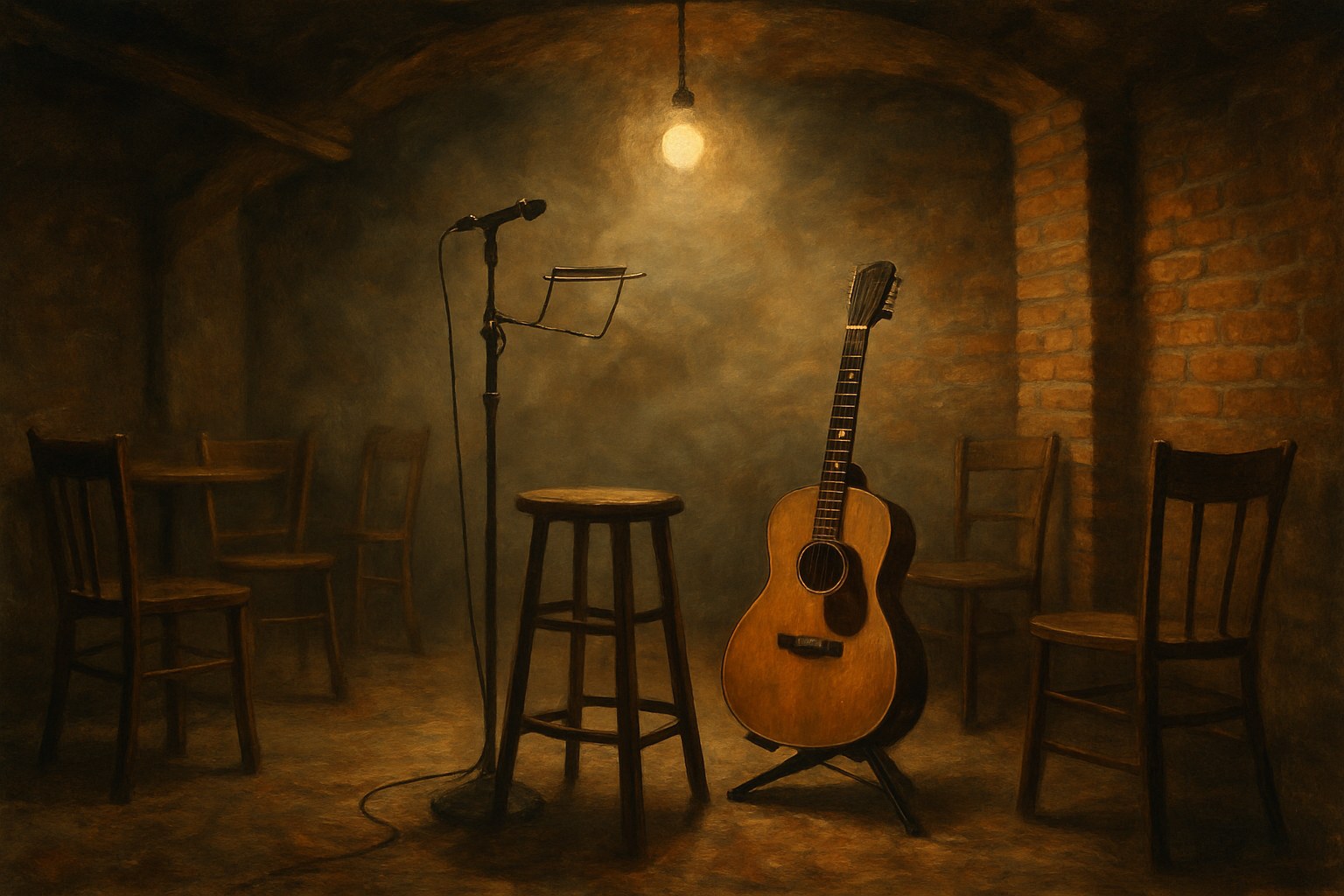
Greenwich Village in 1961 ran on an idea of authenticity — old songs, acoustic instruments, and a lineage traced back through Woody Guthrie to the rural South and the labor movement. A nineteen-year-old from Hibbing, Minnesota, born Robert Zimmerman, arrived that January with a serviceable Guthrie imitation, an unusual capacity to absorb everything he heard once, and a set of biographical stories about himself that were largely invented. Within two years he was the most closely watched songwriter in the country and the one everyone else was measured against.
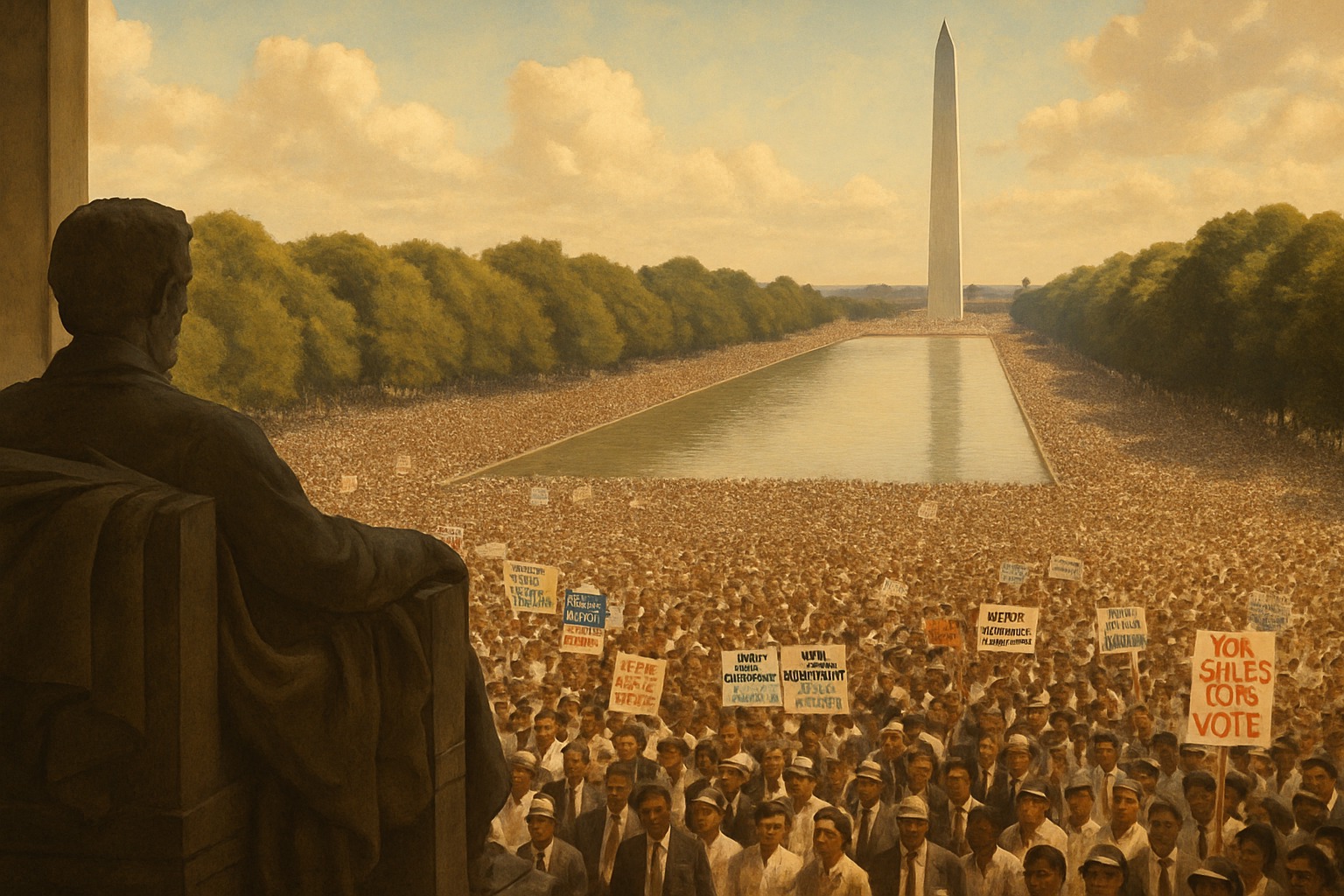
Blowin' in the Wind, A Hard Rain's A-Gonna Fall, The Times They Are A-Changin', and Only a Pawn in Their Game gave the civil rights and antiwar movements a body of new material, and he performed at the March on Washington in August 1963. Peter, Paul and Mary turned the songs into hits and carried them further than he could. He was uncomfortable in the role almost immediately, resisting the title of spokesman and complaining that the movement press wanted a set of positions from him rather than songs.
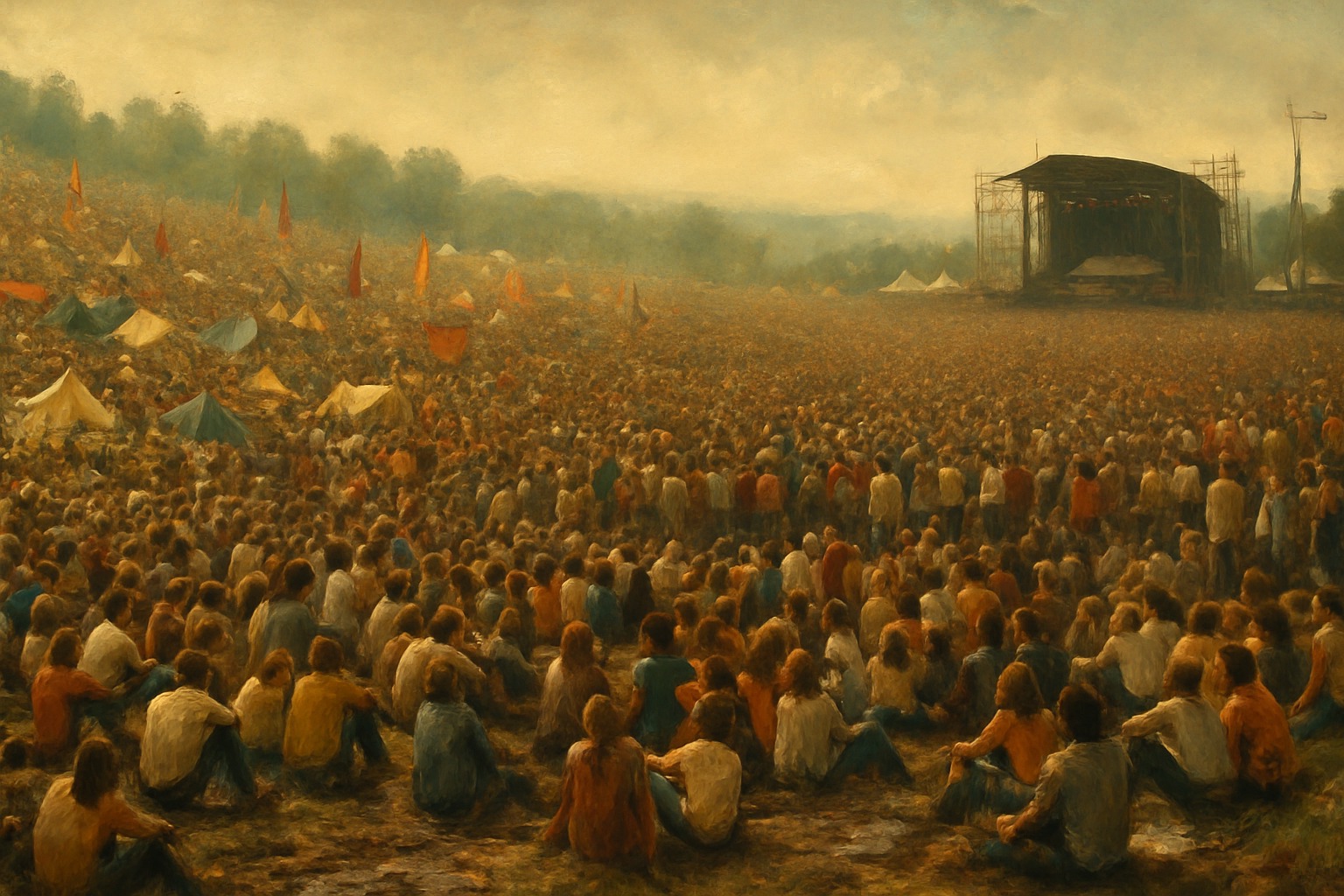
At the Newport Folk Festival in July 1965 he played three songs with an electric band and met a mixture of cheering and booing whose causes are still disputed — betrayal of folk purity, genuinely bad sound, or a set the audience thought too short. Whatever the crowd meant by it, the break was real and permanent. Over the following fifteen months he recorded Bringing It All Back Home, Highway 61 Revisited, and Blonde on Blonde, pushing lyrics toward surrealism, length, and interior argument, and most of the field followed him there.
A motorcycle accident in 1966 pulled him out of public view, and the decades since have taken in country records, a Christian conversion, long stretches of indifferent work, a late and sustained revival, and a touring schedule kept up almost without pause since 1988. In 2016 the Swedish Academy awarded him the Nobel Prize in Literature for having created new poetic expressions within the great American song tradition. He waited two weeks to acknowledge it. The award reopened an old argument about whether songs count as literature, which was arguably the point of giving it.
| Born | May 24, 1941, Duluth, Minnesota, raised in Hibbing |
| Arrived | Greenwich Village, January 1961 |
| Protest songs | Blowin' in the Wind, The Times They Are A-Changin' |
| Newport | Played electric, July 25, 1965 |
| Peak trilogy | Bringing It All Back Home, Highway 61 Revisited, Blonde on Blonde |
| Nobel | Prize in Literature, 2016 |
| Date | Born 1941 |
| Location | Hibbing, Minnesota |