Jazz
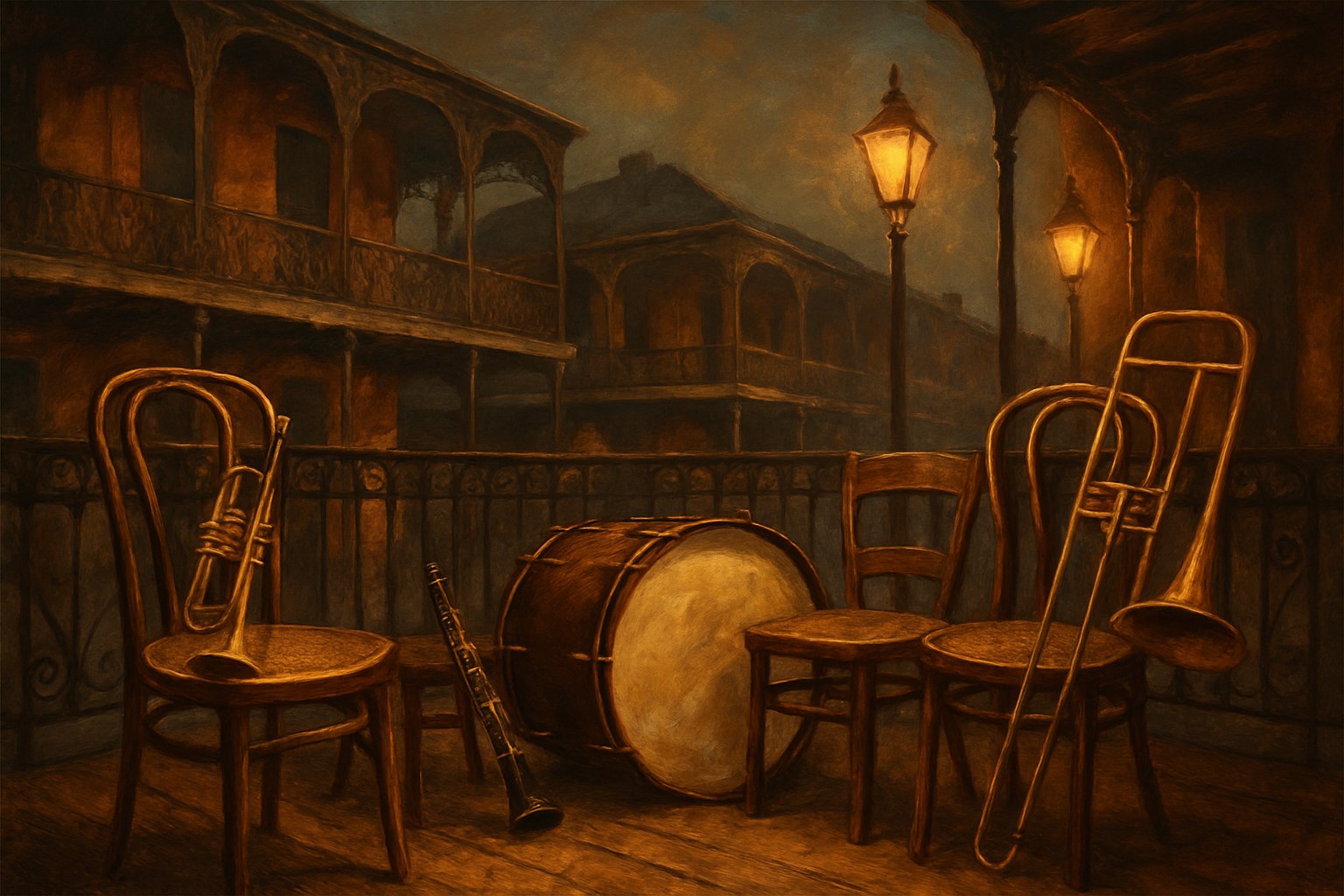
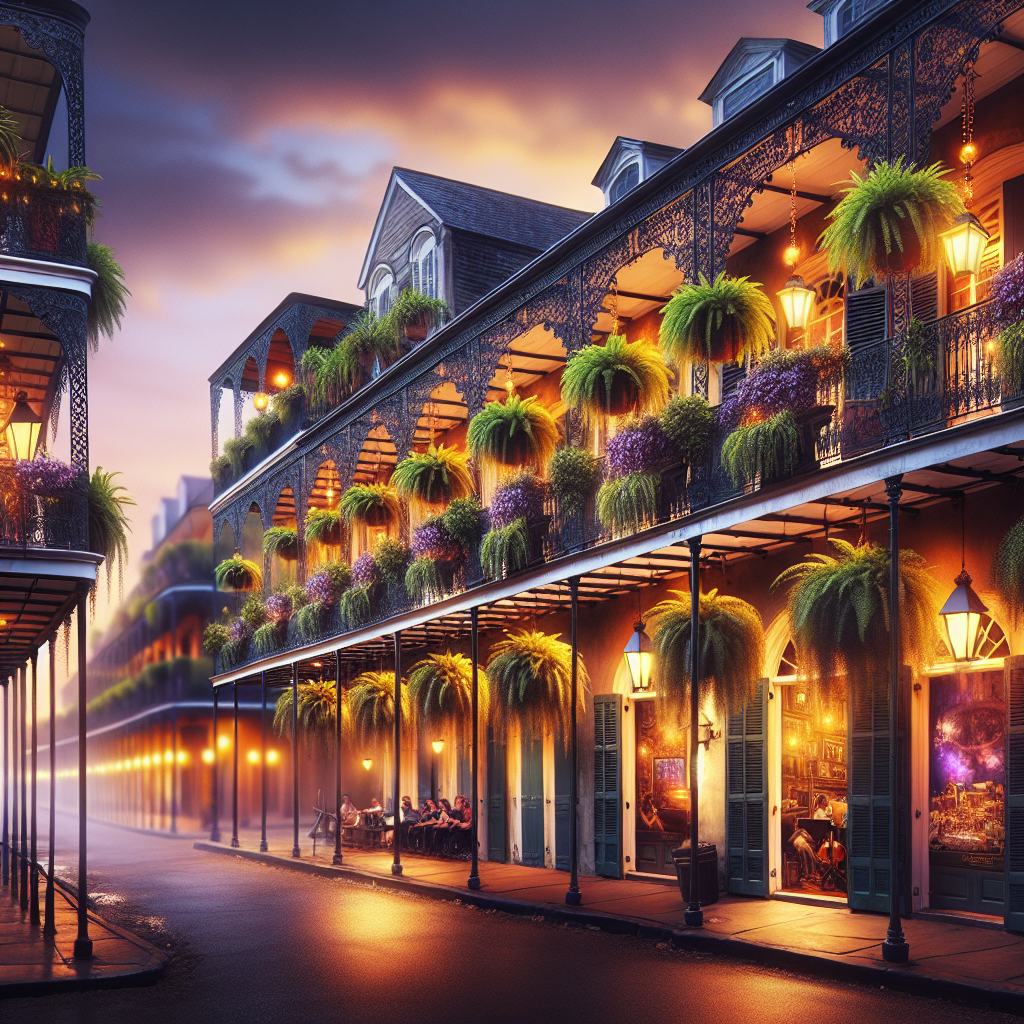
New Orleans at the turn of the twentieth century held a musical inheritance no other American city had. French and Spanish rule had left a Creole population with conservatory training and a taste for opera. Congo Square had permitted enslaved Africans to drum and dance in public longer than anywhere else on the mainland. Brass bands played funerals, parades, and lakefront picnics. When Louisiana's hardening segregation laws in the 1890s reclassified Creoles of color as simply Black, trained Creole musicians and self-taught Black players were pushed into the same bands. Jazz came out of that forced meeting.
The city's legal vice district, Storyville, gave musicians steady paid work between 1897 and 1917, though the familiar claim that jazz was born in its brothels flatters the story more than the evidence supports. What distinguished the new music was not its instruments, which were the same cornets and clarinets everyone else used, but its organizing principle. Players improvised — collectively at first, cornet, clarinet, and trombone weaving lines around a melody rather than reading them off a page. The performance, not the score, was the work. That premise separated jazz from every European music it borrowed from.
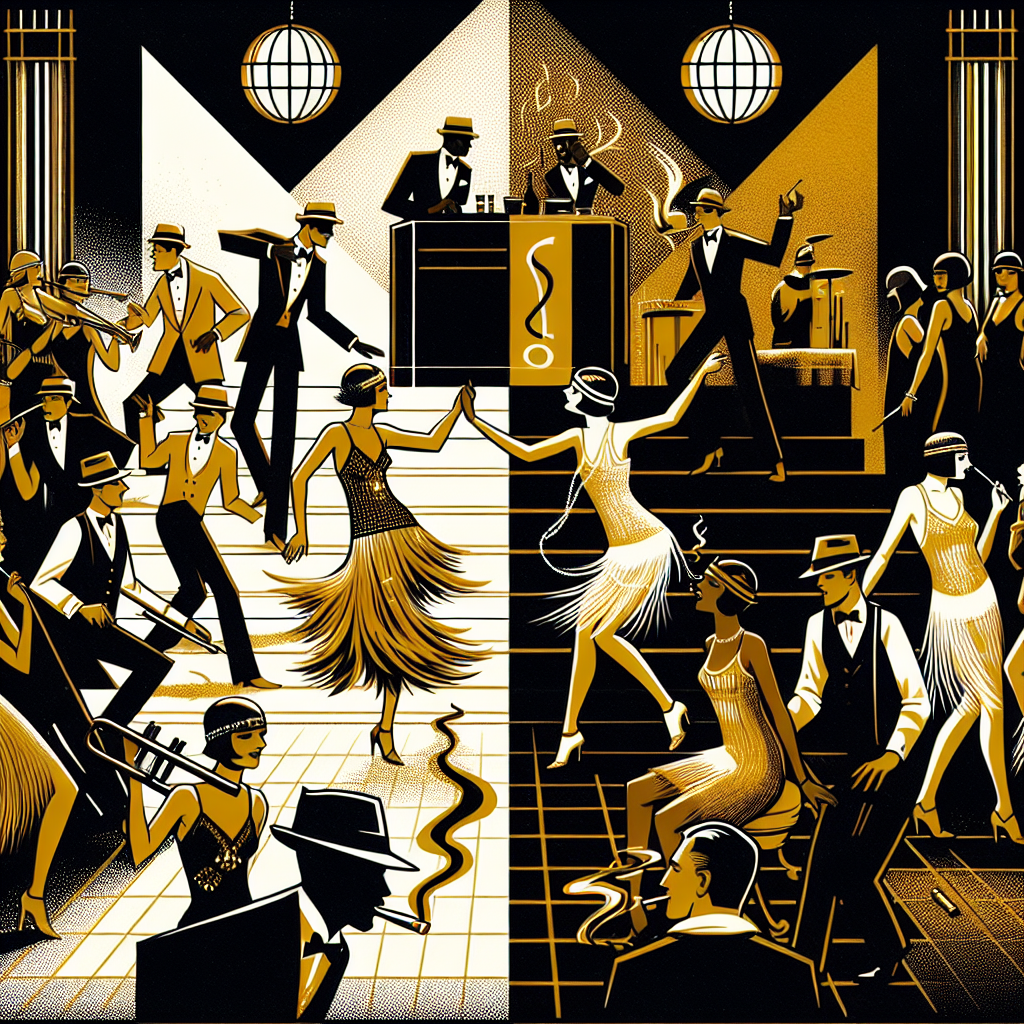
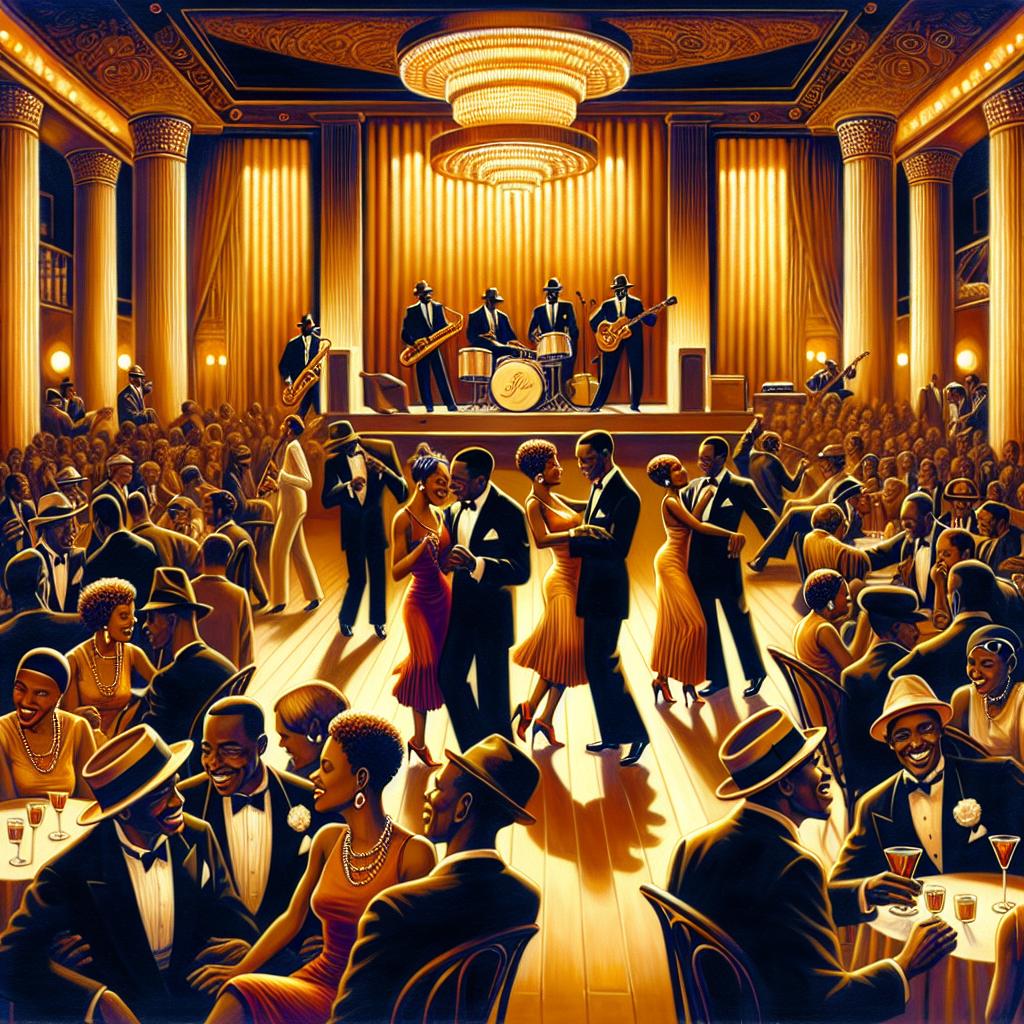
The Great Migration carried jazz up the river and the rail lines. King Oliver and Louis Armstrong brought it to Chicago, and Harlem made it a national style. In the 1930s the big bands turned it into the popular dance music of the whole country, and swing filled ballrooms through the Depression and the war years. In the 1940s a younger generation — Charlie Parker, Dizzy Gillespie, Thelonious Monk — turned against the dance floor with bebop, faster and harmonically dense, insisting the music be listened to as art rather than consumed as entertainment. Later decades produced cool, modal, and free jazz in turn.
Jazz became the American art form most admired abroad, and during the Cold War the State Department sent its players overseas as evidence of American freedom, a mission complicated by the segregation those same musicians met on returning home. Its influence ran through film scores, Broadway, and the concert hall, and its central claim — that a performer's invention within a shared structure is itself the composition — reshaped how music is made worldwide. Argument over what counts as jazz has gone on for a century without resolution, which its practitioners have generally treated as a feature.
| Origin | New Orleans, c. 1900 |
| Ingredients | Blues, ragtime, brass bands, Creole conservatory training |
| Principle | Improvisation — the performance is the composition |
| Spread | Chicago and New York via the Great Migration |
| Eras | New Orleans, swing, bebop, cool, modal, free |
| Cold War | State Department jazz tours as cultural diplomacy |
| Date | Emerged c. 1900 |
| Location | New Orleans, Louisiana |