Civil Rights Movement
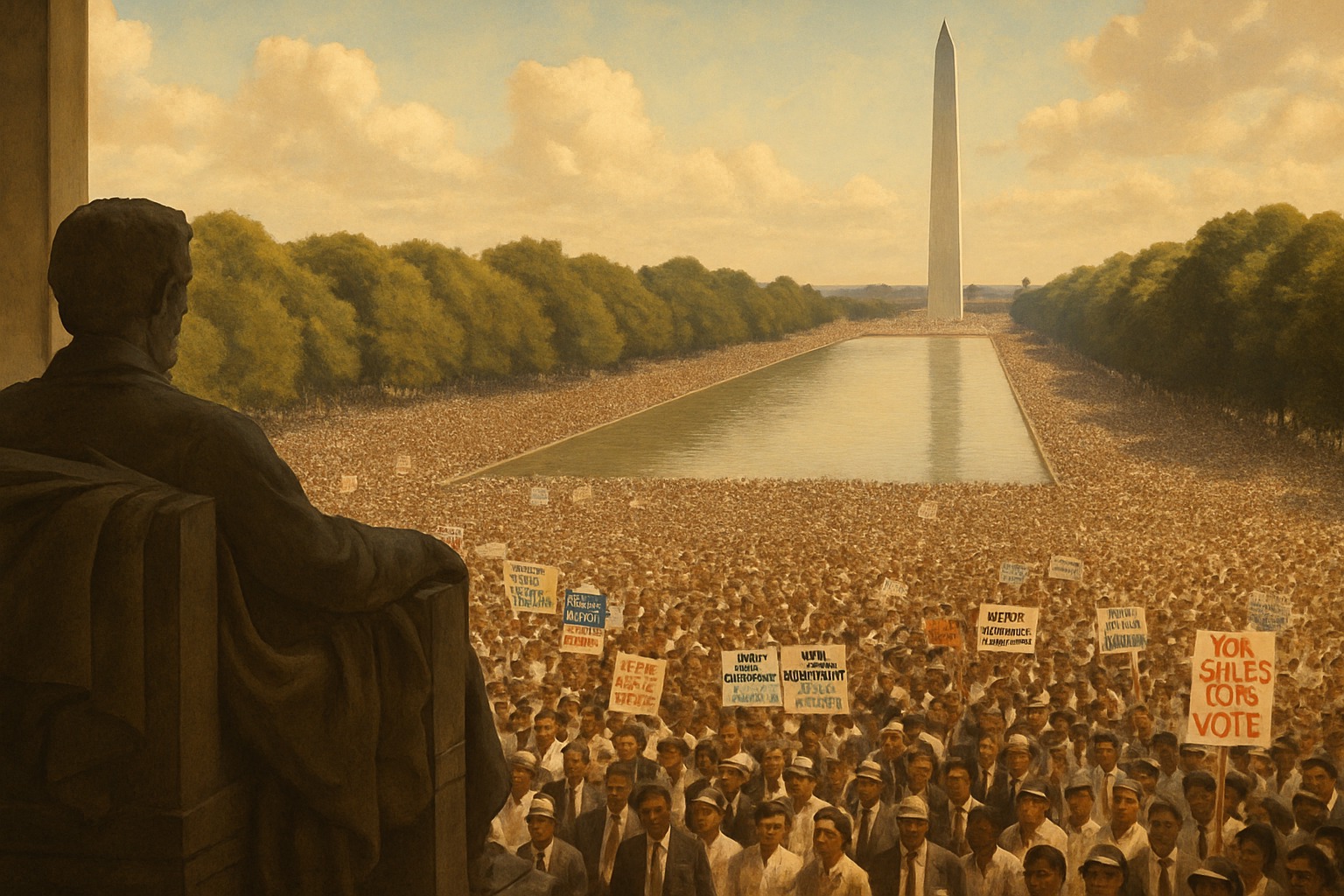
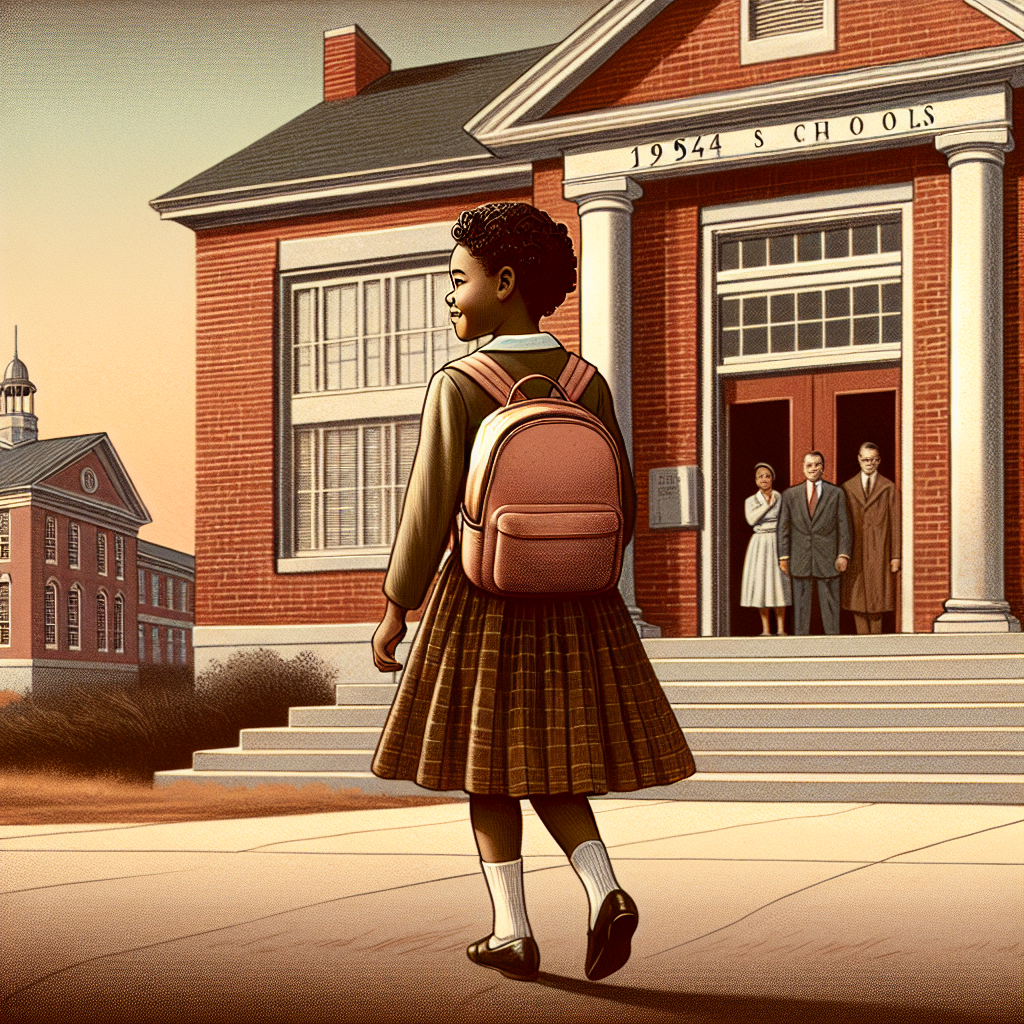
The Civil Rights Movement was not a single event or a single decade but a sustained campaign waged across generations, in courtrooms and churches, on buses and at lunch counters, in the streets of Birmingham and Selma and Washington. Its immediate arc runs from the Supreme Court's Brown v. Board of Education decision in 1954 to the Voting Rights Act of 1965 — eleven years that dismantled the legal architecture of segregation that had governed the South since Reconstruction. But its roots ran deeper: through the NAACP's legal strategy, the labor organizing of A. Philip Randolph, the anti-lynching campaigns of Ida B. Wells, and the long refusal of Black Americans to accept the terms of Jim Crow.
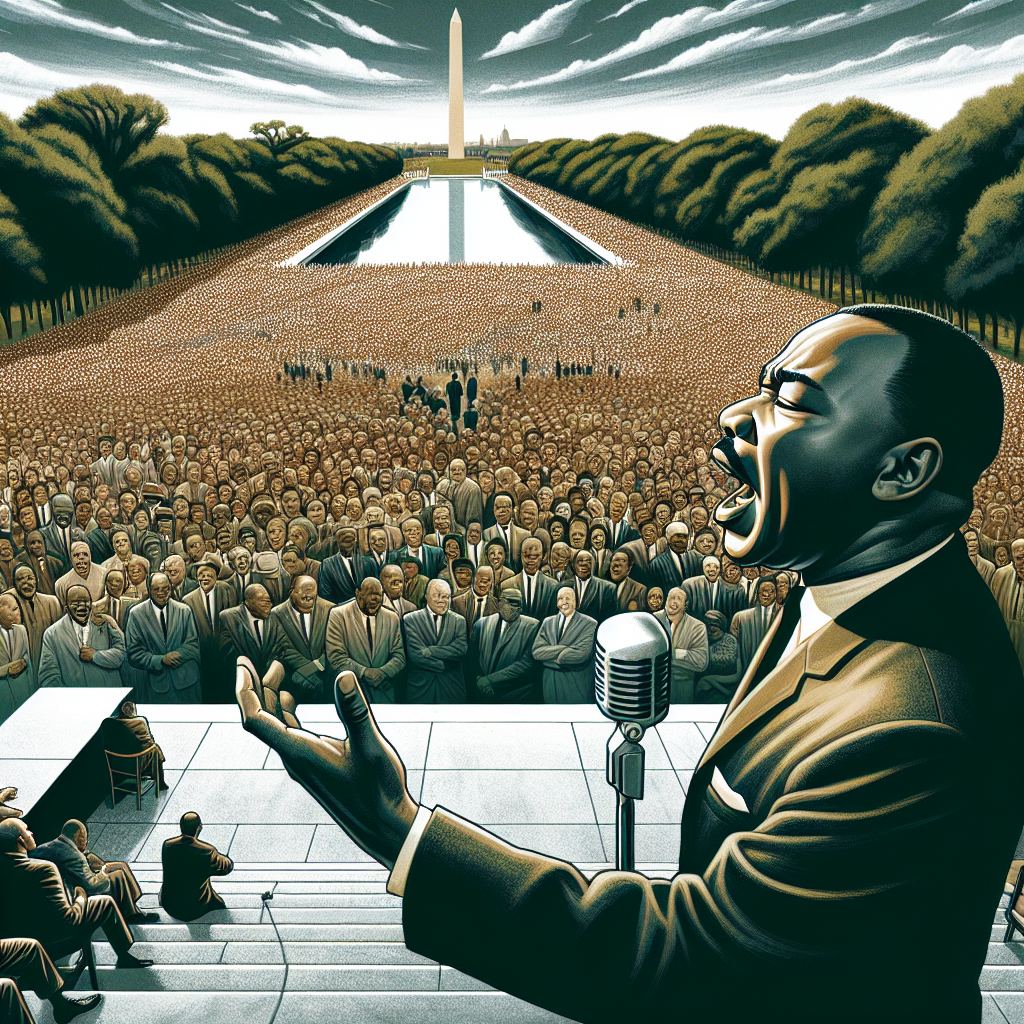
The movement's genius was tactical variety. Legal challenges in federal courts chipped away at segregation's constitutional foundations. Economic boycotts demonstrated the purchasing power that white businesses depended on and Black consumers could withdraw. Sit-ins, freedom rides, and marches forced confrontations with violent white resistance that could not be kept off television — and the footage of police dogs and fire hoses in Birmingham, of state troopers beating marchers on the Edmund Pettus Bridge in Selma, made the moral stakes of the struggle visible to a national audience that had preferred not to see them. The nonviolent discipline that movement leaders demanded of demonstrators made the violence of their opponents impossible to justify.
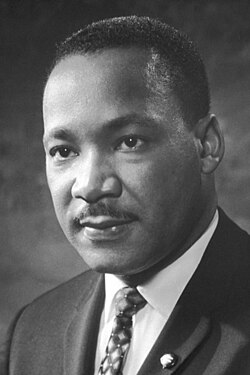
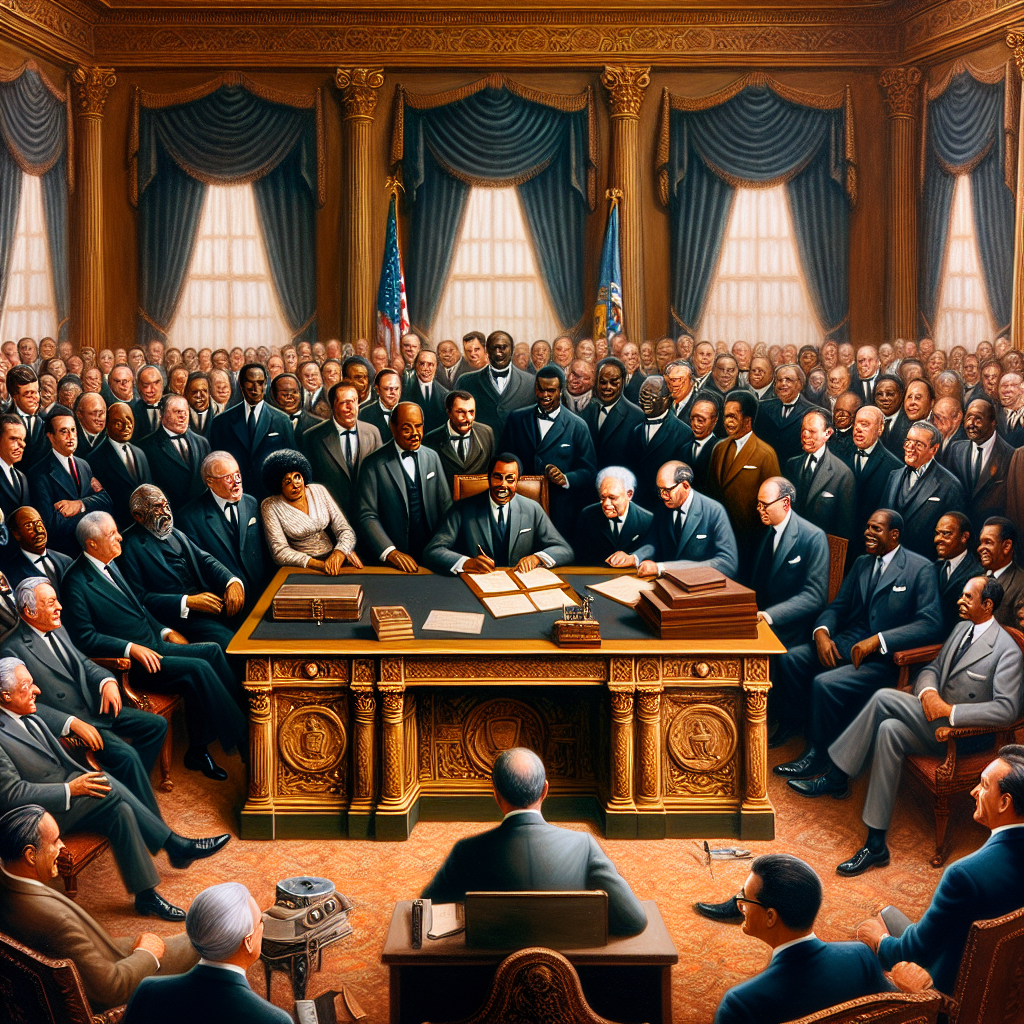
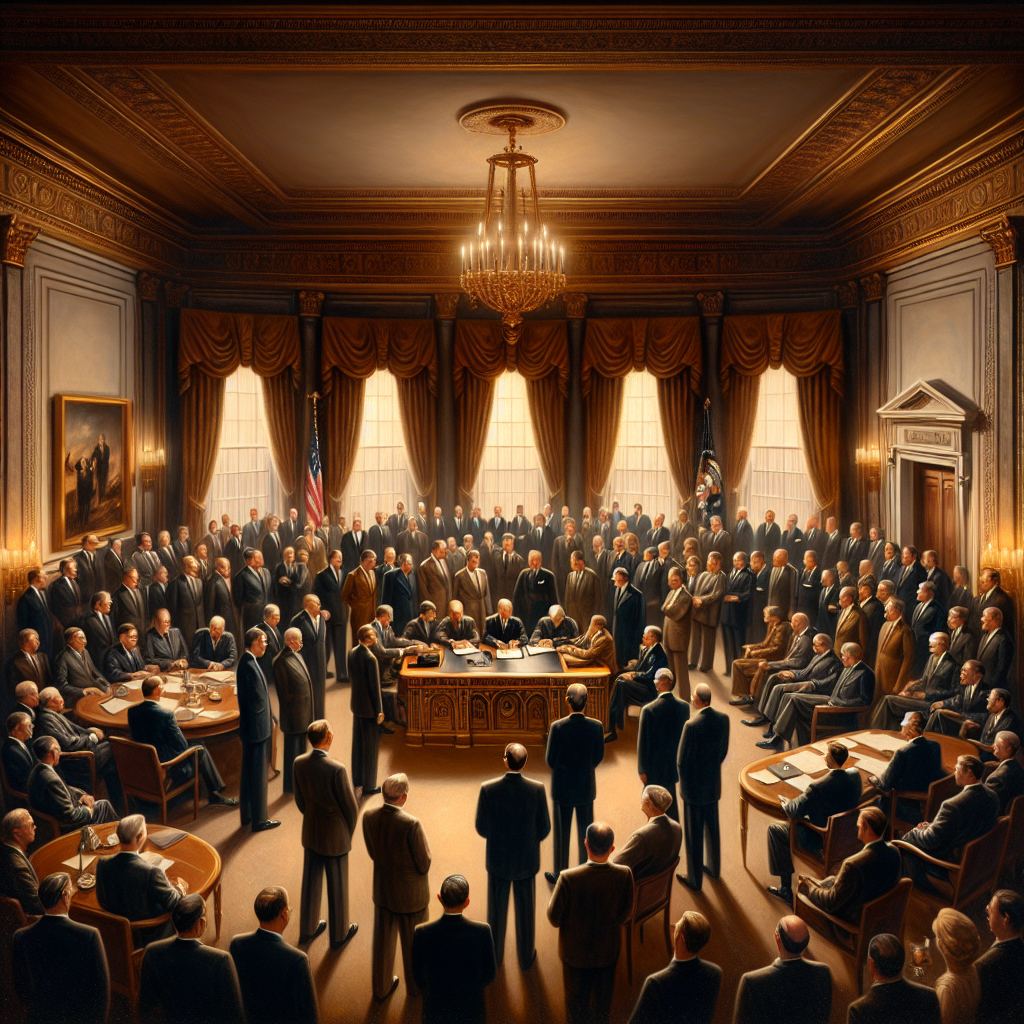
The legislative achievements of 1964 and 1965 — the Civil Rights Act and the Voting Rights Act — were transformative but incomplete. The movement fractured in the mid-1960s over questions of pace, strategy, and the relationship between racial justice and economic justice. The assassination of Martin Luther King Jr. in April 1968 removed its most visible leader. The urban rebellions of Watts, Detroit, and Newark revealed a dimension of Black American grievance that the movement's Southern focus had not addressed. The unfinished business of the movement — mass incarceration, the racial wealth gap, voting rights erosion — remains the central unresolved question of American democracy.
The movement produced more than legislation. It created the model of nonviolent direct action that subsequent movements — against the Vietnam War, for women's rights, for LGBTQ equality, for disability rights, for environmental justice — adapted and deployed. It demonstrated that organized, disciplined, morally grounded citizen action could change the law of the most powerful nation on earth. That demonstration has never been forgotten, and its lessons have never stopped being applied.


| Active period | 1954–1968 — peak legislative arc |
| Key legislation | Civil Rights Act (1964); Voting Rights Act (1965) |
| Key organizations | NAACP, SCLC, SNCC, CORE |
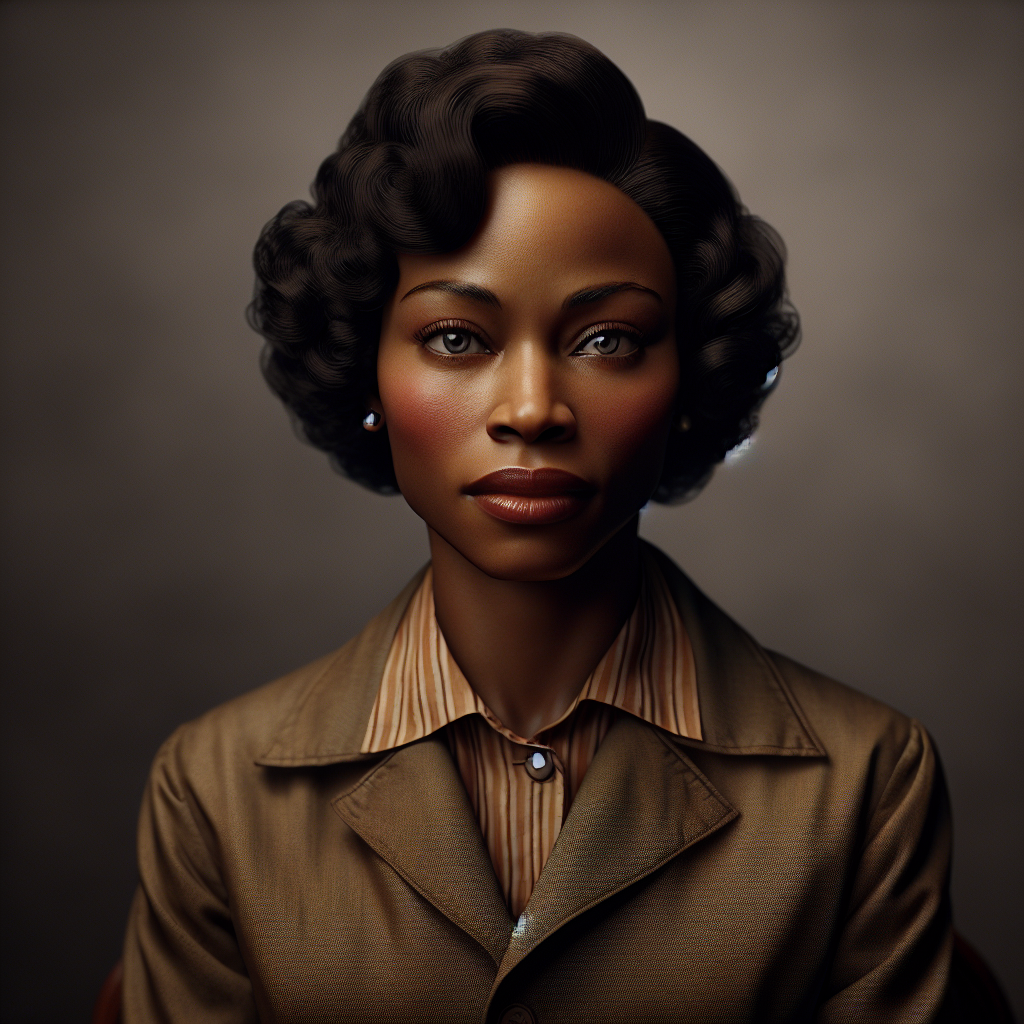
| Key figures | Martin Luther King Jr., Rosa Parks, John Lewis, Thurgood Marshall |
| Key tactics | Nonviolent direct action, legal challenges, economic boycotts |
| Key moments | Montgomery Bus Boycott (1955), Birmingham (1963), March on Washington (1963), Selma (1965) |
| Preceded by | NAACP founding (1909); anti-lynching campaigns; A. Philip Randolph labor organizing |
| Years | 1954–1968 |
| Location | United States |