The Harlem Renaissance
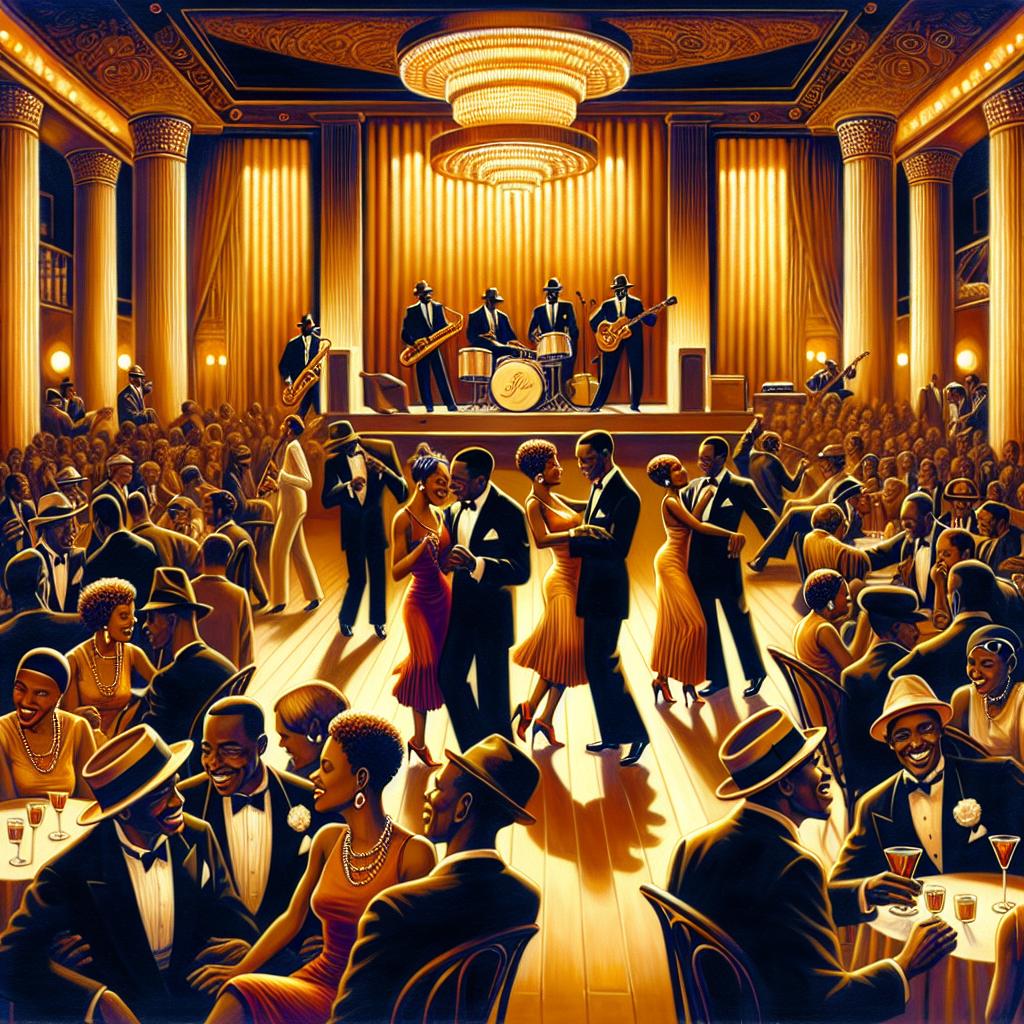
The Harlem Renaissance was not a plan. It was a consequence — of the Great Migration routing hundreds of thousands of Black Americans to New York's northernmost Manhattan neighborhood, of the post-World War I questioning of European civilization's claims to superiority, and of a critical mass of Black writers, artists, musicians, and intellectuals finding themselves in the same compressed geography at the same historical moment. Between roughly 1920 and 1940, Harlem produced Langston Hughes, Zora Neale Hurston, Claude McKay, Countee Cullen, Aaron Douglas, Duke Ellington, Bessie Smith, and Louis Armstrong — a concentration of creative genius per city block that has few parallels in the history of American culture.
The movement's animating idea, articulated most powerfully by philosopher Alain Locke in his 1925 anthology The New Negro, was that Black Americans could transform their position in American life through cultural achievement — that art, literature, and music could make the humanity that law and custom denied impossible to ignore. Whether that theory was right remains debated; the Harlem Renaissance produced extraordinary work without producing a corresponding transformation in political and legal status. What it unquestionably did was create the cultural vocabulary that later civil rights arguments would draw on, establish Black American artistic traditions as central to American culture rather than peripheral to it, and demonstrate to a generation of Black Americans that the full range of human expression was available to them regardless of what the law said.
The Renaissance faded during the Great Depression, when the philanthropists and white audiences who had sustained it lost their money and the Harlem neighborhood itself deteriorated under the pressures of poverty and redlining. Many of its key figures scattered: Hughes remained and continued writing; Hurston returned to Florida, fell into obscurity, and died in poverty in 1960 before Alice Walker's 1975 essay rescued her from near-total erasure. The music migrated from Harlem to jazz clubs across the country and eventually the world. What remained was a cultural inheritance that subsequent generations of Black American writers, artists, and musicians built on whether or not they knew the specific names — the proof, established once and lasting, that the tradition existed.
| Period | c. 1920–1940 |
| Location | Harlem, New York City |
| Key figures | Langston Hughes, Zora Neale Hurston, Duke Ellington, Louis Armstrong, Claude McKay |
| Defining text | The New Negro, ed. Alain Locke (1925) |
| Musical forms | Jazz, blues, gospel |
| Enabled by | Great Migration; concentration of Black talent in New York |
| Ended by | Great Depression economic collapse |
| Years | 1920–1940 |
| Location | Harlem, New York City |