The U.S. Constitution: Articles, Amendments, and Why They Matter
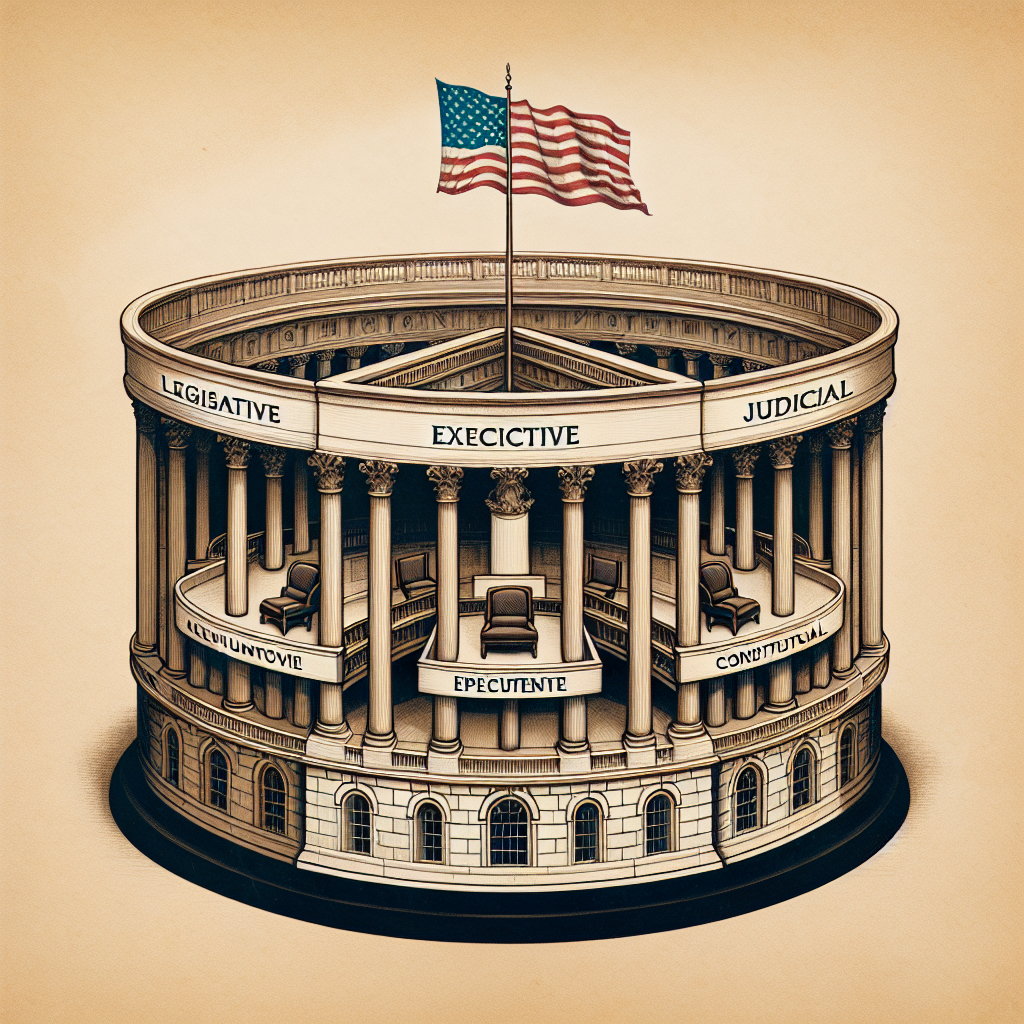
The U.S. Constitution is the oldest written national charter still in force, but it began as a salvage job. The government that won the Revolution — the one built on the Articles of Confederation — could not tax, could not pay its soldiers, and could not stop the states from quarreling. When an armed uprising in Massachusetts went unanswered for want of a national army, a group of delegates met in Philadelphia in the summer of 1787 to repair the system and quietly decided to replace it instead. What they produced was not a list of rights but a machine: three branches of government, set against one another so that no single faction could seize the whole.
This guide explains that machine and the arguments it set in motion. It begins with the failure that forced the convention, walks through the document's architecture — separation of powers, checks and balances, the contested mechanics of the Electoral College — and then follows the amendments, the constitutional means of changing the rules. The first ten arrived as a bargain to win ratification. The next batch rewrote the relationship between citizen and state after the Civil War. Later amendments taxed incomes, gave women the vote, and tried, then abandoned, the prohibition of alcohol. Each entry below links to a full account; together they explain not just what the Constitution says, but why it still decides American fights.
The Constitution exists because the first national government failed. The Articles of Confederation left Congress unable to tax, raise an army, or settle quarrels between the states, and when an uprising in western Massachusetts went unanswered, delegates met in Philadelphia to amend the system and decided to replace it.
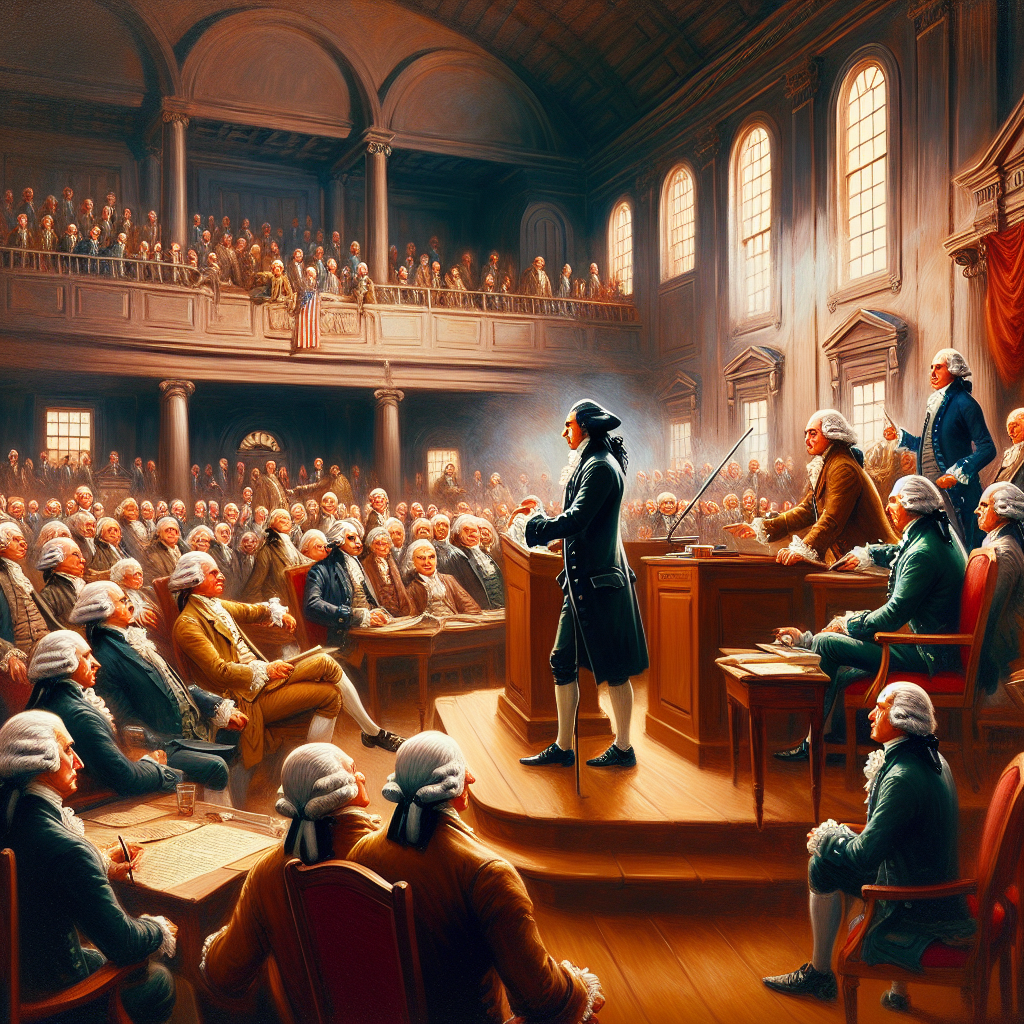
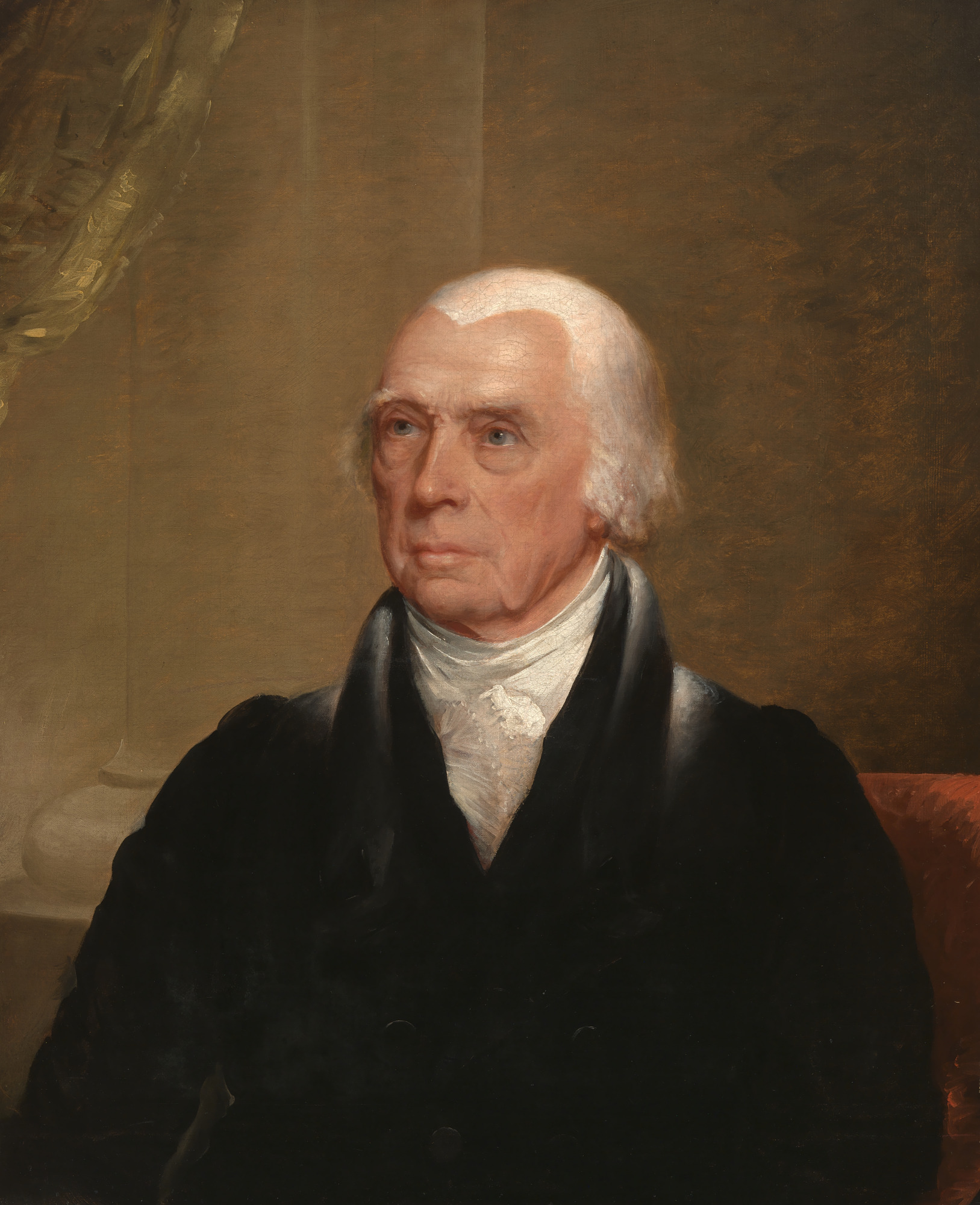
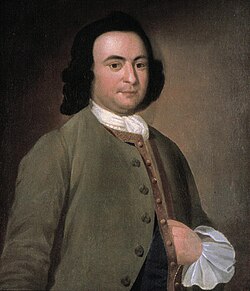
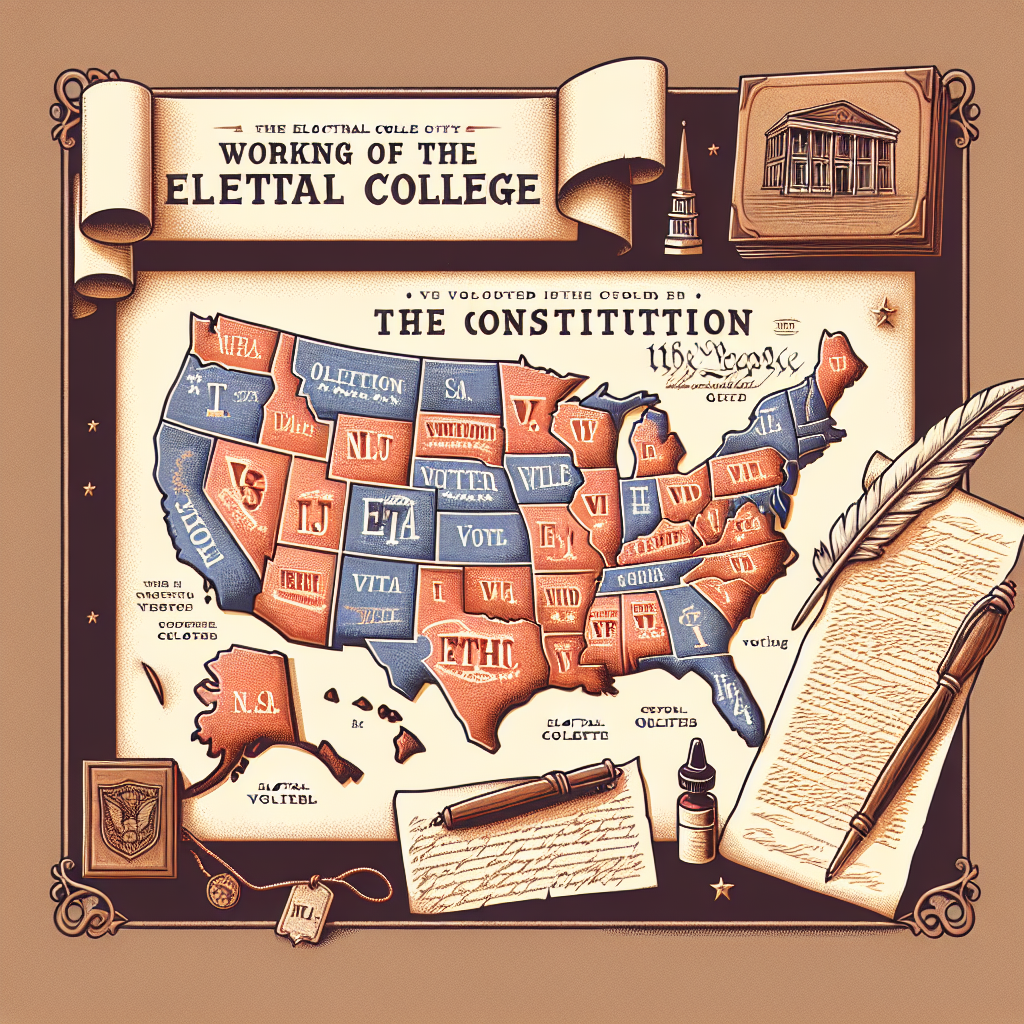
The Constitution is a short document built around a single design idea: power divided so that no faction can capture all of it. Its three branches check one another, its method for choosing presidents was a compromise among large and small states, and the essays written to defend it remain the best guide to what its authors intended.
The original Constitution said little about individual rights, and that silence nearly sank ratification. The first ten amendments were the price of winning over the skeptics, and their guarantees of speech, religion, and fair procedure have generated more court cases than any other part of the document.
The Constitution does not say who decides what it means. In 1803 the Supreme Court claimed that power for itself, and judicial review has shaped every constitutional argument since, from slavery and segregation to the limits of presidential power.
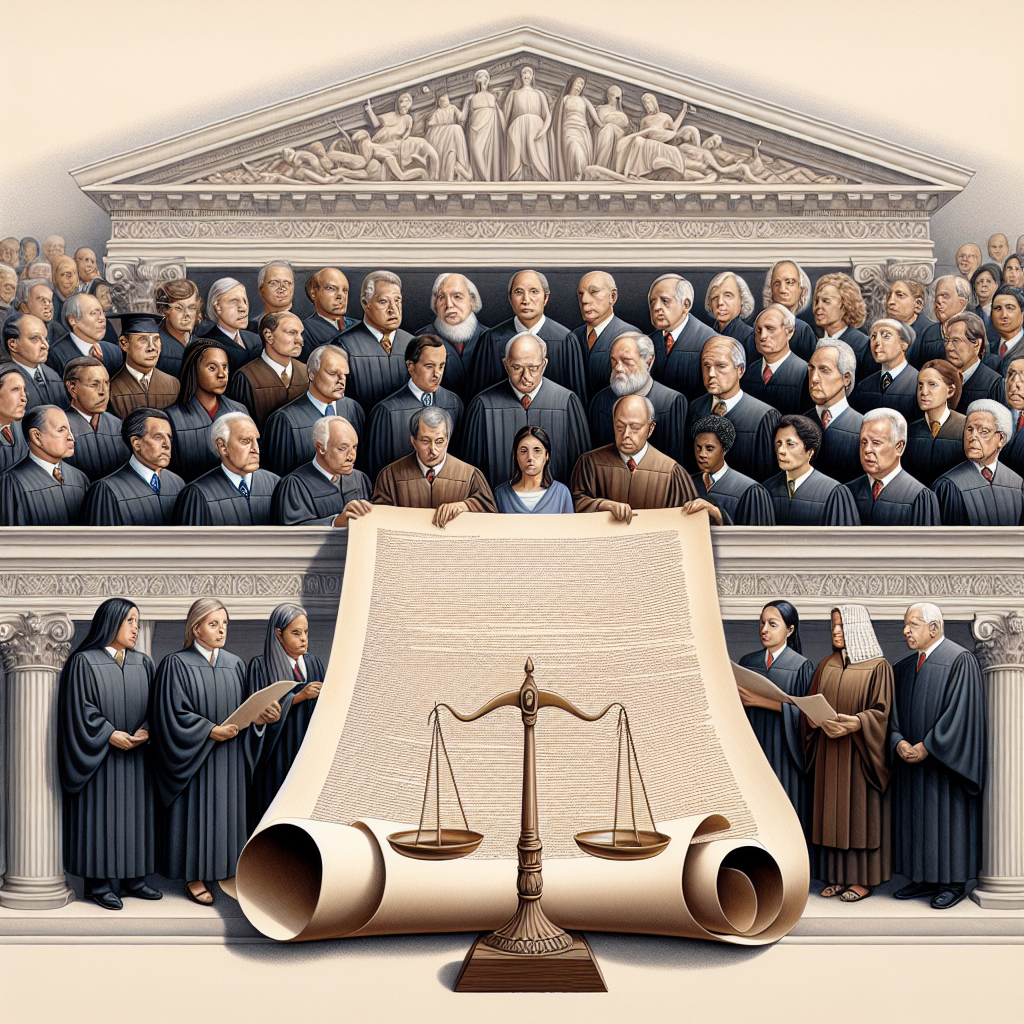
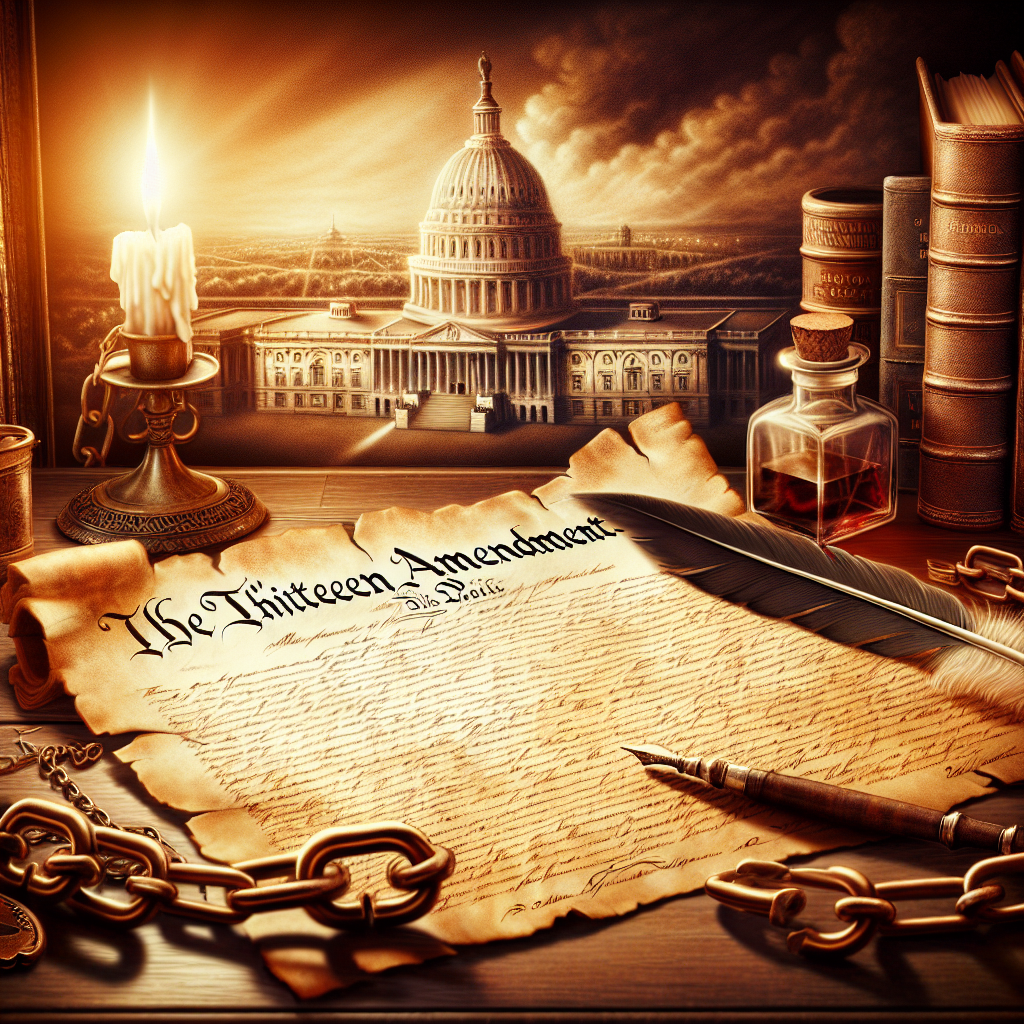
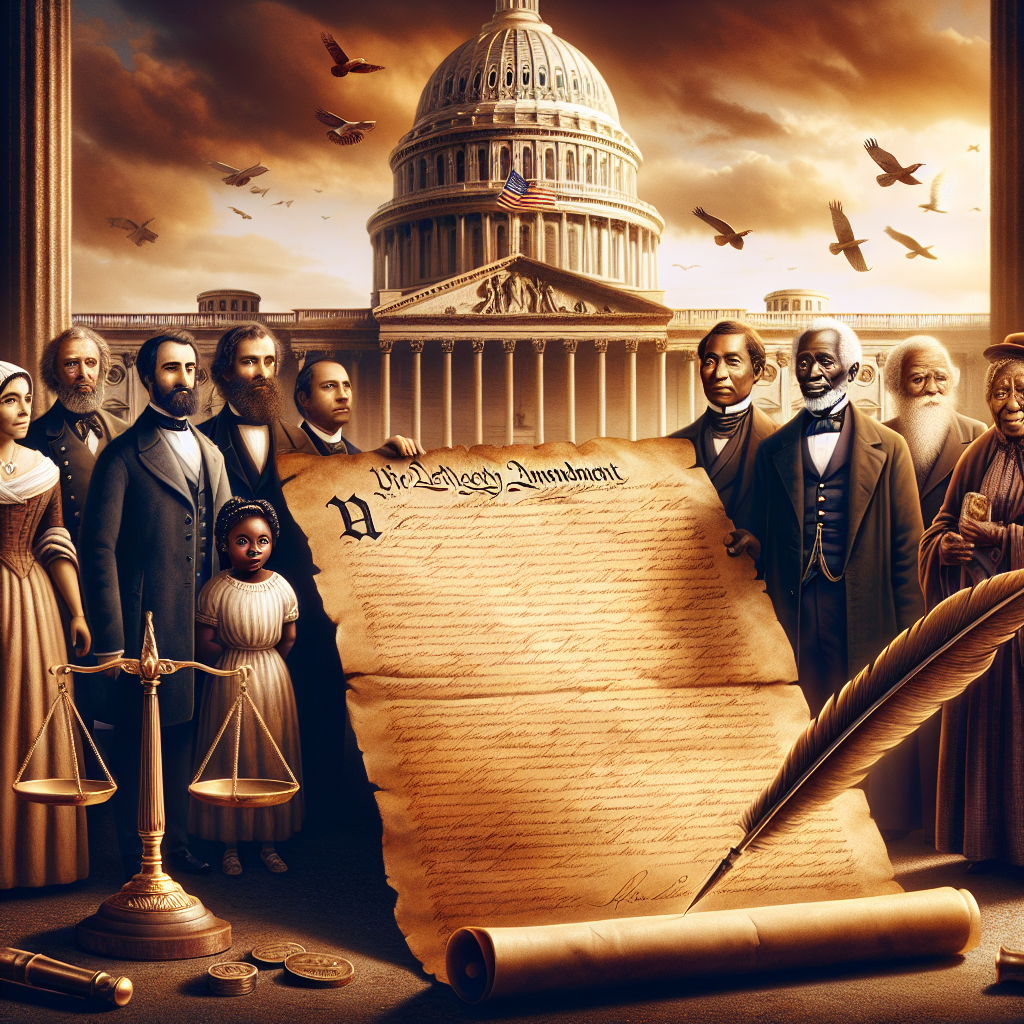
Three amendments ratified after the Civil War rewrote the relationship between Americans and their government. They abolished slavery, defined national citizenship, guaranteed equal protection and due process against the states, and barred racial discrimination at the ballot box, though enforcement took another century.
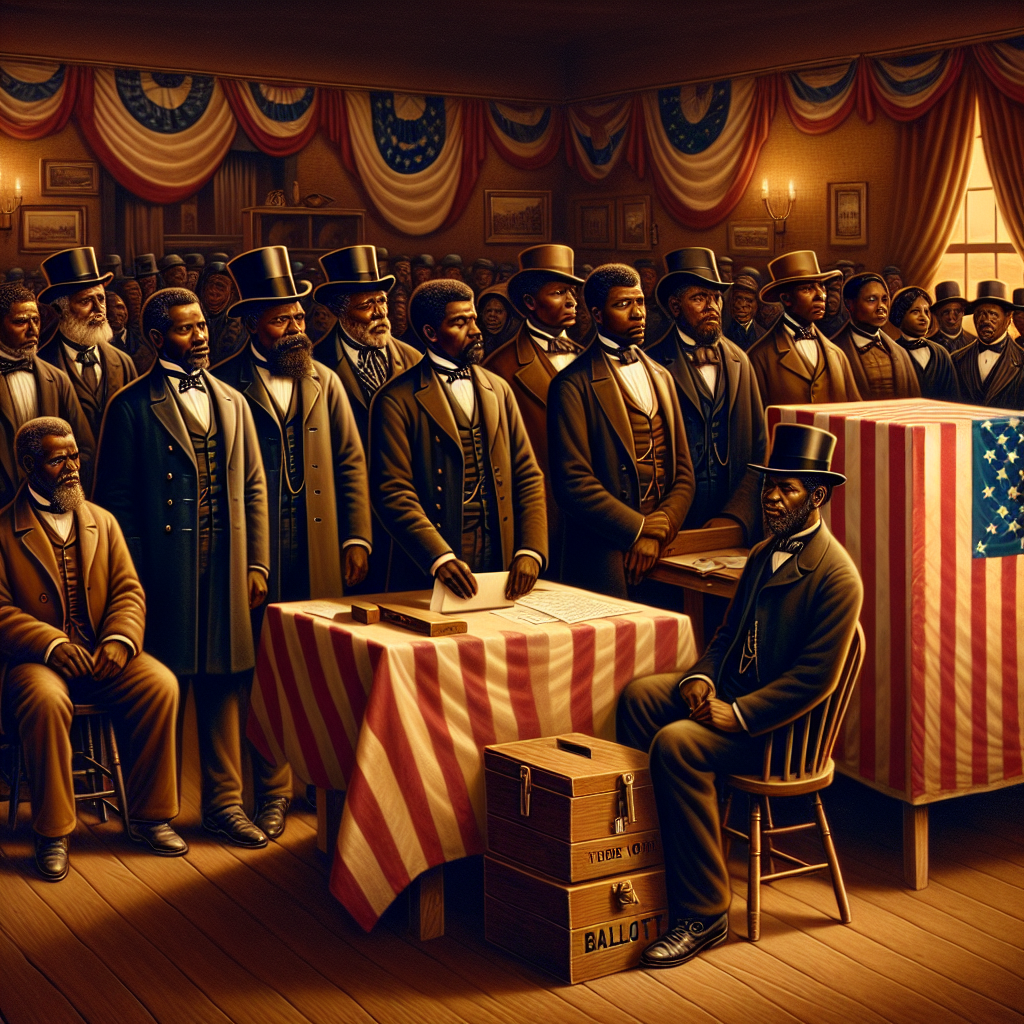
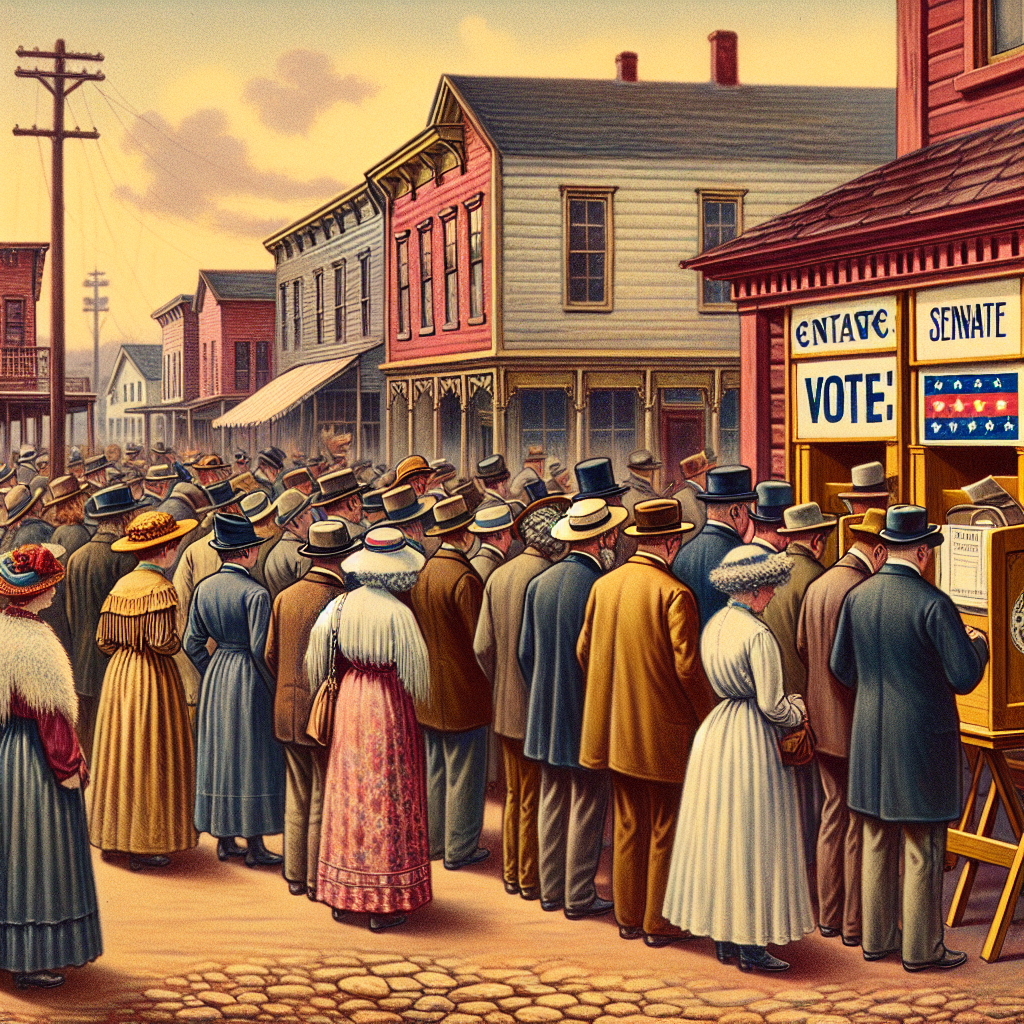
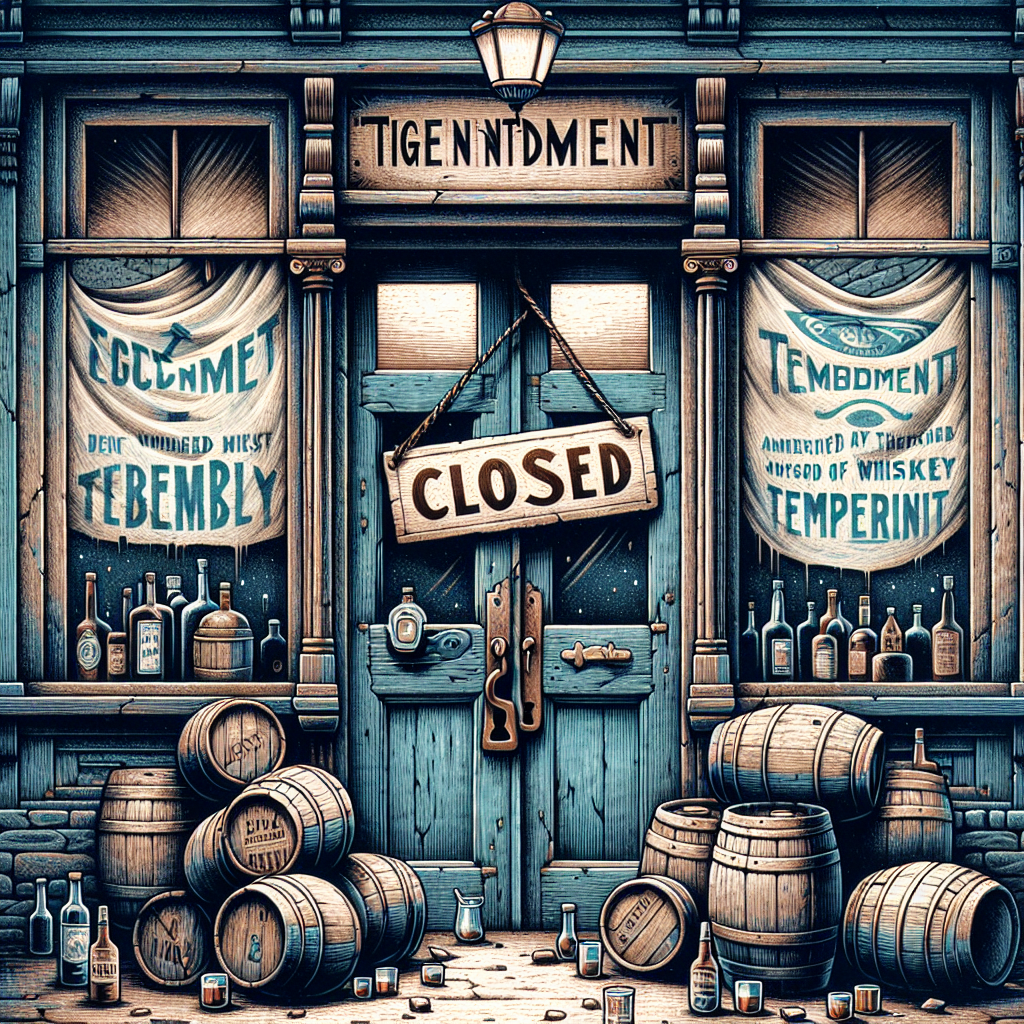
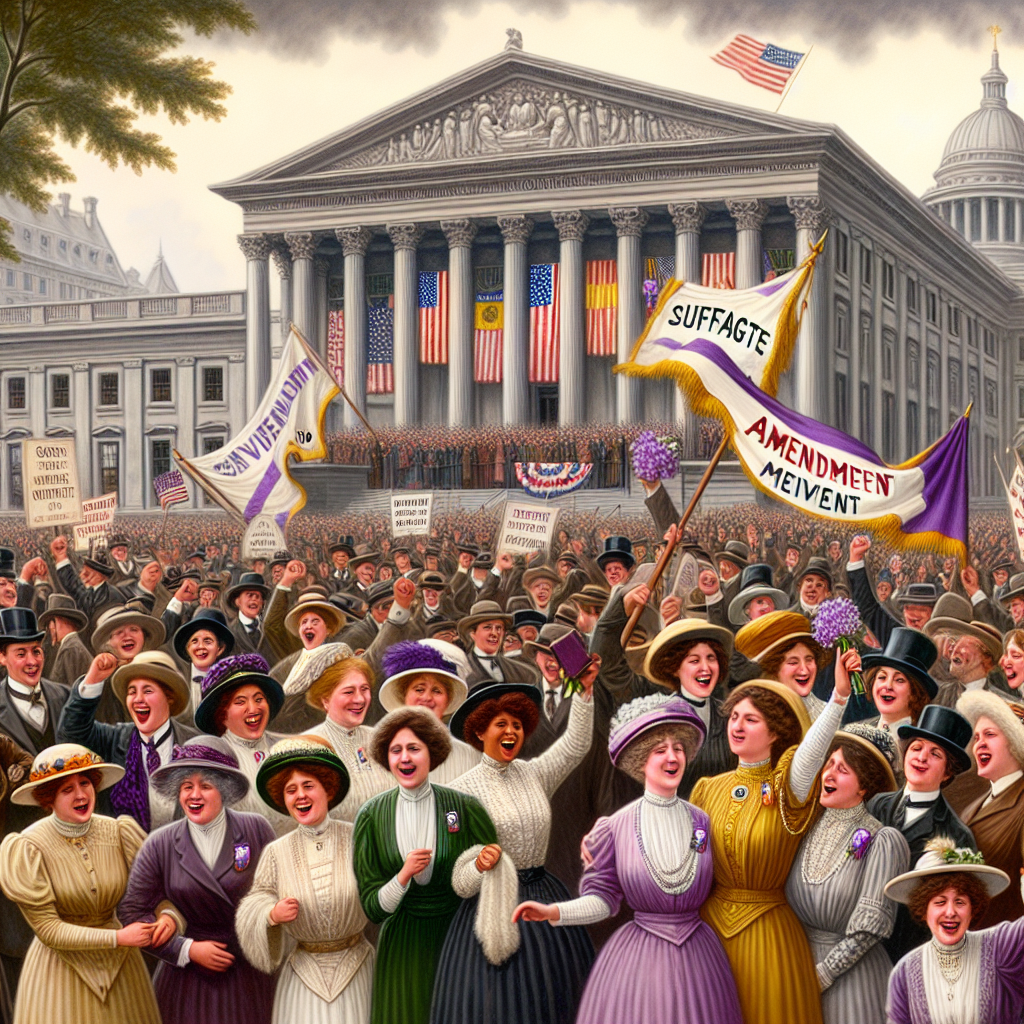
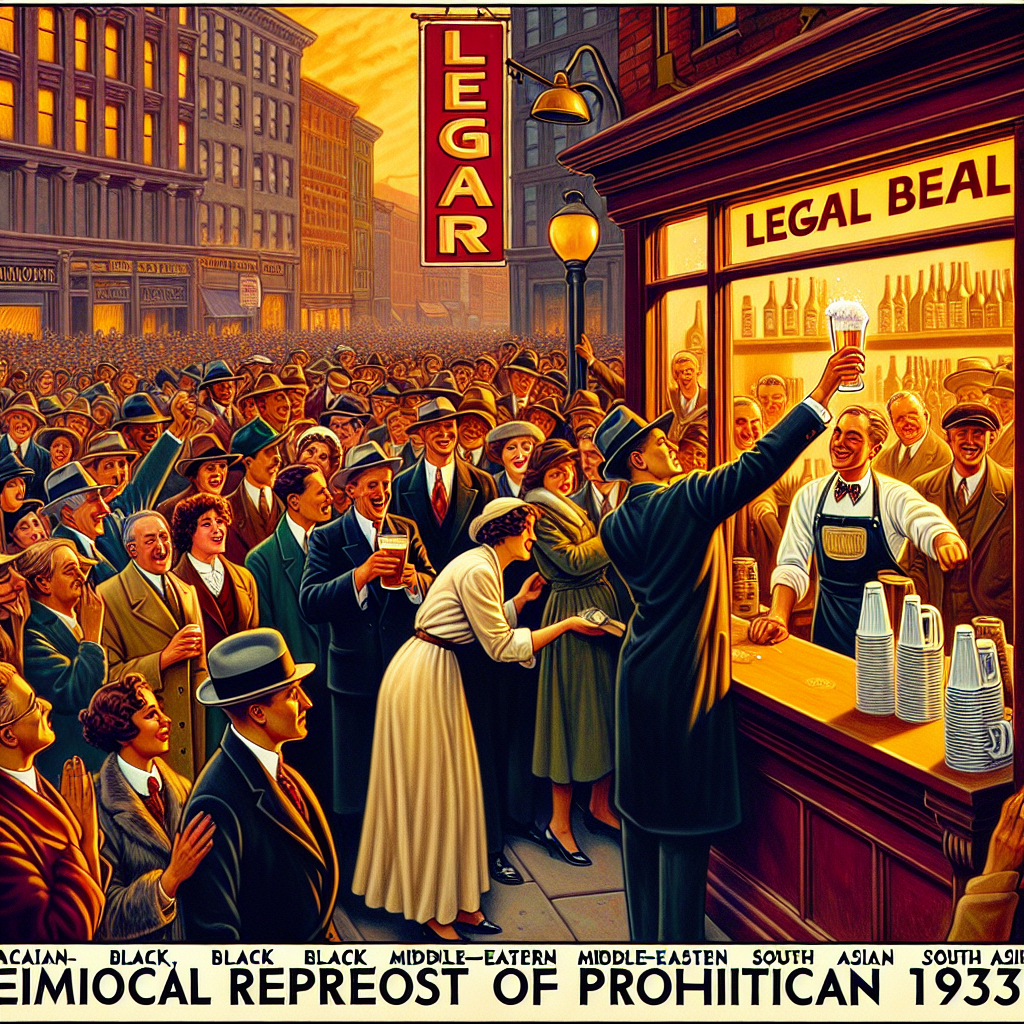
The amendment process has been used only twenty-seven times, and the five amendments here show its range. Between 1913 and 1933 the country created an income tax, moved Senate elections to the voters, gave women the vote, banned alcohol, and then repealed the ban.
The Constitution's arguments did not end in 1787. To see how its promises of equality were fought over and expanded, read the guide to the Civil Rights Movement, or trace the document's origins in the American Revolution timeline.