The American Revolution: A Complete Timeline
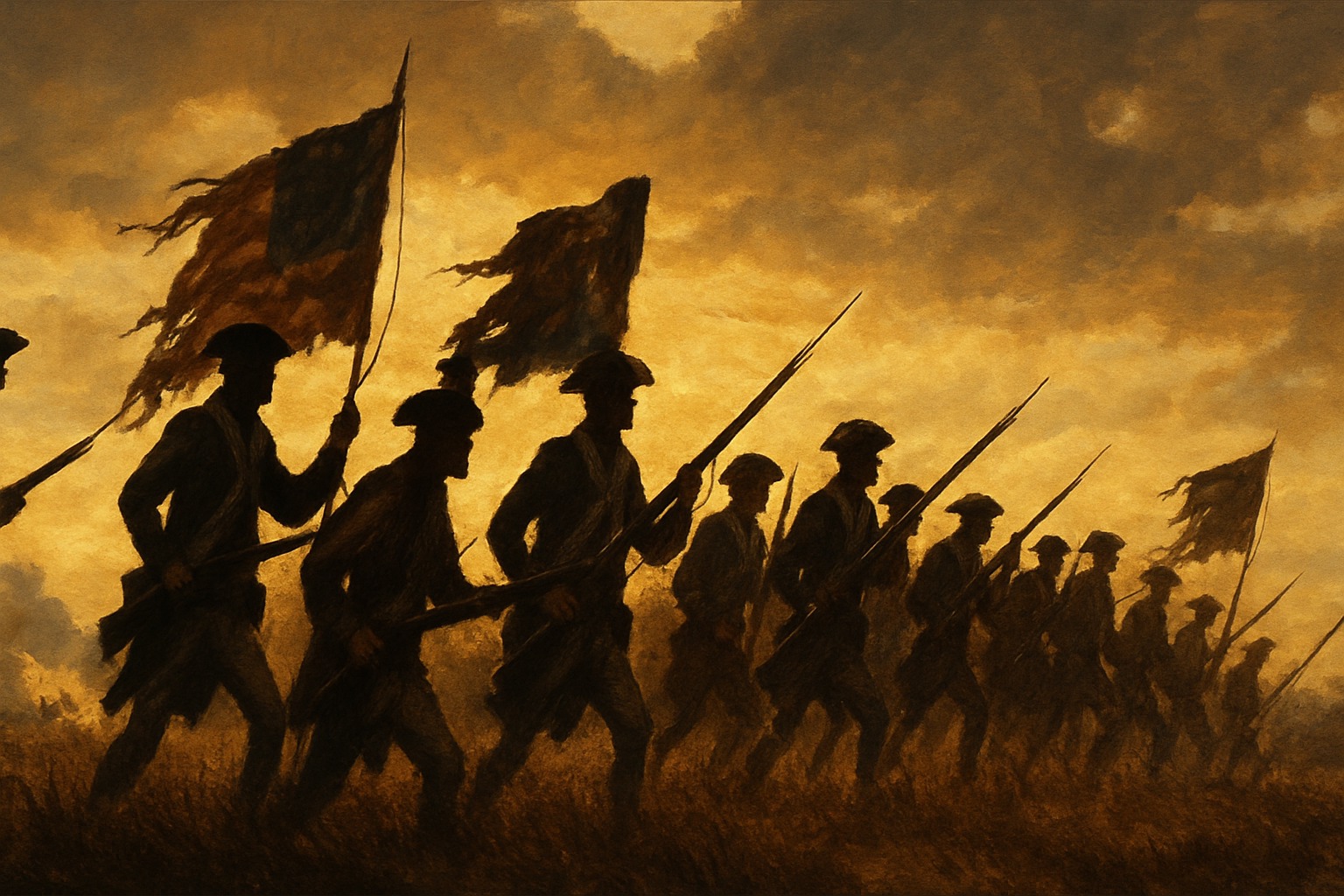
The American Revolution did not begin with a battle. It began with an argument about who had the right to tax a printed page. Between the Stamp Act of 1765 and the Treaty of Paris in 1783, a dispute over Parliament's authority hardened, step by step, into a war for a new kind of nation — one that claimed to draw its powers from the governed rather than the Crown.
This timeline follows that escalation in order. Each entry links to a full account on BriefHistory; read straight through and the logic of the break with Britain comes into focus — taxes provoke protest, protest provokes coercion, coercion provokes war, and war forces the colonies to define what, exactly, they were fighting to become.
The Revolution did not begin with a shot; it began with a tax. For a decade the quarrel was constitutional, not military — a slow-building argument over whether Parliament could tax colonists who had no one to speak for them in it. Each new levy and each colonial protest hardened the other, and by 1774 the thirteen colonies were, for the first time, beginning to act as one. These are the events that made a war thinkable.
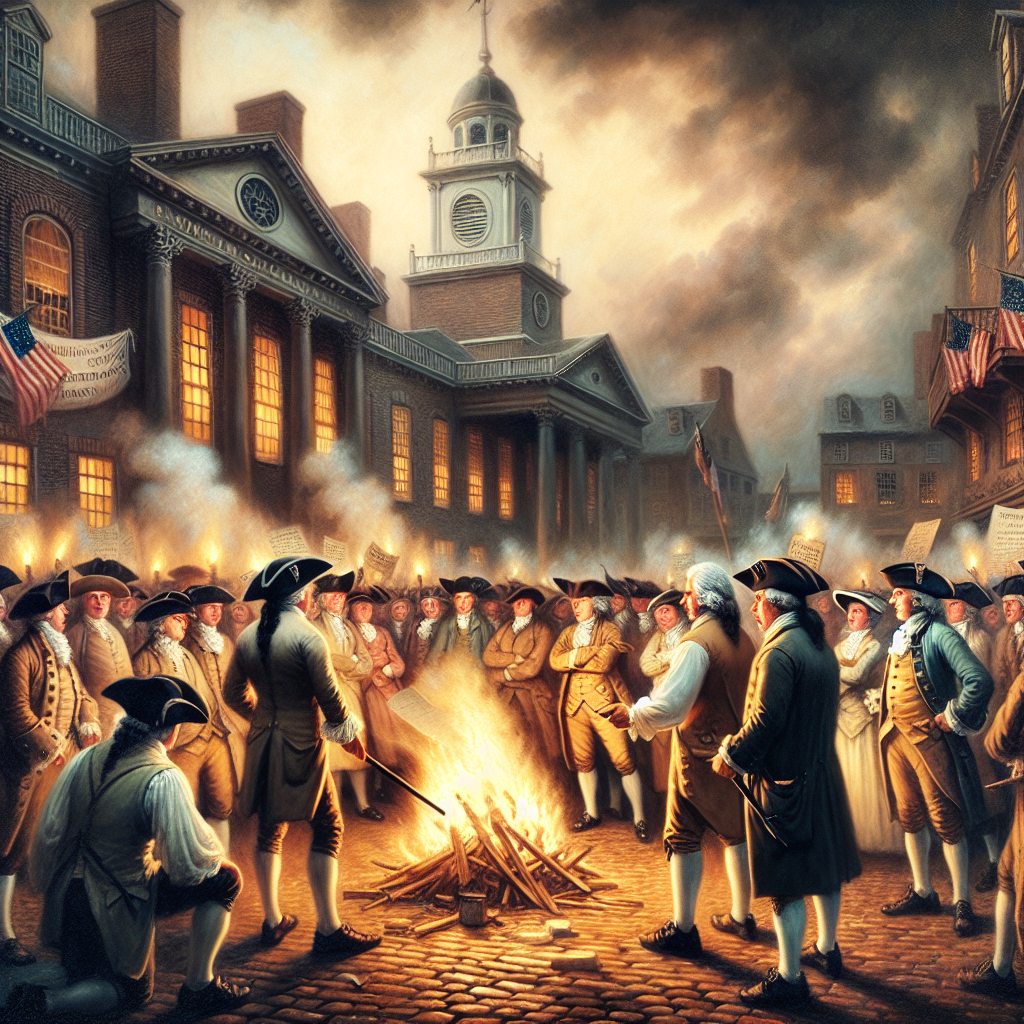
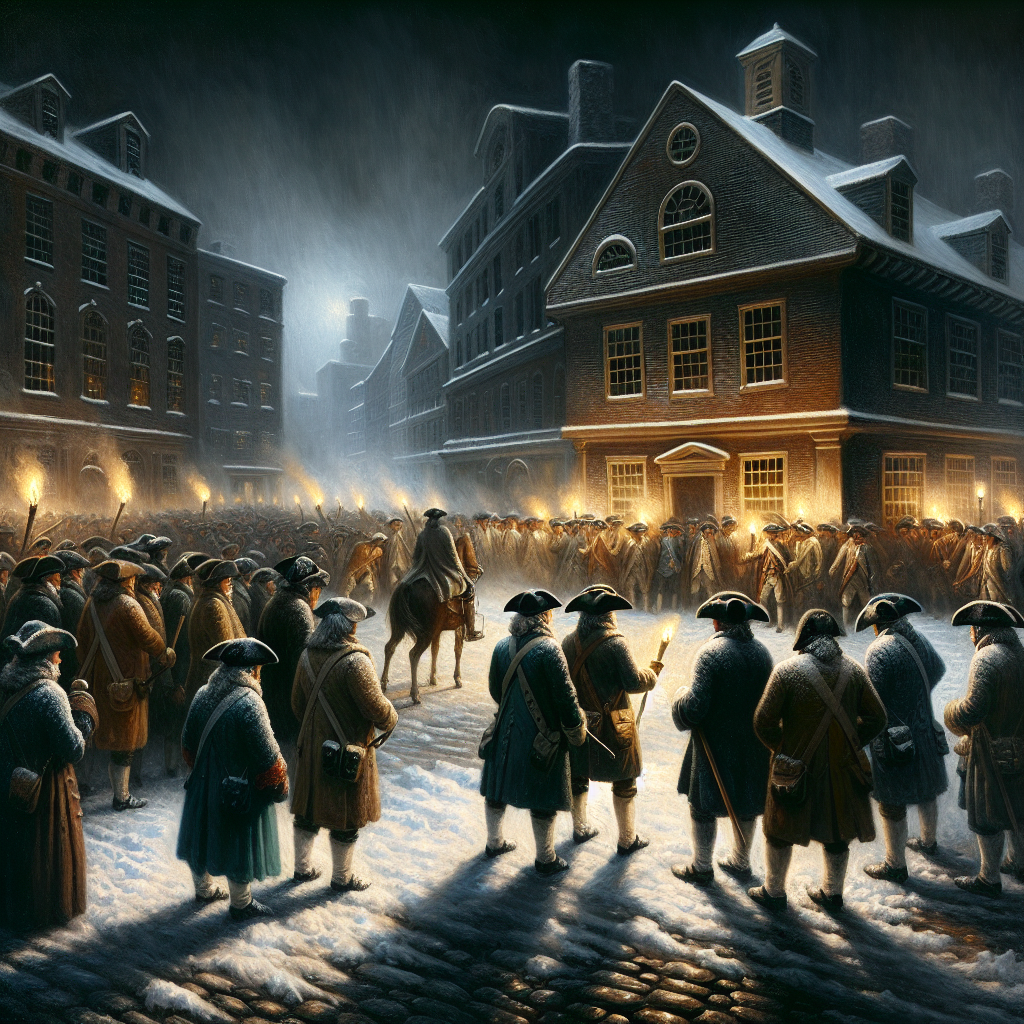

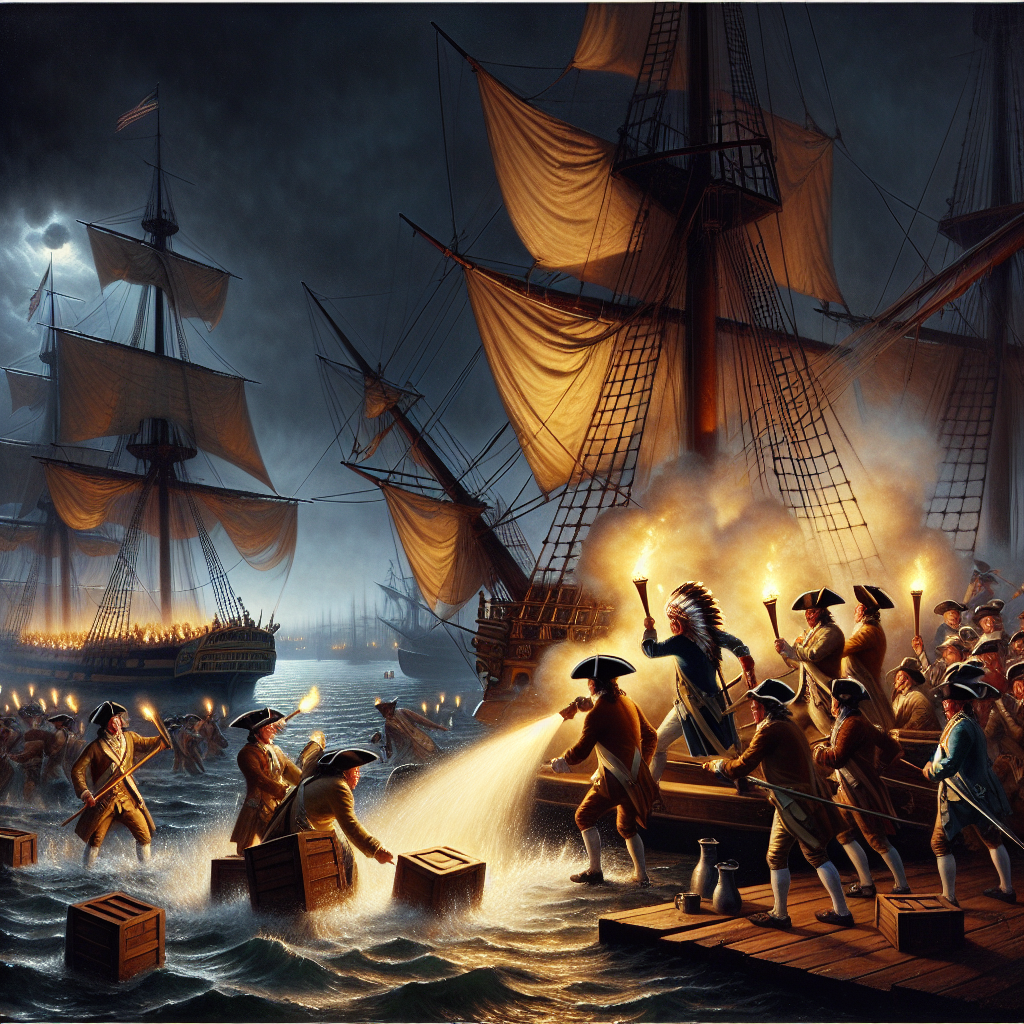
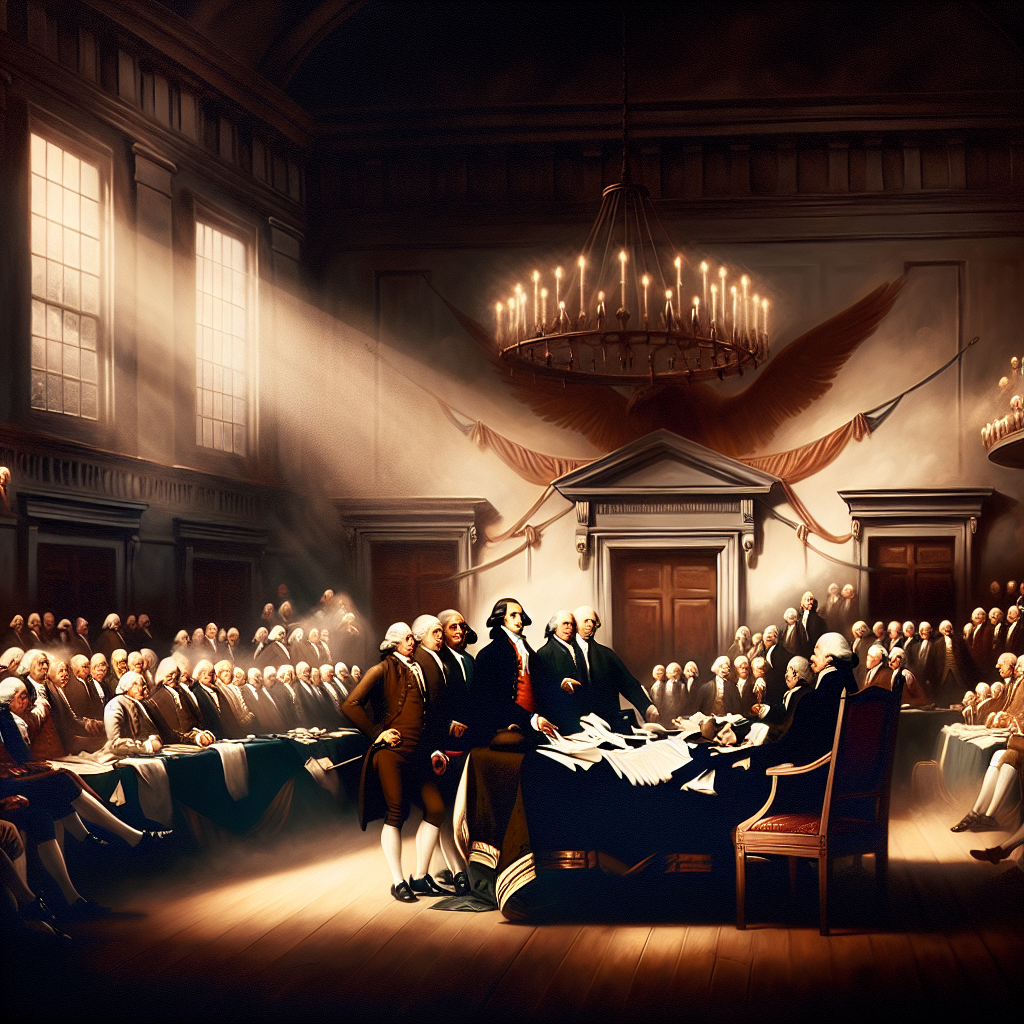
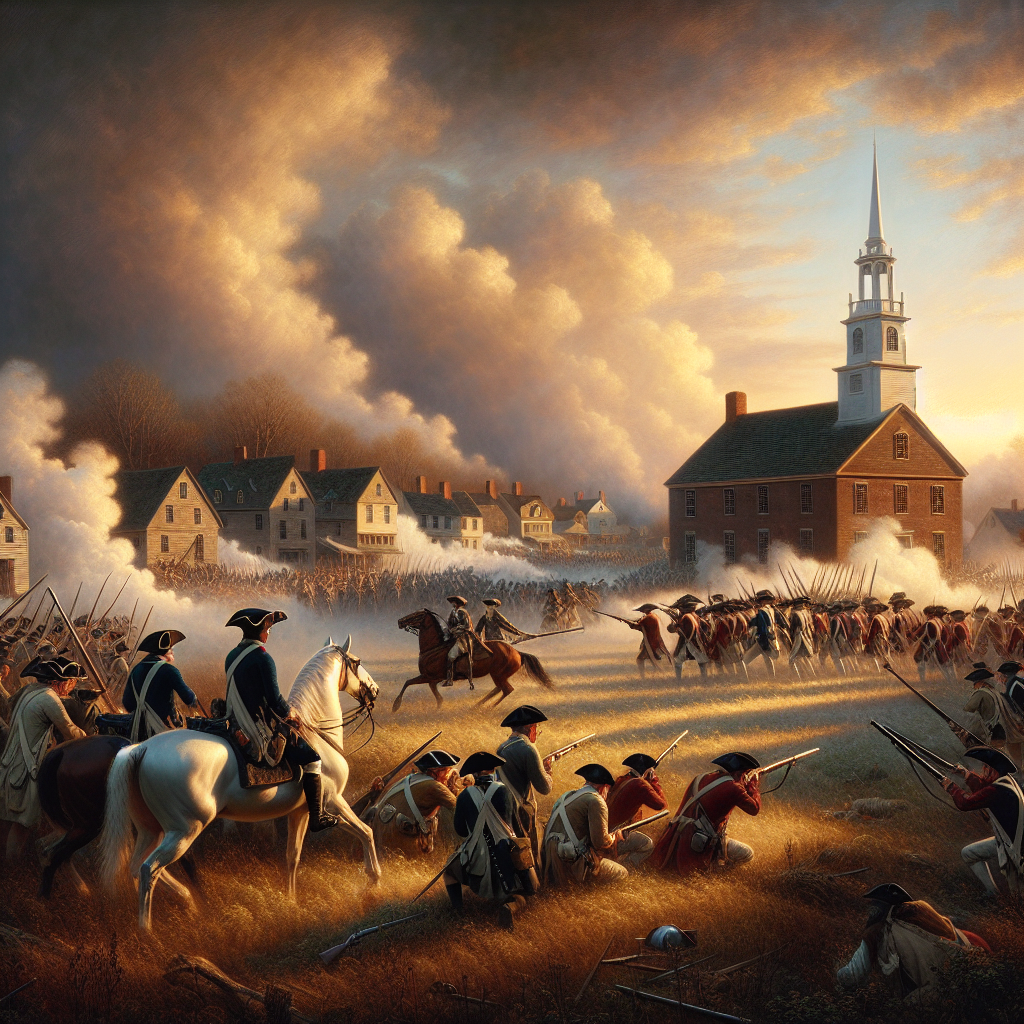
Once the fighting started at Lexington and Concord, the question shifted from whether the colonies should separate to whether they could survive doing it. This was the long, uncertain middle — defeats and near-collapse as often as victory, a formal Declaration midway through, and the foreign alliance that finally tipped the odds. The entries here trace the war from its first shots to the siege that effectively ended it.





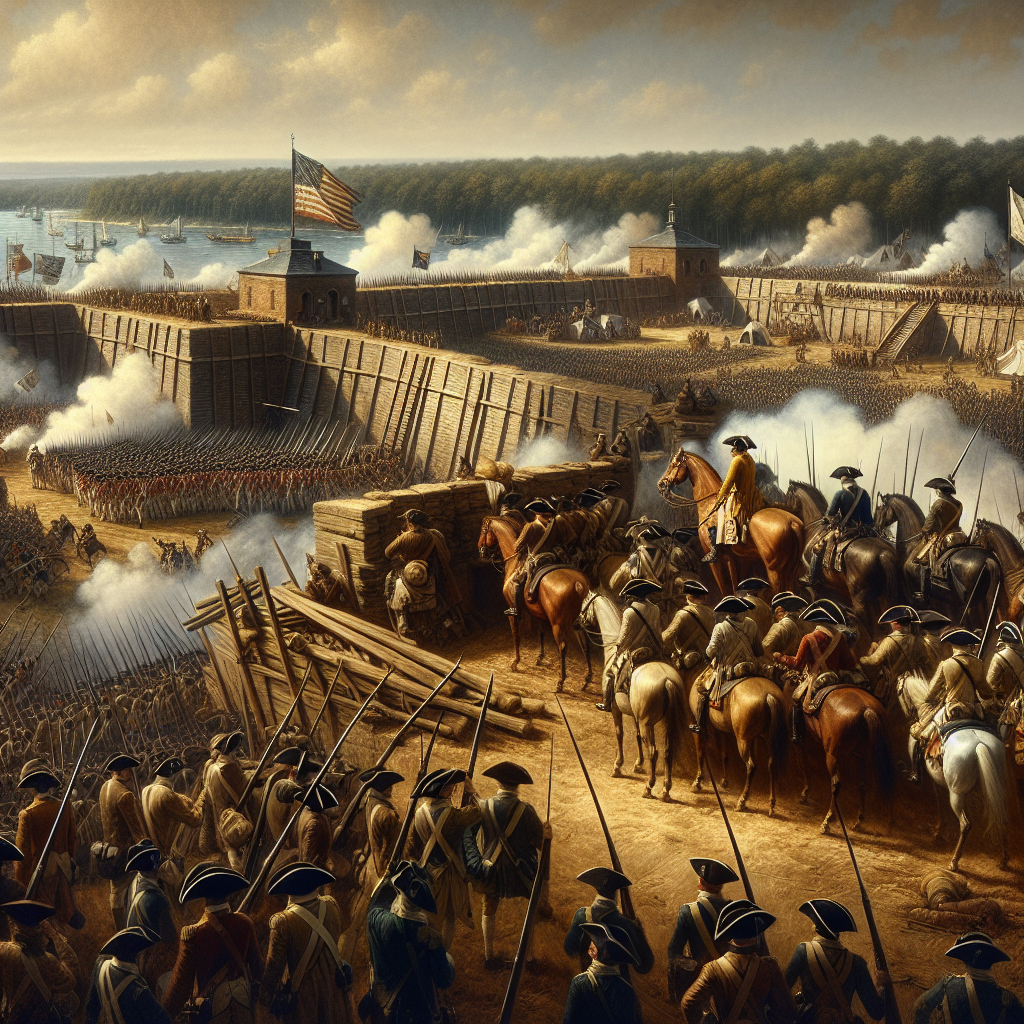
Yorktown ended the fighting, but a war is not over until the loser admits it. The final step was diplomatic: the treaty in which Britain formally recognized the United States and signed away a continent's worth of territory, converting a battlefield outcome into a recognized nation.

The Treaty of Paris ended the war but left the harder question open: could thirteen quarreling states actually govern themselves? For what came next, follow the timeline into the founding documents and the Constitutional Convention of 1787.