A Brief History of American Literature
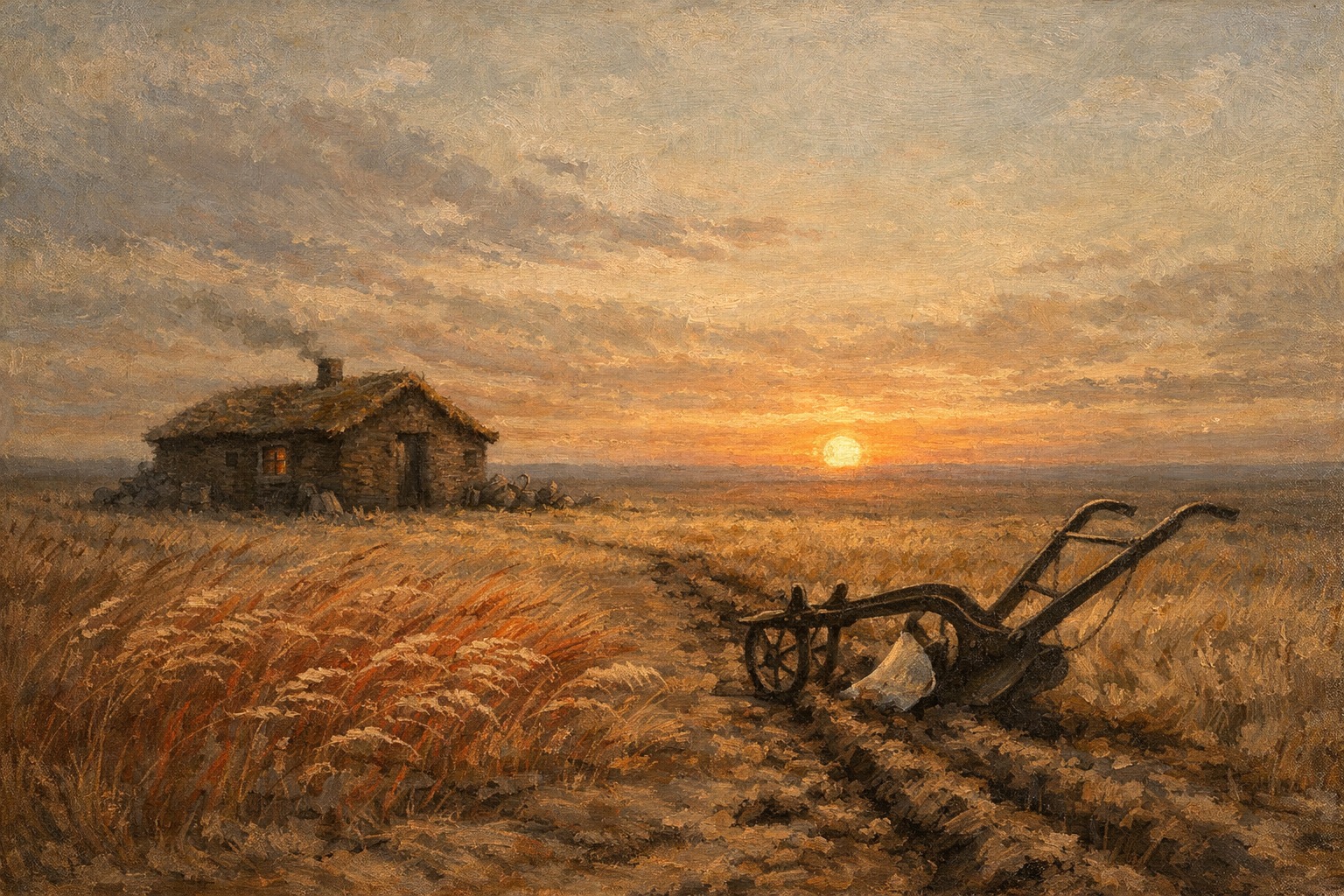
For its first half century the United States read British books. Its own writers were asked, sometimes by themselves, whether a country so new and so busy could produce a literature at all. The answer arrived in stages — first in imitation of English models, then in a burst of originality in the 1850s, then in a realism that took in the frontier, the factory, and the color line.
This guide follows that literature from Phillis Wheatley's poems of 1773 through the American Renaissance, the writing against slavery, the Gilded Age realists, the modernists of the 1920s, and the writers who after the Second World War made the Black American experience central to the canon. Each card links to a full account of the writer or movement.
The first American writers worked under the shadow of London. An enslaved girl in Boston had to be examined by the colony's leading men before her poems could be printed, and the first American author to live by his pen did it by publishing in England. Both proved that the new country could produce writing the old one would read.
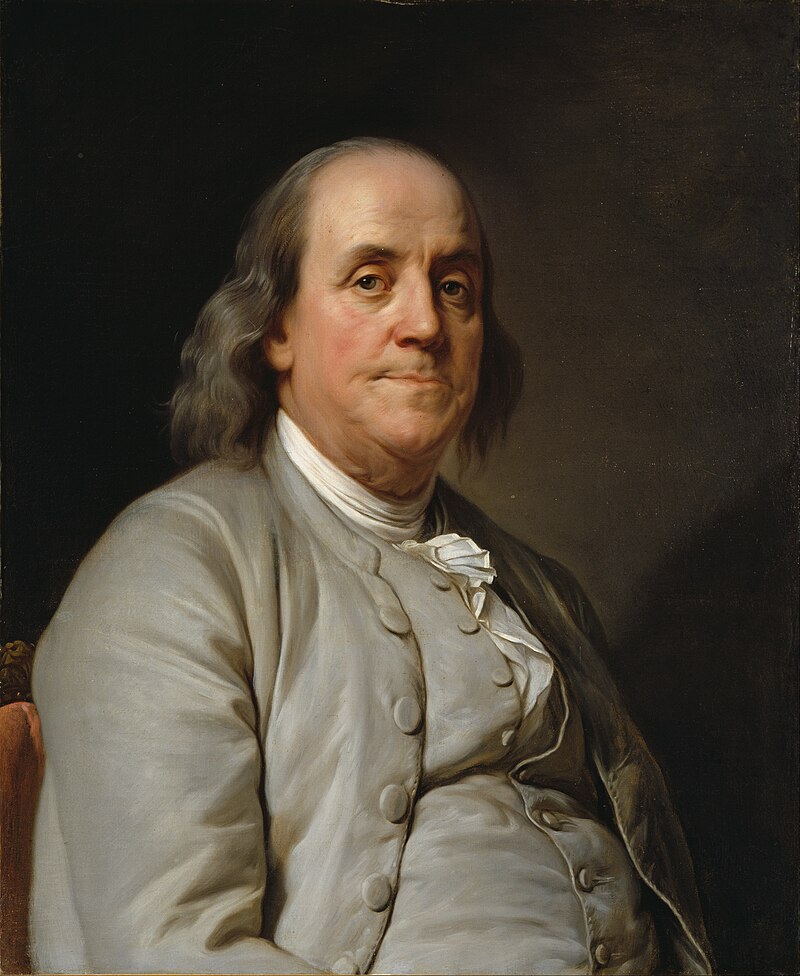
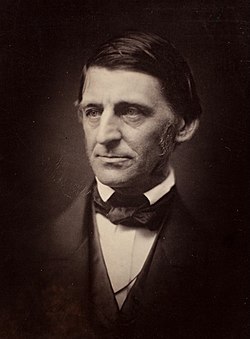
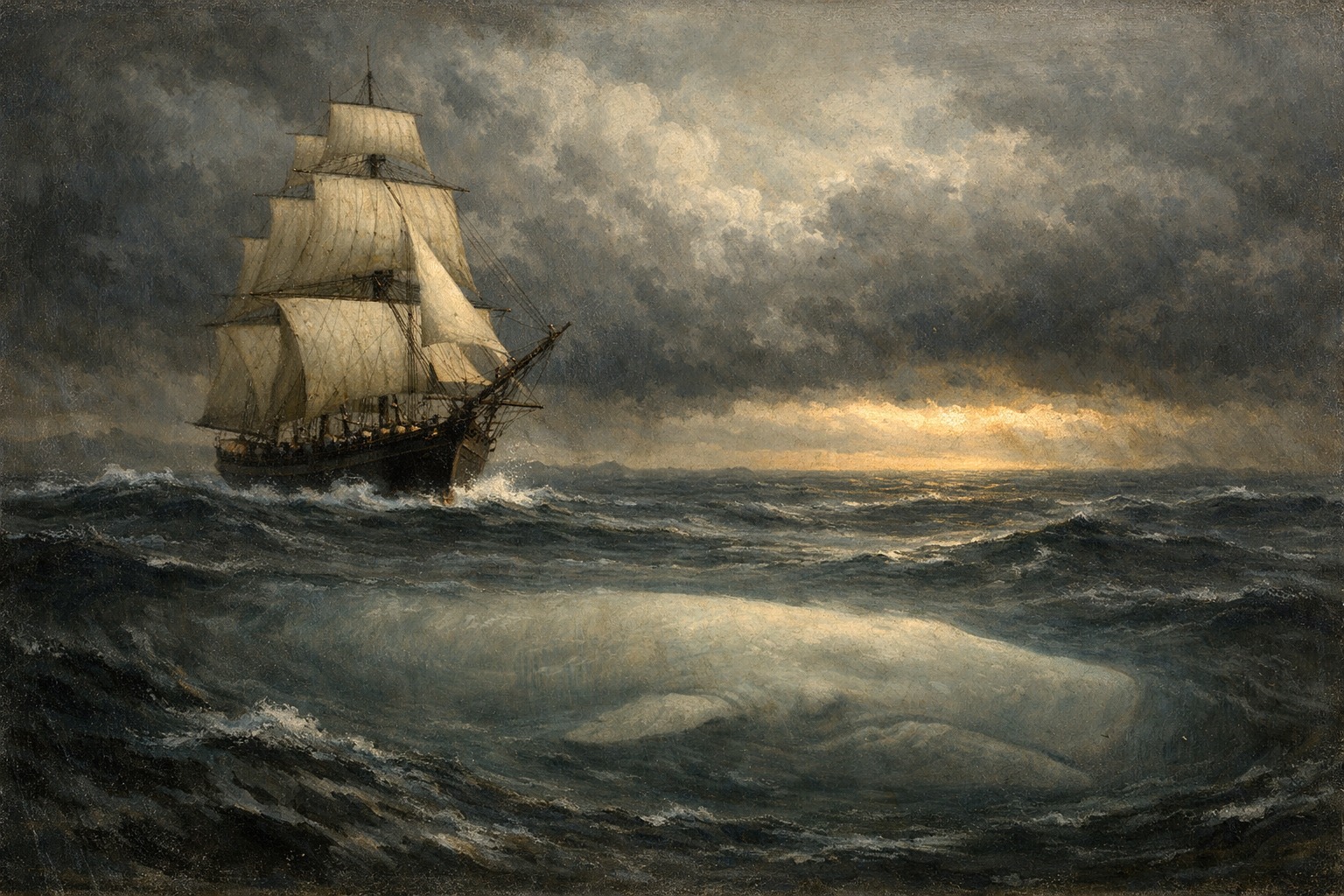
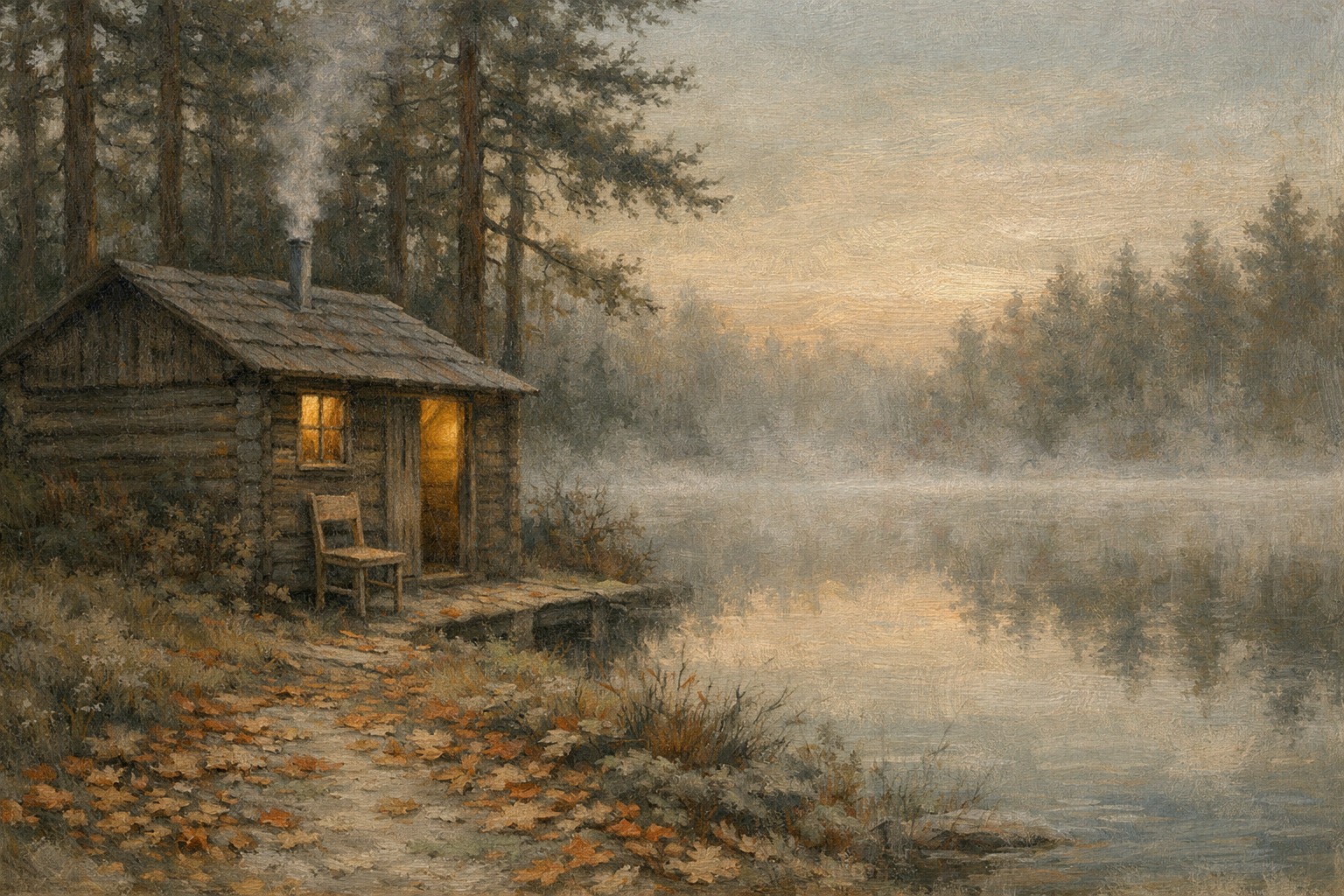
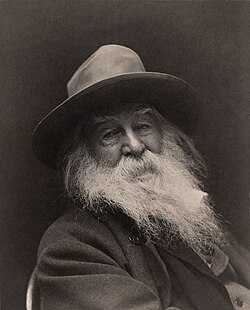
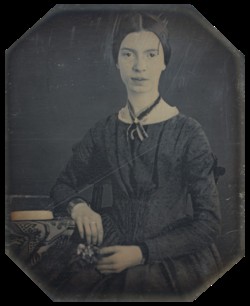
In a few years around 1850 a handful of New Englanders and one restless Southerner produced books still at the center of the canon — essays on self-reliance, a cabin at Walden Pond, The Scarlet Letter, Moby-Dick, Leaves of Grass, and the poems Emily Dickinson kept in a drawer. Few were popular at the time. Their subject was the individual conscience in a country still deciding what it was.
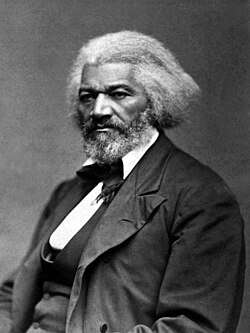
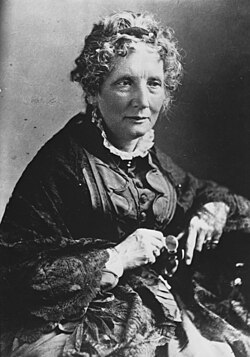
No books did more political work than these. A fugitive's autobiography proved the humanity slavery denied, and a novel by a minister's daughter sold hundreds of thousands of copies and turned Northern opinion against the Fugitive Slave Act. Literature became an argument, and the argument led to war.
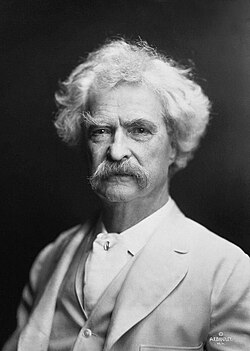
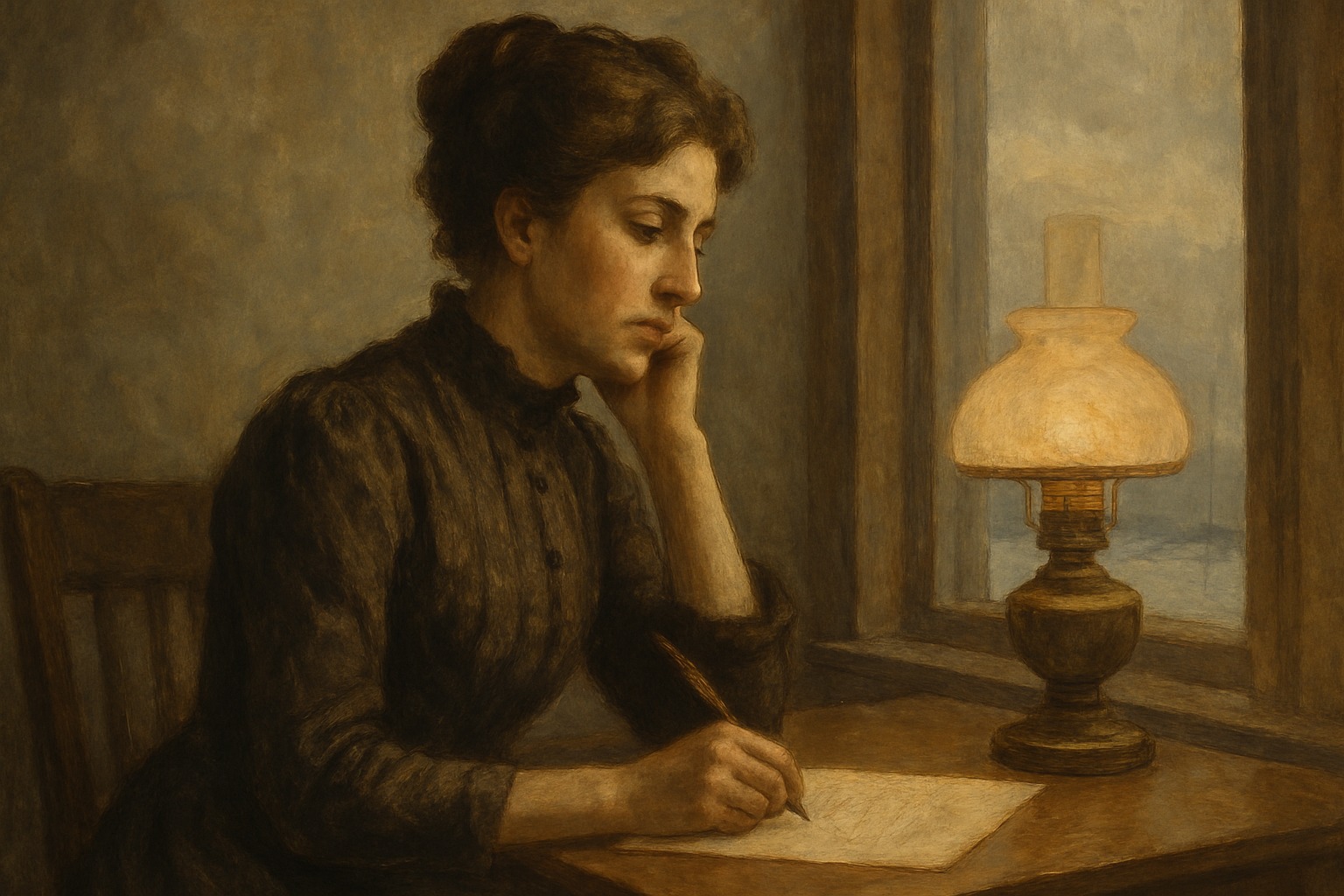
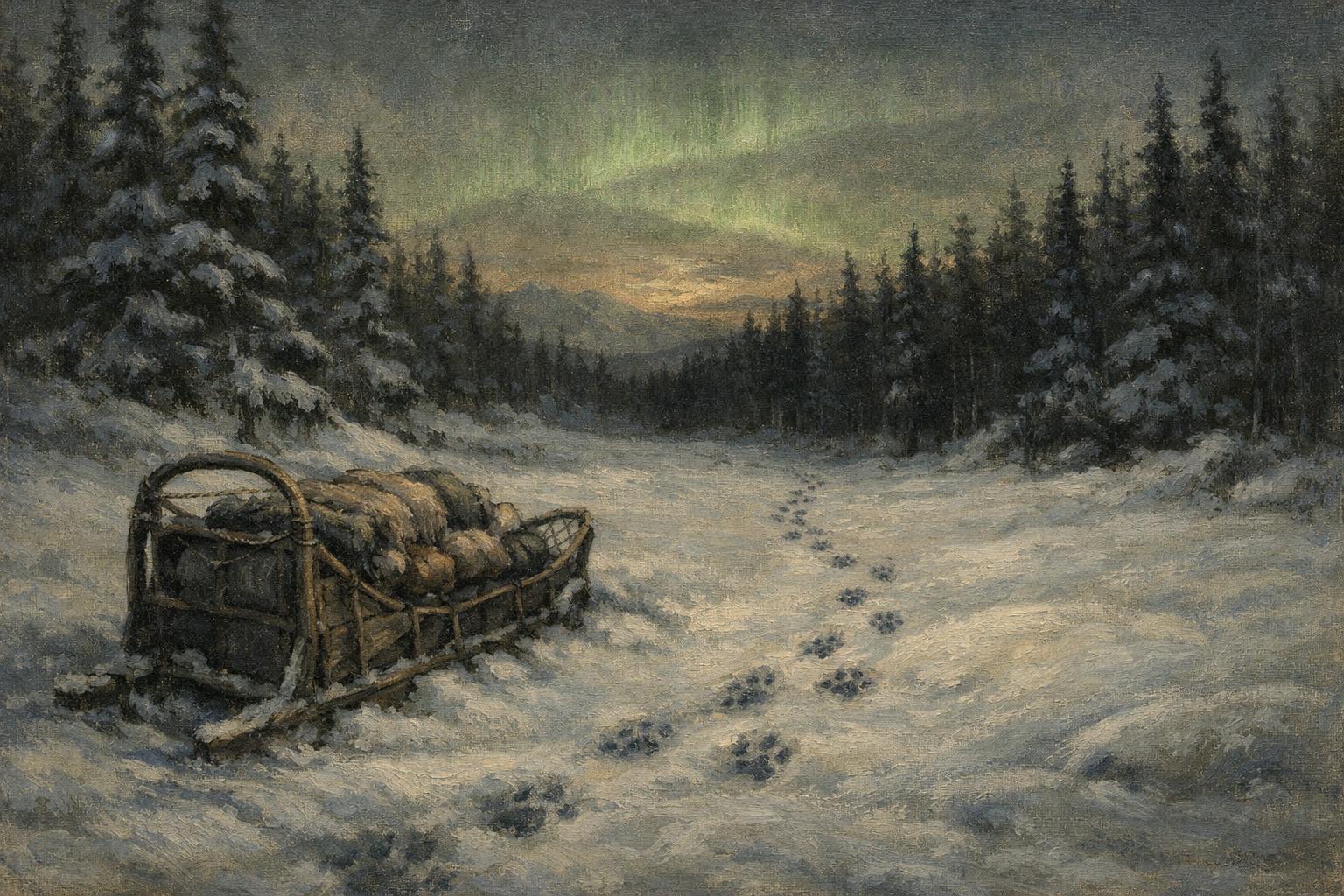
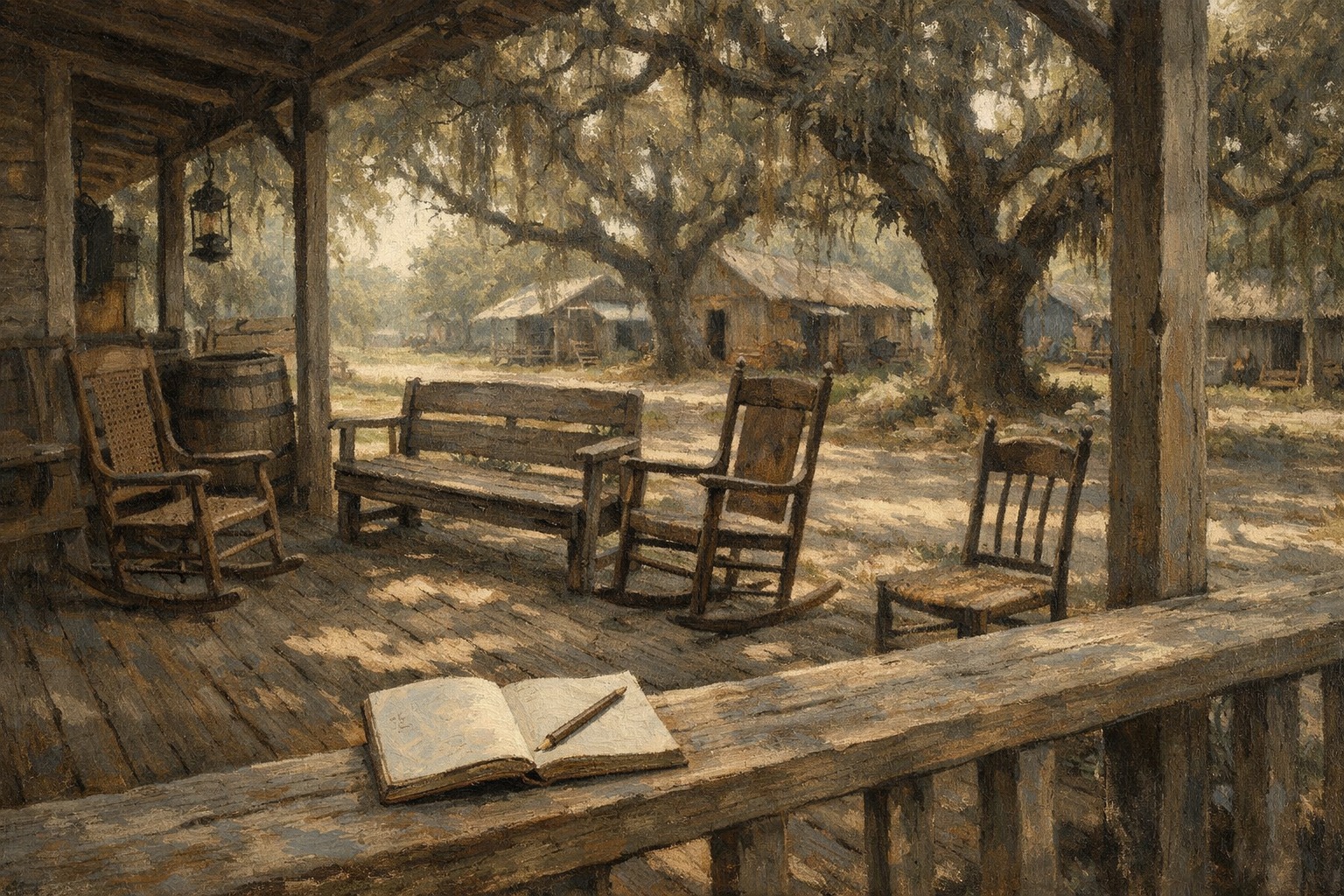
After the war American writing turned to the world as it was — the Mississippi River and its talk, a family of sisters in a poor New England house, the Klondike, the stockyards, the immigrant prairie. The new realists wrote about money, work, and the frontier, and some of them wrote to change the laws.
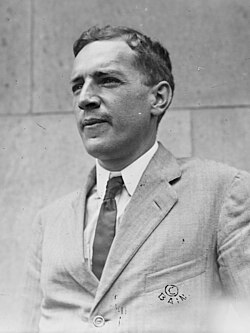
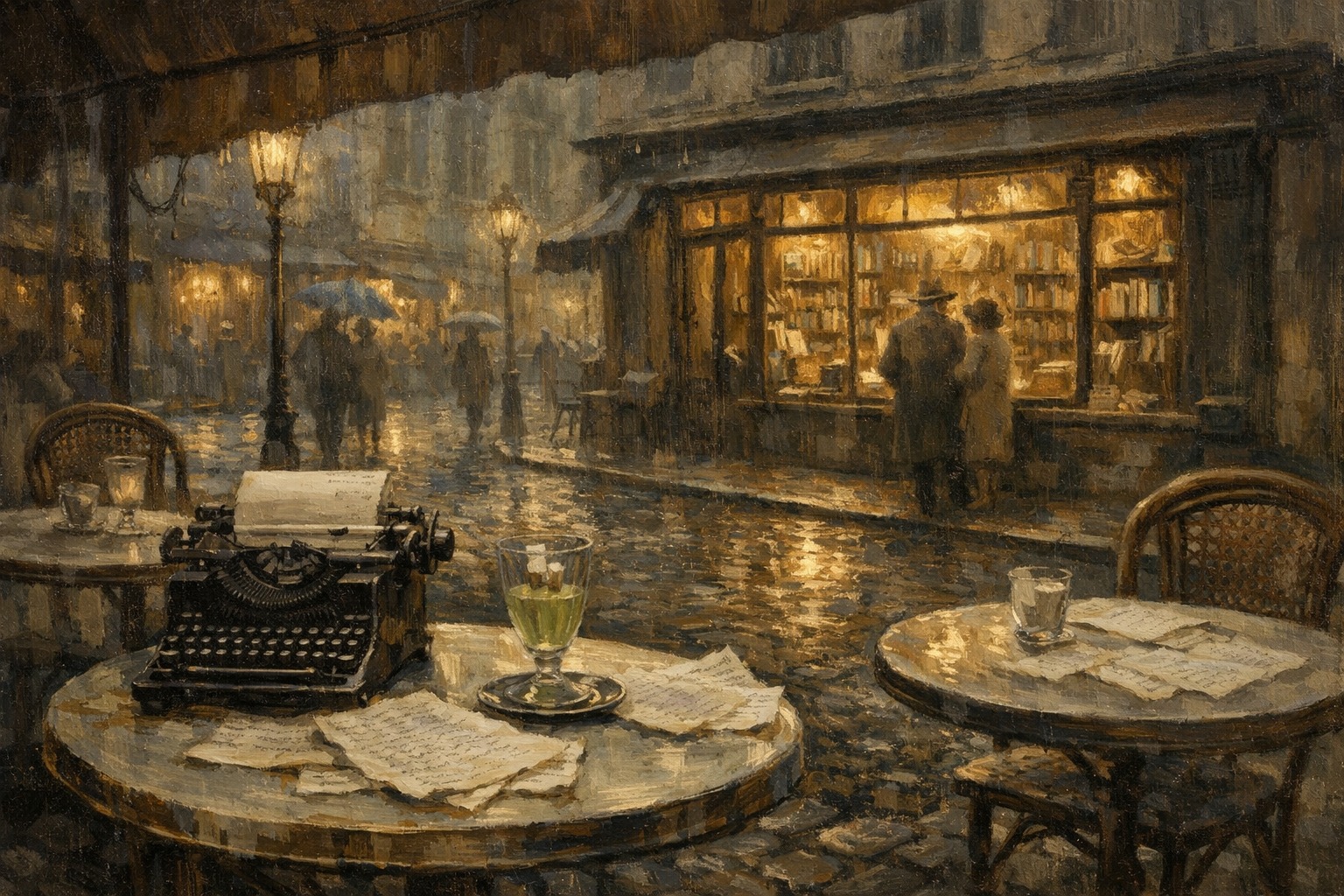
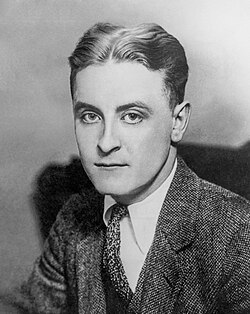
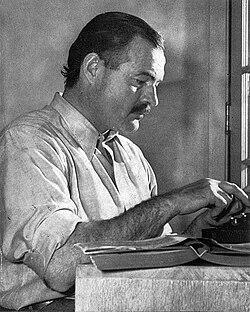
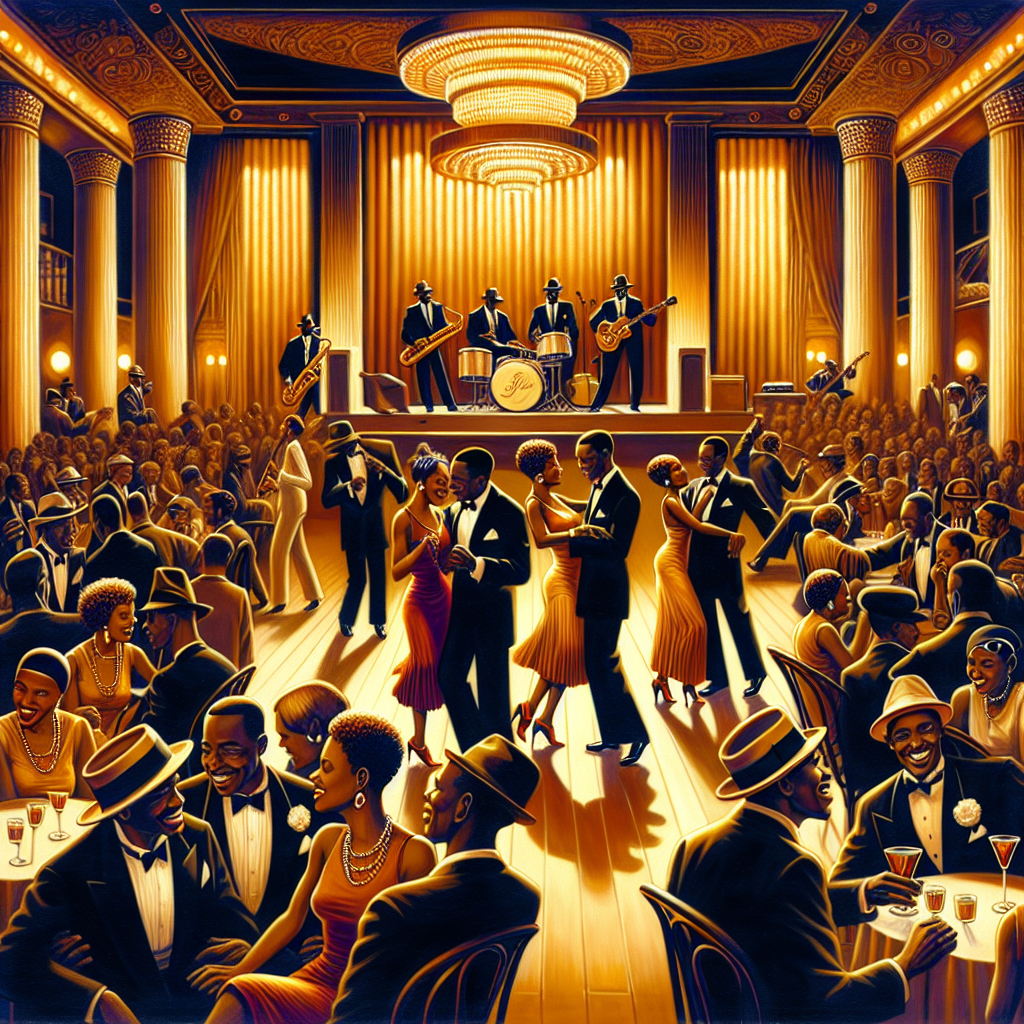
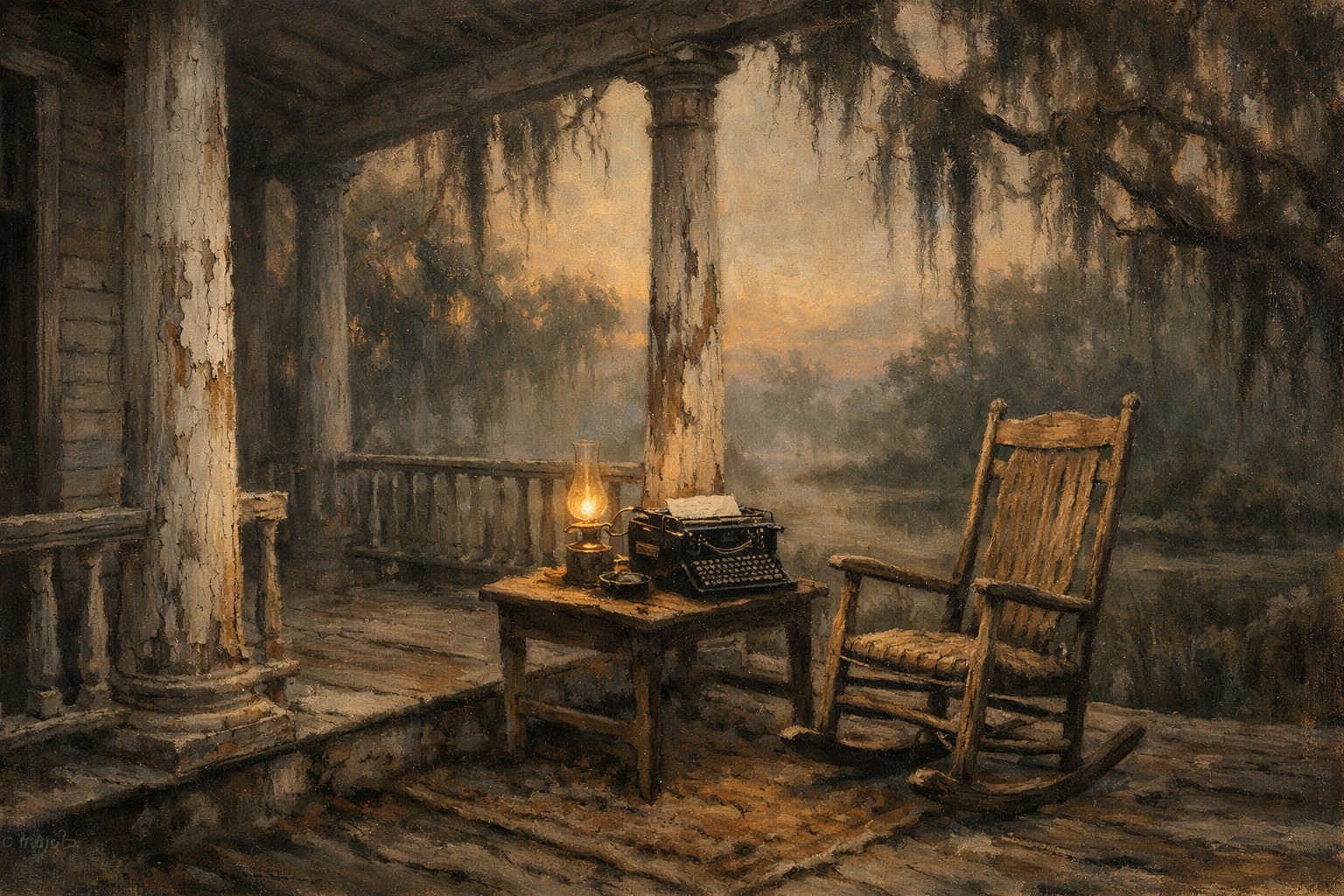
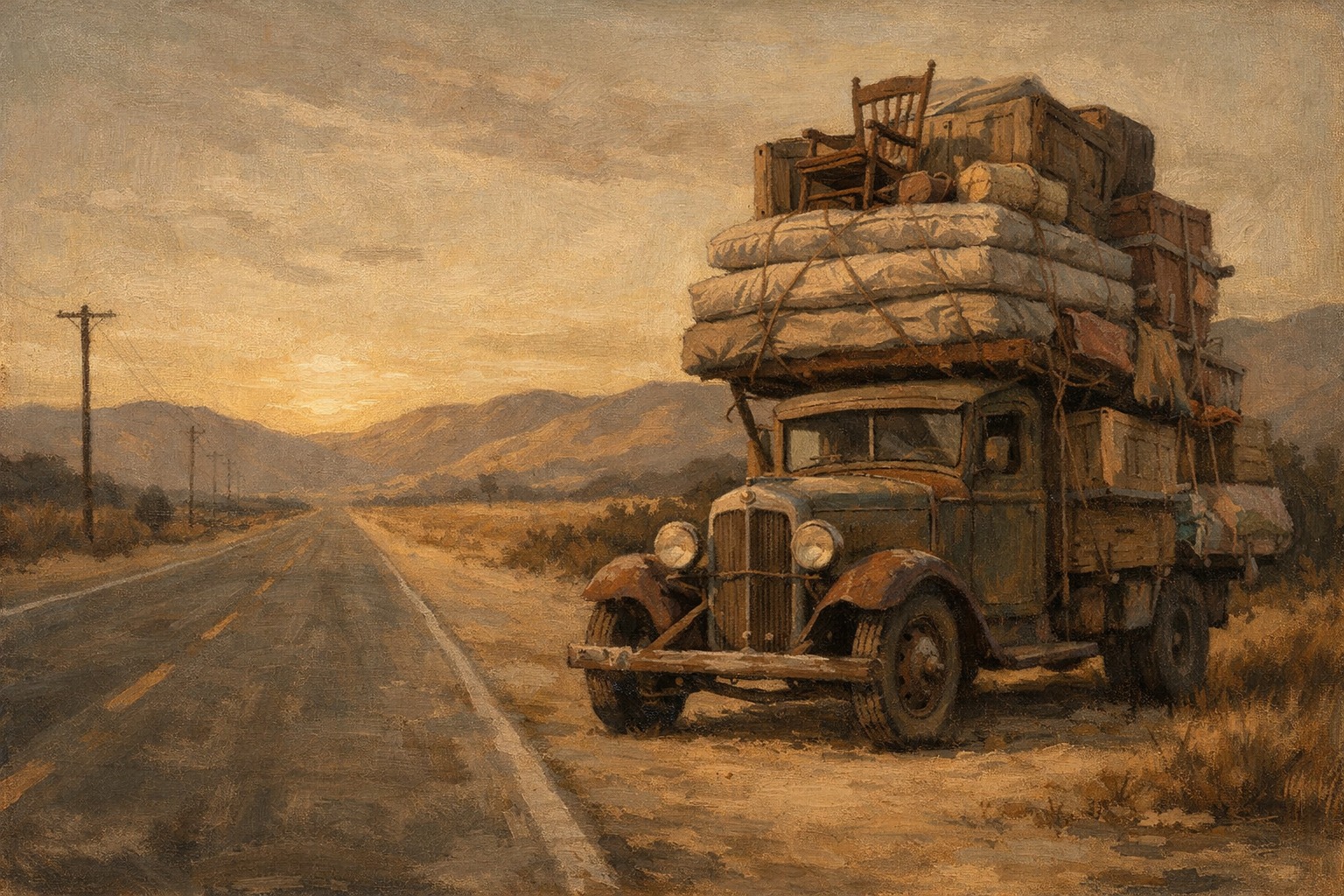
The First World War broke the moral vocabulary of the nineteenth century, and the writers of the 1920s answered with spare prose and cool irony. In Paris the expatriates of the Lost Generation, in Harlem a Black renaissance, in Mississippi a novelist building a county of his own, and in California a chronicler of the Dust Bowl migrants made the interwar years the richest in American fiction.

The writers who came of age after 1945 confronted the unfinished business of race in the country's history. James Baldwin wrote of it as prophecy, and Toni Morrison made the memory of slavery the subject of the most honored American novel of her era.
Many of these books were dismissed, banned, or forgotten in their authors' lifetimes, and some were rescued only decades later. For the music, painting, and architecture that grew up alongside them, see the guides to American music and American art.