Emily Dickinson
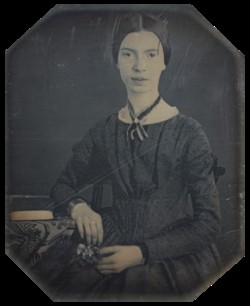
Emily Dickinson published fewer than a dozen poems during her lifetime and was almost entirely unknown as a writer when she died in 1886. The nearly 1,800 poems found in her bedroom afterward — written on scraps of paper, sewn into small fascicles, tucked into drawers — established her as one of the two or three most important poets in American literary history. She worked in near-total isolation in Amherst, Massachusetts, rarely leaving her house in her later decades, and she wrote about death, immortality, consciousness, and nature with a compression and strangeness that her contemporaries had no framework to understand and that has never gone out of fashion.
Dickinson's formal innovations were as radical as her themes. She used dashes where conventional punctuation demanded periods, capitalized common nouns for emphasis, employed slant rhyme where her contemporaries expected perfect rhyme, and compressed entire philosophical arguments into four-line stanzas. Her editors, beginning with Thomas Wentworth Higginson and Mabel Loomis Todd, normalized her punctuation and regularized her meter for the first publications in the 1890s, softening precisely the qualities that made her extraordinary. It took decades of scholarly editing to restore the poems as she wrote them.
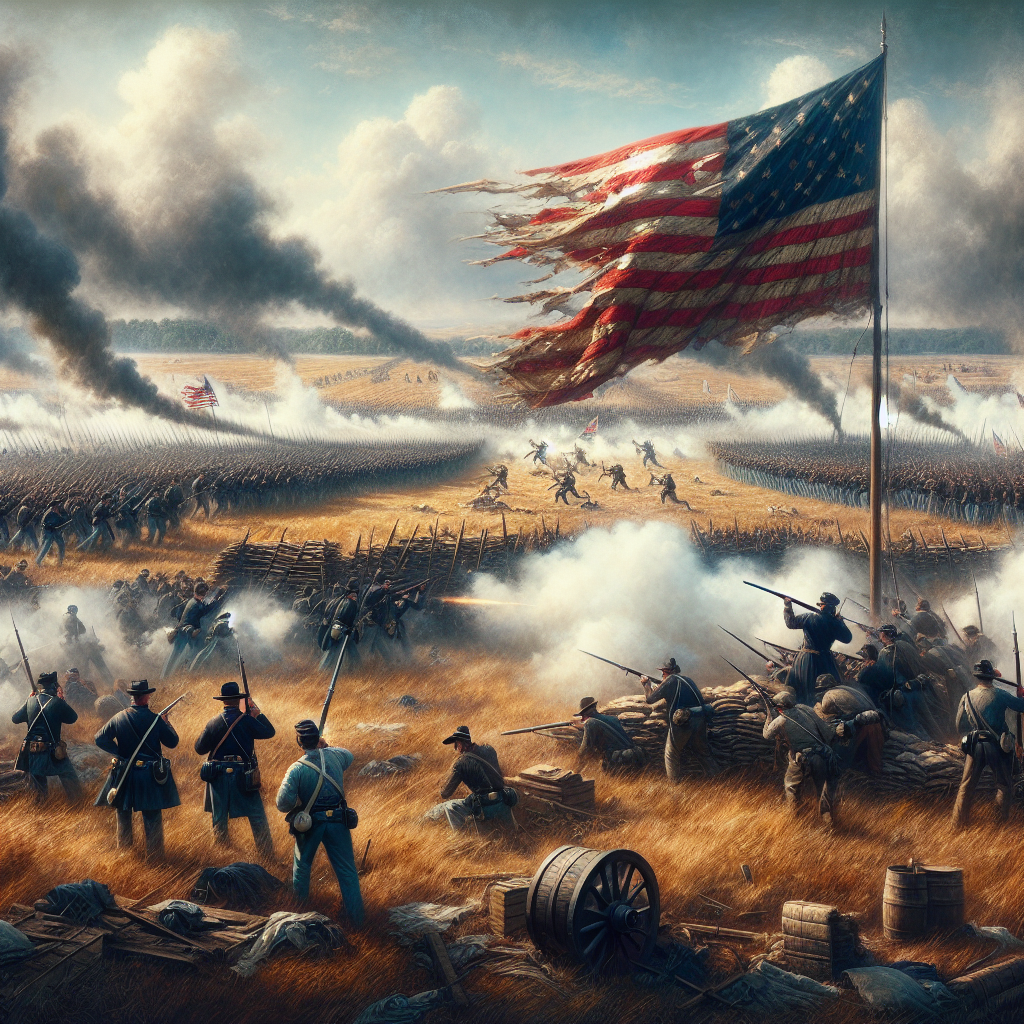
The question of why Dickinson withdrew from public life — she was socially engaged and intellectually voracious in her youth — has generated more biographical speculation than it has answers. What is clear is that the withdrawal was productive rather than tragic: her most concentrated period of writing, the early 1860s, coincided with the Civil War and with her deepest seclusion. She exchanged hundreds of letters and sent poems to correspondents across the country, maintaining a rich intellectual life conducted entirely through the mail. She was not hiding from the world. She was watching it more carefully than anyone else.


| Born | December 10, 1830 — Amherst, Massachusetts |
| Died | May 15, 1886 — Amherst, Massachusetts |
| Published in life | Fewer than 12 poems |
| Poems found | Nearly 1,800, discovered after her death |
| First publication | Poems (1890), edited by Higginson and Todd |
| Style | Slant rhyme, dashes, capitalization, compressed stanzas |
| Peak output | Early 1860s — Civil War era |
| Years | 1830–1886 |
| Location | Amherst, Massachusetts |