James Baldwin
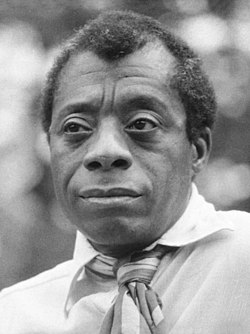
James Baldwin grew up in Harlem in the 1930s, the stepson of a fiercely religious preacher whose church he fled at 17 to become a writer. By his mid-twenties he had left the United States for Paris, finding in Europe the distance he needed to understand America clearly enough to write about it. What he produced in the following four decades — novels, essays, plays, and public speeches — constitutes the most sustained and searching examination of American racial identity produced by any single writer. He did not comfort his readers. He required them to look at what they already knew and had chosen not to see.
Go Tell It on the Mountain (1953), his first novel, drew on his Harlem childhood and his church experience to explore faith, family, and the weight of inherited suffering. Notes of a Native Son (1955) established him as an essayist of the first order. The Fire Next Time (1963), published at the height of the civil rights movement, was a direct address to his nephew and through him to white America — an argument that the country's survival required white Americans to accept the full humanity of Black citizens, not as a gift but as a precondition of their own freedom. It sold a million copies and put Baldwin on the cover of Time.
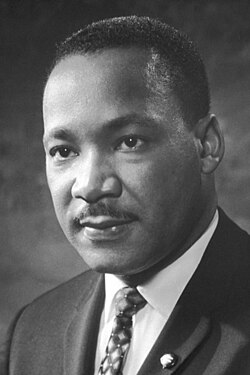
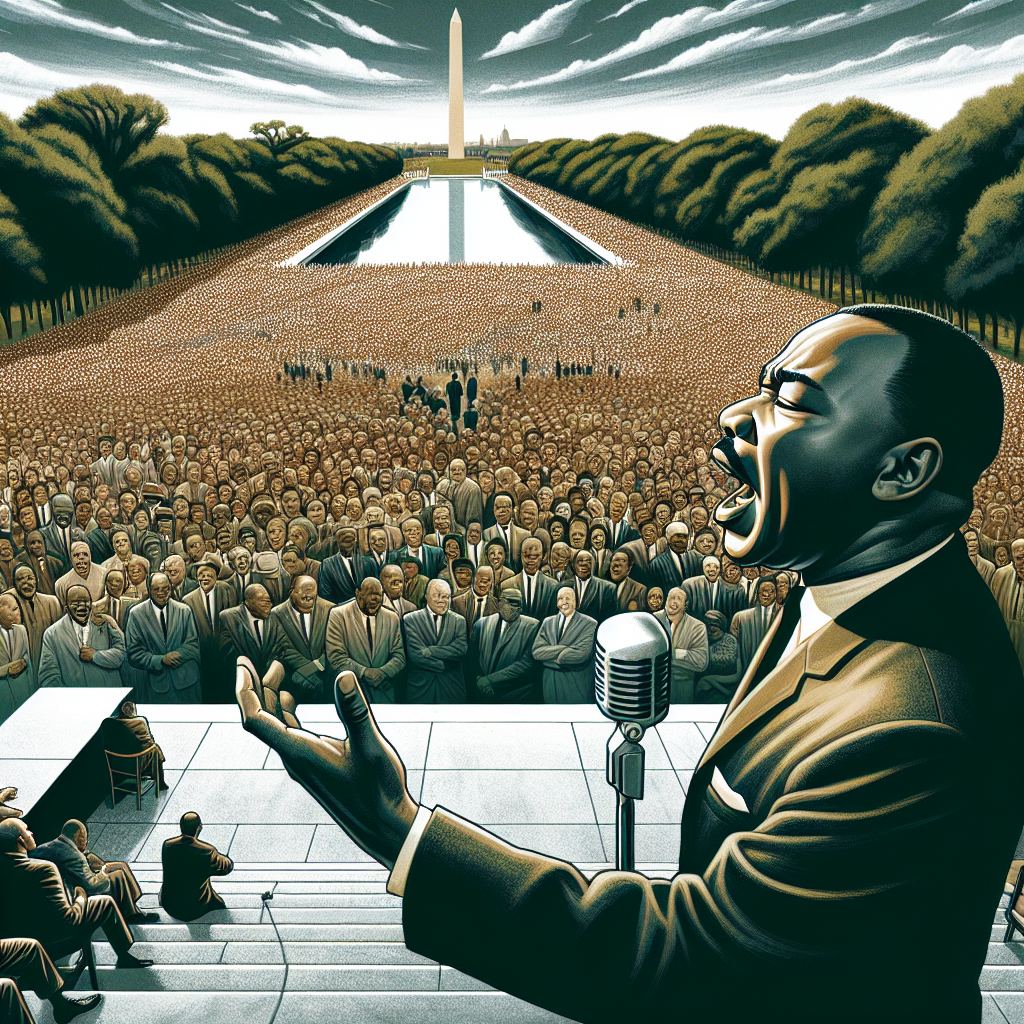
Baldwin returned to the United States repeatedly during the civil rights years, speaking, marching, and testifying. He knew King, Malcolm X, Medgar Evers, and Lorraine Hansberry, and he watched them die. He moved back to France permanently after 1970, continuing to write until his death in 1987. The question he posed throughout his career — whether America was capable of becoming what it claimed to be — has not been answered, which is part of why his work continues to feel contemporary.
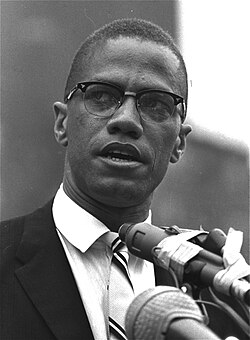


| Born | August 2, 1924 — Harlem, New York City |
| Died | December 1, 1987 — Saint-Paul-de-Vence, France |
| Key works | Go Tell It on the Mountain (1953); The Fire Next Time (1963) |
| Essay collection | Notes of a Native Son (1955) |
| Civil rights | Participated in March on Washington; knew King, Malcolm X |
| Lived abroad | Paris, France — left U.S. 1948; returned 1950s–60s; permanent 1970 |
| Recognition | Time magazine cover, 1963; Presidential Medal of Freedom (posthumous, 2000) |
| Years | 1924–1987 |
| Location | New York City, New York |