Louisa May Alcott
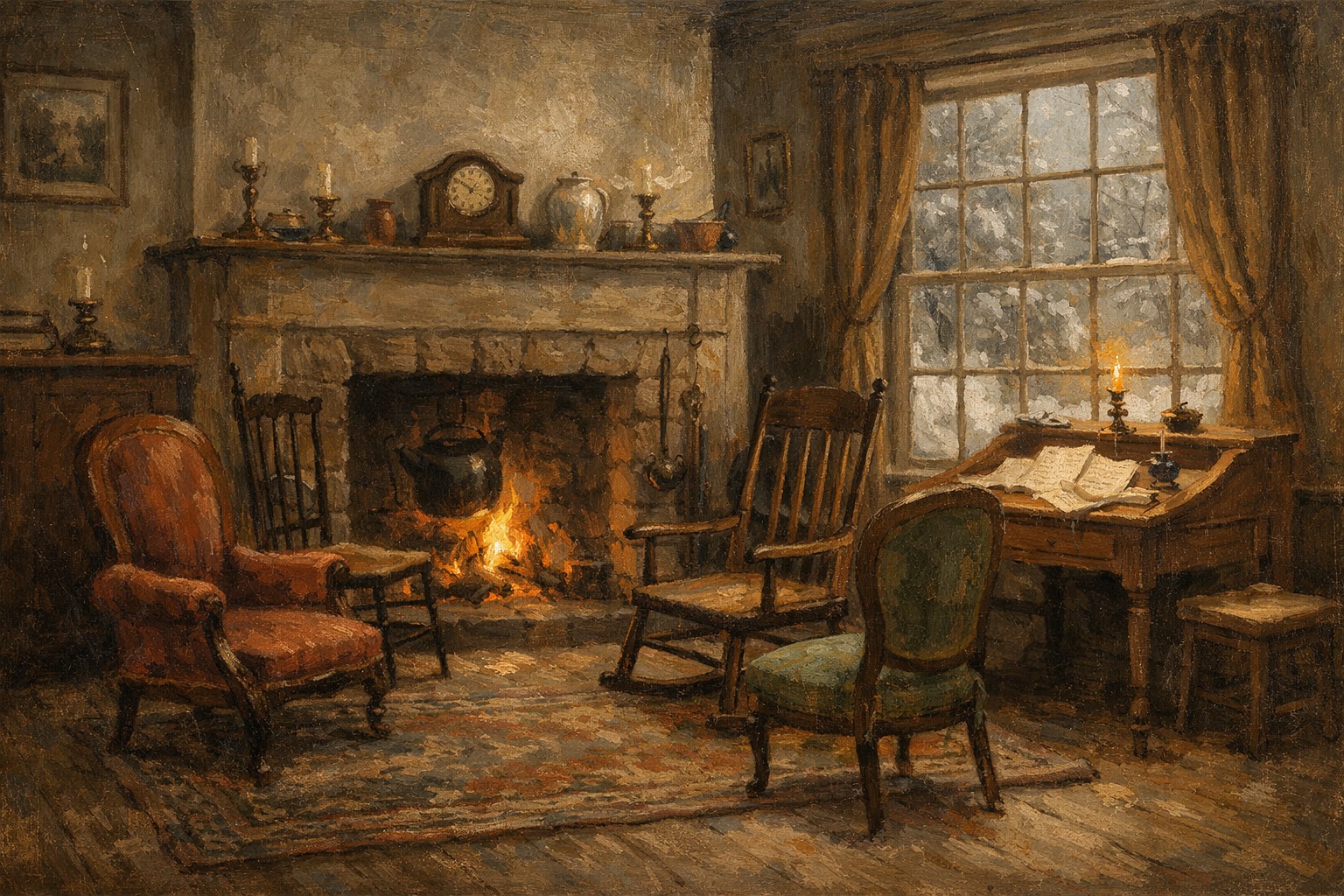
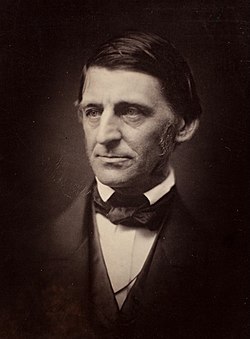
Louisa May Alcott grew up among the transcendentalists and in poverty. Her father, Bronson Alcott, was a visionary educator and philosopher who could not earn a living, and the family moved more than twenty times, including a disastrous stay at Fruitlands, his short-lived utopian farm. Emerson lent them money, and Thoreau led the Alcott children on nature walks through the Concord woods. By her teens she had decided that she would support her mother and sisters herself.
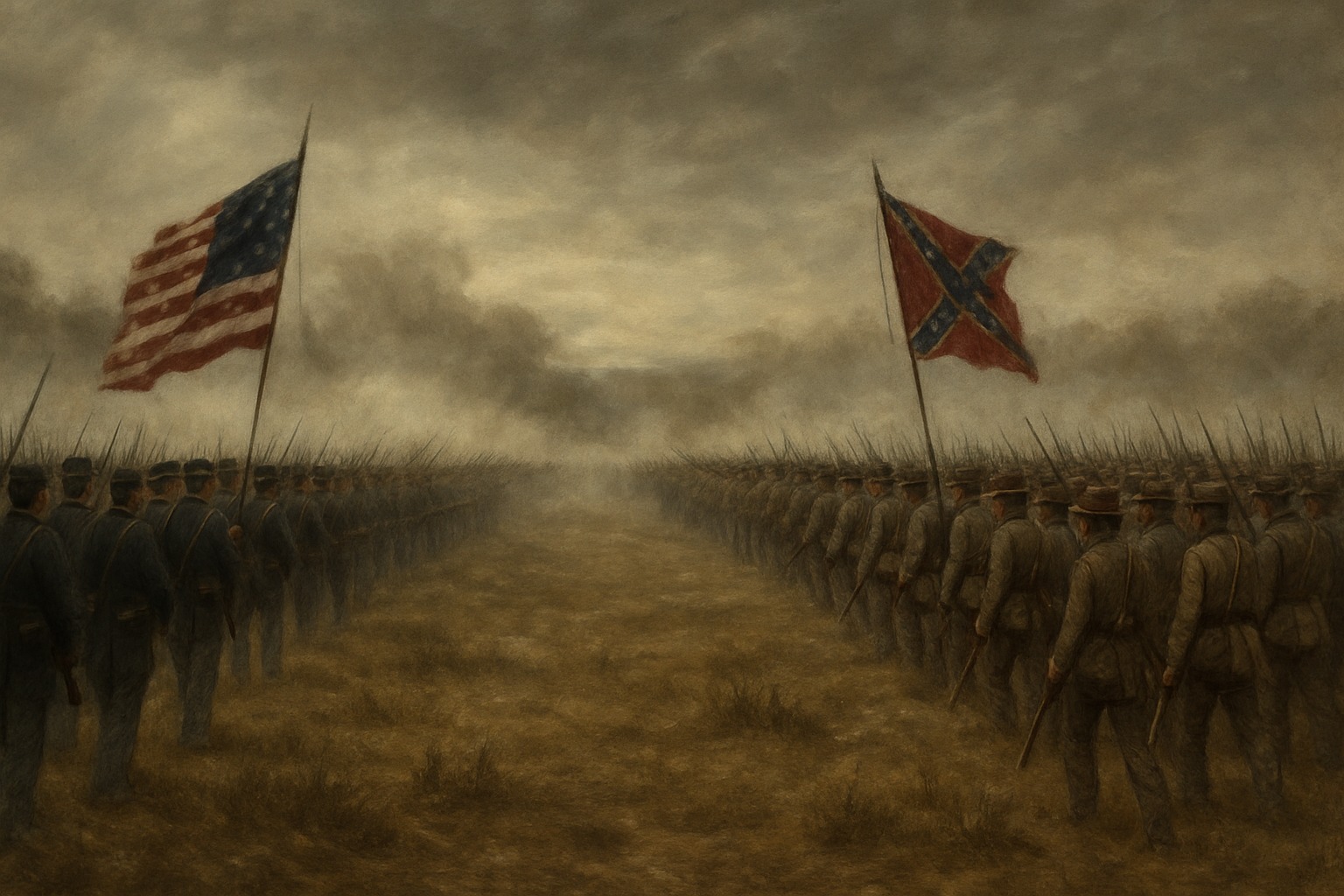
She worked as a seamstress, governess, and servant and wrote whatever would sell, including lurid thrillers under the name A. M. Barnard. In December 1862 she went to Washington as a nurse at the Union Hotel Hospital in Georgetown. Within six weeks she contracted typhoid, and the mercury she was given for it may have damaged her health for the rest of her life. Hospital Sketches, her account of the work, published in 1863, was her first real success.
Her publisher, Thomas Niles, asked for a book for girls. She thought she could not write one and wrote Little Women anyway, drawing on her own family. The first volume appeared in 1868 and the second in 1869. The March sisters — dutiful Meg, tomboyish writer Jo, gentle Beth, and vain Amy — became among the most beloved characters in American fiction, and the book made Alcott wealthy and famous.
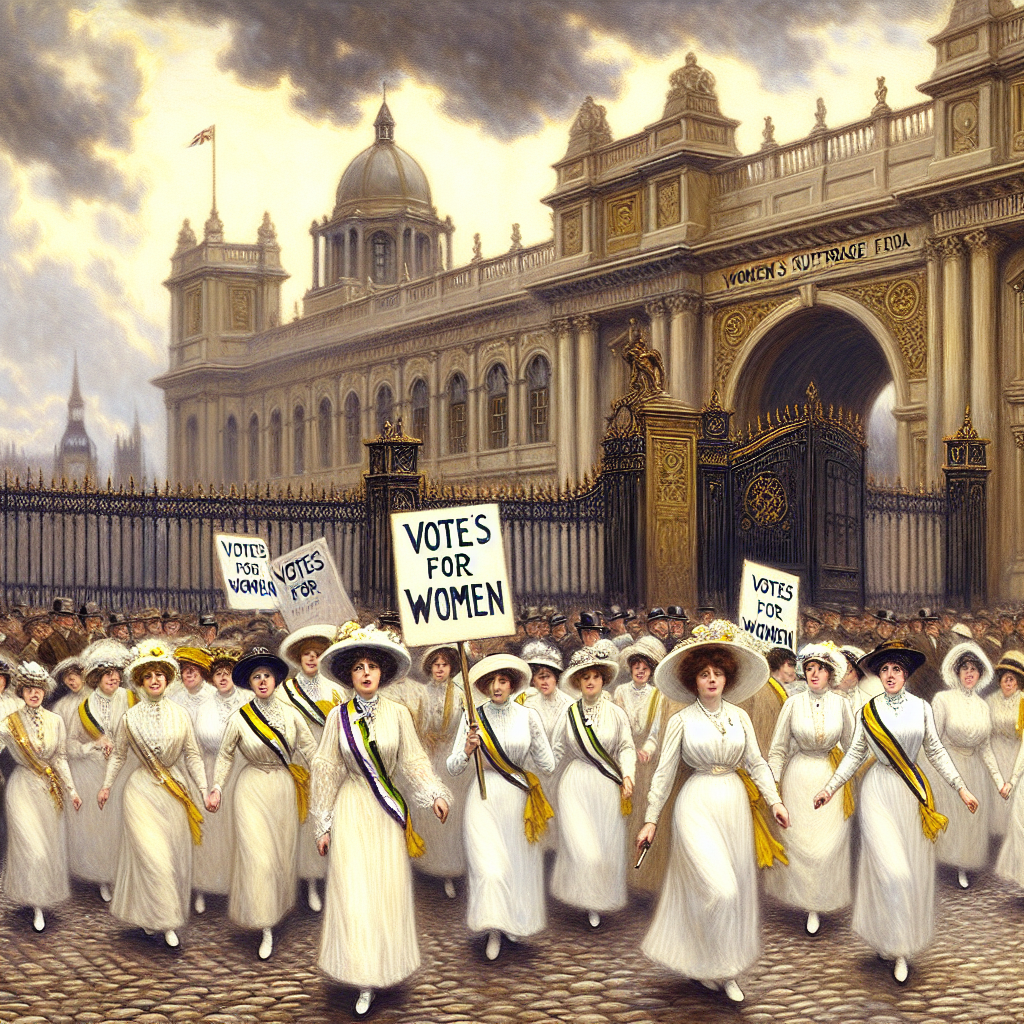
She wrote a string of sequels and other novels, paid off her family's debts, and supported her relatives for the rest of her life. She was an ardent advocate of women's suffrage and in 1879 became the first woman to register to vote in Concord when women were allowed to vote for the school committee. She died in 1888, two days after her father. Little Women has never gone out of print, and Jo March has been claimed as a model by generations of women writers.

| Born | Germantown, Pennsylvania, 1832 |
| Father | Transcendentalist educator Bronson Alcott |
| Civil War | Nurse at the Union Hotel Hospital, 1862–1863 |
| Masterpiece | Little Women, 1868–1869 |
| Pen name | A. M. Barnard, for thrillers |
| First | First woman registered to vote in Concord, 1879 |
| Date | 1832–1888 |
| Location | Concord, Massachusetts |