Henry David Thoreau
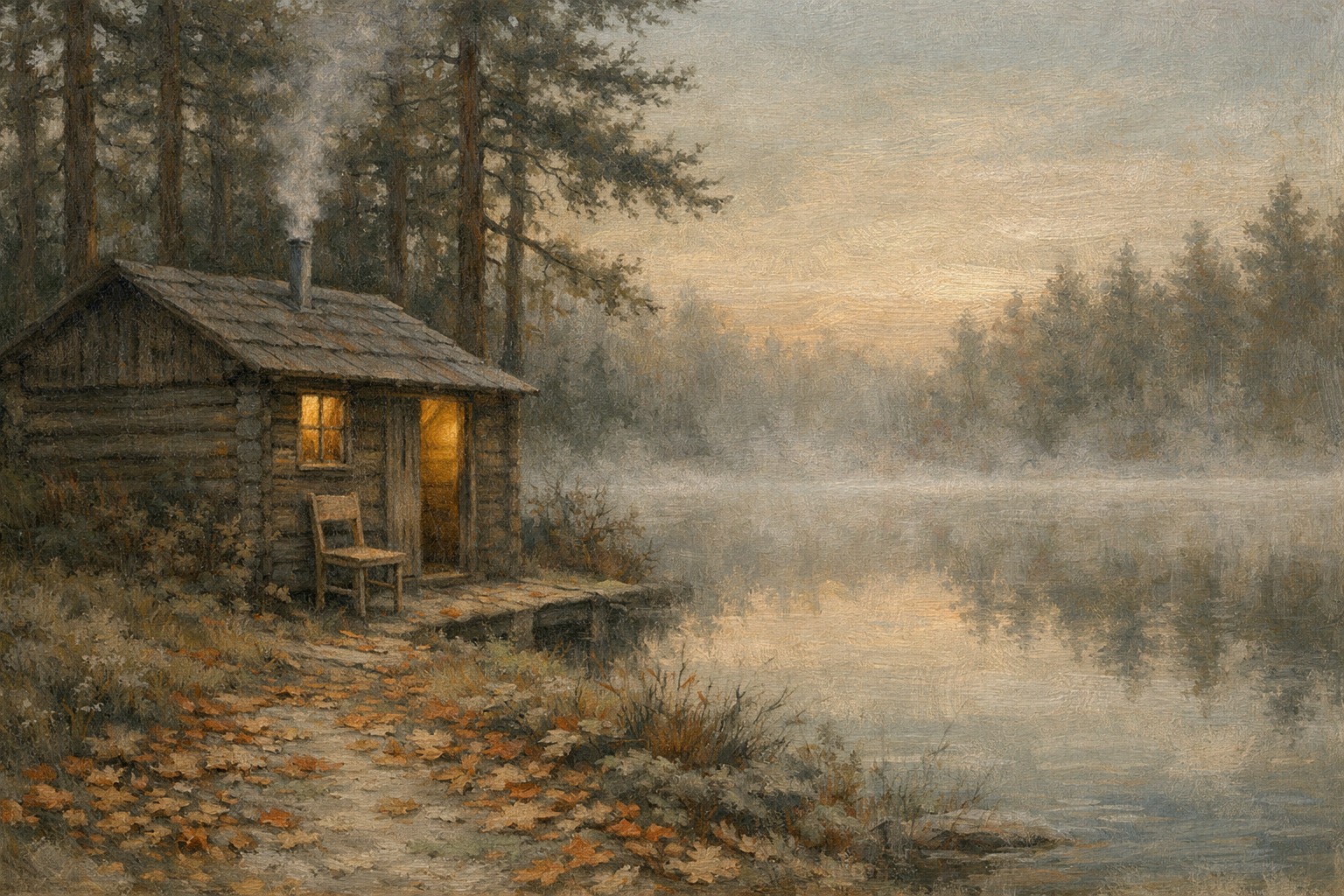
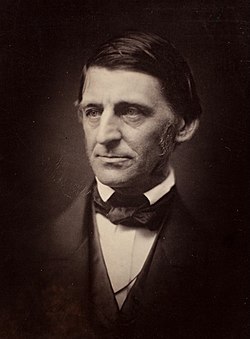
Henry David Thoreau graduated from Harvard in 1837, quit his first teaching job rather than flog students, and became the protégé of Ralph Waldo Emerson, who lived down the road in Concord. He worked in his family's pencil factory, surveyed land, lived for a time in Emerson's house as a handyman, and filled journal after journal. On July 4, 1845, he moved into a one-room cabin he had built on Emerson's woodlot beside Walden Pond.
He stayed two years and two months. "I went to the woods because I wished to live deliberately," he wrote, "to front only the essential facts of life, and see if I could not learn what it had to teach." Walden, published in 1854 after years of revision, is part nature writing, part economics, and part sermon on simplicity. It sold slowly. Thoreau remarked that he owned a library of nearly nine hundred volumes, over seven hundred of which he had written himself, the unsold copies of his first book.
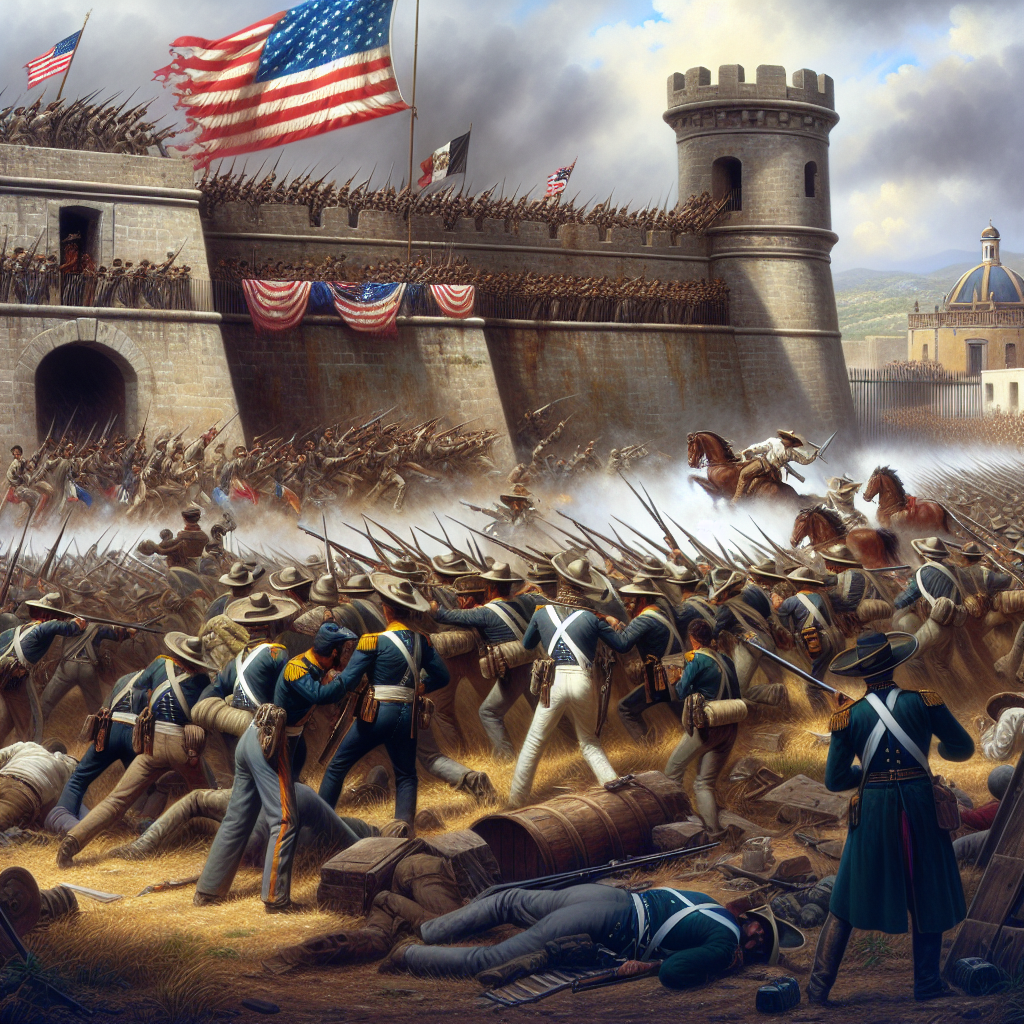
During the Walden years he spent a night in the Concord jail for refusing to pay a poll tax to a government that supported slavery and was waging war on Mexico. Someone, probably an aunt, paid it for him the next morning. His lecture on the episode was published in 1849 as Resistance to Civil Government and later became known as Civil Disobedience. It argued that a person's first obligation is to conscience, and that under a government which imprisons any unjustly, the true place for a just man is also a prison.
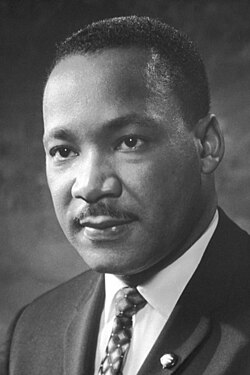
Thoreau became an increasingly militant abolitionist and defended John Brown after the raid on Harpers Ferry in 1859, when almost no one else would. He died of tuberculosis in 1862 at forty-four. His reputation grew long after. Mohandas Gandhi read Civil Disobedience in South Africa, and Martin Luther King Jr. cited it as his first encounter with the theory of nonviolent resistance. Walden became a founding text of the American environmental movement.



| Born | Concord, Massachusetts, 1817 |
| At Walden Pond | July 4, 1845, to September 1847 |
| Major books | Walden, 1854 |
| Essay | Resistance to Civil Government (Civil Disobedience), 1849 |
| Mentor | Ralph Waldo Emerson |
| Influence | Gandhi, King, and the environmental movement |
| Date | 1817–1862 |
| Location | Walden Pond, Concord, Massachusetts |