Jack London
Jack London grew up poor on the Oakland waterfront and was working in a cannery by fourteen. He bought a sloop and raided commercial oyster beds as a teenage pirate, shipped out on a sealing schooner to Japan, rode the rails as a hobo with an army of the unemployed in 1894, and was jailed for vagrancy. He came out a committed socialist, crammed his way into the University of California for a single semester, and taught himself to write.
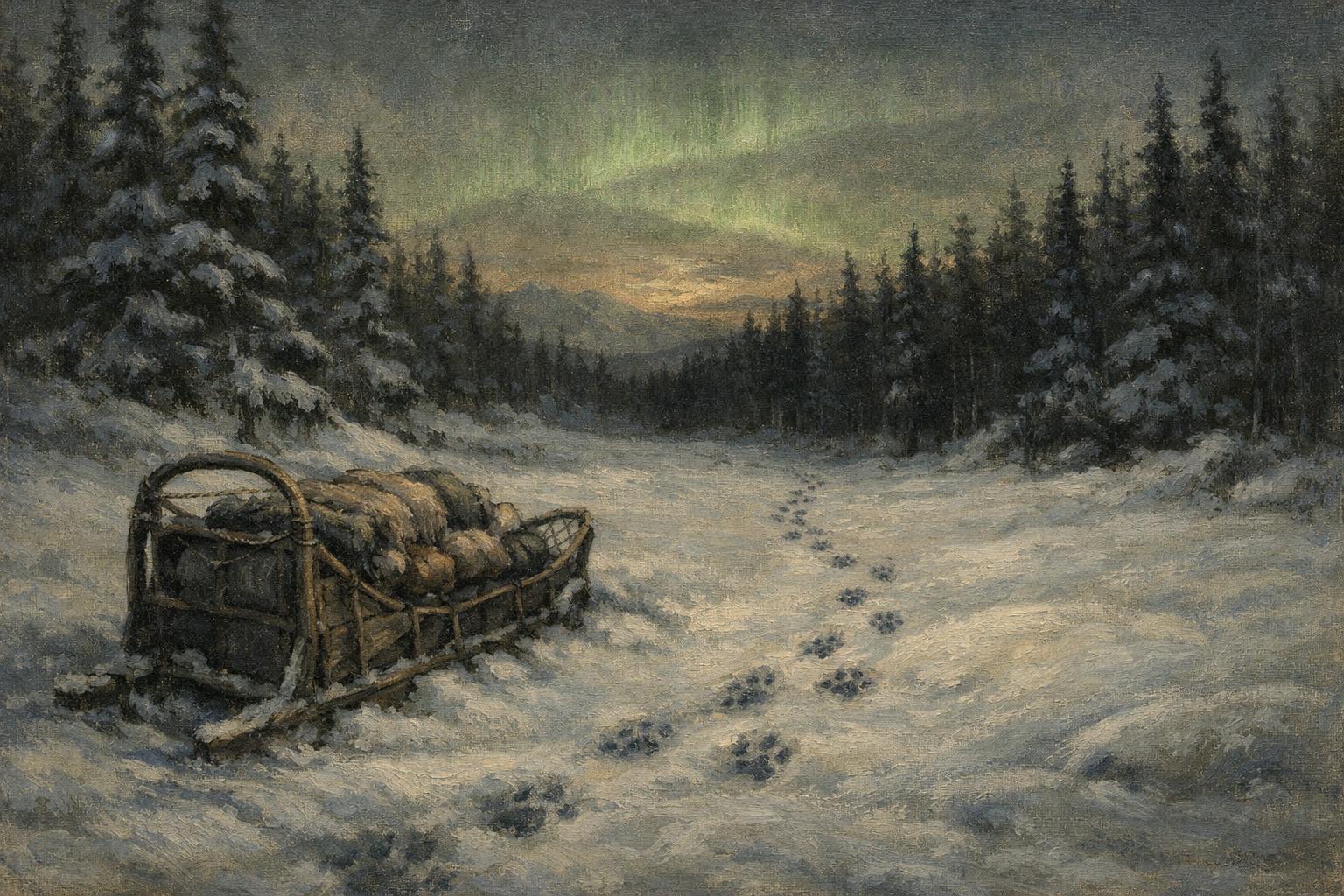
In 1897 he joined the Klondike gold rush. He found no gold and came home with scurvy, but the North gave him his material. The Call of the Wild, published in 1903, is the story of Buck, a domestic dog stolen and sold into the brutal world of the Yukon sled teams, who reverts to the wild and leads a wolf pack. It was an immediate best-seller and made London famous at twenty-seven. The Sea-Wolf followed in 1904 and White Fang in 1906.
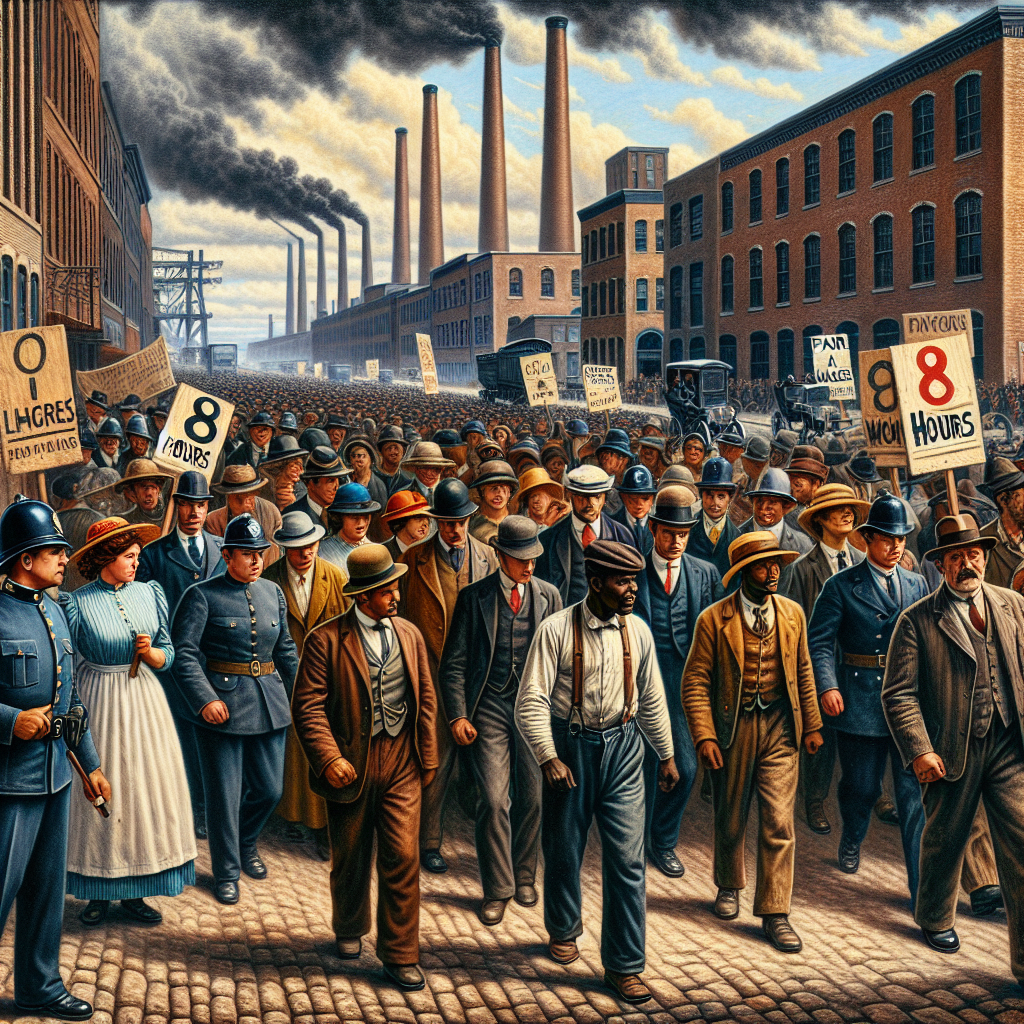
He wrote with industrial discipline, a thousand words every morning, and by 1913 he was reputed to be the highest-paid writer in the world. He was also a prominent socialist lecturer and pamphleteer. The Iron Heel, published in 1908, imagined a fascist oligarchy crushing American workers, and Martin Eden was a bitter portrait of a self-made writer. Like many of his contemporaries, he also wrote openly racist journalism and fiction, a contradiction in a man who preached solidarity.
London spent his fortune on a ranch in the Sonoma Valley and a stone mansion, Wolf House, which burned shortly before he was to move in. He sailed the Pacific in a boat of his own design and drank heavily. He died at his ranch in November 1916, at forty, of kidney failure. His adventure stories, including the classic To Build a Fire, remain among the most widely translated works of American literature.

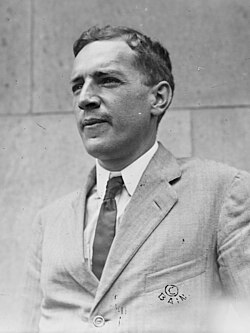
| Born | San Francisco, 1876 |
| Klondike | Joined the gold rush, 1897 |
| Breakthrough | The Call of the Wild, 1903 |
| Other works | The Sea-Wolf, White Fang, The Iron Heel, Martin Eden |
| Politics | Socialist lecturer and writer |
| Died | Glen Ellen, California, 1916, age 40 |
| Date | 1876–1916 |
| Location | Oakland, California |