Transcendentalism
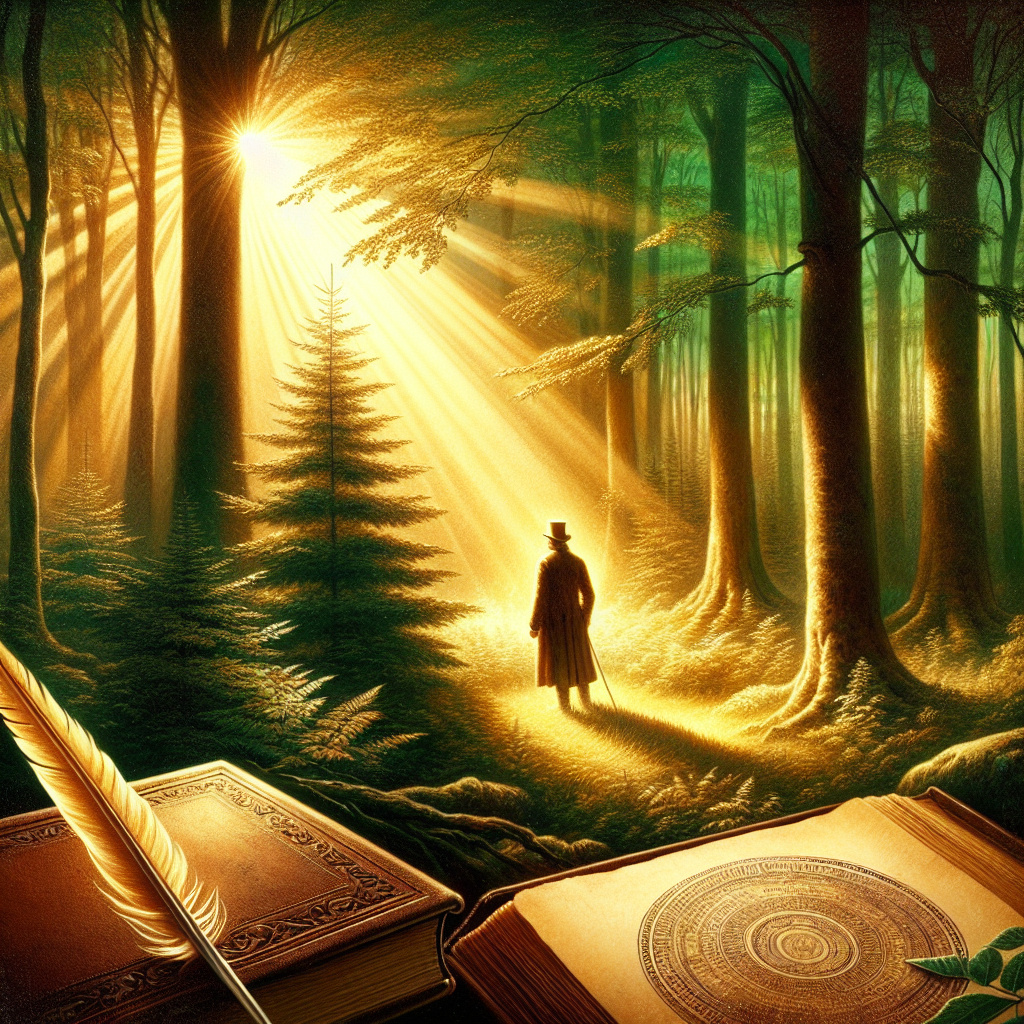
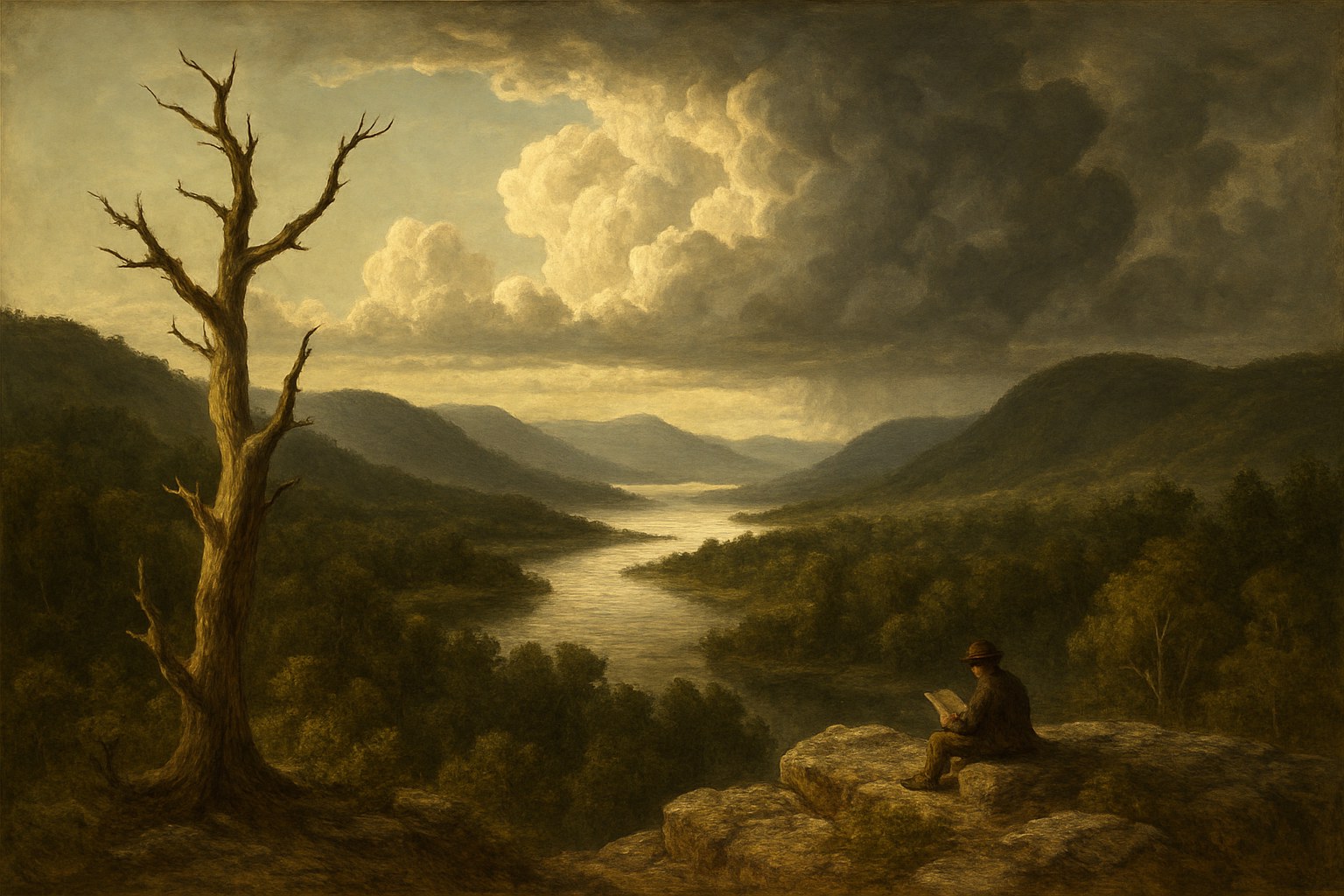
Transcendentalism was less a formal philosophy than a posture toward the world — an insistence, originating in 1830s New England, that the individual mind and spirit were the primary sources of truth, that nature was divine and accessible to anyone willing to attend to it, and that the institutions of organized religion, conventional society, and inherited tradition had no rightful authority over the self-reliant human soul. Ralph Waldo Emerson was its principal voice; Henry David Thoreau was its most radical practitioner. Together, they gave American culture a language of individual conscience that it has been drawing on ever since.
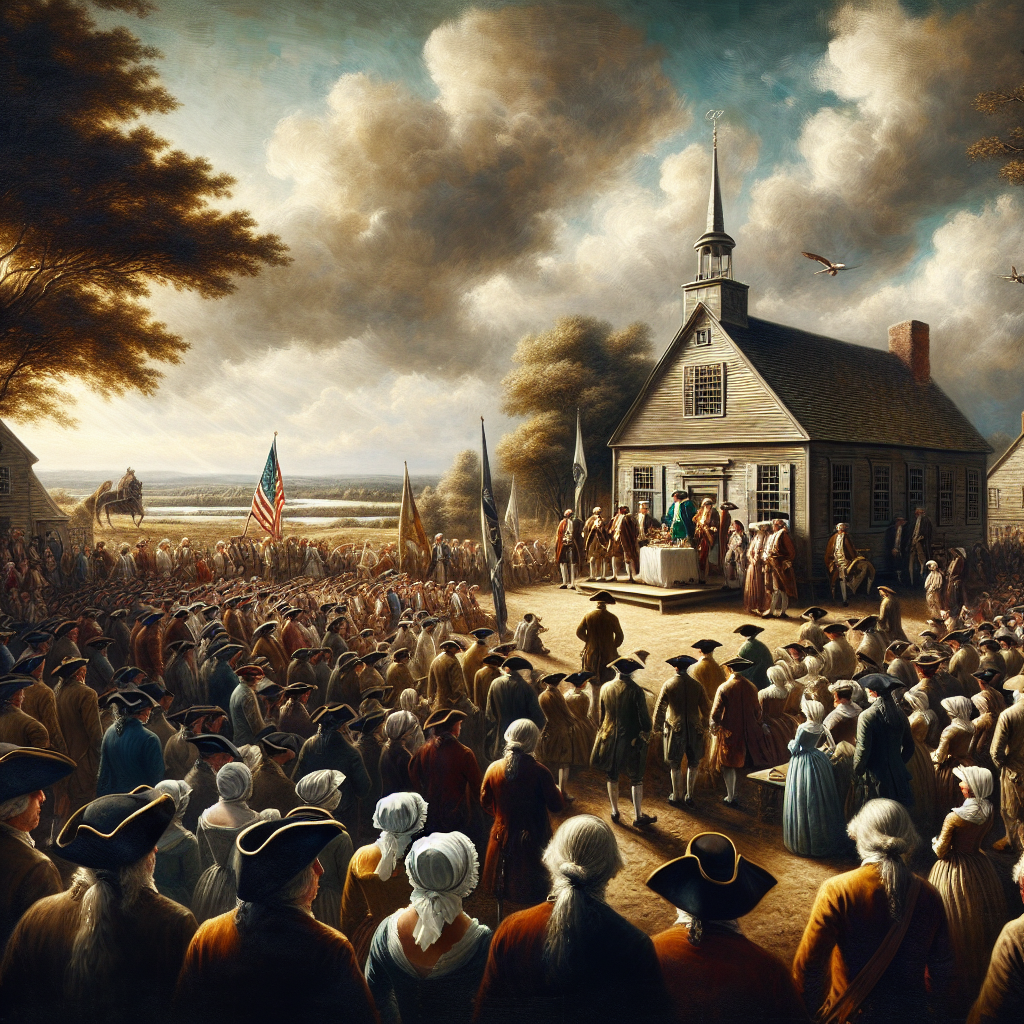
The movement drew on German Romantic philosophy, English Romanticism, and Eastern religious texts — the Bhagavad Gita circulated in Transcendentalist circles decades before it was widely read anywhere else in America. Its adherents gathered at the informal Transcendental Club in Cambridge and Concord, Massachusetts, published a literary journal called The Dial, and attempted a utopian communal experiment at Brook Farm that lasted six years before collapsing under its own idealism. Thoreau's two years at Walden Pond produced a book that became the movement's enduring document — and one of the most influential texts in American environmental thought.
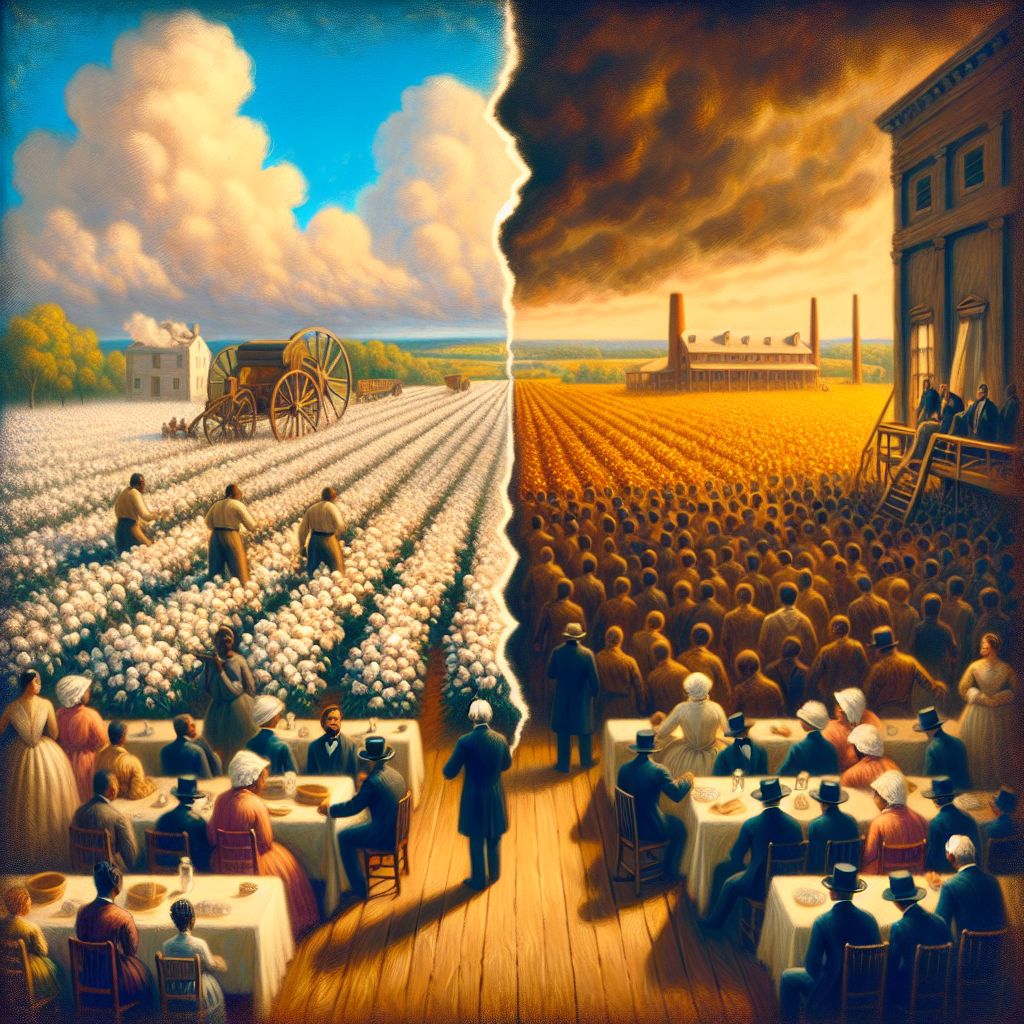
Transcendentalism was inseparable from the moral crises of its era. Emerson and Thoreau were ardent abolitionists. Thoreau's 1849 essay "Resistance to Civil Government" — better known as "Civil Disobedience" — argued that individuals have a moral obligation to refuse participation in unjust laws, and it would go on to influence Mahatma Gandhi and Martin Luther King Jr. in ways that Thoreau could not have imagined. A philosophical movement that began with New England intellectuals arguing about the nature of the soul had, within a century, shaped the strategies of liberation movements on two continents.
| Period | c. 1836–1860 |
| Center | Concord and Cambridge, Massachusetts |
| Key Figures | Ralph Waldo Emerson, Henry David Thoreau, Margaret Fuller, Bronson Alcott |
| Key Texts | Emerson's "Nature" (1836); Thoreau's "Walden" (1854); "Civil Disobedience" (1849) |
| Publication | The Dial — literary journal (1840–1844) |
| Utopian Experiment | Brook Farm, West Roxbury, Massachusetts (1841–1847) |
| Global Influence | Thoreau's "Civil Disobedience" influenced Gandhi and Martin Luther King Jr. |
| Years | 1836–1860 |
| Location | Concord and Cambridge, Massachusetts |