Harriet Beecher Stowe
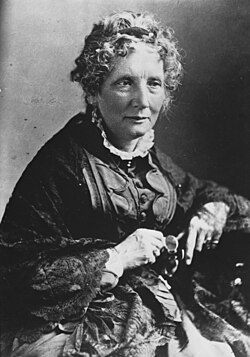
When Harriet Beecher Stowe published Uncle Tom's Cabin in 1852, she did something no political speech or abolitionist pamphlet had managed: she made slavery emotionally unavoidable for a white Northern reading public that had preferred comfortable distance. The novel sold 300,000 copies in its first year and forced readers to confront the human cost of an institution most had been content to consider a Southern problem. Whether or not Lincoln actually called her "the little woman who wrote the book that started this great war," the sentiment captures something real.
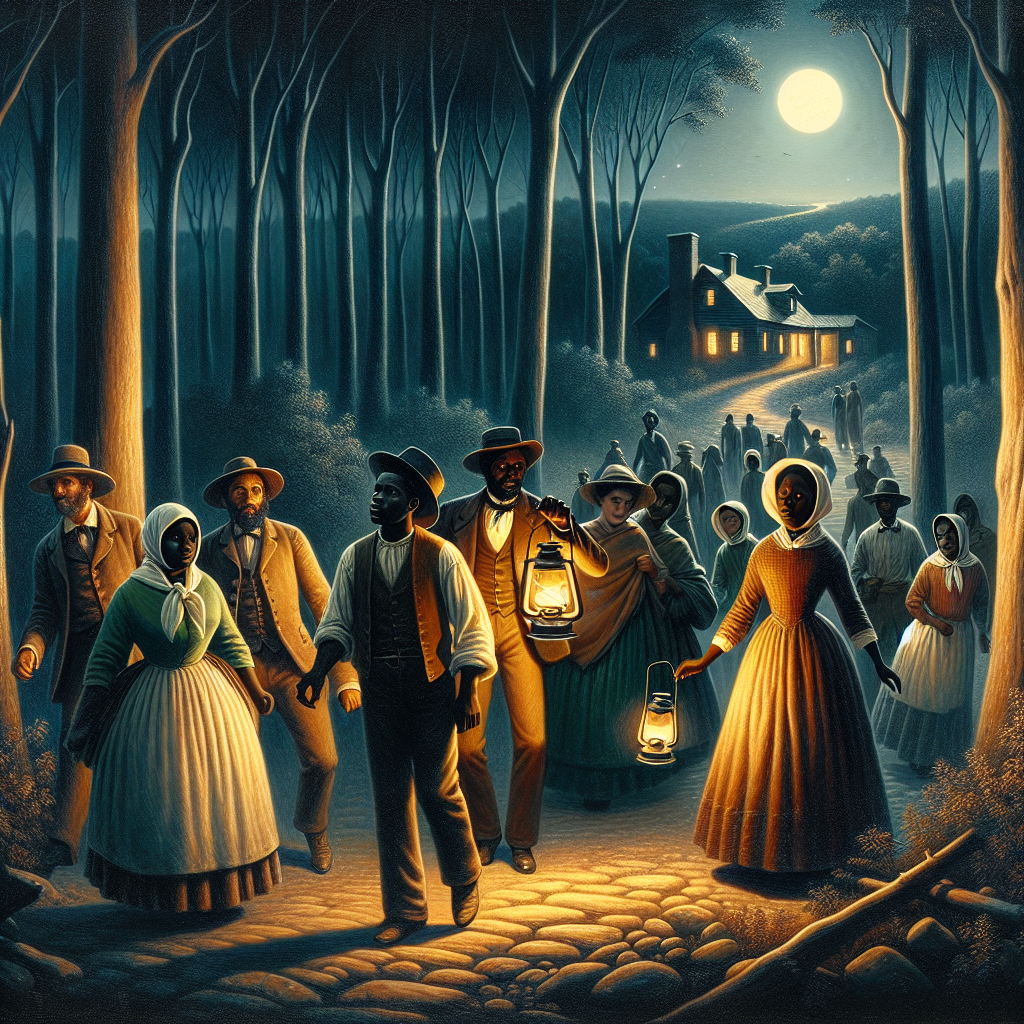
Stowe was born into the Beecher family, one of the most prominent Protestant dynasties in 19th-century America, and grew up surrounded by theological debate about moral obligation. She had moved to Cincinnati, Ohio — directly across the Ohio River from Kentucky — where she witnessed escaped enslaved people seeking freedom and heard firsthand accounts that became the raw material of her fiction. The passage of the Fugitive Slave Act of 1850, which required Northerners to return escaped enslaved people to their owners, galvanized her to write. The novel was serialized in an abolitionist newspaper before publication.
Uncle Tom's Cabin was not without its problems. Its sentimentalism and racial paternalism were criticized by Black abolitionists even in its own time, and later generations would take the title character's name as a slur for subservience. But its impact on the political landscape of the 1850s was real. It sold more copies than any American book except the Bible, was translated into dozens of languages, and became one of the most performed plays of the 19th century — reaching audiences who never read the novel itself.


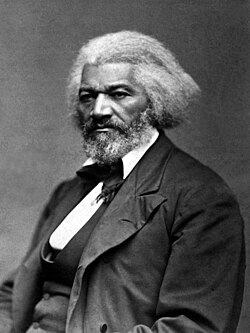

| Born | June 14, 1811 — Litchfield, Connecticut |
| Died | July 1, 1896 — Hartford, Connecticut |
| Key Work | Uncle Tom's Cabin (1852) |
| First Published | Serialized in National Era, 1851–1852 |
| Copies Sold | 300,000 in first year (U.S.); over 1 million in Britain |
| Family | Daughter of Lyman Beecher; sister of Henry Ward Beecher |
| Years | 1811–1896 |
| Location | Hartford, Connecticut |