Washington Irving
Washington Irving was born in New York City in the last weeks of the Revolution and named for the general who had just won it. The youngest of eleven children in a merchant family, he trained half-heartedly as a lawyer and preferred the theater, travel, and the company of wits. With his brother and a friend he wrote Salmagundi, a satirical magazine that gave New York the nickname Gotham.
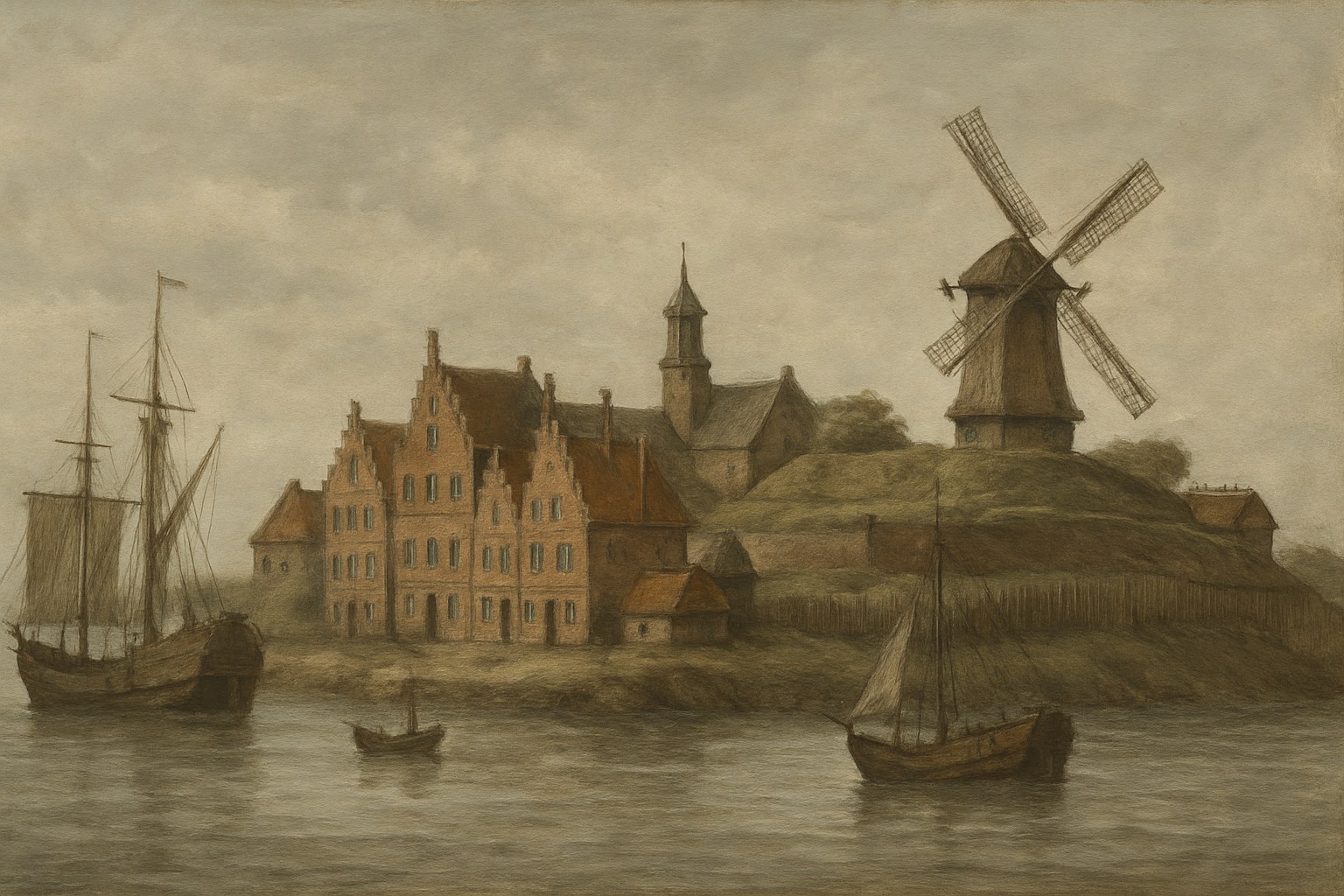
In 1809 he published A History of New York under the name Diedrich Knickerbocker, promoting it with newspaper notices about an elderly Dutch historian who had disappeared from his lodging and left behind a manuscript. The book, a comic history of New Amsterdam, was a sensation, and Knickerbocker became a name for New Yorkers of Dutch descent and later for a basketball team.
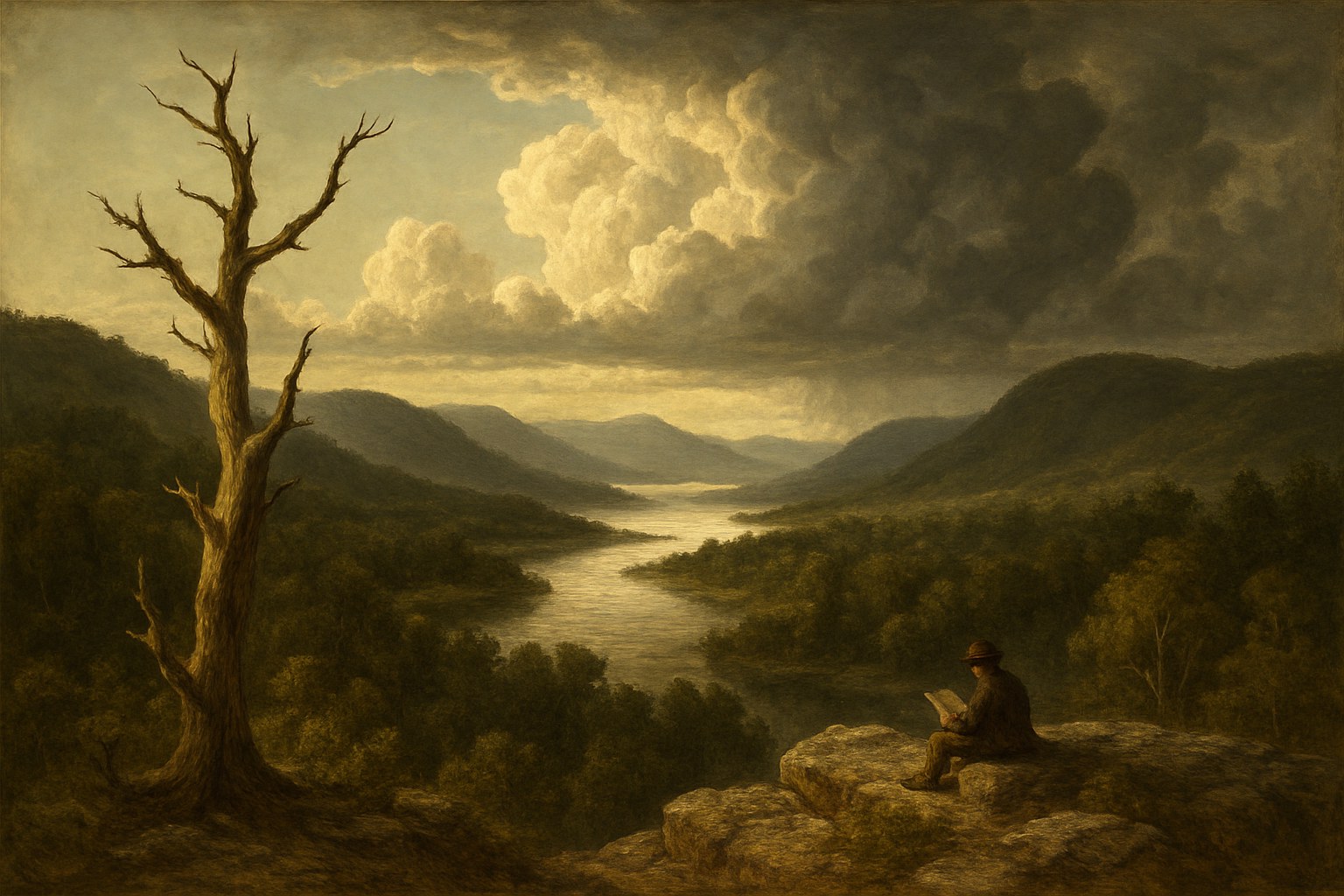
When his family's business failed, Irving, then living in England, turned to writing for a living. The Sketch Book of Geoffrey Crayon, published in installments in 1819 and 1820, included Rip Van Winkle and The Legend of Sleepy Hollow, both set in the Hudson Valley and drawn from German folk tales. It was the first American book to win wide acclaim in Britain, and it made Irving the first American author to support himself by writing. British critics who had asked who in the four quarters of the globe reads an American book now had an answer.
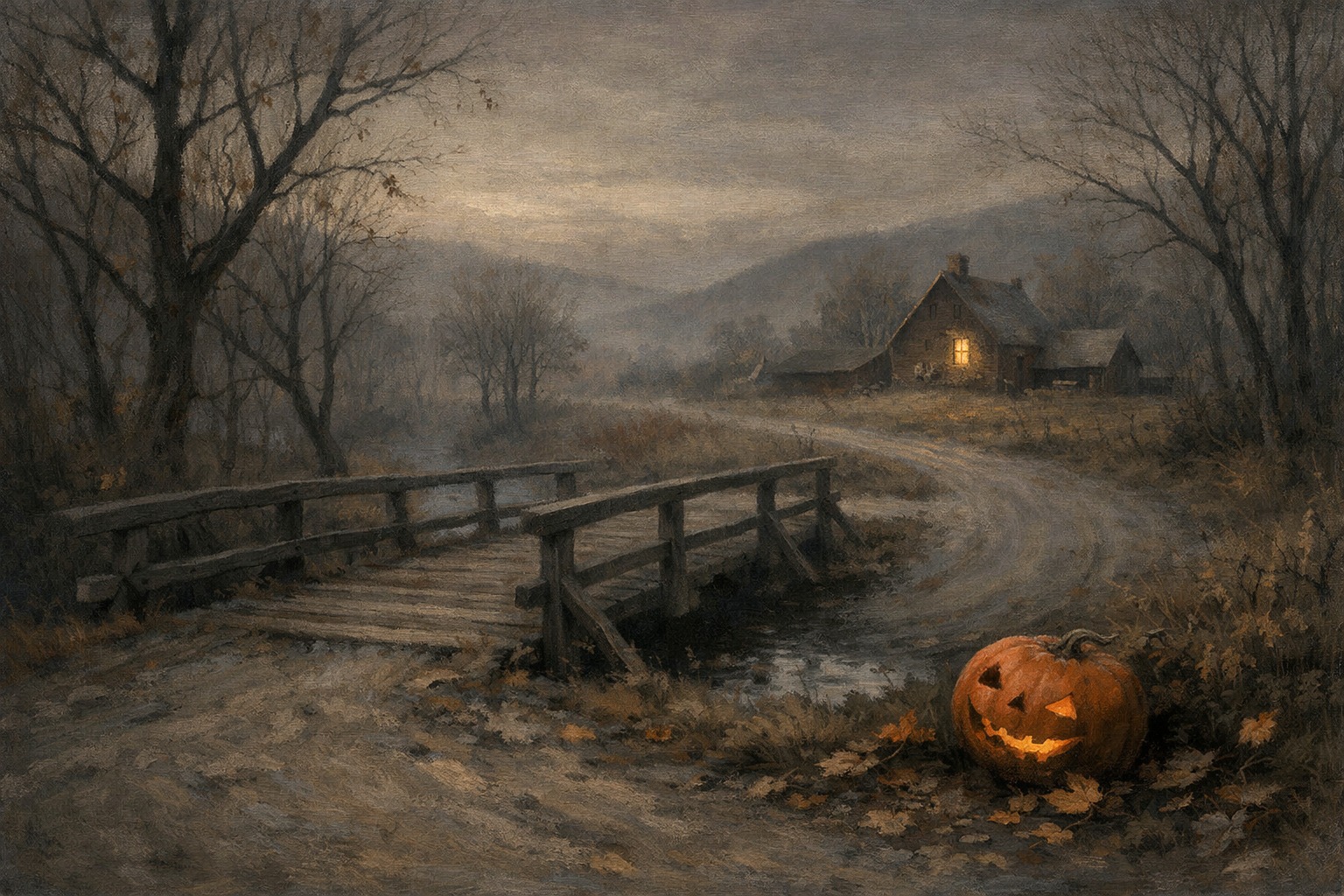
Irving spent seventeen years in Europe, wrote a popular life of Columbus and tales of the Alhambra, and served as American minister to Spain from 1842 to 1846. He settled at Sunnyside, his cottage on the Hudson near Tarrytown, where he finished a five-volume life of George Washington shortly before his death in 1859. His stories, and the headless horseman above all, gave the young country some of its first homegrown legends.

| Born | New York City, 1783 |
| Pen names | Diedrich Knickerbocker, Geoffrey Crayon |
| Major work | The Sketch Book, 1819–1820 |
| Famous tales | Rip Van Winkle and The Legend of Sleepy Hollow |
| Diplomat | U.S. minister to Spain, 1842–1846 |
| Home | Sunnyside, Tarrytown, New York |
| Date | 1783–1859 |
| Location | Tarrytown, New York |