Phillis Wheatley
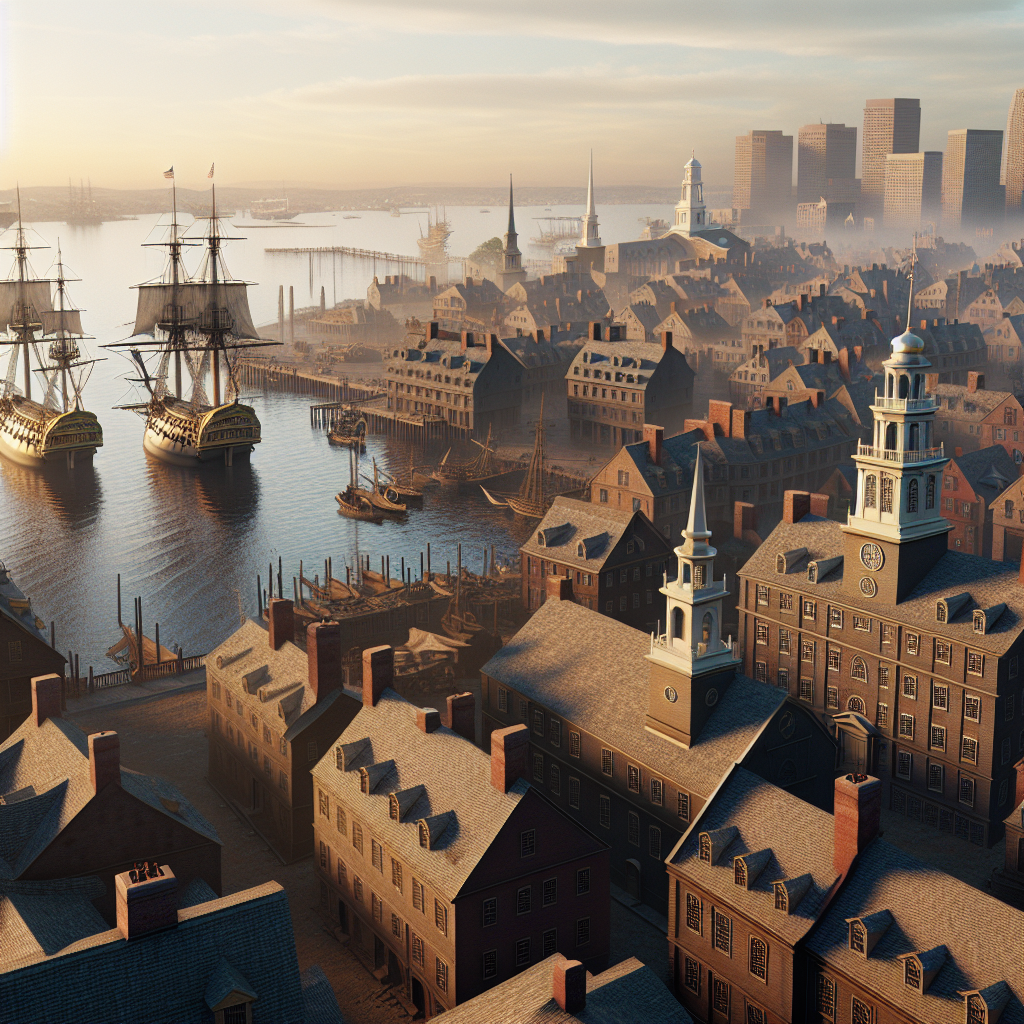
She arrived in Boston in 1761 aboard a slave ship called the Phillis, a child of about seven taken from West Africa and so frail that she was sold cheaply. John and Susanna Wheatley bought her as a household servant and named her after the ship. Their daughter taught her to read, and within sixteen months she was reading the Bible, then Latin, Milton, and Pope. She published her first poem in a Newport newspaper at about fourteen, and in 1770 an elegy for the evangelist George Whitefield made her known on both sides of the Atlantic.
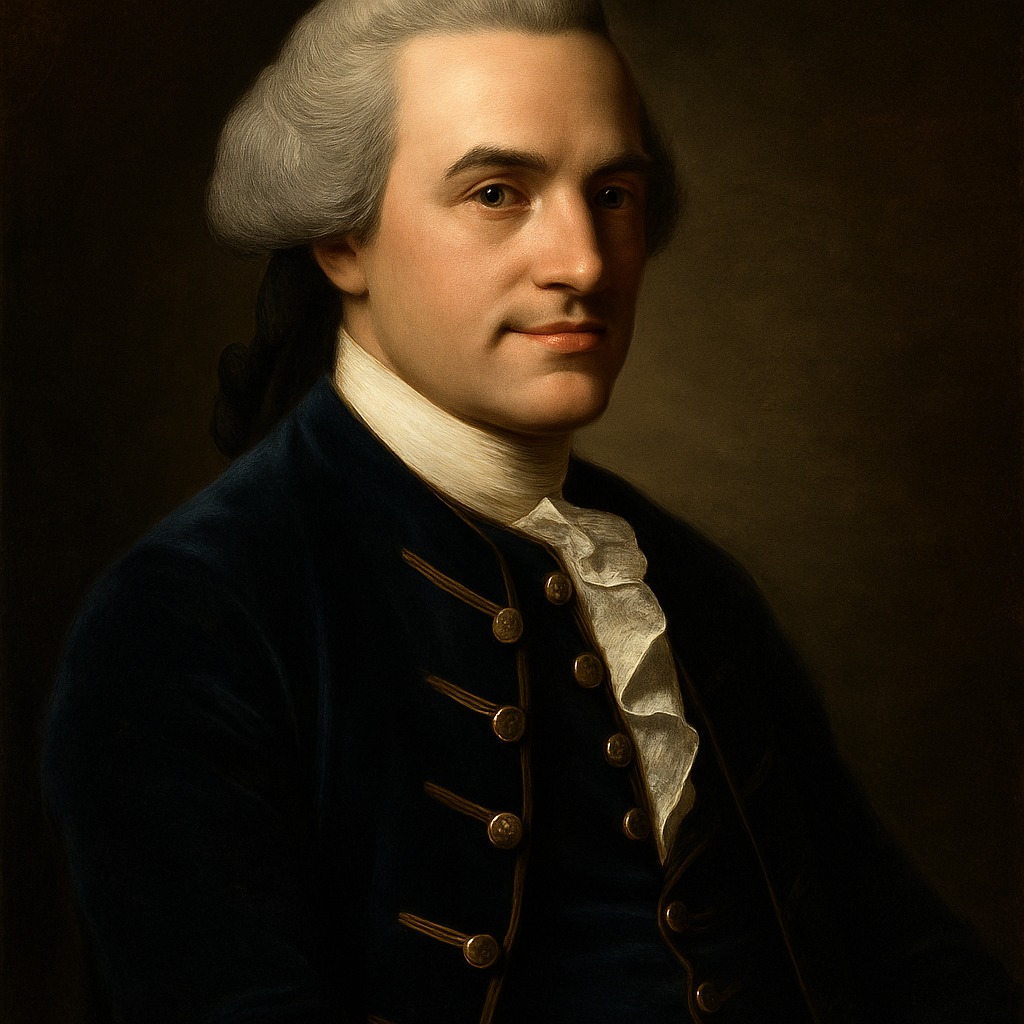
No Boston printer would publish a book of poems by an enslaved African without proof that she had written them. In 1772 eighteen of the colony's most prominent men, including Governor Thomas Hutchinson and John Hancock, examined her and signed an attestation that she was the author. Even then the book was published in London, where she traveled in 1773 with the Wheatleys' son and was received by abolitionists and aristocrats. Poems on Various Subjects, Religious and Moral was the first book of poetry published by an African American.
She was freed soon after her return, apparently at the urging of English friends. In 1775 she sent a poem in praise of George Washington, who replied with thanks and invited her to visit him at his headquarters in Cambridge. Thomas Jefferson, in Notes on the State of Virginia, dismissed her verse as beneath the dignity of criticism, and for decades her work was cited on both sides of the argument over whether Africans were capable of intellectual achievement.
Her last years were hard. The war scattered her patrons, the Wheatleys died, and her marriage to a free Black grocer, John Peters, ended in poverty. She could not find subscribers for a second volume. She died in Boston in December 1784, around thirty-one, and her infant child died with her. Modern critics once faulted her neoclassical poems for saying little about slavery, but rereadings have found sharp irony in lines that address white readers about Christian equality and freedom.
| Born | West Africa, about 1753 |
| Arrived | Boston, 1761, aboard the slave ship Phillis |
| Book | Poems on Various Subjects, Religious and Moral, London, 1773 |
| First | First published book of poetry by an African American |
| Correspondent | George Washington, 1775–1776 |
| Died | Boston, December 1784 |
| Date | c. 1753–1784 |
| Location | Boston, Massachusetts |