The Pulitzer Prize
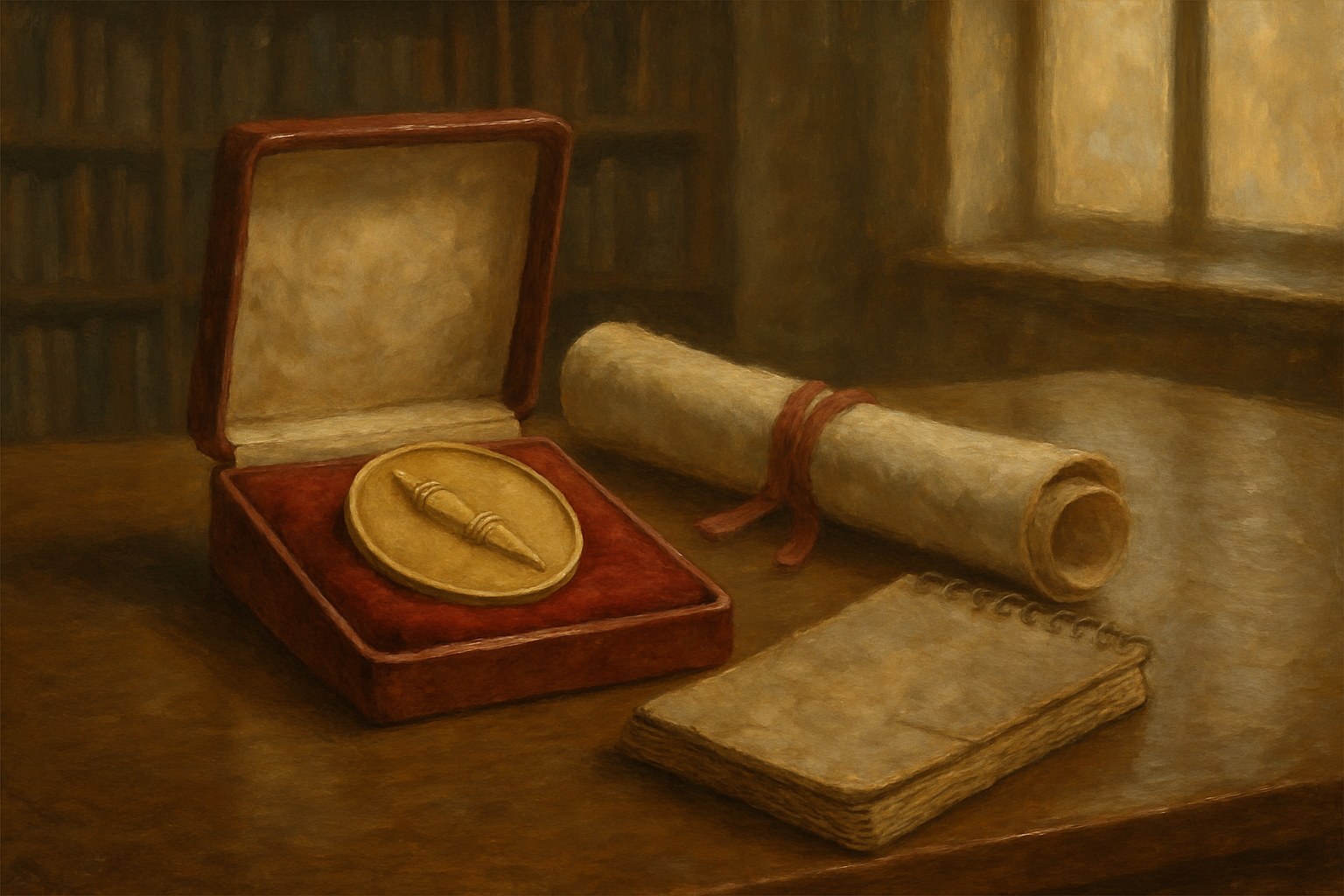
When Joseph Pulitzer died in 1911 he left Columbia University money for two things his own newspapers had not always exemplified — a school to train journalists and a set of annual prizes to reward the best of them. The trustees were slow, the school opened in 1912, and the first prizes were announced in June 1917, four of them: a reporting award to Herbert Bayard Swope of the New York World, an editorial award to the New York Tribune, and prizes in biography and history. The endowment was an argument that reporting was a profession with standards, not merely a trade.
The categories grew with the work. Photography was added in 1942, national and international reporting were separated out, and later prizes recognized criticism, commentary, feature writing, explanatory reporting, editorial cartooning, and eventually audio journalism. The letters and arts side, administered alongside the journalism prizes, covers fiction, drama, history, biography, poetry, general nonfiction, and, since 1943, music. Nominating juries in each category forward finalists to a board that makes the final choices and may decline to award a prize at all.
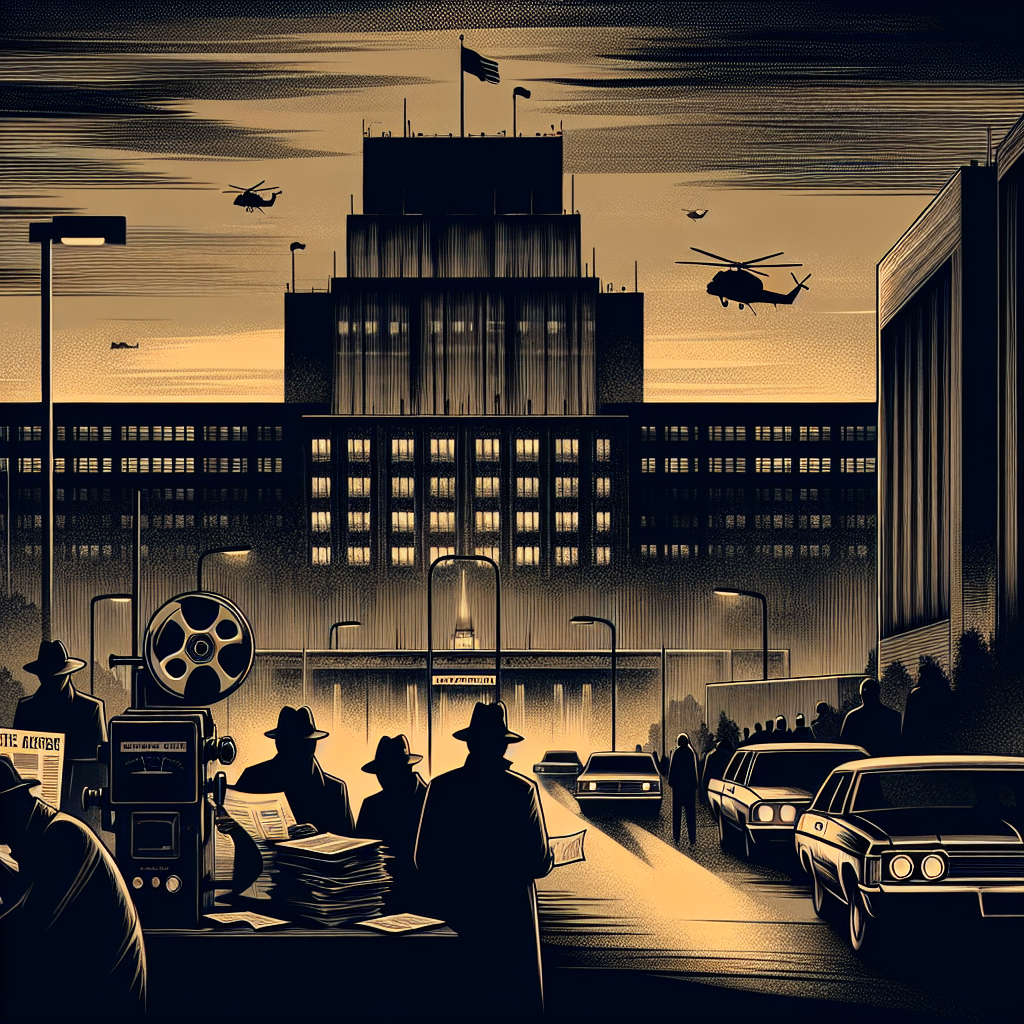
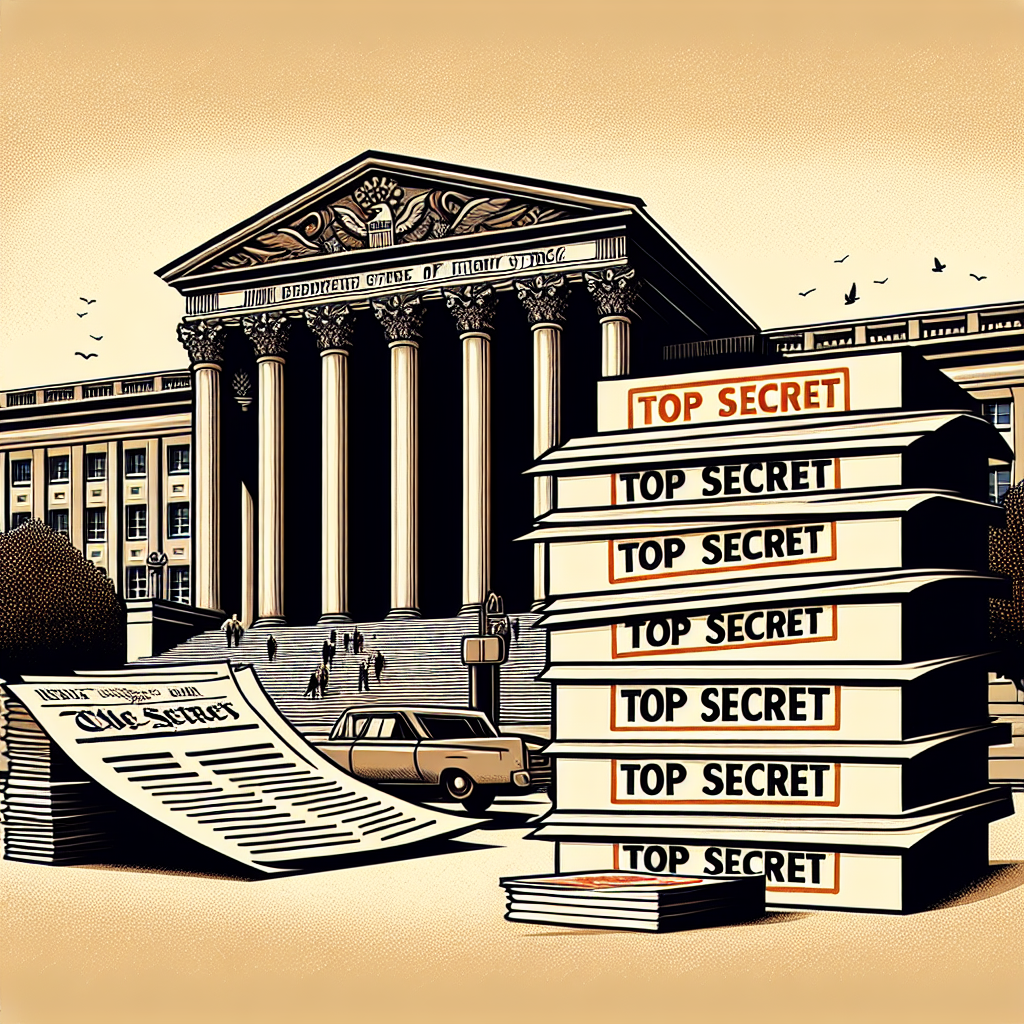
The Public Service award sits apart. It goes to a news organization rather than an individual, carries a gold medal instead of a cash prize, and is generally treated within the profession as the highest of the awards. Its recipients trace the shape of American accountability journalism — the New York Times for the Pentagon Papers in 1972, the Washington Post for Watergate in 1973, and a long line of local papers that exposed a police department, a hospital, or a state legislature that no national outlet was watching.
The prizes also carry their embarrassments openly. Walter Duranty's 1932 award for reporting from the Soviet Union has been the subject of repeated revocation campaigns, and the board has declined to withdraw it while noting the work's failures. Janet Cooke returned her 1981 feature prize after her subject was found not to exist. Critics argue the awards favor long institutional projects and the papers that can afford them. Even so, what a Pulitzer honors has functioned for more than a century as the profession's working statement of what journalism is for.
| First awarded | June 1917 |
| Endowed by | The will of Joseph Pulitzer, died 1911 |
| Administered | Columbia University, New York |
| Top honor | The Public Service gold medal, to an organization |
| Scope | Journalism plus letters, drama, and music |
| Disputes | Walter Duranty (1932), Janet Cooke (returned 1981) |
| Date | First awarded 1917 |
| Location | New York City |